It’s not a bird

Mention IBIS, and some of you may think of the French budget hotel chain of the same name; others may think of the heron-like wading bird. Photographers, however, think of In Body Image Stabilisation, which works by physically moving the sensor within the camera to counteract any movement created by the photographer. This then enables longer shutter speeds when hand-holding the camera.

Although it is often described as a new innovation, every Pentax DSLR that I have ever owned had IBIS (they call it Shake Reduction) – which works using built-in gyroscopes to provide stabilisation across the 5 axis: Yaw (left & right twist), Roll (back and forth rotation), Pitch (side to side rotation), Horizontal (side to side) and Vertical (up and down).

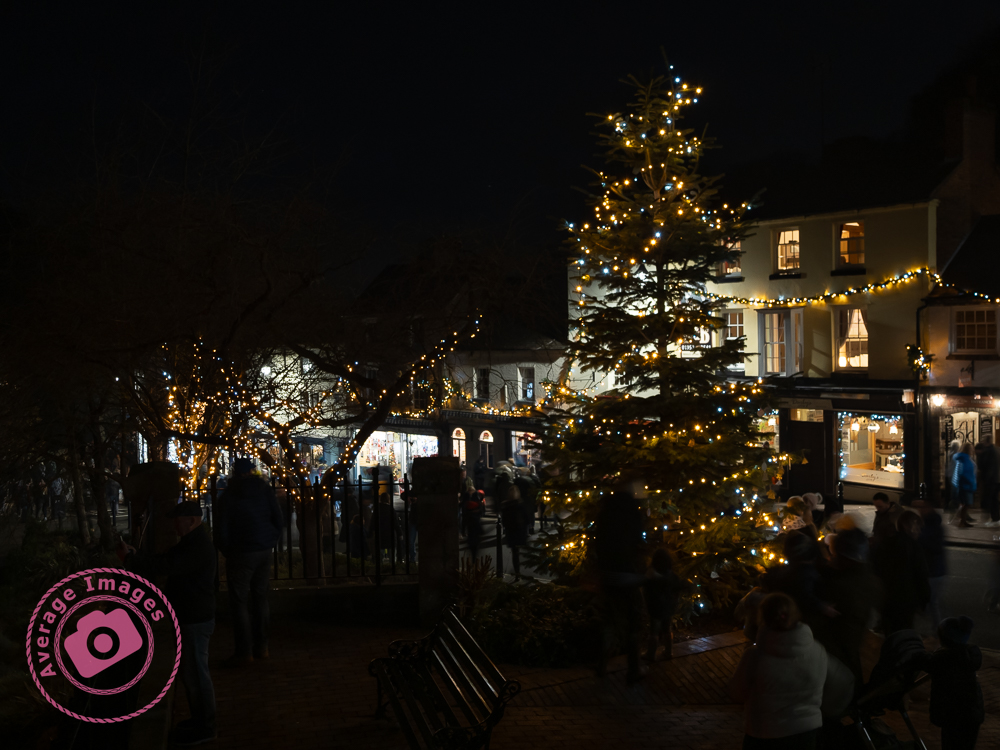
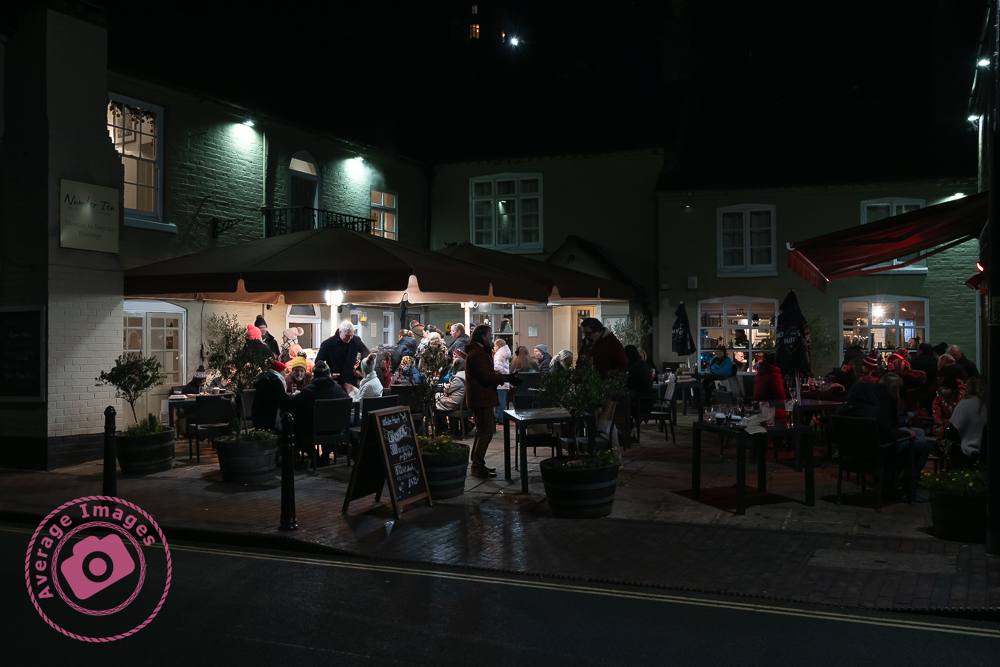
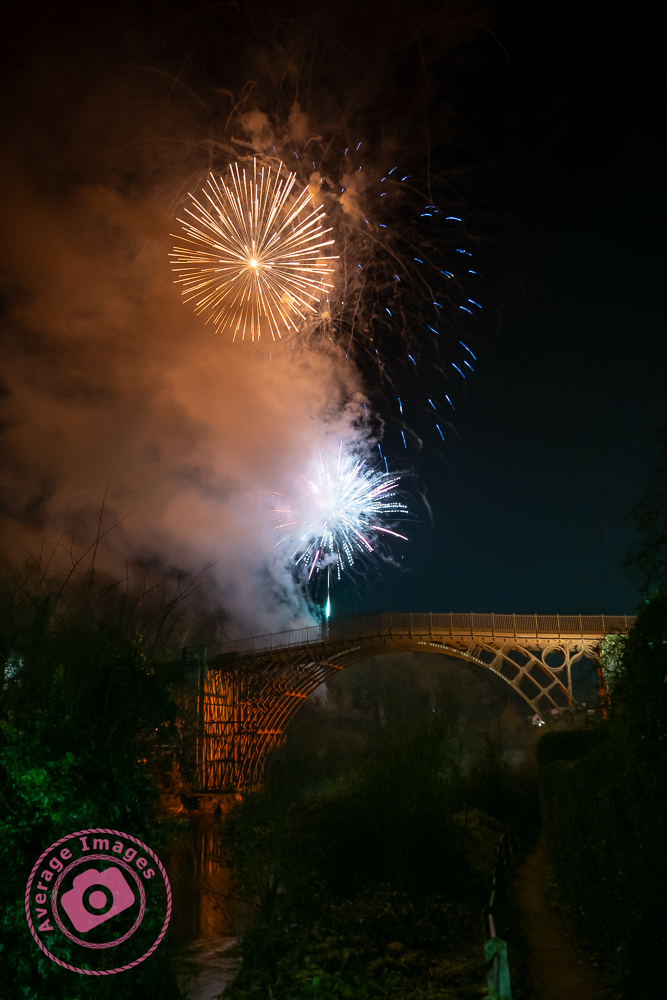
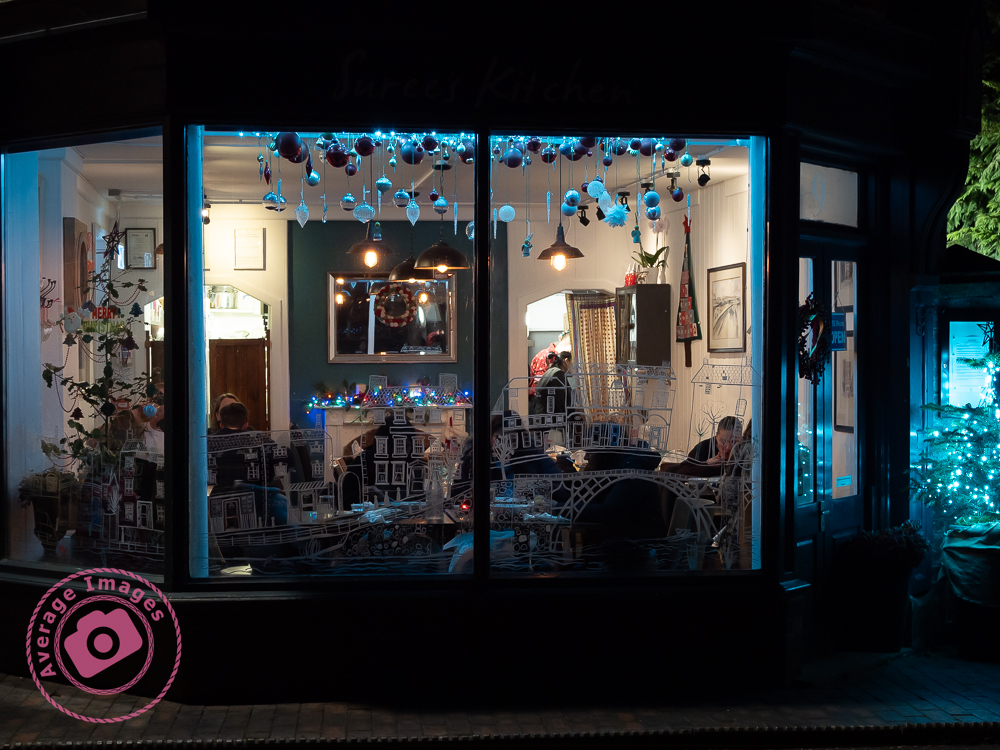
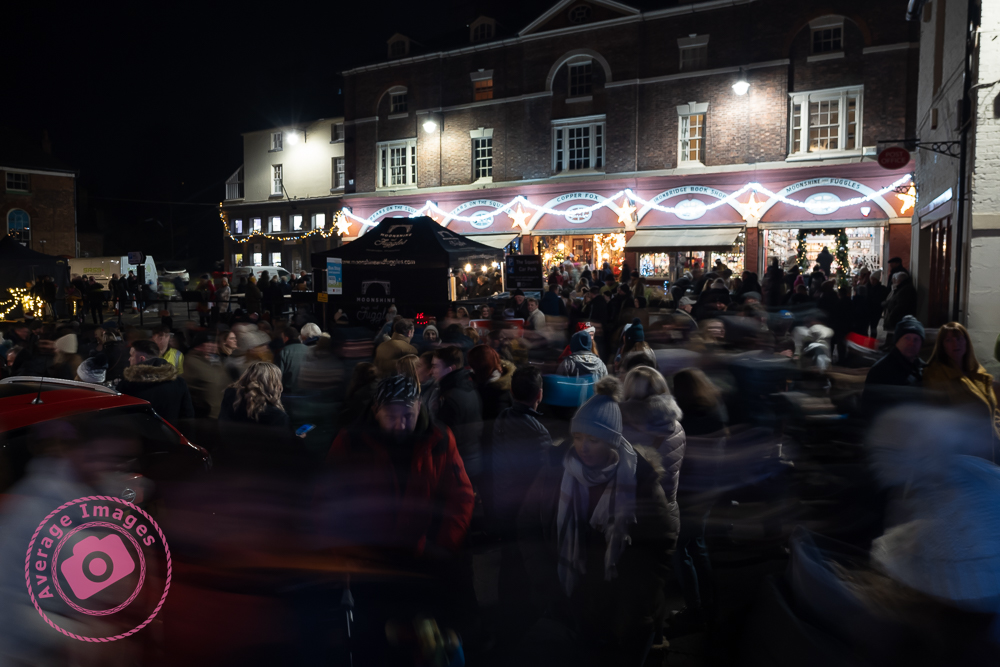
The Olympus OM-D E-M1 Mark iii also has IBIS, which provides up to 7.5 EV of shutter speed compensation when combined with an image-stabilised lens, such as the Olympus M.Zuiko ED 12-100mm f/4 IS PRO. I put this to the test last night when I attended the annual Christmas lights switch-on at nearby Ironbridge town in Shropshire.
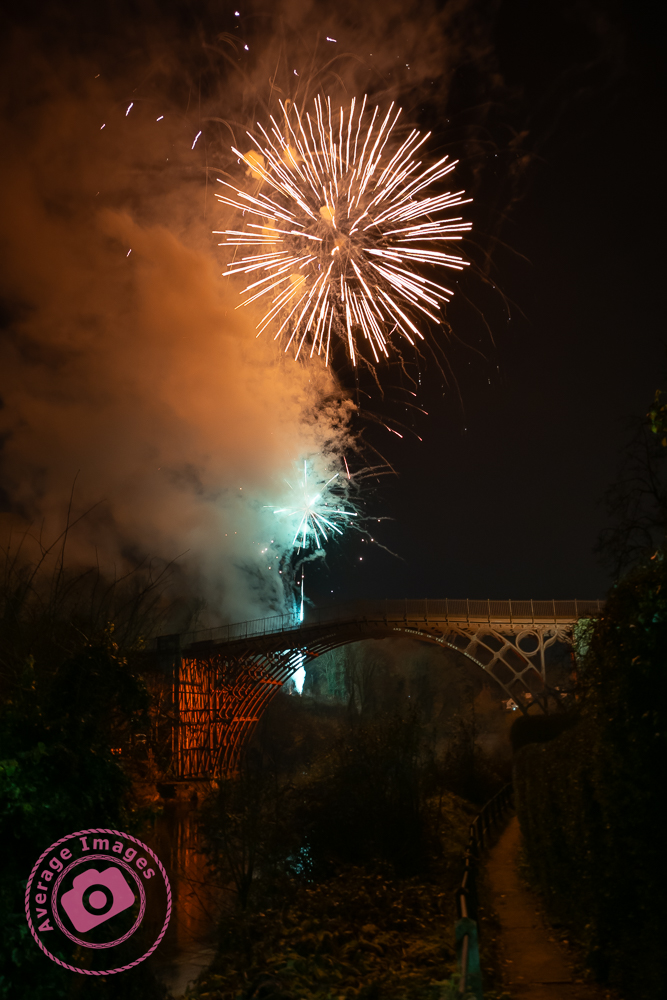
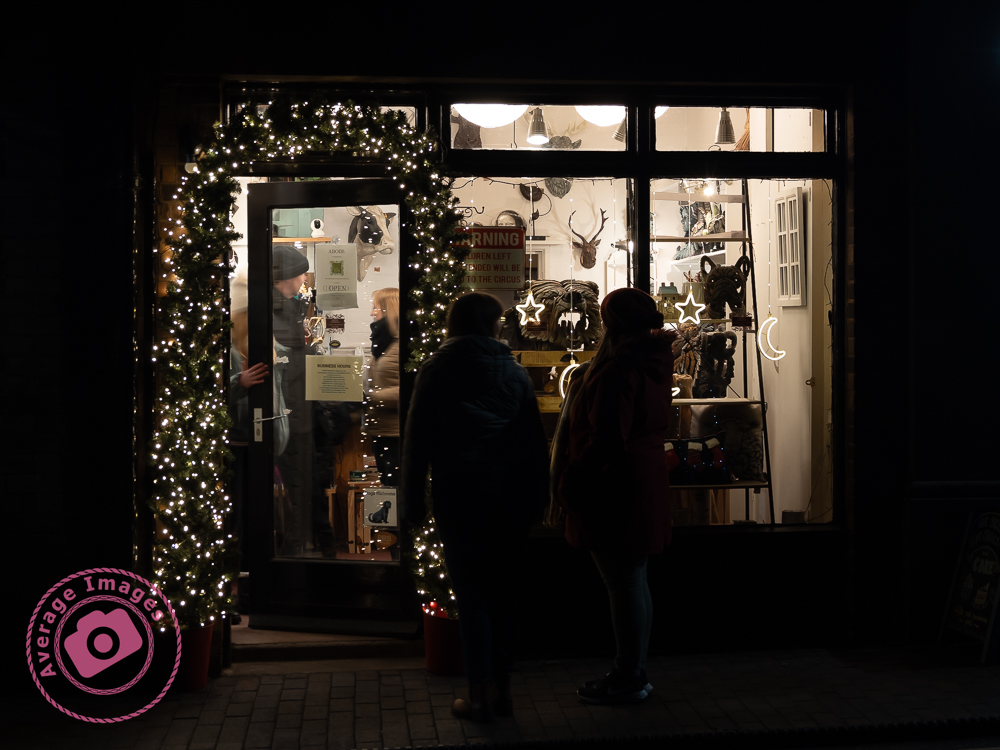
To be honest, I wouldn’t usually take any photographs at such events, mainly due to the need to use either a tripod or a flash gun, but this was an opportunity to try the camera hand-held in some pretty testing light conditions, and it didn’t let me down.
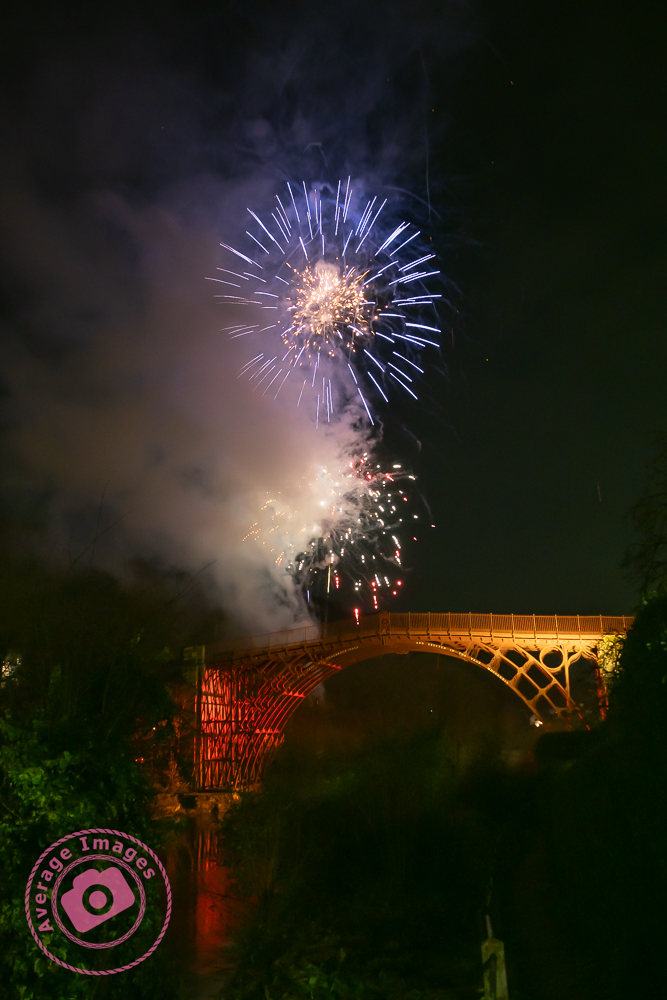
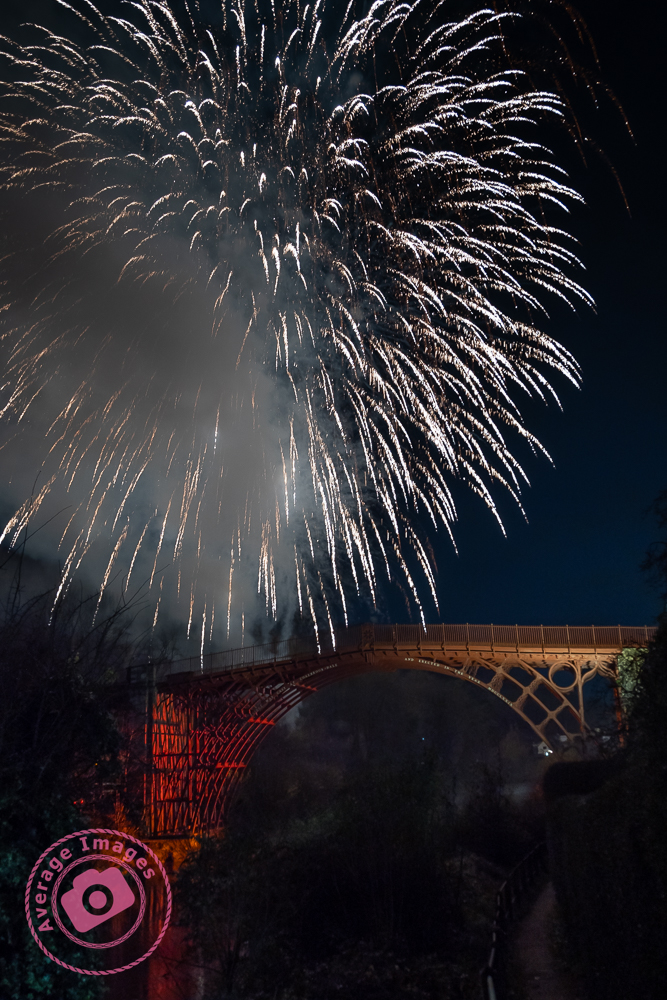
Footnote: The Olympus OM-D E-M1 Mark iii also puts the IBIS technology to another use: ‘High Res Shots‘, but I’ll cover that in a later blog post. You can find out when if you subscribe:
A walk in the park

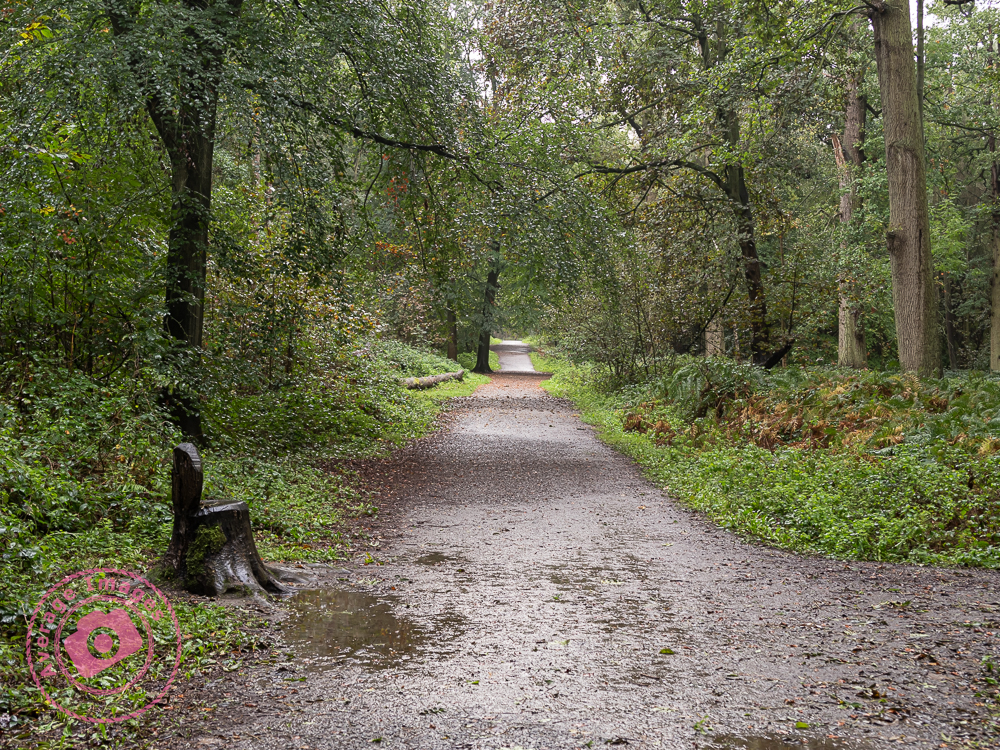
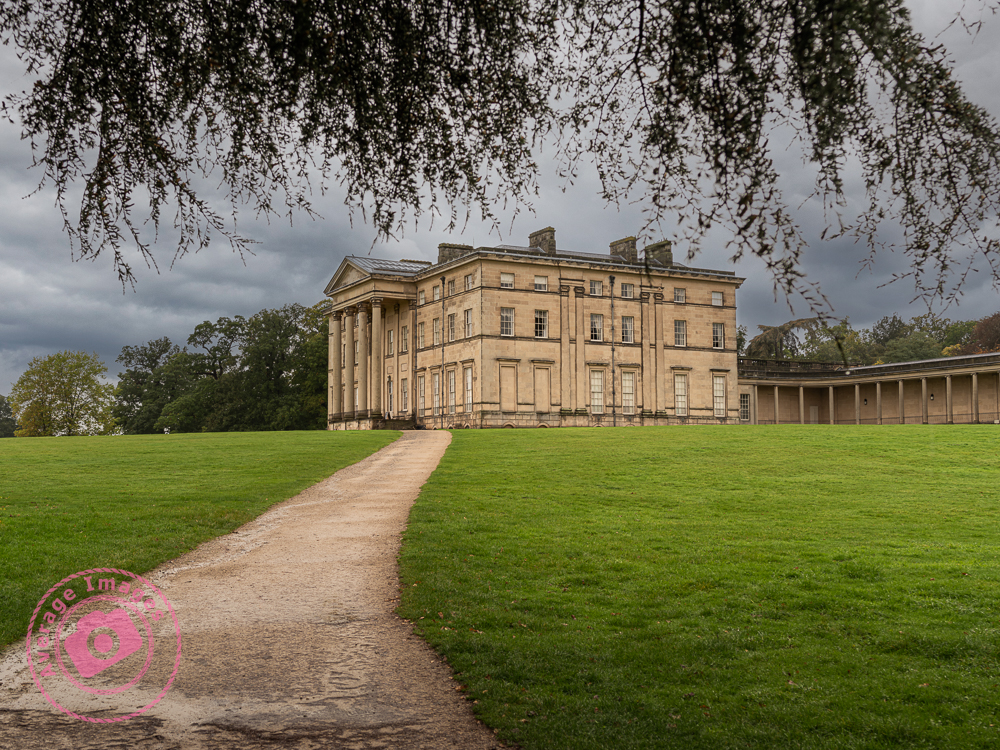
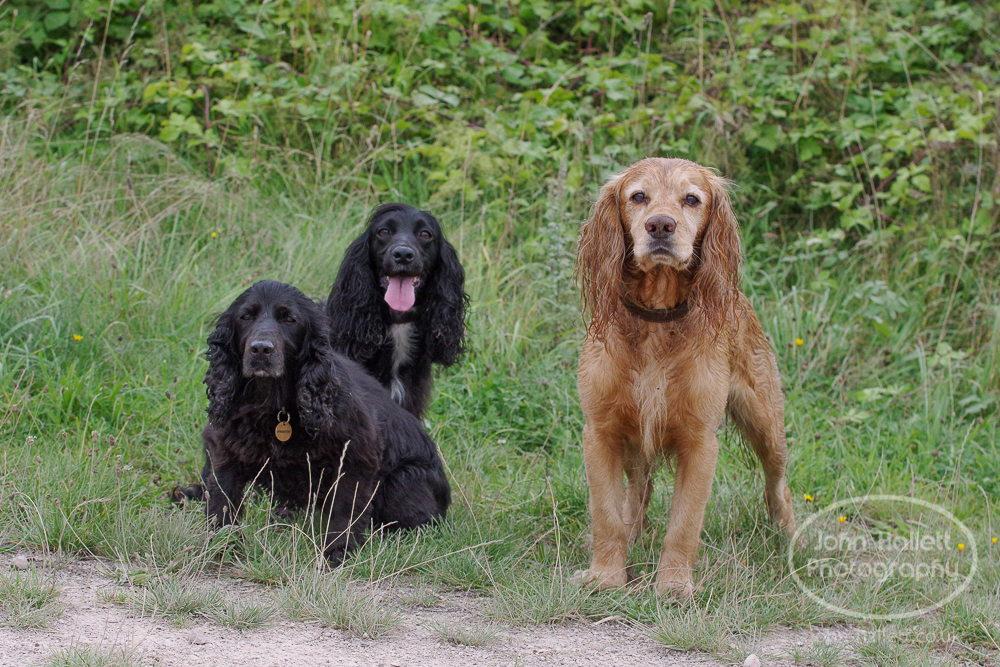
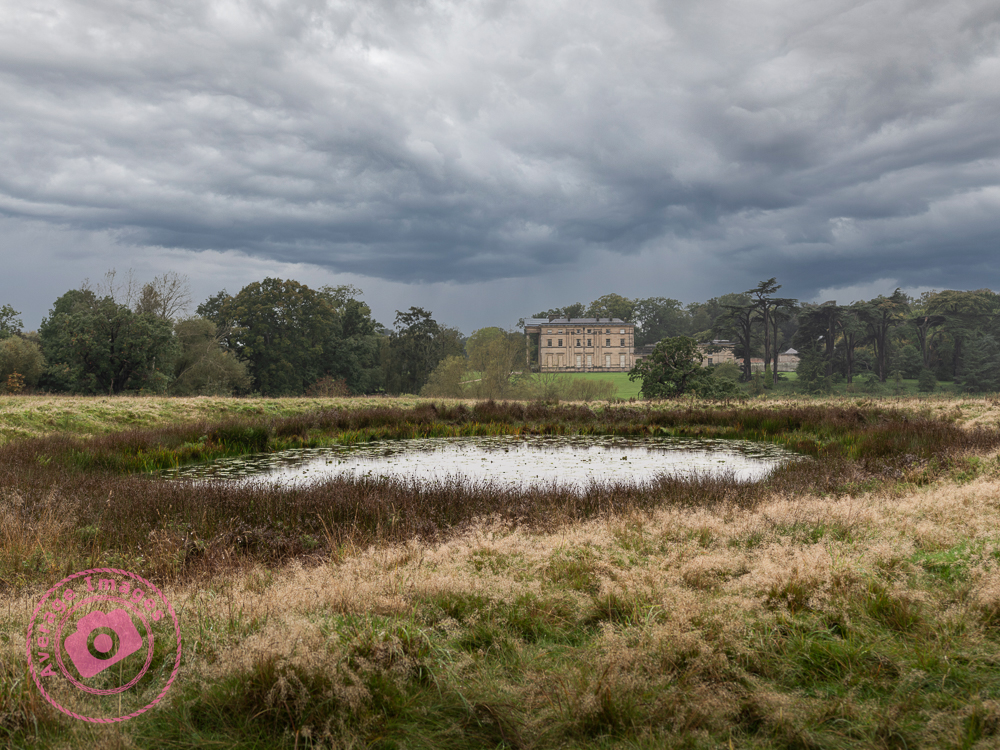
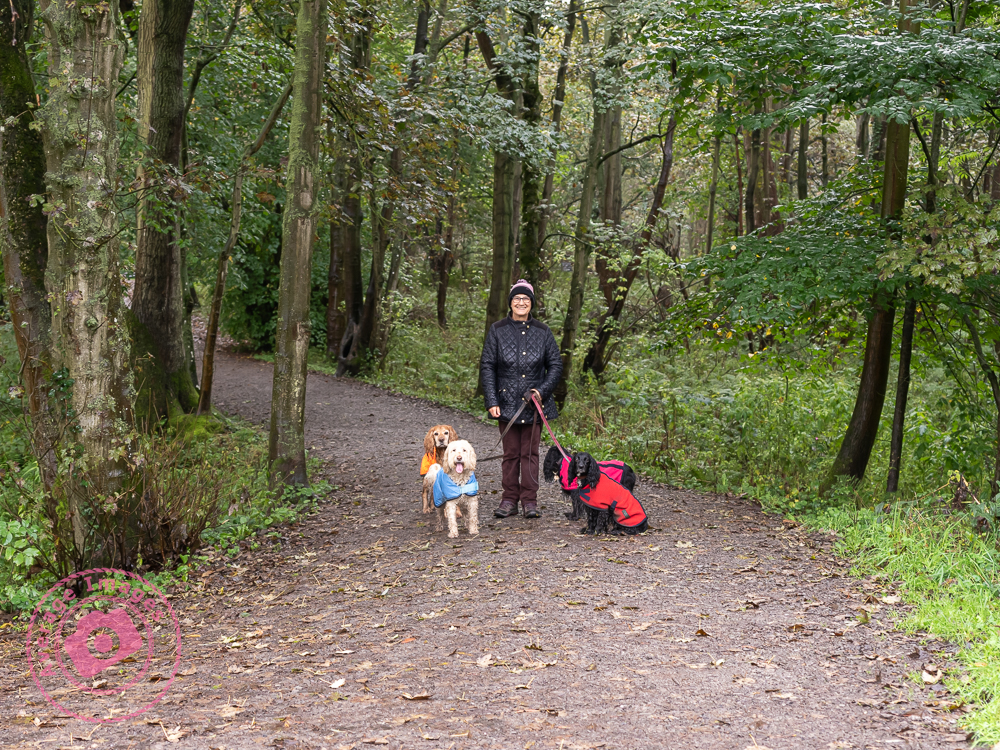
The National Trust had an Autumn deal which gave free entry to their properties and so we chose to visit Attingham Park in Shropshire. This is very local to where we live but neither of us can recall ever visiting before and it was an opportunity to give the dogs a good walk in a change of scenery. Given the bleak forecast of rain all day we were all wrapped up accordingly, but fortunately it stayed relatively dry throughout the time that we were there. The grey, drab, overcast sky meant that photographic opportunities were few and far between, but I managed to take a few to justify carrying my gear around.

Titterstone Clee

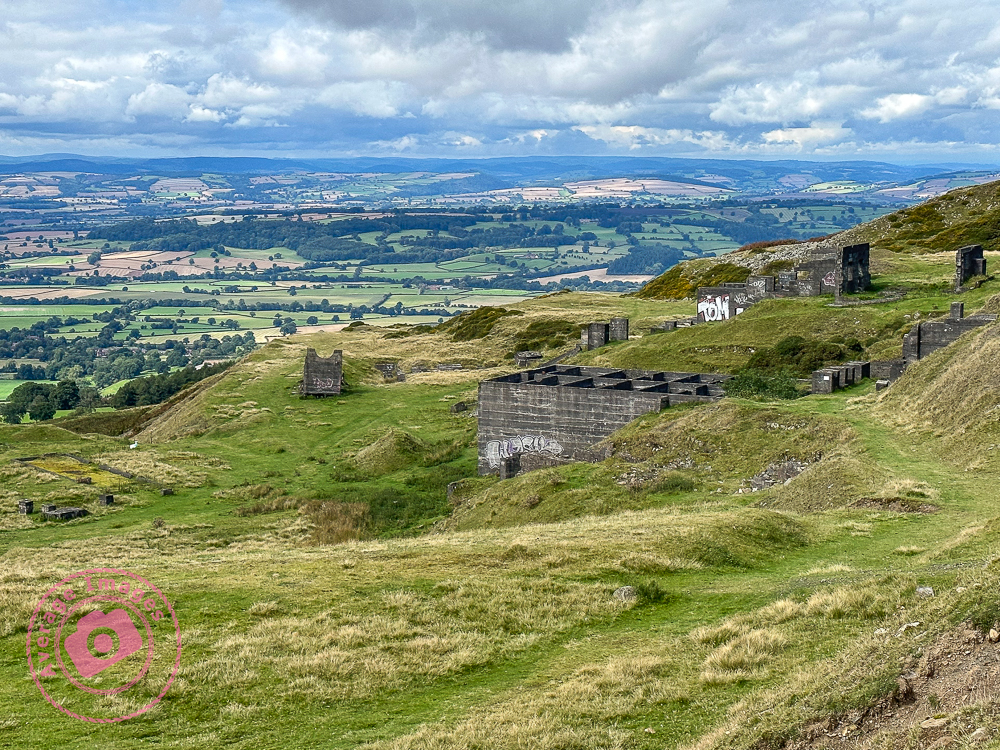
Titterstone Clee ruins

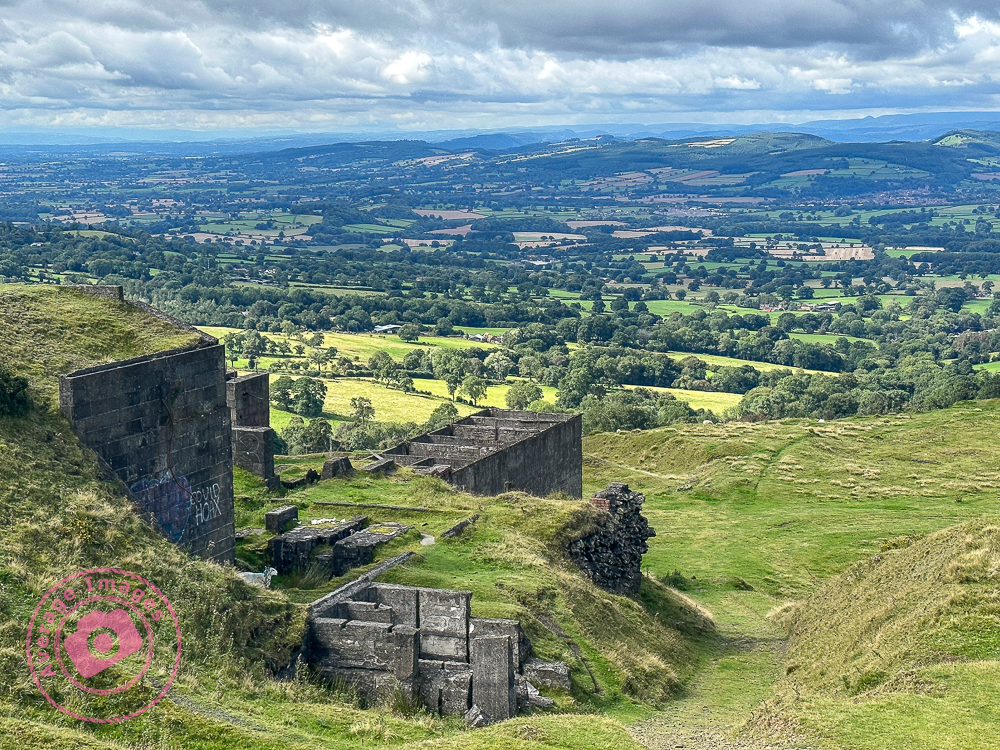
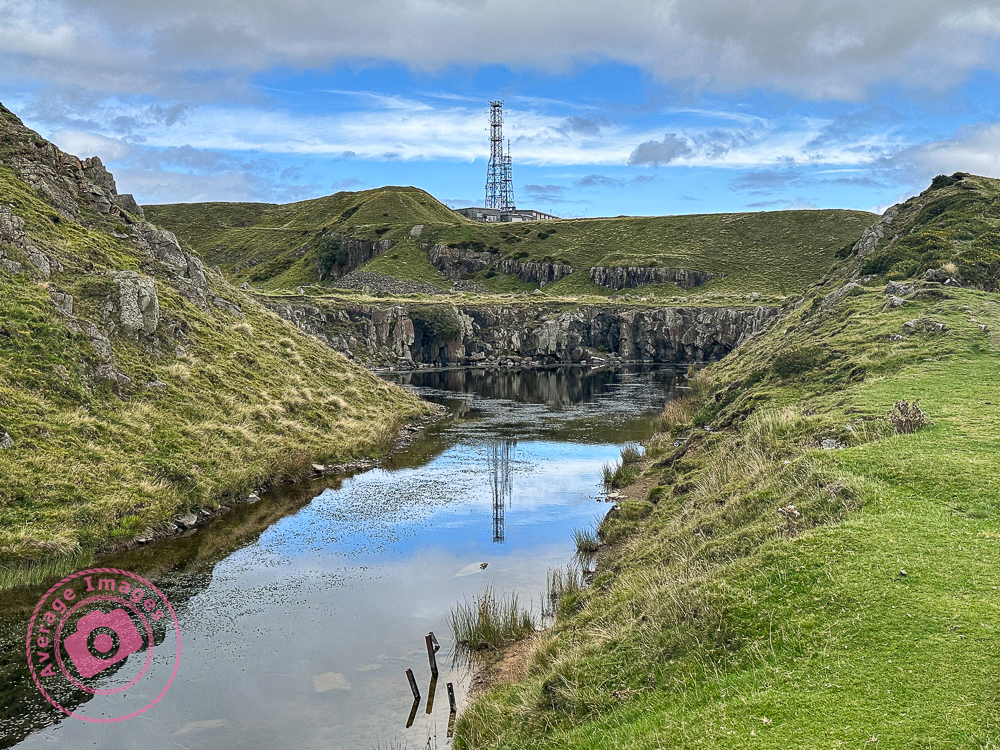
Today we took the dogs for a walk on Titterstone Clee, a hill in Shropshire close to the town of Ludlow. I can’t remember exactly when I last visited, even though it is only 30 miles from home, and my only (vague) memories are visiting as a child with my parents.

The summit has a multitude of derelict buildings protruding from its sides. Given it’s splendid viewpoint over the Shropshire plains it would be easy to think that these had a military history, but the reality is that these are from years of quarrying – due to the abundance of Dolerite, a stone which is widely used for road building. The buildings are of industrial archaeological interest because they are early examples of the use of reinforced concrete. At one time over 2,000 people were employed at these quarries – it must have been a bleak place to work in the Winter.

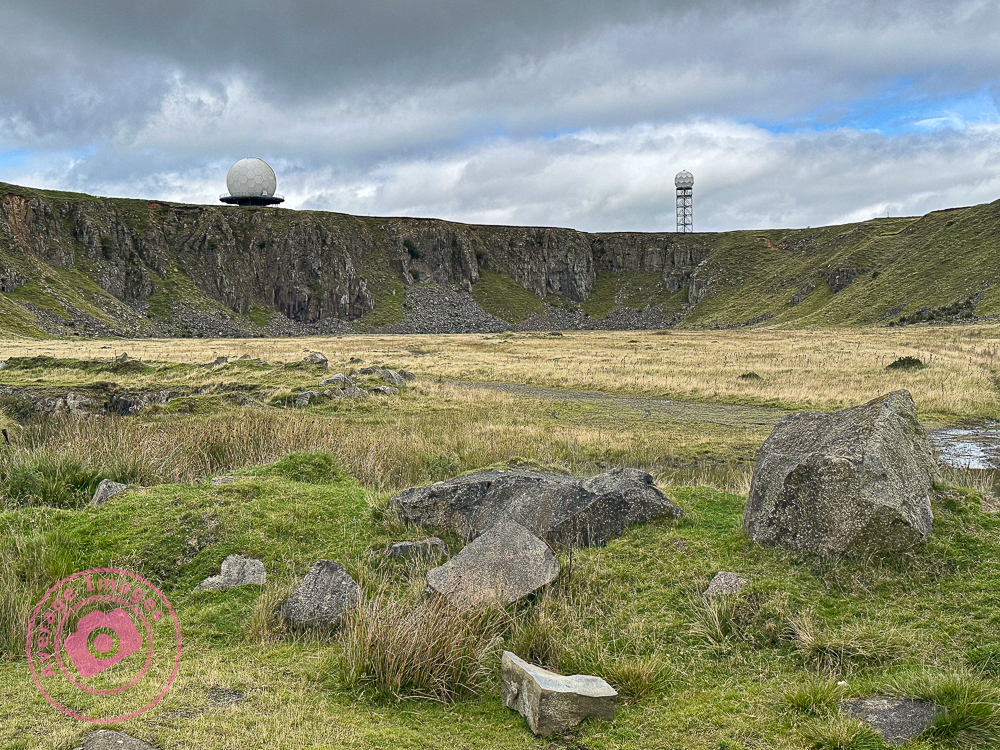
A little higher up the hill, on the summit, are a couple of ‘golf balls’ (as they are known locally). In the Second World War a RAF radar station was established here. It closed in 1957 but was later reactivated as part of the National Air Traffic Services monitoring the UK airspace – the larger ‘golf ball’ monitors aircraft within a 100-mile radius, the smaller one is a Met Office weather radar station

Not unlike a scene from a James Bond movie

It was a fascinating place (and good weather) and so worthy of some photographs. These were taken with my iPhone and once again shows what great images these phones can produce. However, it would be good to make a repeat visit with my medium format camera and take some detailed shots of those derelict buildings.

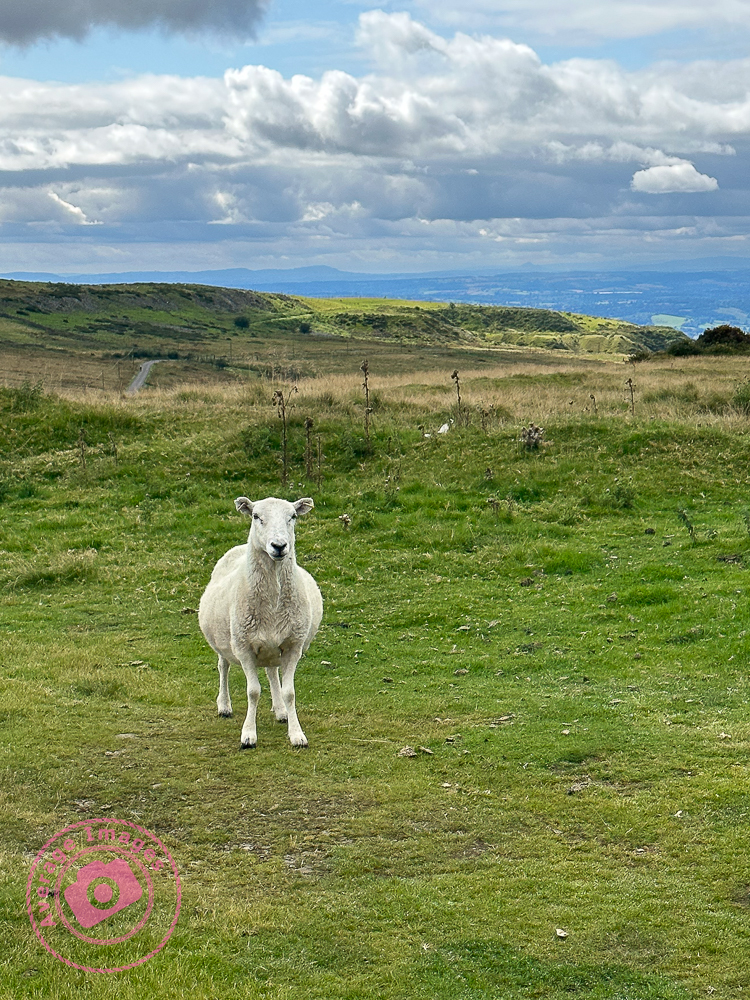
One of the locals didn’t take too kindly to our presence

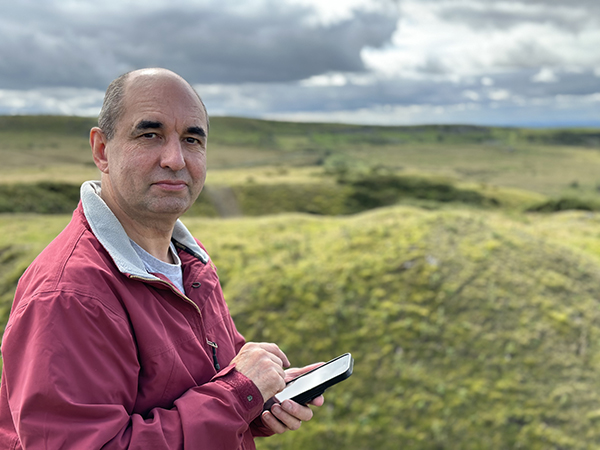
And finally, although I am not altogether comfortable with having my photograph taken (preferring to be the other side of the camera), Mrs H did take one that I may use as an avatar:

Port for coal

The Shropshire Canal at Coalport was created in 1793 to allow tub boats of coal from the Shropshire coalfields to be transferred onto river boats (called ‘sprys’) in order that it could be sailed down to Bristol and then on to the worldwide market. Workers were needed to operate this riverside trans-shipment port and so dwellings were built to house them – and thus the village of Coalport (coal-port) was created.

At about the same time, entrepreneur John Rose founded a china works immediately adjacent to the canal utilising the transportation link for both raw materials and finished goods. The village is now synonymous with Coalport China although it was the coal that paved the way to its creation.

Port for coal

Duck under the bridge

Another shot of the Shropshire Canal at Coalport in the Ironbridge Gorge, but this time looking towards the Hay Incline Plane. This amazing piece of Victorian engineering was built in 1793 to transfer flat-bottomed ‘tub’ boats full of coal from a canal at the top of the valley down to this canal at the bottom. A tub boat would be slid onto a wheeled cradle to keep it level and then the weight would take it down the rails, pulling an empty tub boat back up at the same time. A steam-driven ‘brake’ at the top controlled the speed.

Duck under the bridge

Cold kilns

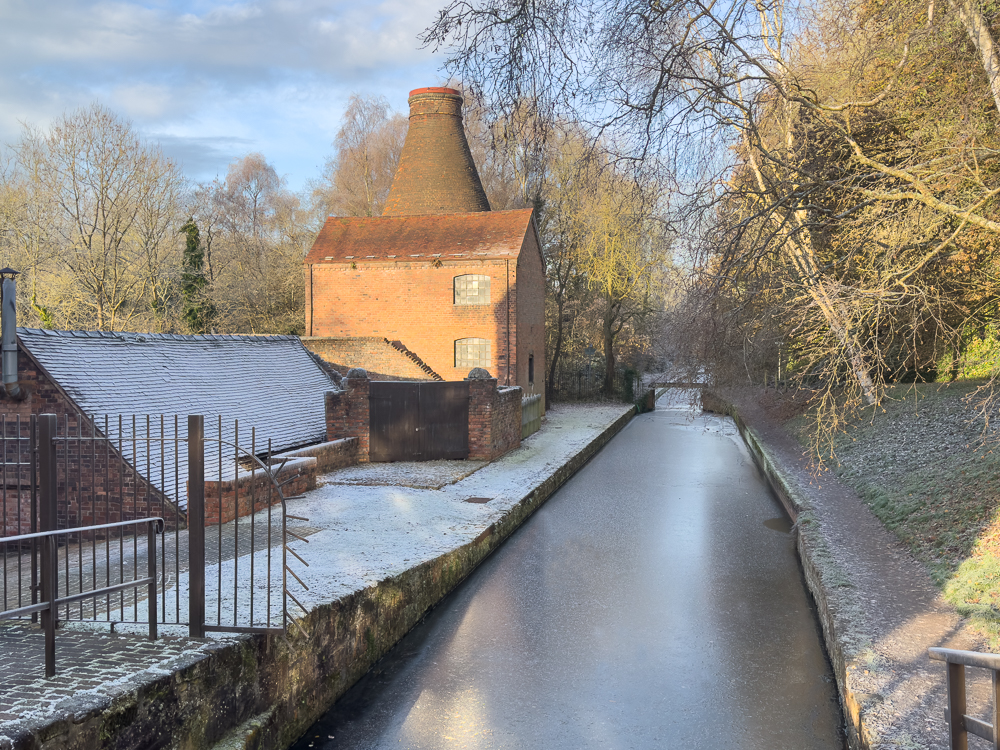
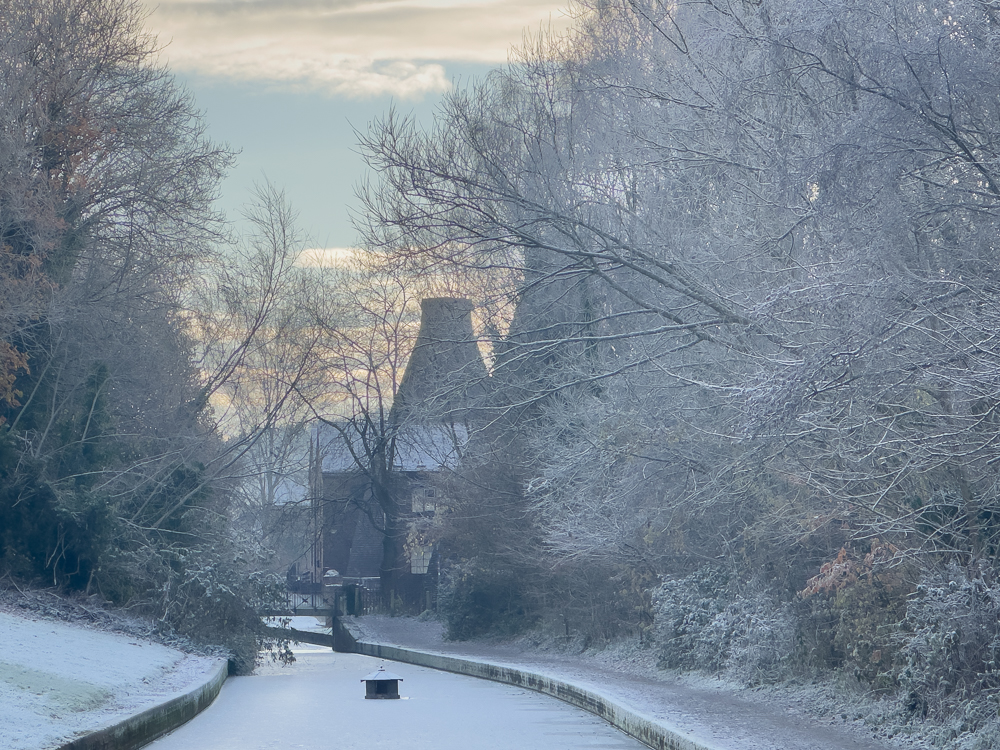
A morning walk just a few minutes from my house, and the same route as I’d taken with the dogs just a few hours previously – only it was dark then! This is the frozen Shropshire Canal with the bottle-kilns of the Coalport China Works in the distance. The kilns went cold in 1926 when china manufacturing ceased and transferred to Staffordshire.

It was just below freezing and the frost gave a Wintery feel to the scene – and to my fingers. It is a shot taken with my iPhone 14 Pro Max which once again shows how the gap between phone camera and DSLR camera is getting smaller.

Cold kilns

Back on track

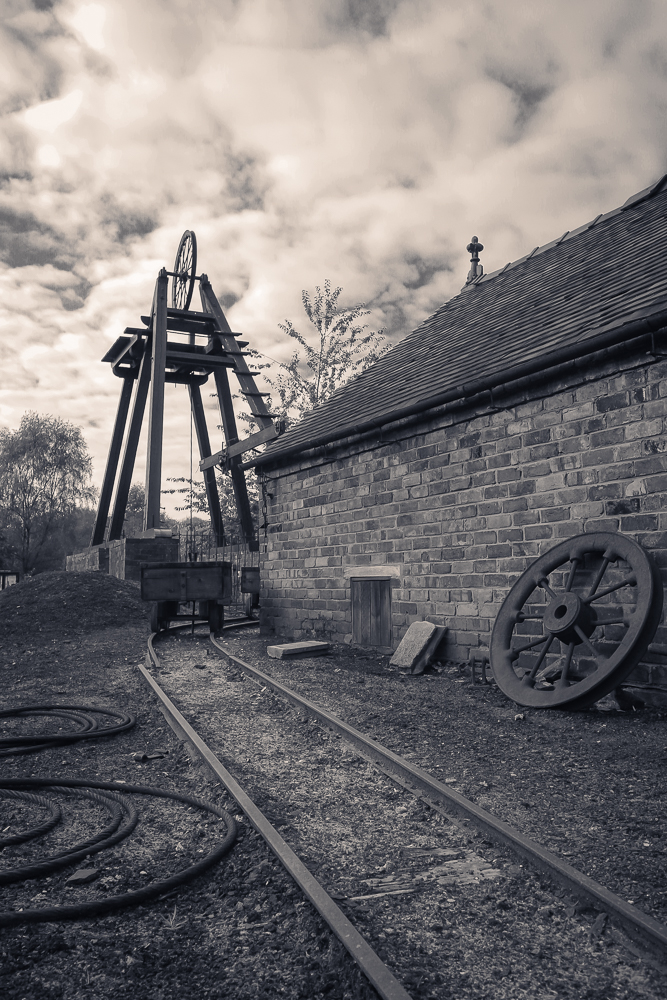
Once a year the Ironbridge Gorge Museums throw open their doors and give free entry to anyone with a local postcode – and this year is no exception with an open weekend on 19th & 20th November. As I only live about a mile from the Victorian Town I make a point of visiting, camera in hand, to get some atmospheric shots. Tickets are issued on a first-come, first-served basis and so I made a point of applying early to get mine.

Last year I concentrated on taking background shots to use in studio composite images but this year I’ll be taking my medium format set-up to capture architectural landscapes.

Back on track

‘Super Flood’ report

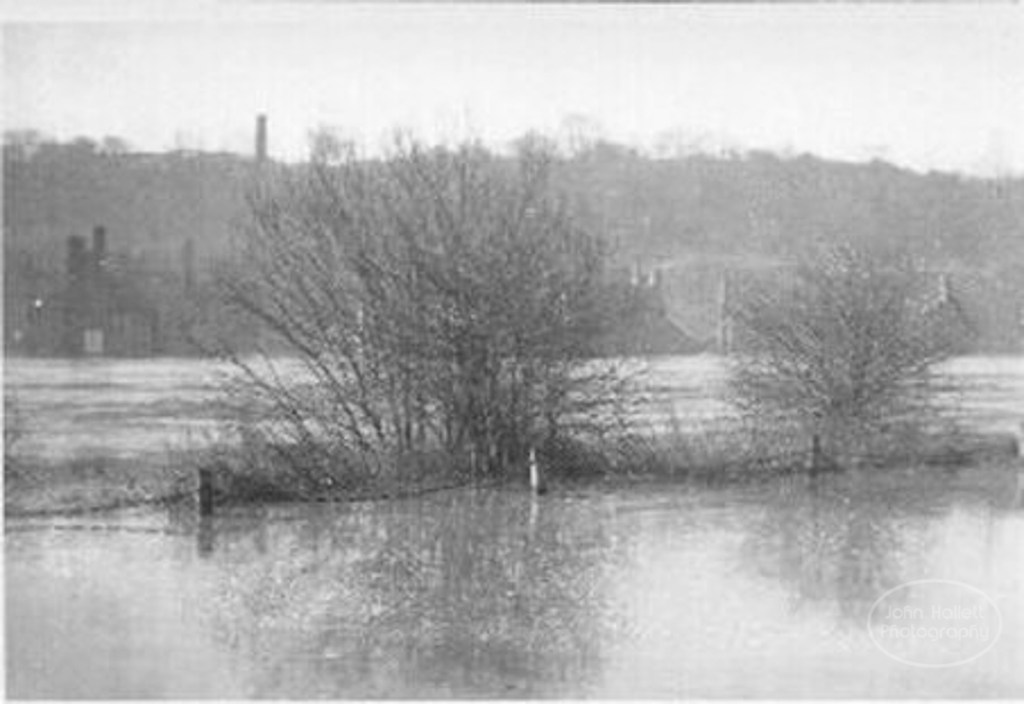
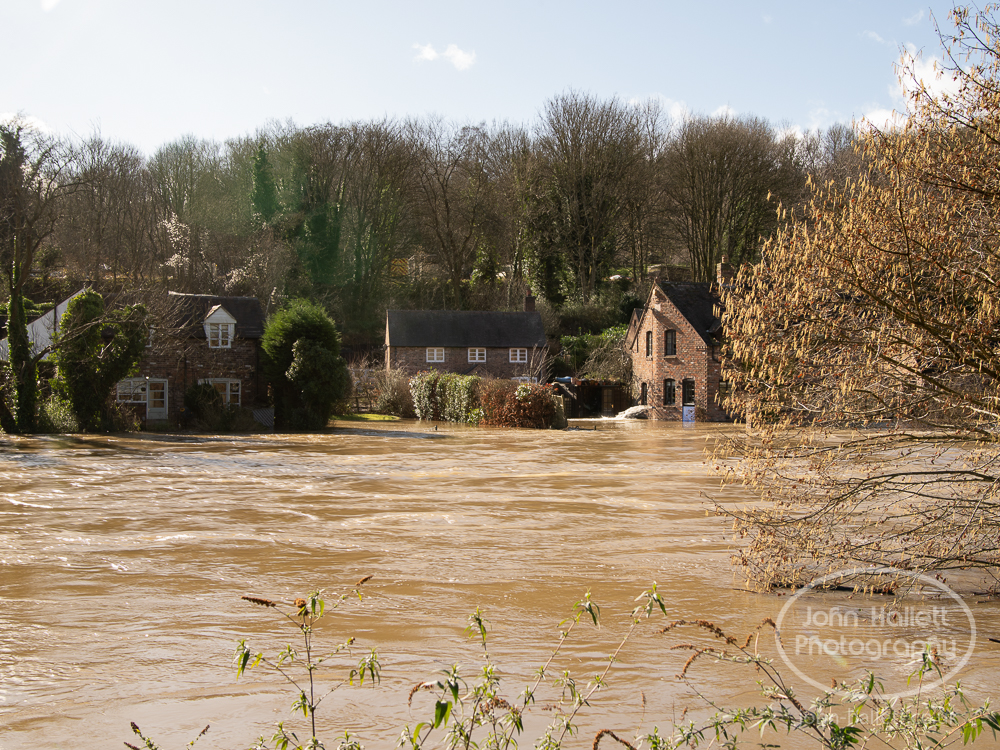
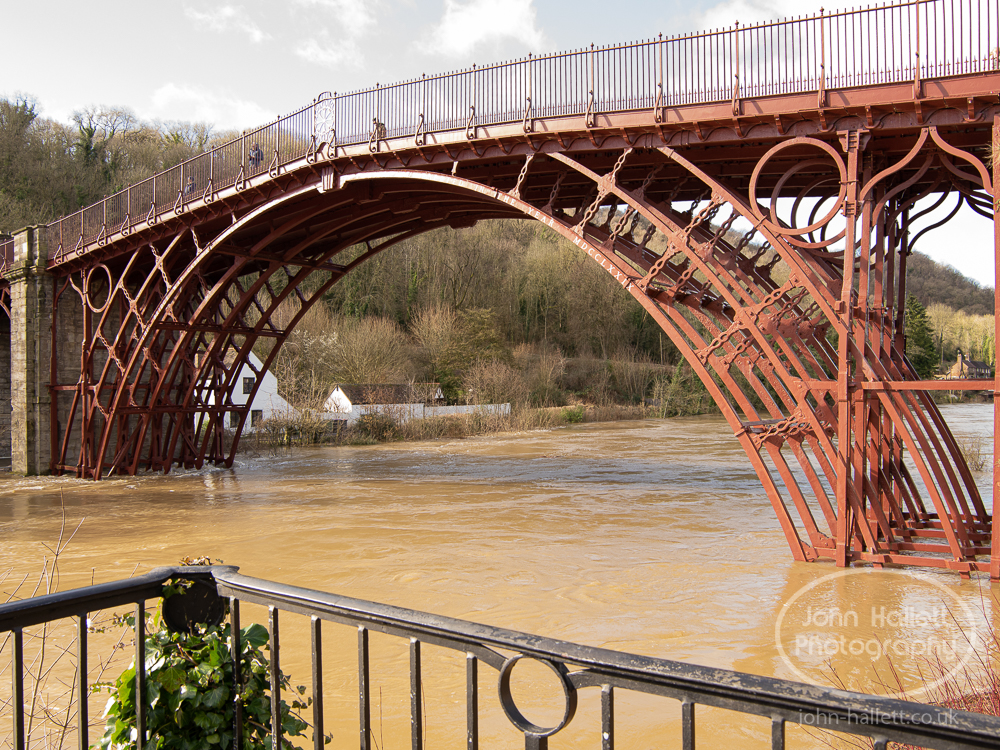
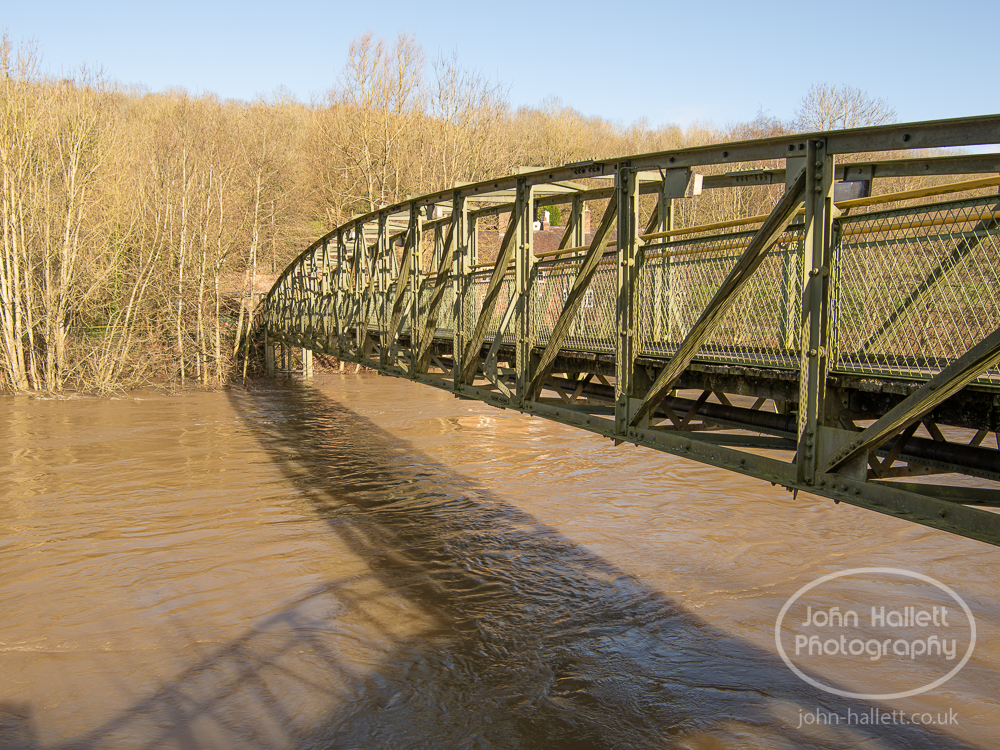
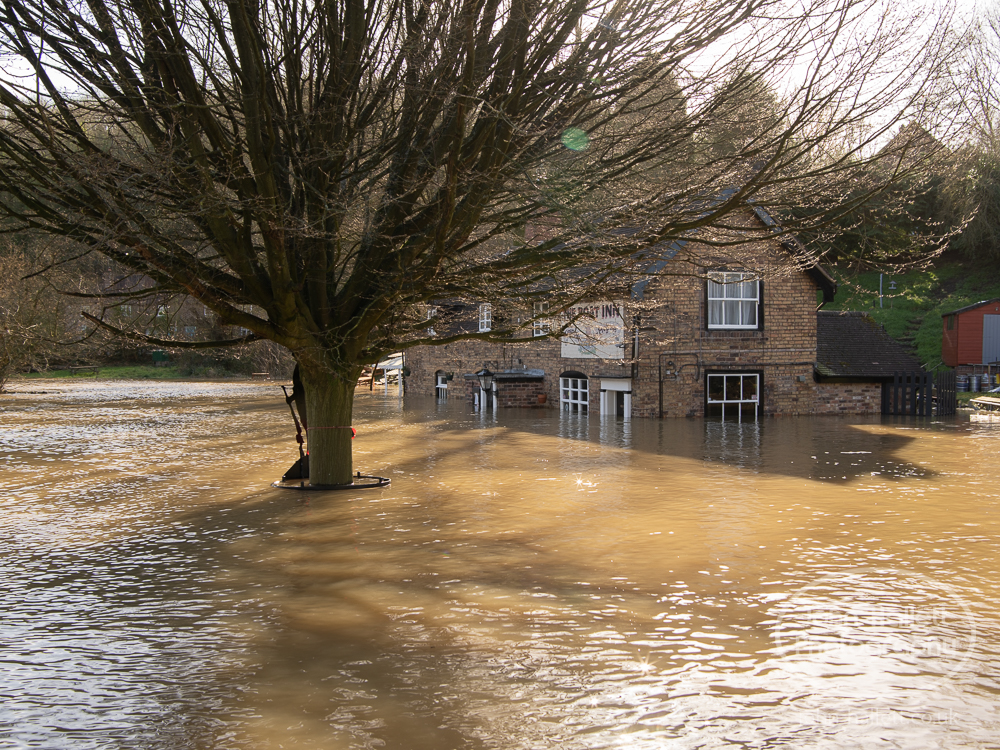
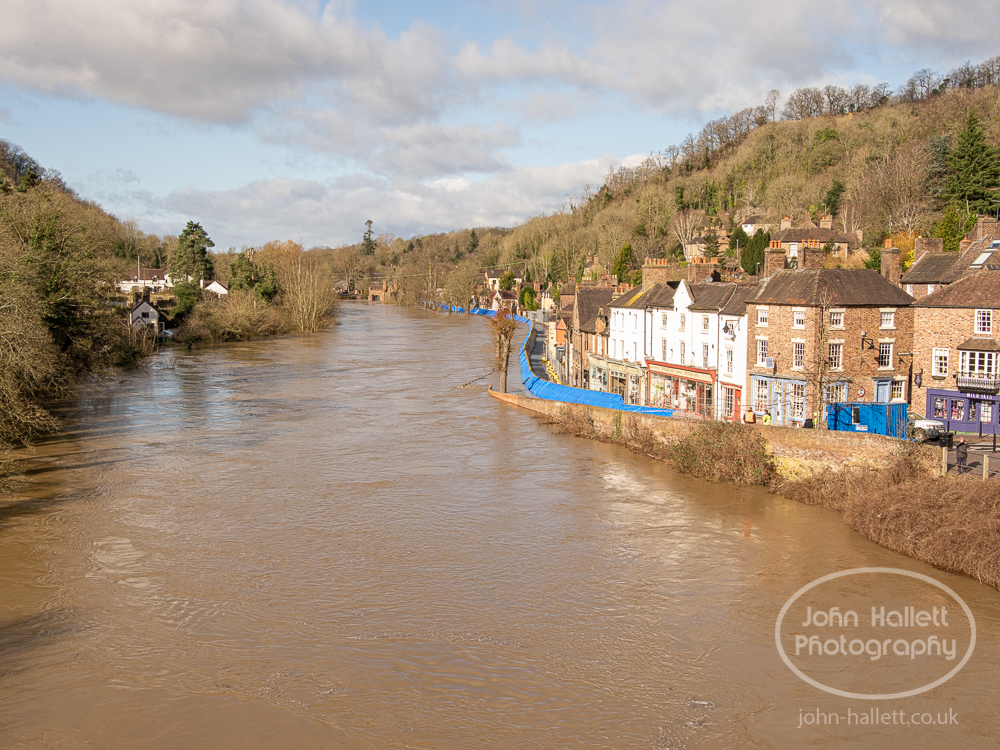
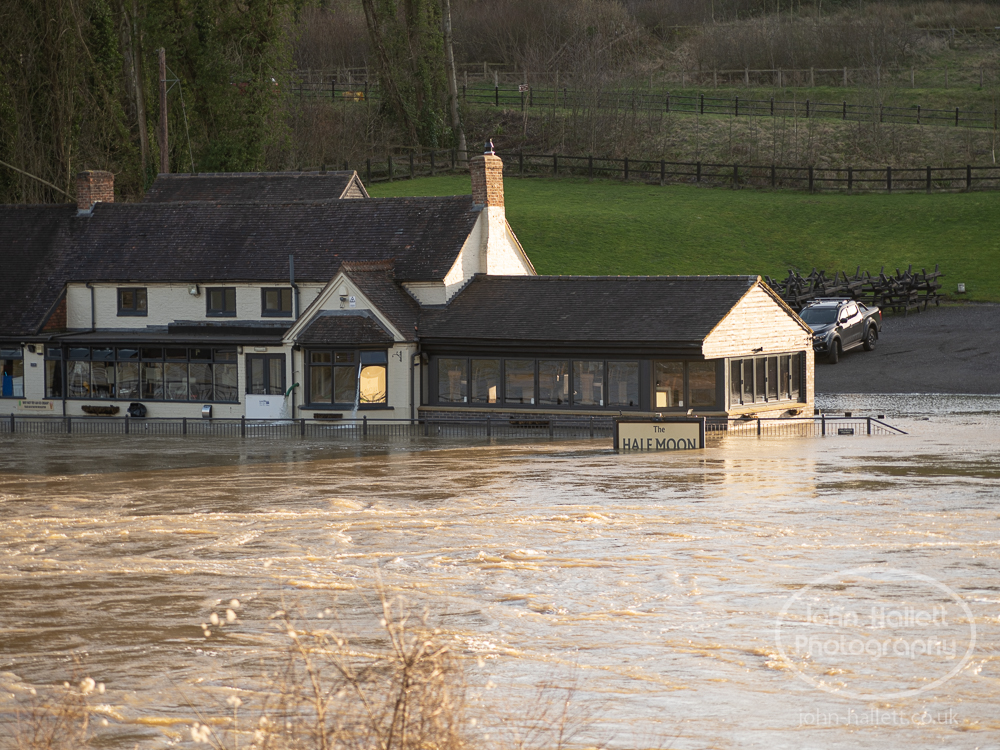
Living next to the River Severn in the Ironbridge Gorge, Shropshire, I am more than used to the annual floods when it bursts its banks causing misery for those living within the flood plain. However for many, many years the fact that it could rise so high as to cover the road in front of our house was only an anecdote supplemented with a small, grainy, black and white photograph taken by my Grandmother in 1947.

1947 floods at The Lloyds in the Ironbridge Gorge. The chain fence is at the side of the pavement of the road.

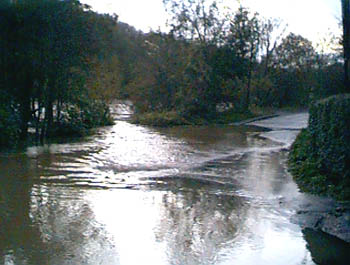
It wasn’t until the year 2000 when I actually saw it for myself and remember gingerly driving my car through the deepening water to try and get it back onto our drive after finishing work.

Year 2000 floods taken with a very early digital camera.

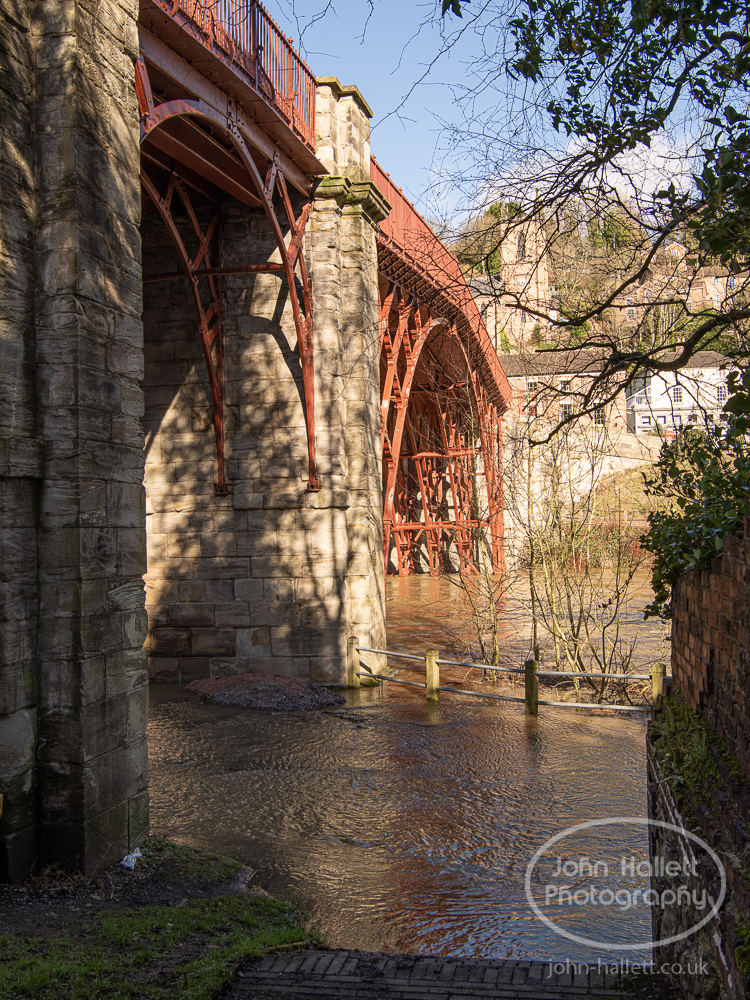
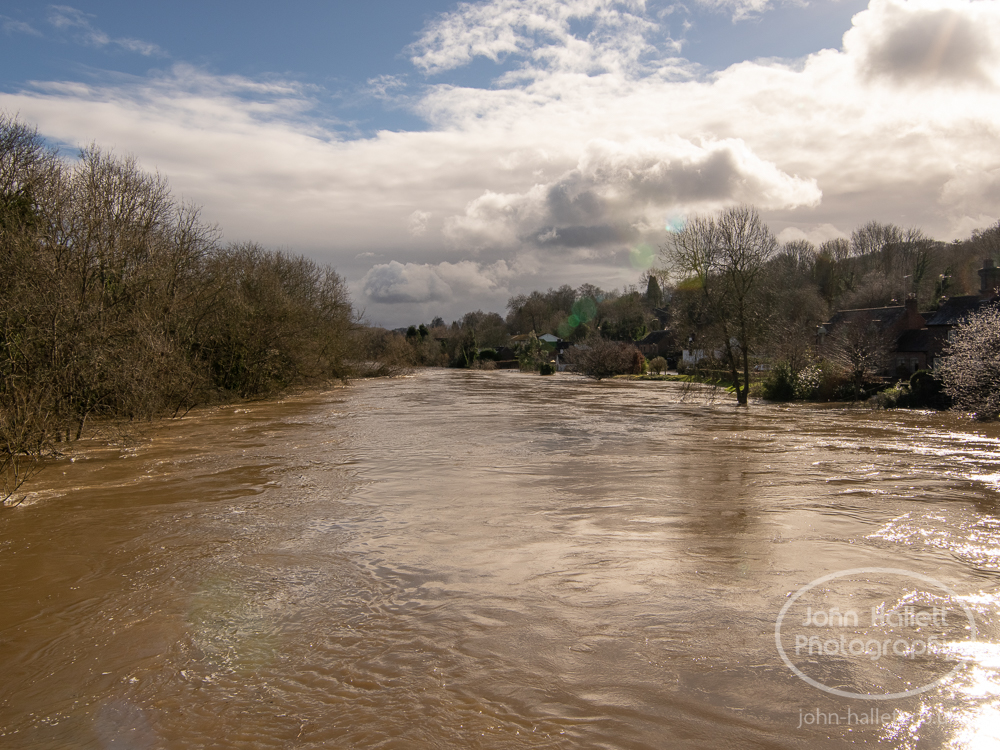
But then it happened again in 2020, again in 2021 and now again in 2022. The indications are that these ‘super floods’ are occurring more often. Global warming? Building on flood plains? Natural weather cycles? Who knows – and I suspect it will take a few more years to be truly certain whether this is the new ‘norm’.

Anyway, here are a few photographs from the February 2022 ‘super flood’ in the Ironbridge Gorge. The first outdoor shots with my medium format camera.

Bank Holiday walk

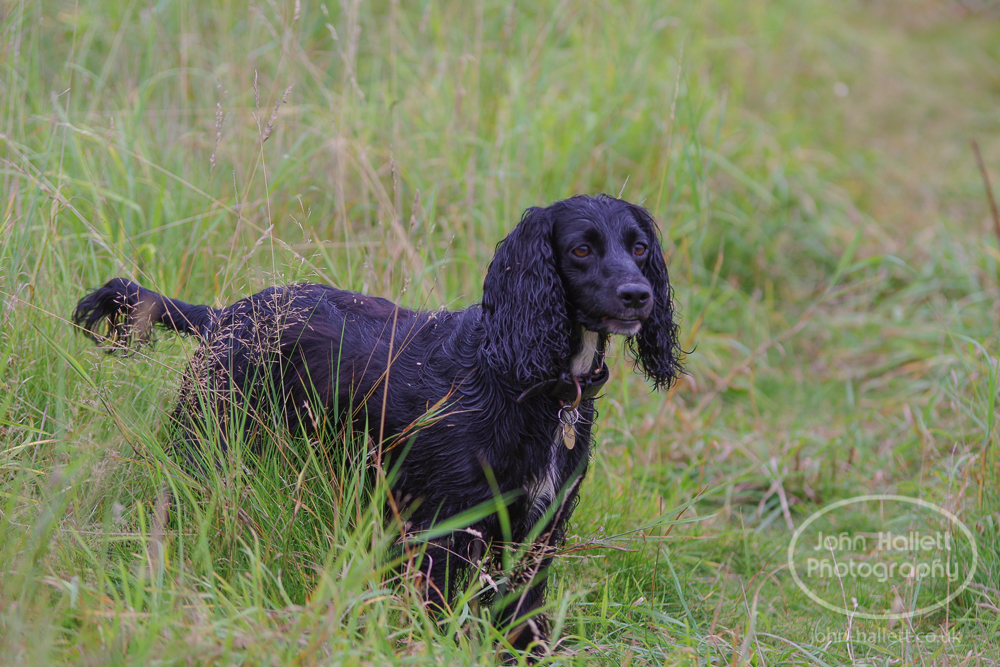
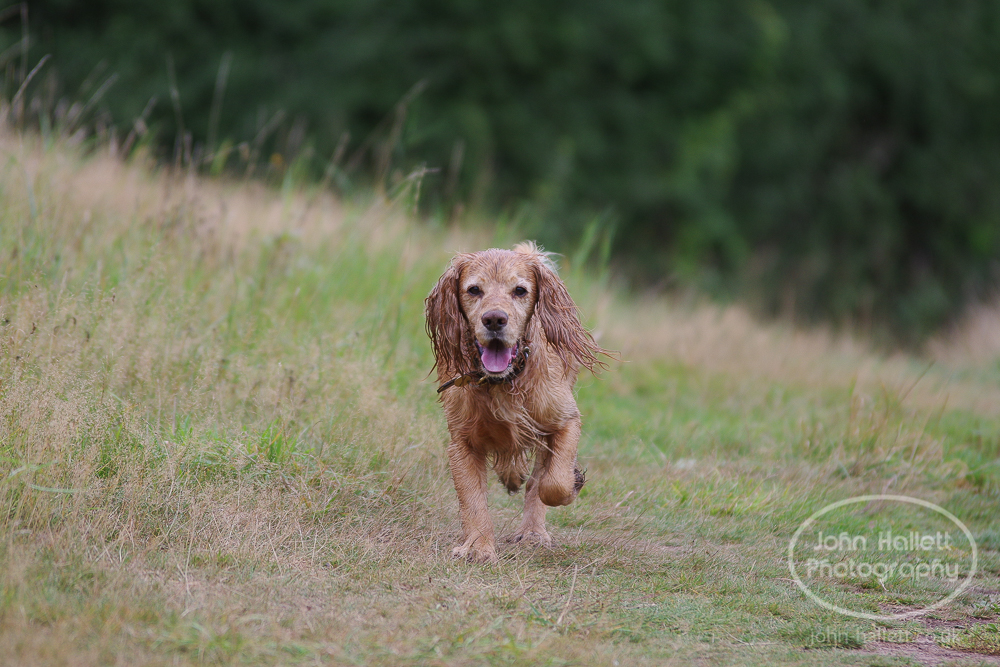
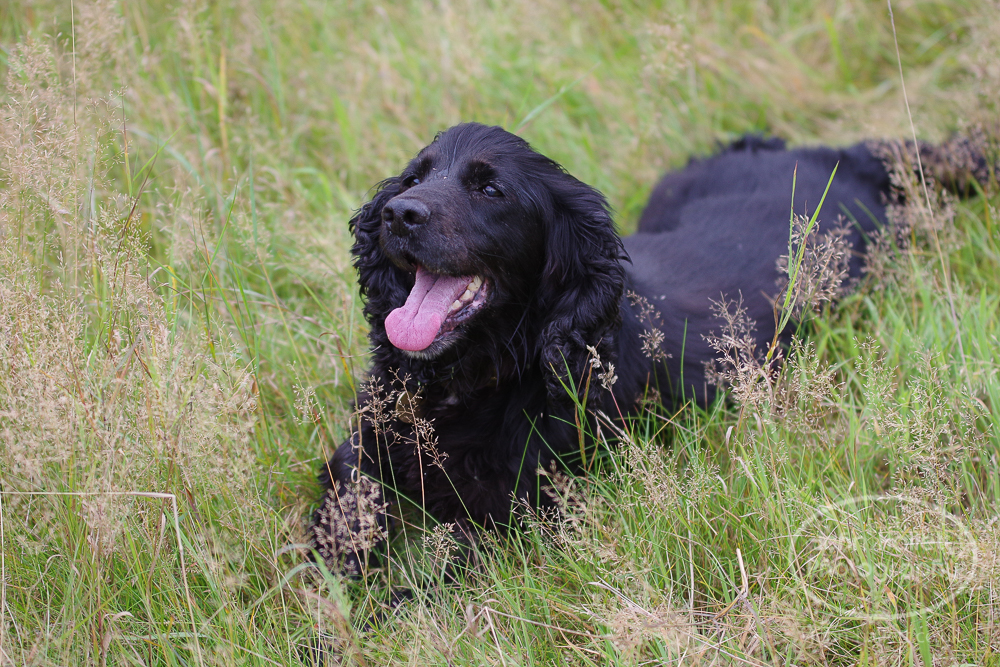
It was a rare Bank Holiday in that both Mrs H and myself were at home and so we decided to make to most of it and take the dogs for a change of scenery. We went on a dog-friendly walk close to Dudmaston Hall, just outside Bridgnorth, Shropshire, where there was a small (free) car park and the start of the walk was just over the road. It led around a large field down to a couple of ponds in the woods, around which was a well-kept pathway. The dogs certainly loved it (particularly the two who went swimming!) and it was pretty quiet so we will visit again when we get chance.