Those of a similar age and musical persuasion to myself will probably recognise the title of this blog post as an album by Australian rock band AC/DC released in 1980 (and not to be confused with the Amy Winehouse album Back to Black). However this is not about music but about creating studio photographs with the background in black (see what I did there?)
Back in the studio again now that the garden is tucked-up for the Winter.
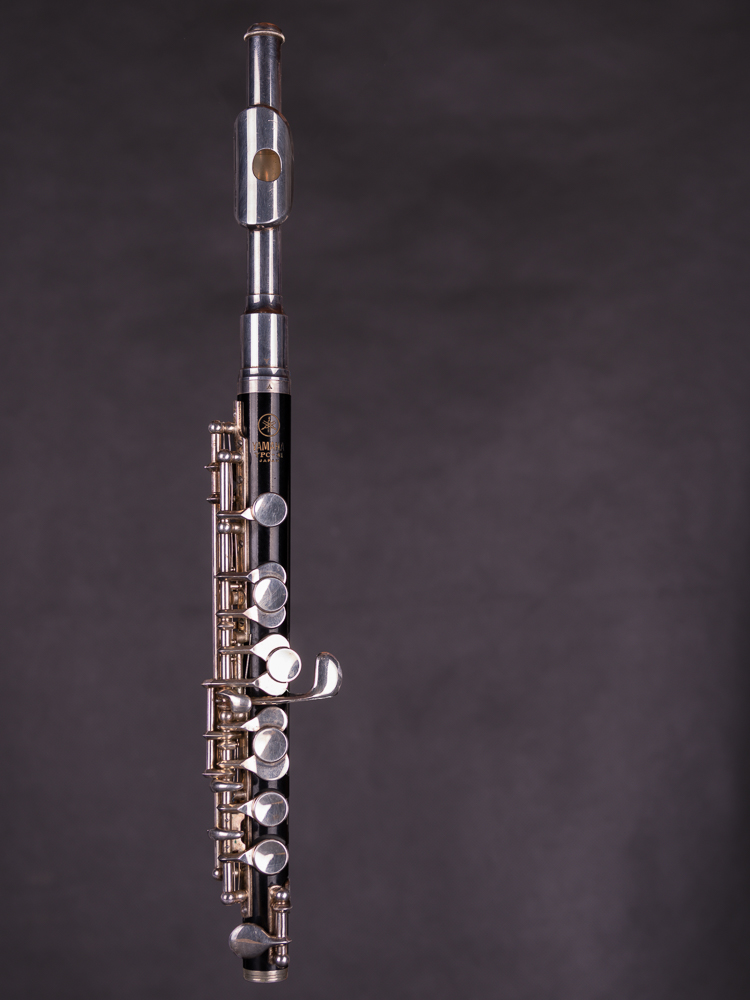
A piccolo is a small flute in the woodwind section of an orchestra or military band and plays exactly one octave higher than a normal flute – being the highest pitched instrument in that section. When I was at school (many years ago!) I played the flute and piccolo (the one pictured here) in the school and county bands, although I haven’t played either since then.
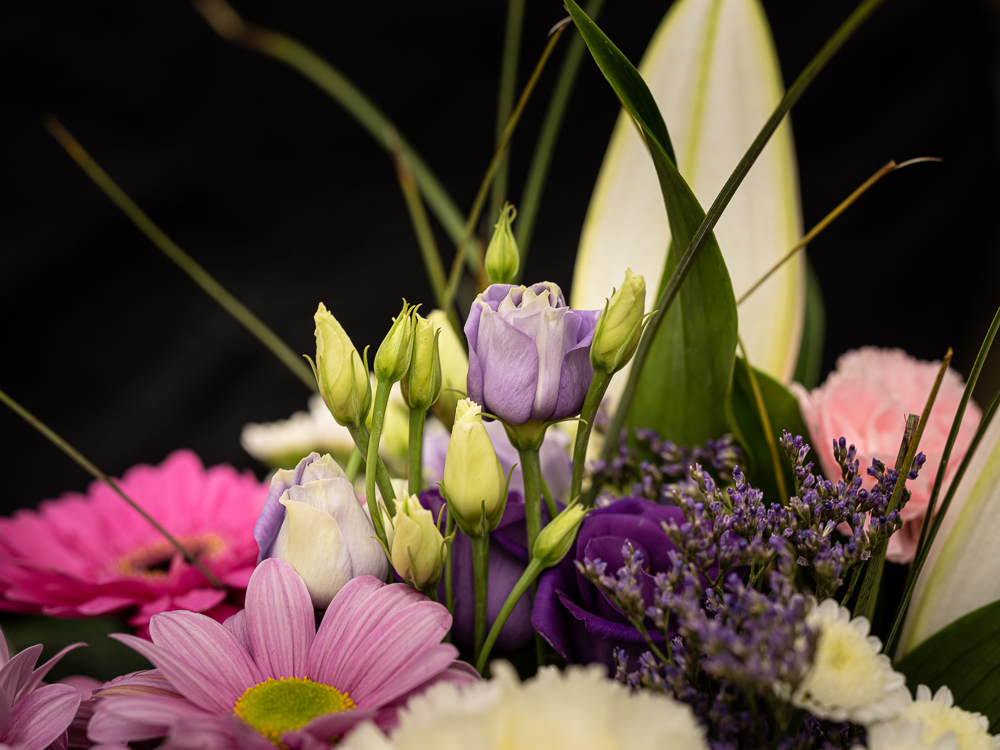
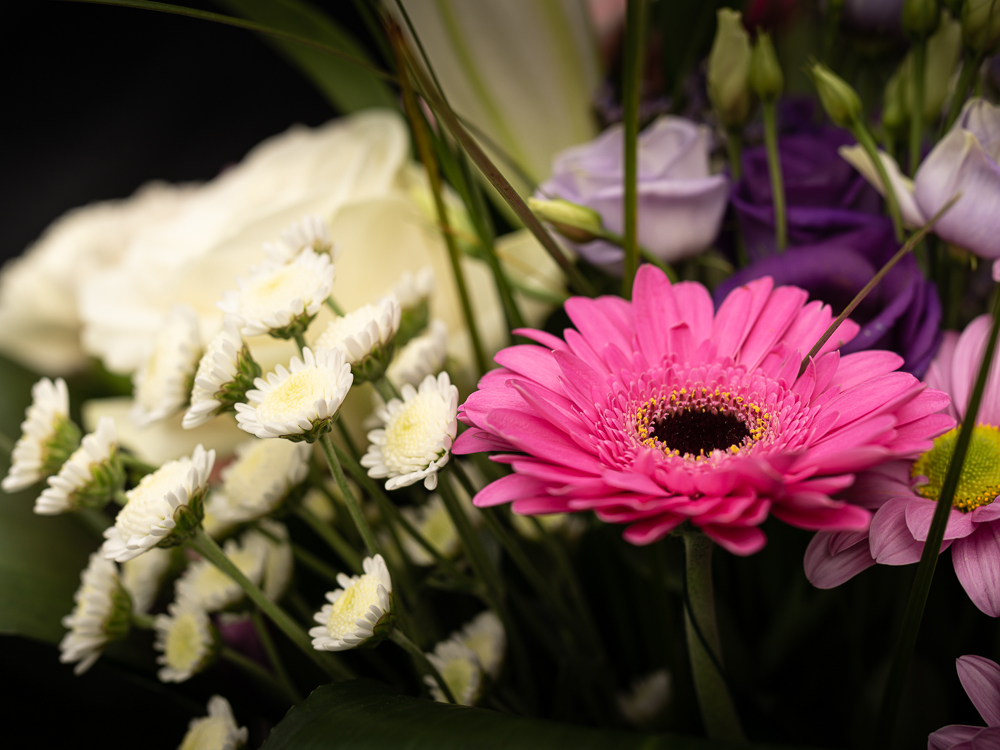
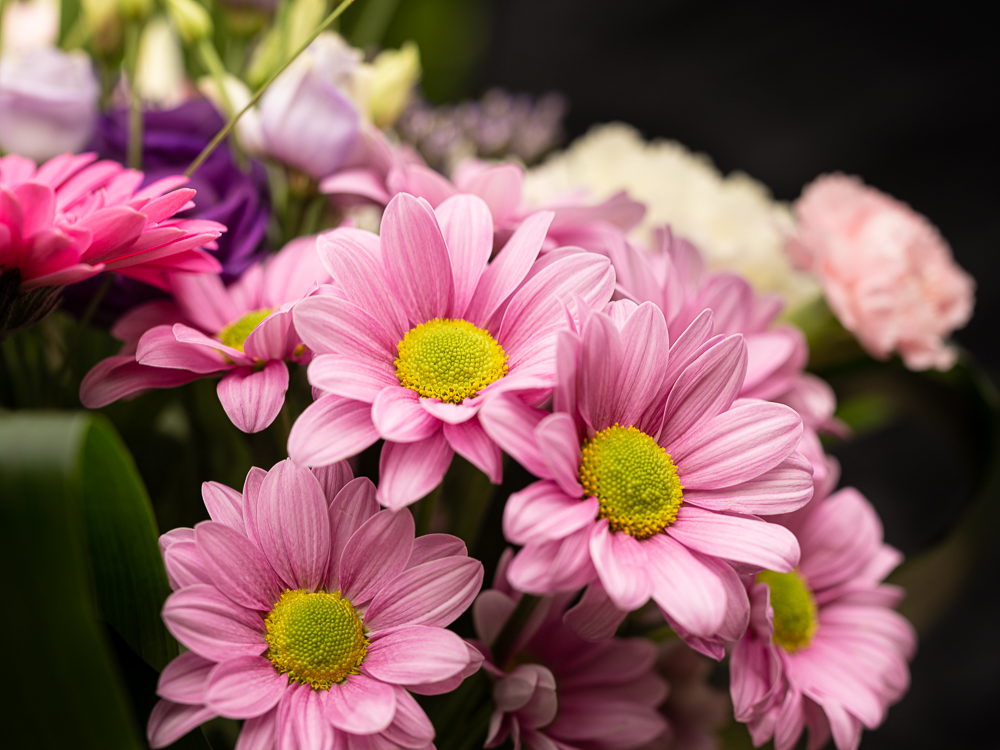
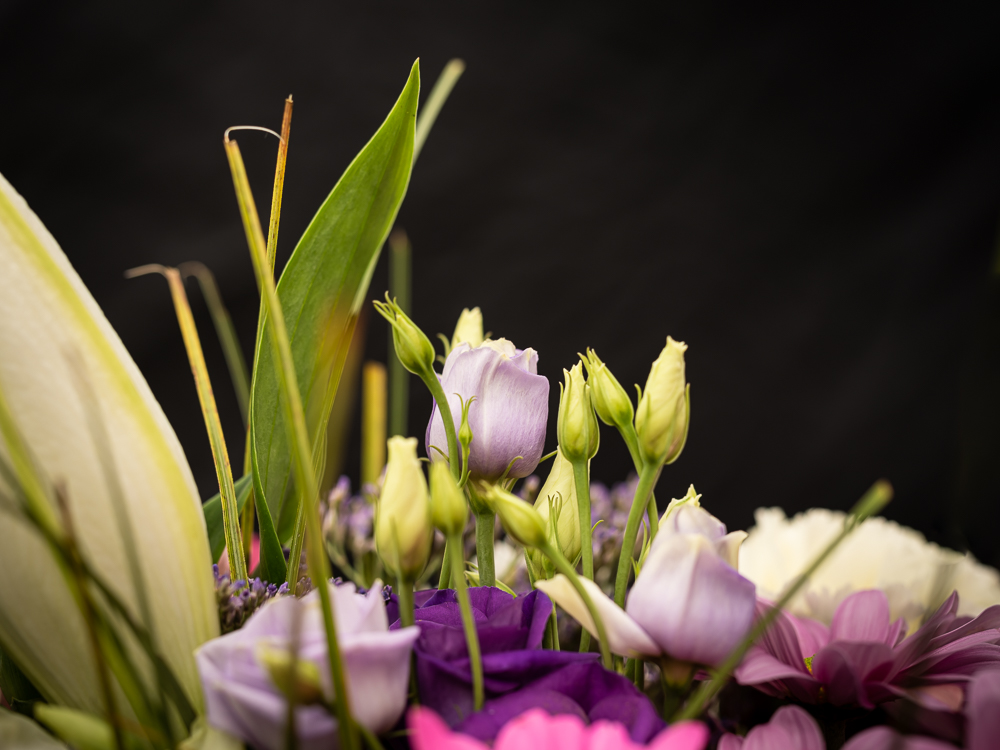
The bouquet gave rather more photographic opportunities that I initially imagined and so I have split this blog post into 2 parts. This second part highlights the shots that indicate that I was taking them against a black background, which I thought would accentuate the flowers rather than just using the greenery of the garden.
I used my collapsible 5-in-1 reflector, fitted with the black ‘flag’ cover, suspended with a studio lighting stand equipped with a spring clamp attached to the top. This works well as a background if you can get it far enough back from the subject to overcome the numerous creases that inevitably occur when it is folded. I have looked for a dedicated collapsible black background to eliminate this problem but they are all 1.5m – 2m in size and I can’t find one that is small enough to use easily outdoors. The search continues.
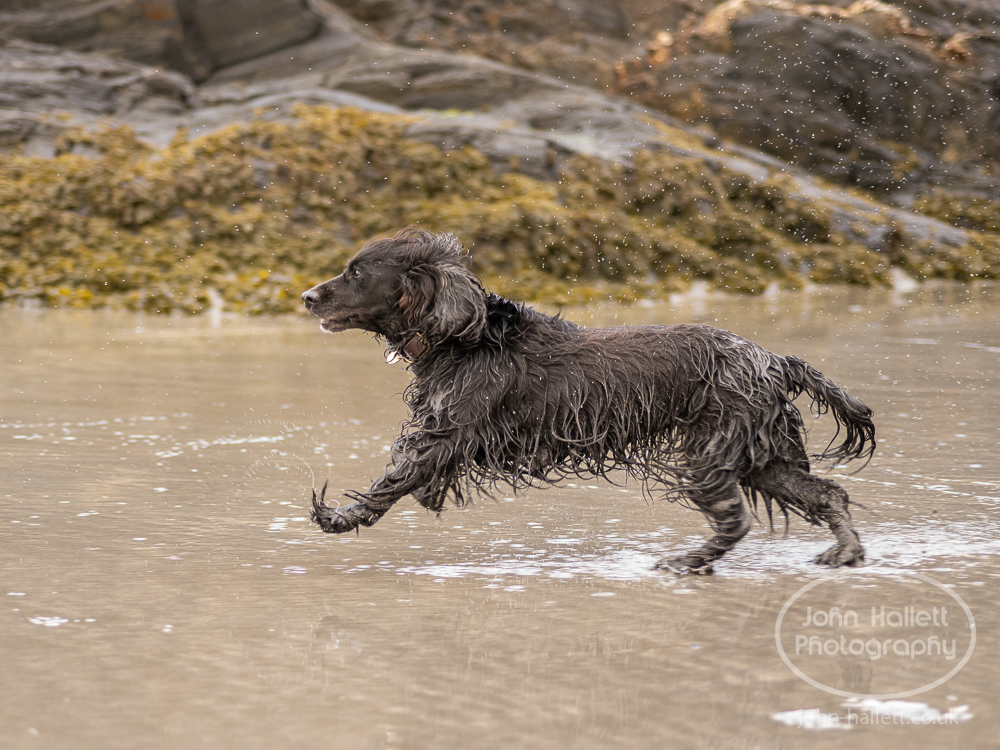
Pembrokeshire in South-West Wales is one of our favourite places, but with Covid restrictions limiting travel over the past two years it’s been too long since we’ve paid it a visit. But recently we managed to put that right and even though it was a fleeting visit due to other commitments we did manage to spend a few hours on Newport Beach (not far from Fishguard) with the dogs.
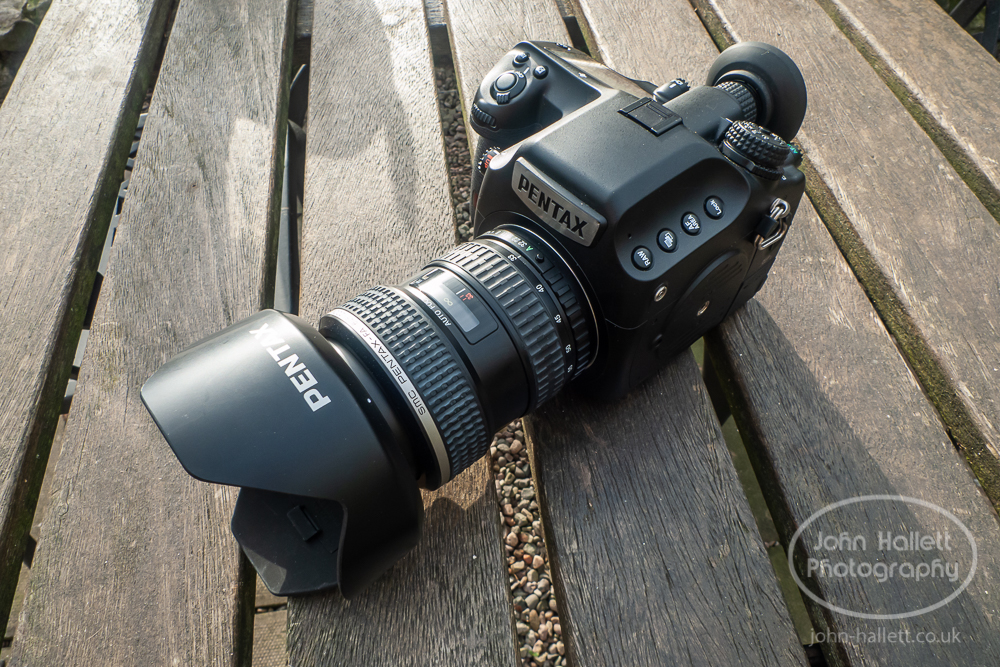
For some time now, I’ve been pondering whether or not to upgrade my studio camera (a 35mm equivalent DSLR). And now I’ve done it – and purchased a medium format body & lens.
Medium format cameras have long been used by professional photographers mainly for landscape and studio work, and the perceived benefits have been the subject of great debate on internet forums – even more so with the advent of mirrorless cameras. The main selling point of medium format is the size of the photosites on the (larger) sensor that captures those all-important megapixels. The bigger the photosites, the more light (or data) the sensor collects.
Some say that medium format has a ‘look’ that makes it distinctive and refers to aesthetic qualities such as depth-of-field, sharpness and colour – but this is all subjective and is difficult to prove given the inherent variations in comparative camera systems.
This is all something that I’ll be investigating over the coming months. I have used 35mm cameras (film followed by digital) ever since I became seriously interested in photography in my teens. Medium format was just a dream because of the relative expense of the systems. Now it’s time to fulfil that dream, and I’ll report back with my thoughts.
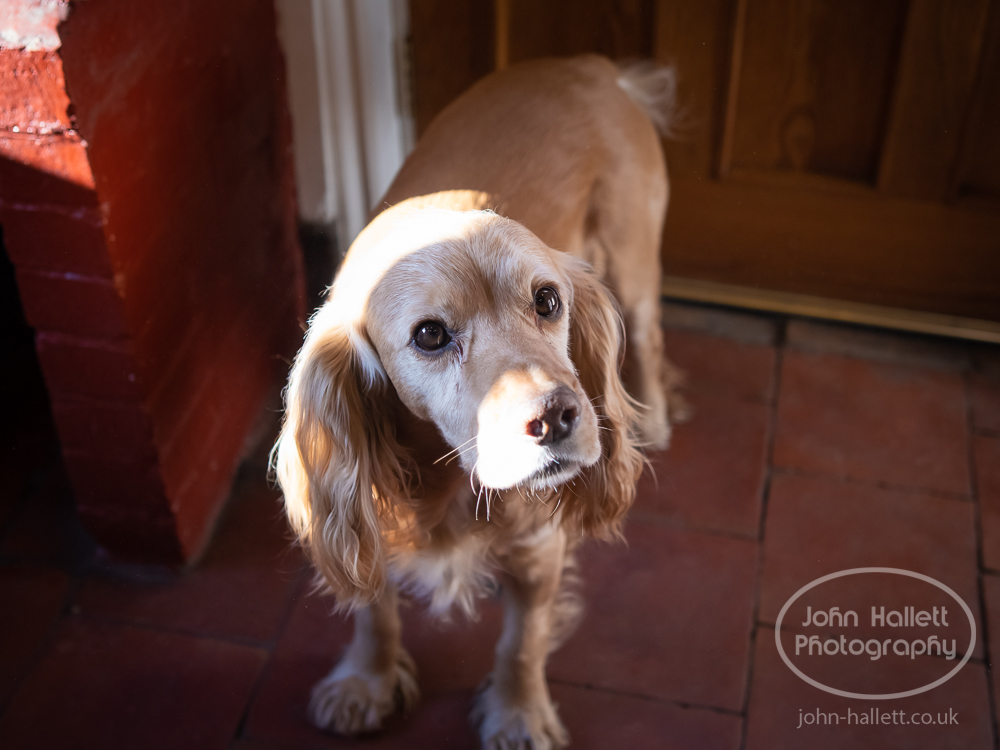
First shot out of the camera 1/320s, f/4.5, ISO2500



 Ironbridge Images