
Dusting the cobwebs away

Silver Web

After a 5 month respite whilst I concentrated on some non-photography projects, I’m back & ready to dust the cobwebs off my camera and to update this blog on a more regular basis. So what’s happened in the photography world whilst I’ve been away?

Cameras: There have been numerous new, or face-lifted, cameras launched, but only one that really intrigued me; the Sigma BF – a superbly minimalistic camera, so unusual that at first I thought that it was an April Fools joke. But no, it’s a full-frame, mirrorless, 24.6mp camera that takes interchangeable lenses. Is it any good? I’ve got no idea , but it looks….. different.

Digital birthday: The digital camera had its 50th birthday (the prototype launched in 1975). Some thought that it was a fad that would never take on. How wrong they were, there is now only a handful of film cameras that you can buy new.

Software: Adobe increased the monthly subscription of their Photography Plan by a whopping 50%, although by paying annually in a lump sum, you can retain the old price….. for now.

Magazines: Yet another photography magazine bit the dust: Digital Photographer’s last issue saw the end of 23 years of publishing. There are only a few photography magazines left now, but how long will they last? And how do young up-and-coming photographers hone their skill – can they really get factual, unbiased information from social media and YouTube?

AI: Artificial intelligence (AI) is getting more and more sophisticated, rendering the creative production of photographic scenes largely redundant; why spend hours painstakingly positioning props and lights when you can just conjure the scene up in seconds using AI programs such as DaVinci (even if most of them still look fake)? I can only hope that the AI bubble will burst and ‘real’ photography will reign once again, sometime soon.

What do you think about changes in the photography world over the past 5 months?
Leave a comment

Red Fuchsia

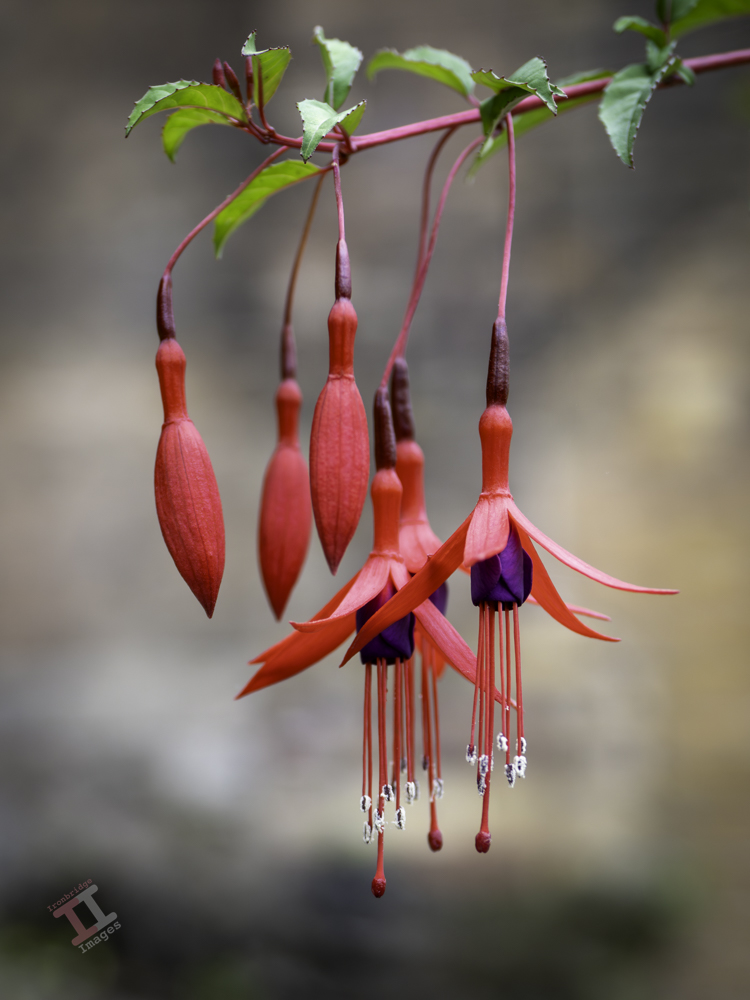
I haven’t done much flower photography recently – and certainly not since I changed cameras to the Micro-Four-Thirds Olympus OM-D E-M1 Mark III, with its M Zuiko 12-100mm f4 IS PRO lens. However, as I passed by a flowering fuchsia in one of our garden planters the other morning, I felt that is was really worth a photograph and so tried the above combo to see how it turned out.

Hand-held at 1/100s and ISO250, I am very pleased with the result. It is quite sharp with minimal noise and at f/4 it has made the background brick wall nicely out-of-focus.

I really should do more of these flora shots, particularly whilst the garden is in full bloom.

Red Fuchsia

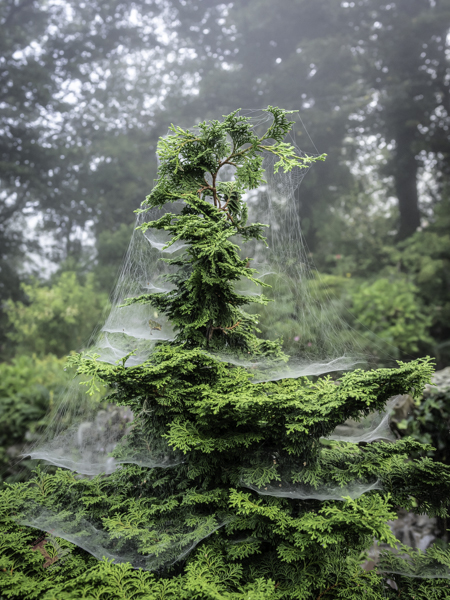
Oh what a tangled web

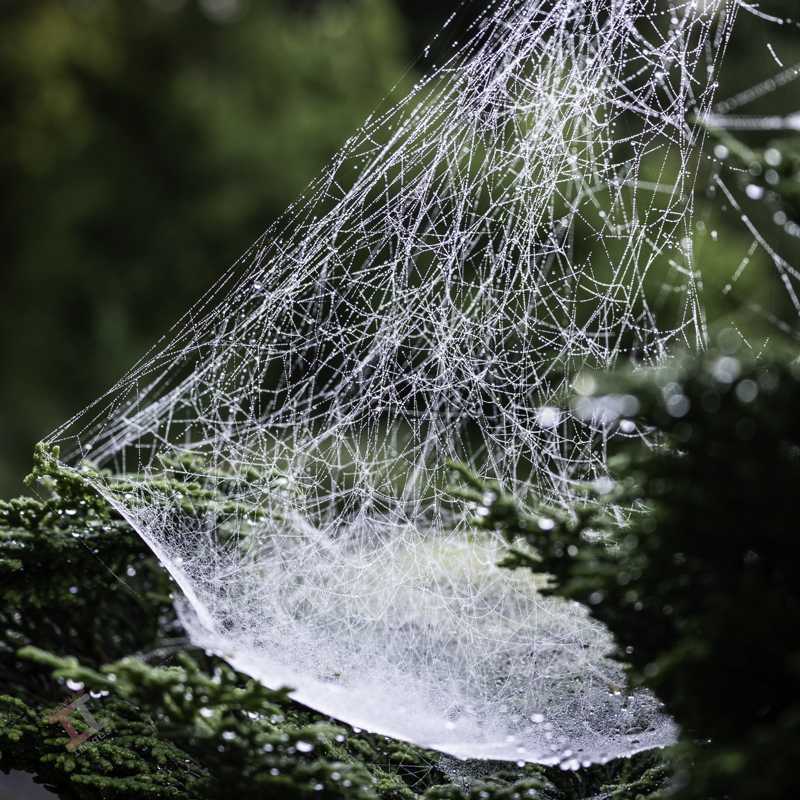
Or so the saying goes. But probably not as complex as this multi-storey web that greeted me this morning, the silken fibres accentuated by the fine water droplets from the mist-laden air.

Now, I’m not sure if this is the work of one spider who has claimed the entire conifer bush or whether there are multiple tenants in occupancy, but it is very impressive – although perhaps not if you suffer from arachnophobia!

Oh what a tangled web

There are over 650 spider species in the UK, but not all of them make webs (the others are ‘sit and wait’ hunters). It only takes about an hour for a spider to spin the average web, and they often make a new one each evening (maybe that explains why there are so many here). Contrary to popular belief, they are not just for catching prey; they are also used to attract a mate and, later on, protect their young.

‘Oh what a tangled web we weave / When first we practice to deceive’ is from a poem; ‘Marmion: A Tale of Flodden Field’ by Scottish author Sir Walter Scott (1771-1832).

Blooming garden

With June just around the corner the flowers are blooming almost as well as the weeds are growing. Here are a few photographs from another early morning walk around the garden;

Meadow crane’s-bill Geranium

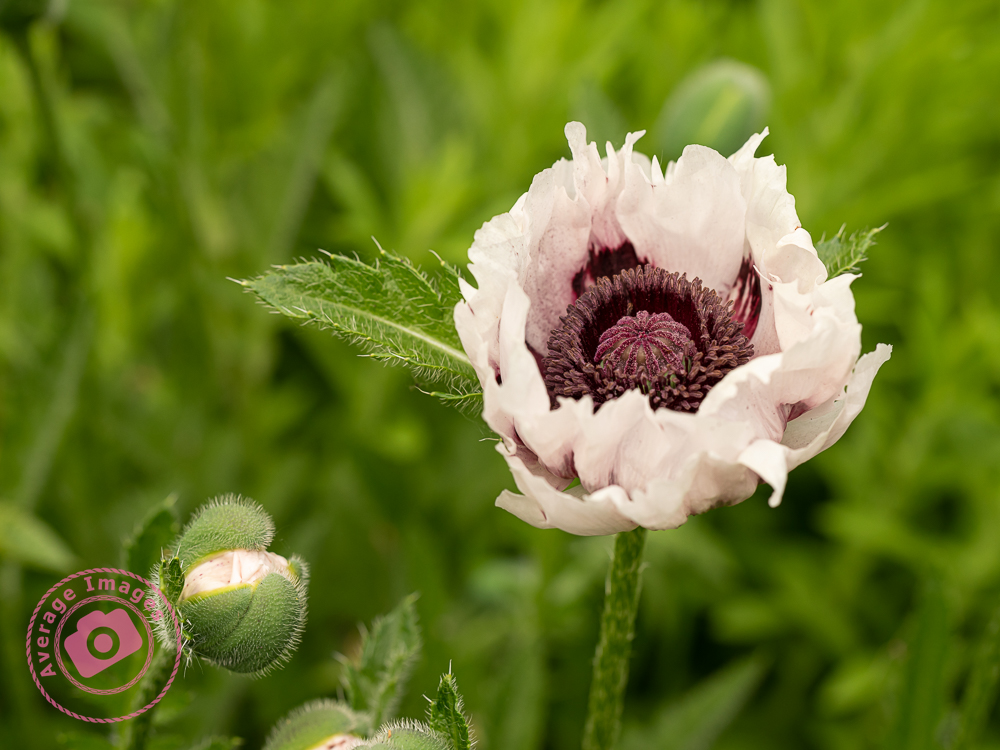
Oriental poppy Papaver
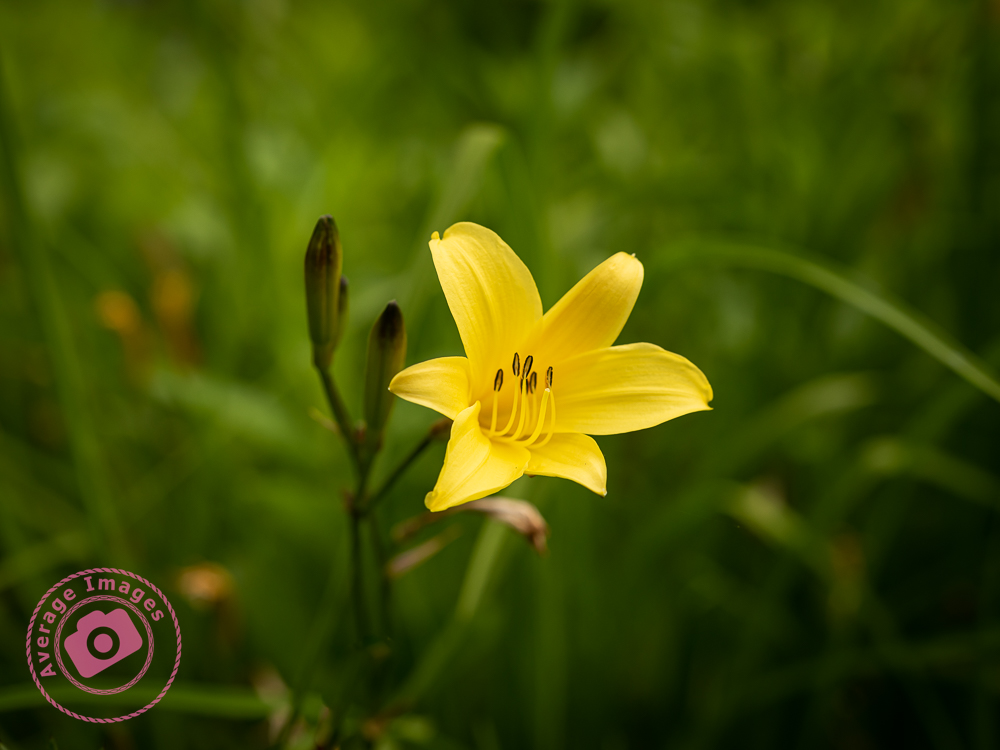
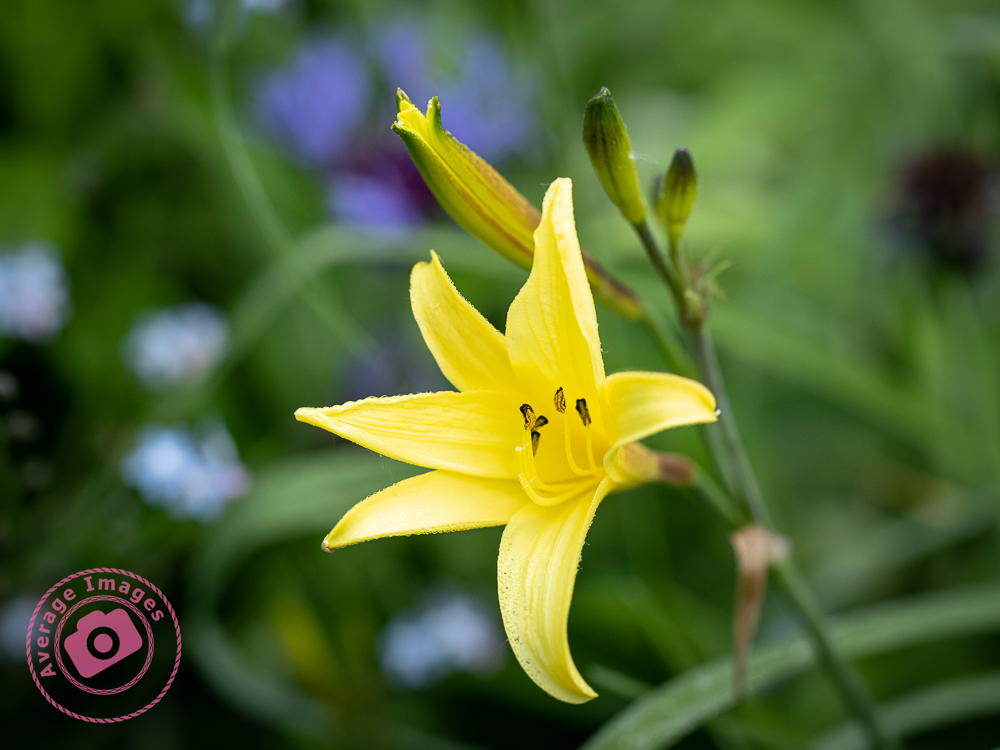
Yellow daylily Hemerocallis liloasphodelus
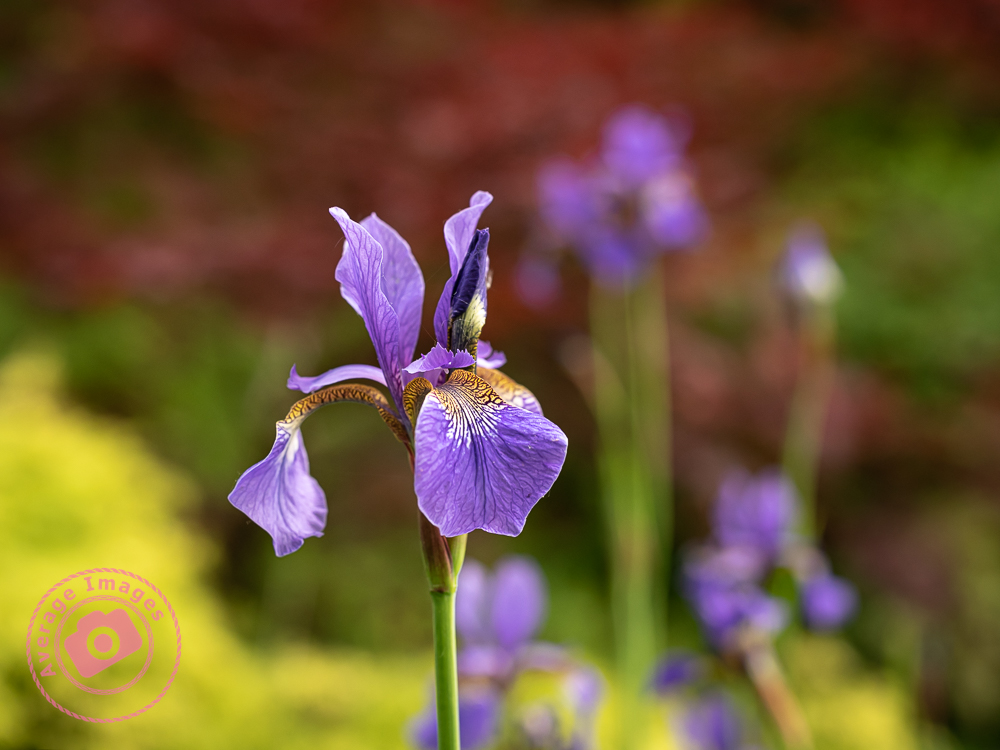
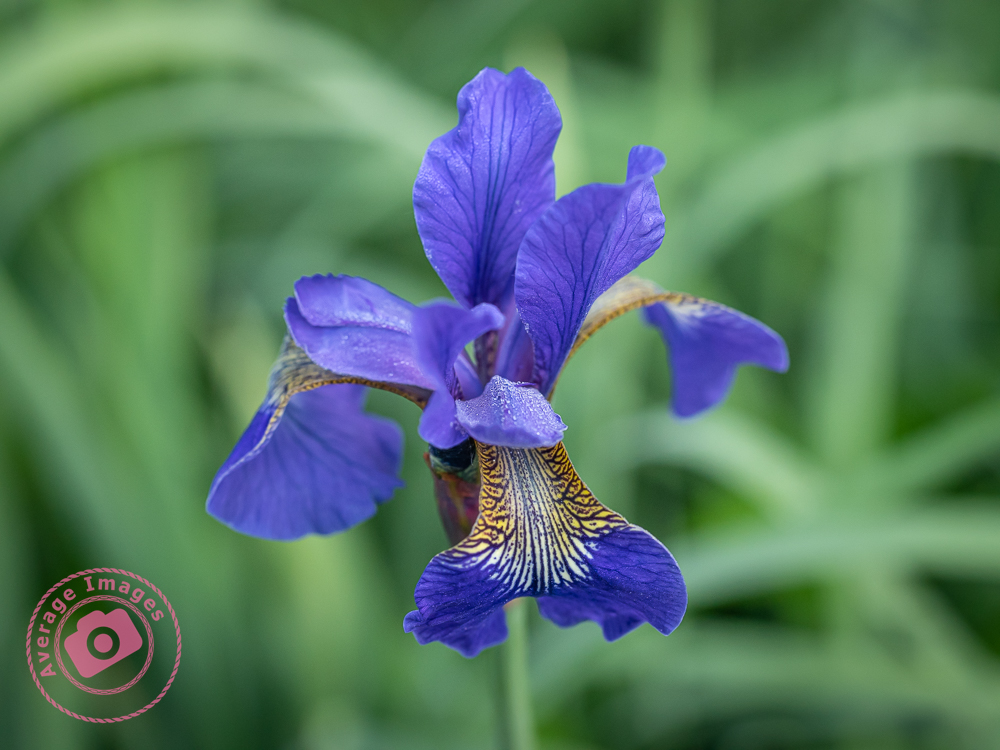
Siberian iris Iris sibirica
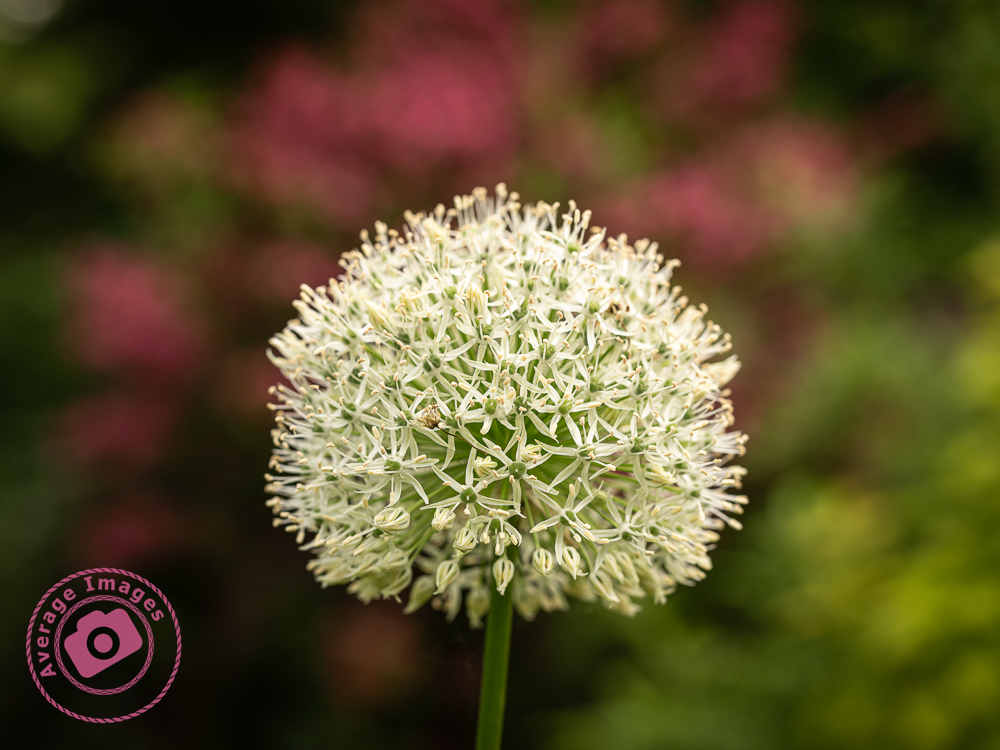
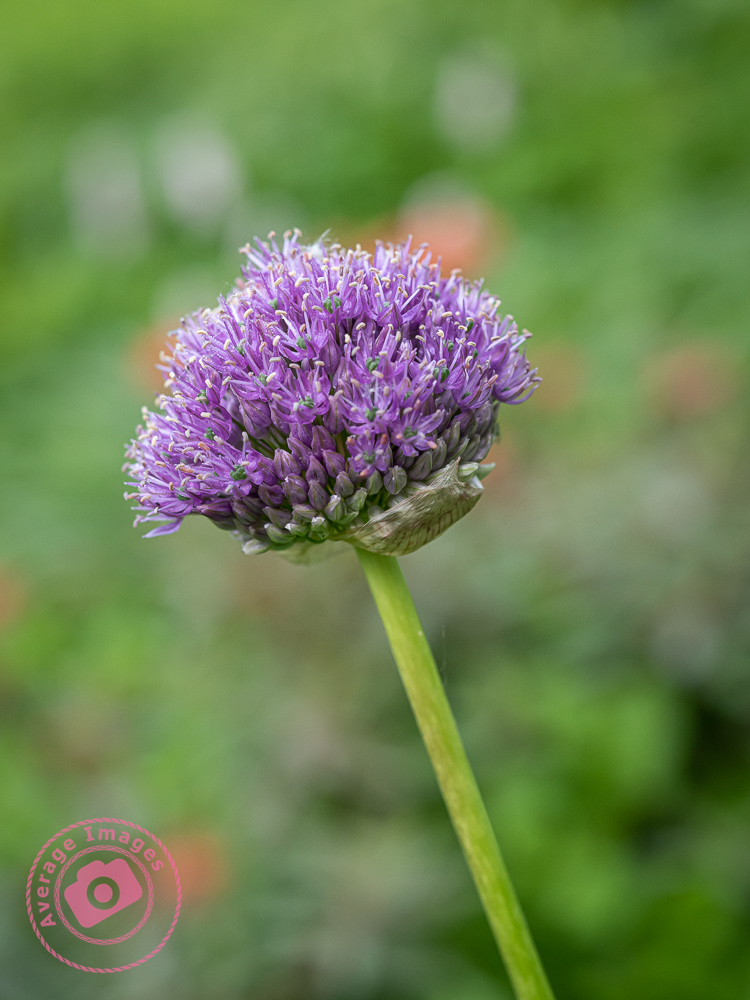
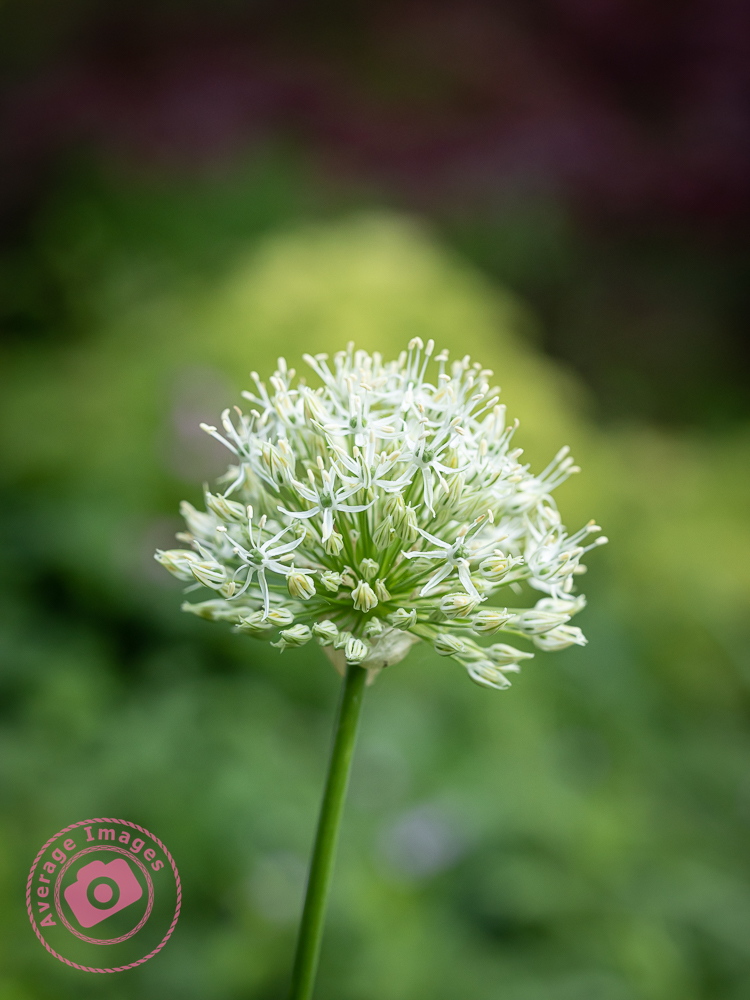
Giant onion Allium gigantium

Early morning garden photography

With Summer weather finally upon us (for a short time, at least), I have been spending most of my weekends in the garden, usually mowing and strimming grass and weeds. During this time, I have noticed several blooms that deserve to be captured photographically, but any time after about 10am the sun is just too strong and bright to do them any justice. Therefore I was out at 7am taking the following images before I set off to work.

Yellow daylily Hemerocallis

I should mention that I am currently utilising the style of flower photography extolled by the photographer Dirk Ercken; in other words, I don’t use a tripod and hand-hold the camera whilst attempting to find the best background. Focussing is achieved by fine movements backwards and forwards to get the desired chosen part of the flower in focus. Numerous shots are taken to optimise these fine differences in the focal point so that the best image can be chosen in post-processing.

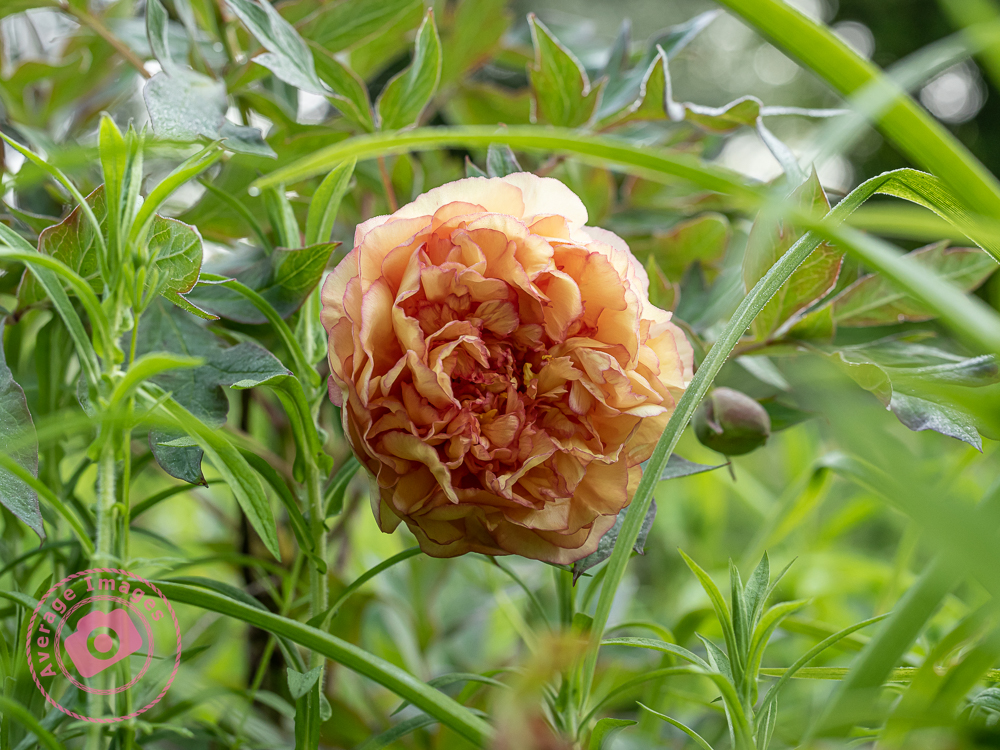
Tree peony Paeonia

Not being tied to a tripod makes the composition much more fluid, and I am enjoying the process far more – even though it goes against the more commonly held view that tripods and clamps should be used to minimise any camera or subject movement.

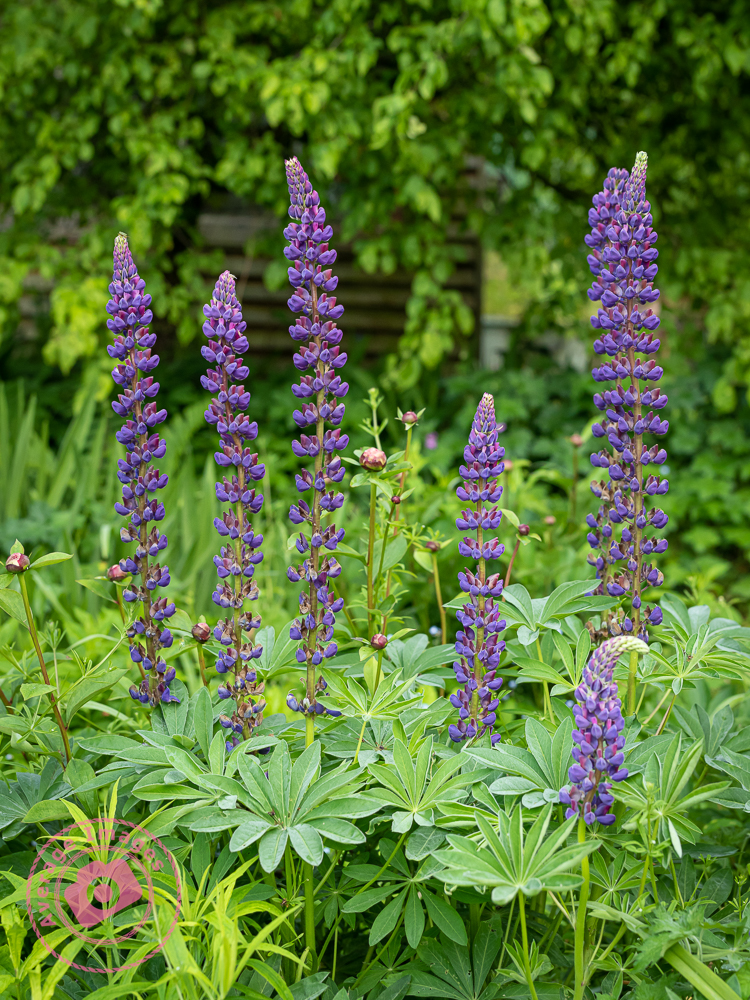
Garden Lupine Lupinus
Siberian Iris Iris sibirica

More of my early morning garden photography session will follow shortly…

Leopard’s Bane

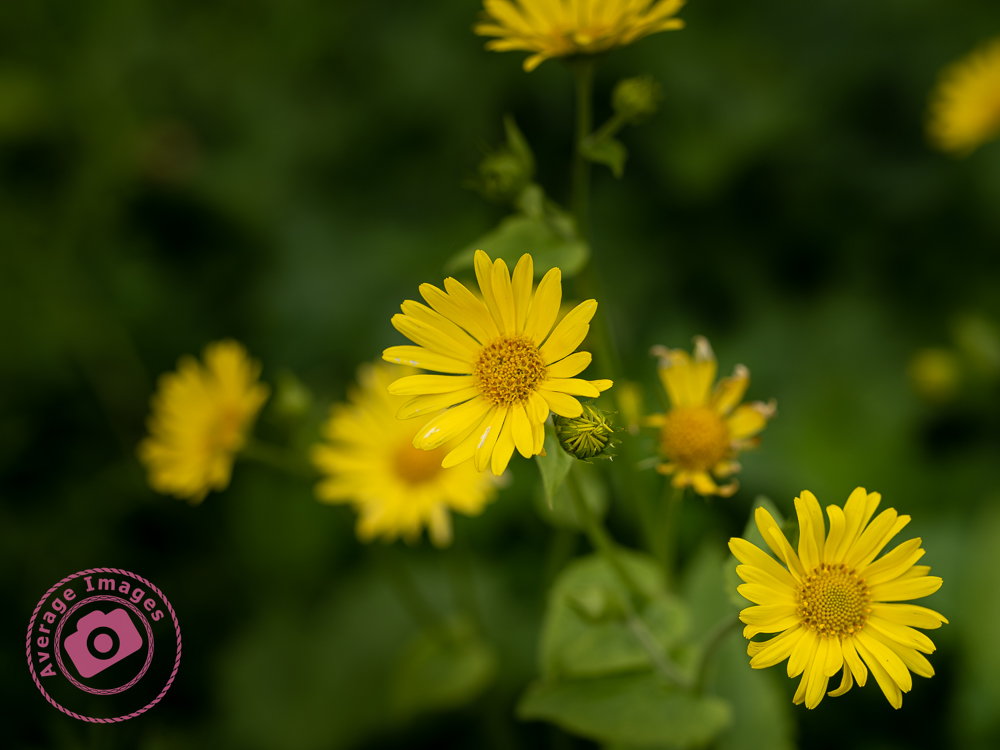
Leopard’s-bane is a perennial in the daisy family and grows almost like a weed in our garden.

Leopard’s-Bane Doronicum pardalianches

It is so-named (allegedly) because all the plants in this genus were once thought to be poisonous to animals, although why leopards were singled out is unclear.

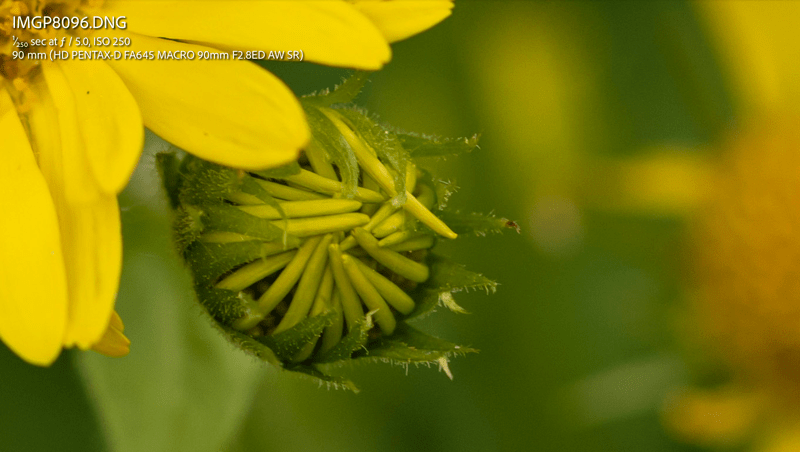
When I view the image in detail I am still not overly happy with the focal sharpness which, I think, is due to me still not fully appreciating the reduced depth-of-field that you get with medium format in comparison to full frame or APS sensor cameras.

Don’t get me wrong; considering that it was a hand-held shot, when viewed at 200% (see below) the selected areas are tack sharp – it’s just that the depth of focus isn’t there and this requires some further learning on my part.

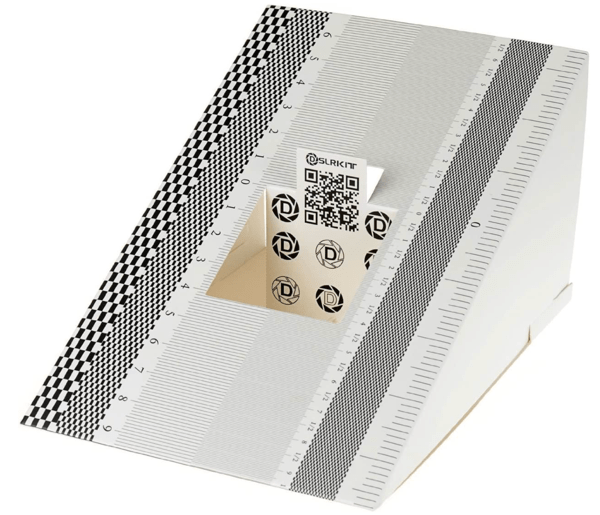
To this aim I have ordered a simple focus target wedge so that I can run some trials with each lens in order to understand the depth of focus at different apertures for each one.

I’ll publish the results of these trials once complete.

Keeping the doctor away

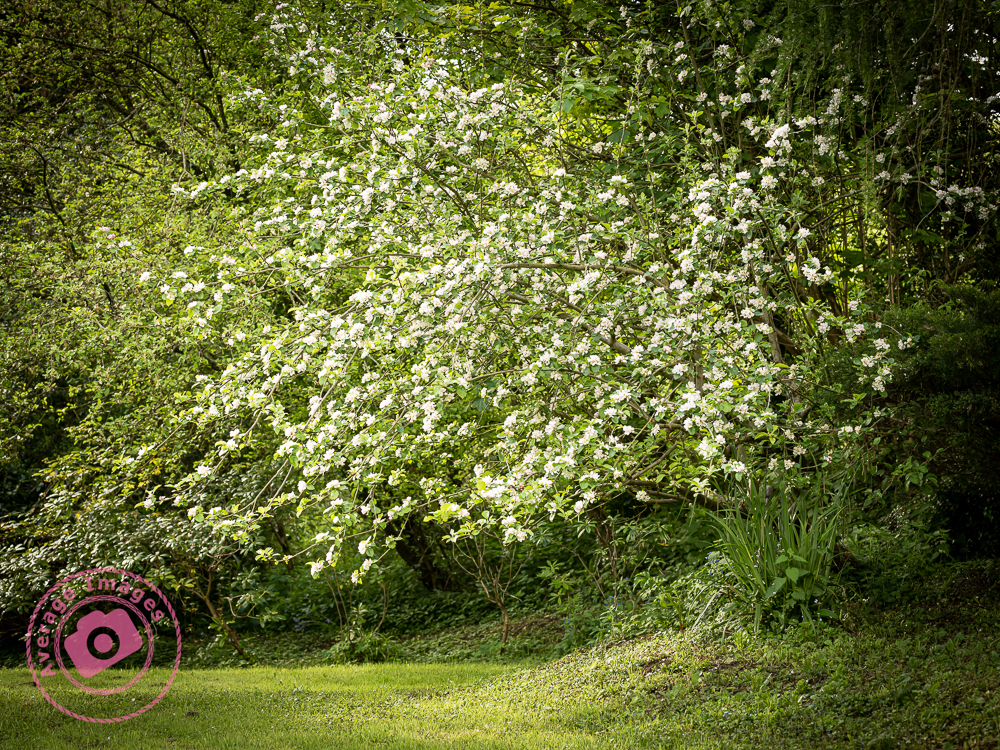
If the old adage is to be believed there will be no medical practitioners visiting Average Images this year given the quantity of apple blossom on our trees. Assuming, of course, that they all get pollinated and turn into fruit. This cooking apple tree is the last of our apple trees to have flowers – strange how they blossom at slightly differing times – presumably Natures way of maximising the pollination period.

The apple tree in blossom

Actually the earliest variant of this saying is from Pembrokeshire, Wales recorded in 1866:

Eat an apple on going to bed, and you’ll keep the doctor from earning his bread

Only 20 years later and it had become:

An apple a day keeps the doctor away

Modern scientific analysis seems to conclude that there are some health benefits with eating an apple on a daily basis – but surely eating any fresh fruit and vegetables can only be good for you?

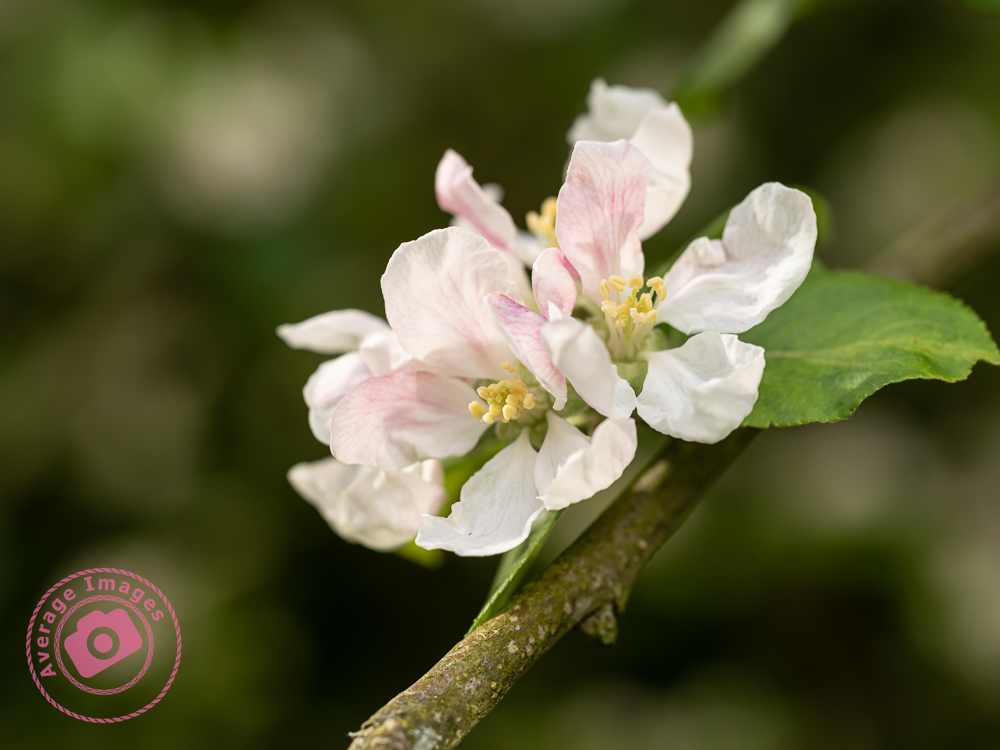
Apple blossom close-up Malus pumila

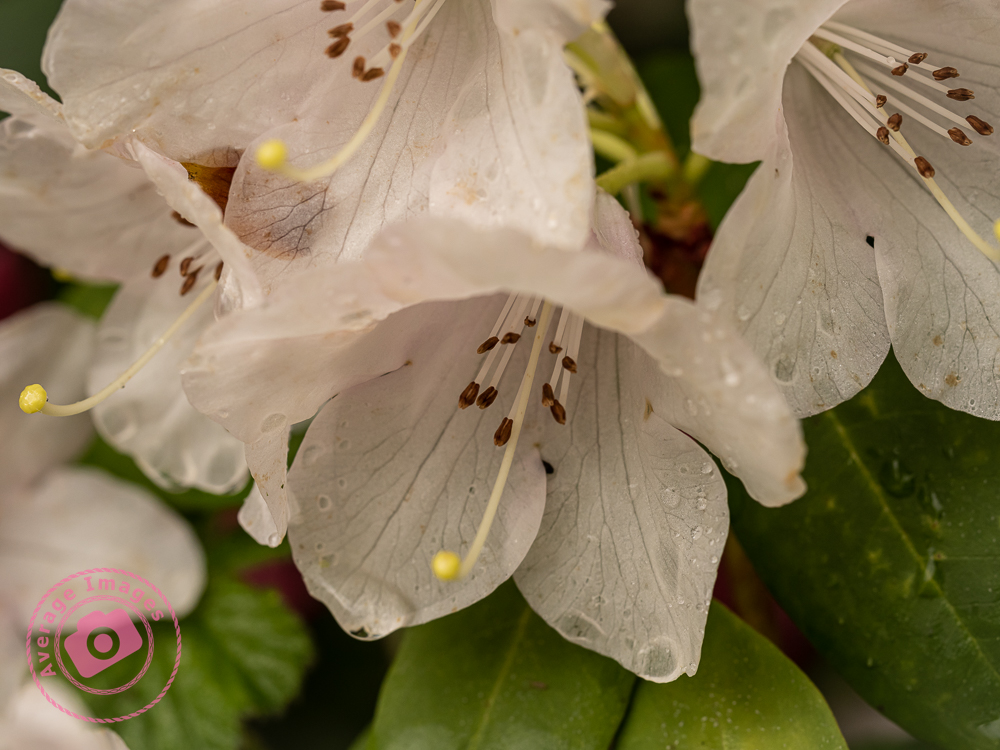
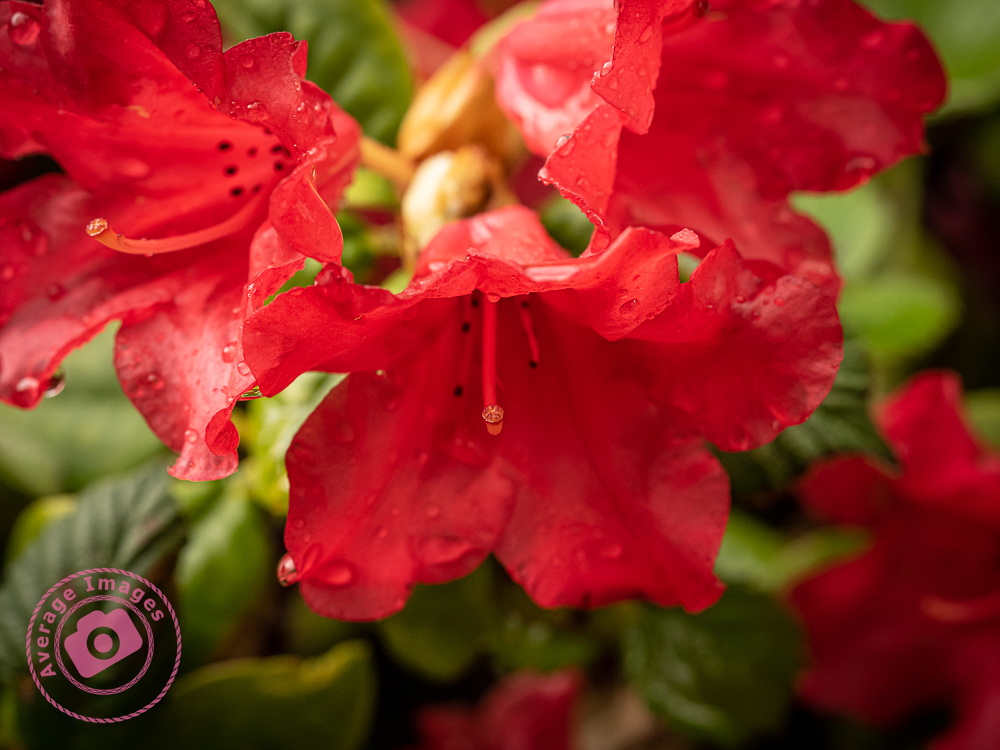
Azalea or Rhododendron?

Often confused, the two plants are actually closely related, with the azalea being part of the Rhododendron genus. It can be difficult to differentiate between the two although there are some general identifying traits:

Azalea:

  • Generally a smaller shrub, 4-6 feet tall.
  • Flowers are more funnel-shaped (as opposed to bell shaped)
  • Flowers have fewer (5-6) stamen (the long parts that stick out of the centre of the flower)
  • Thin, soft, sometimes hairy, leaves
  • Many, small stems
  • Most are deciduous (shed their leaves in the Autumn)
Azalea or Rhododendron?

Rhododendron:

  • Thick, leathery leaves
  • Many stamen (often 10 or more)
  • Flowers often clustered together in trusses
  • Stout stems
  • Usually evergreen
Azalea or Rhododendron?

Are these photographs of Azaleas or Rhododendrons? I’ll let you decide.

Easter shots (2 of 2)

Here are a few more garden photographs taken over the Easter weekend. These were all taken with an 80-160mm lens plus a 2x teleconvertor in order to separate the subject from the background. The trade-off is that the images are rather noisy when magnified.

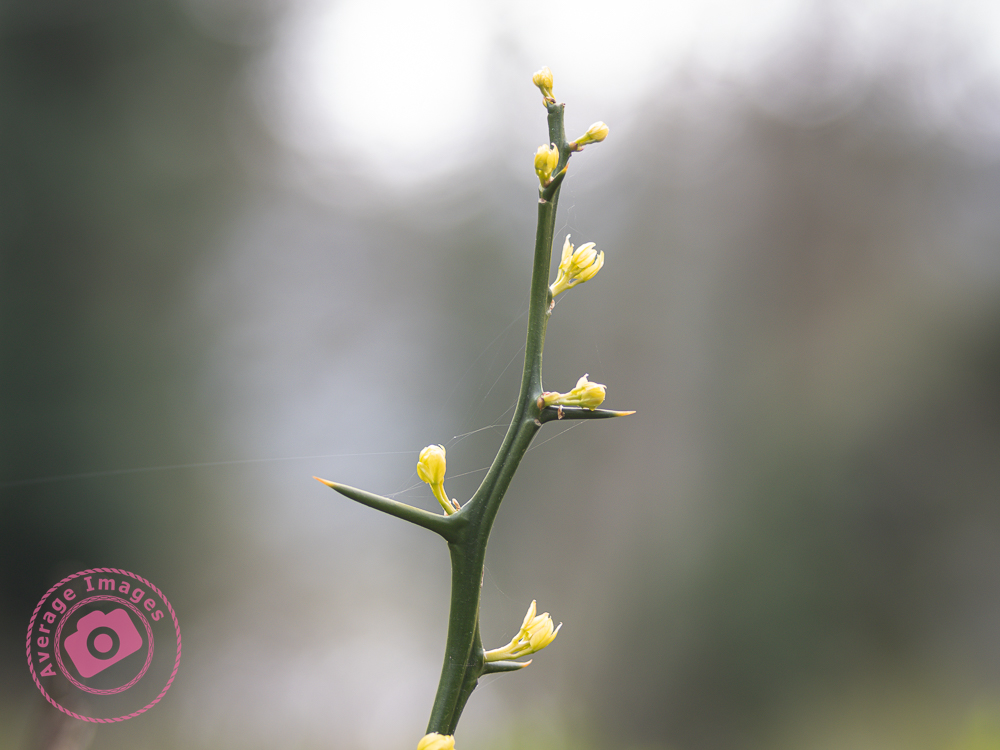
Trifoliate orange Citrus trifoliata
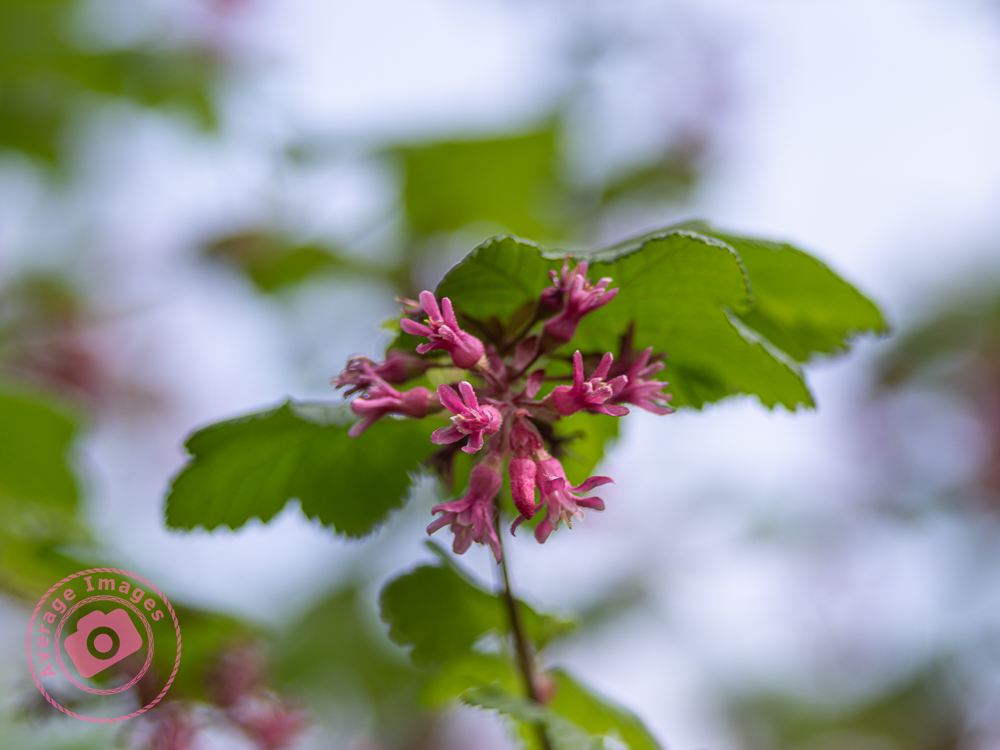
Red flowering currant Ribes sanguine
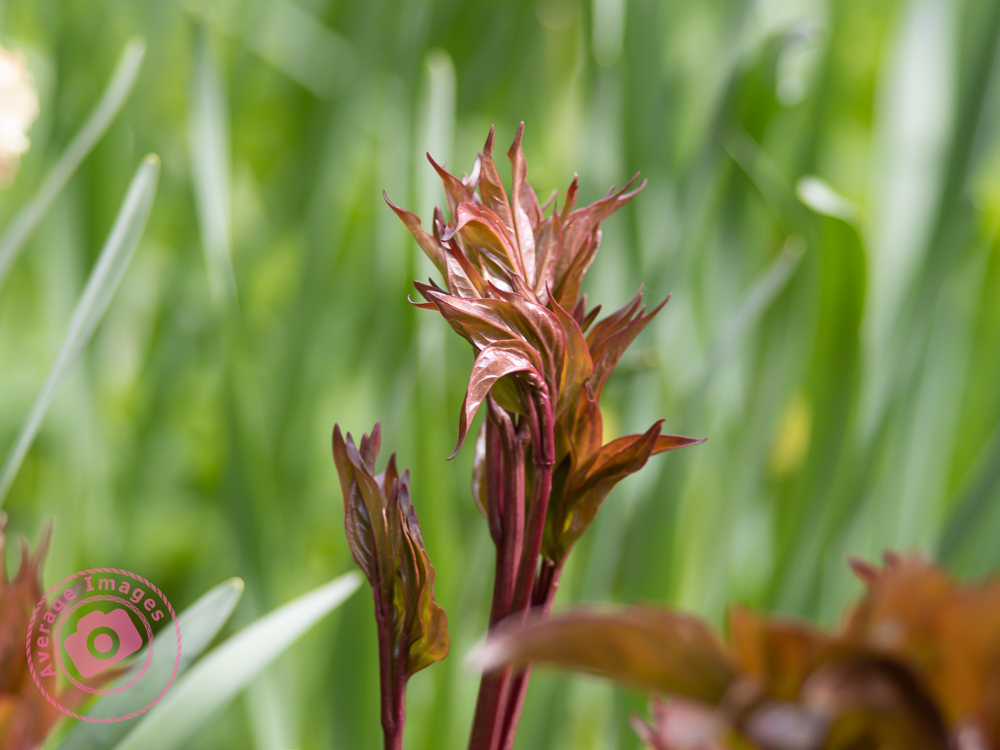
Common peony Paeonia officinalis
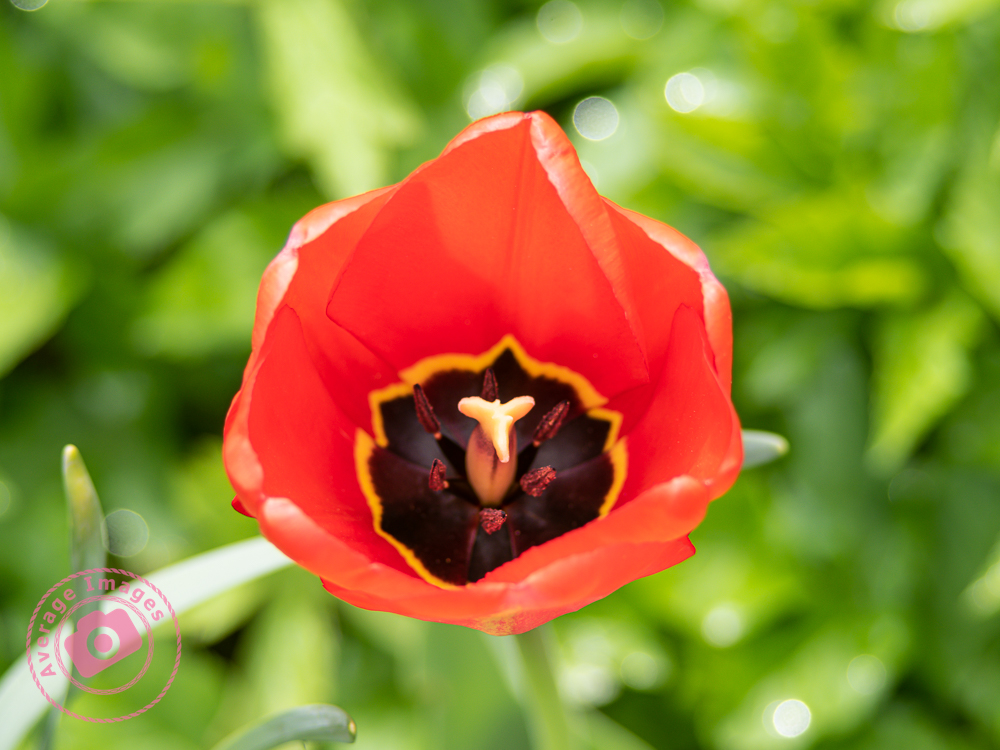
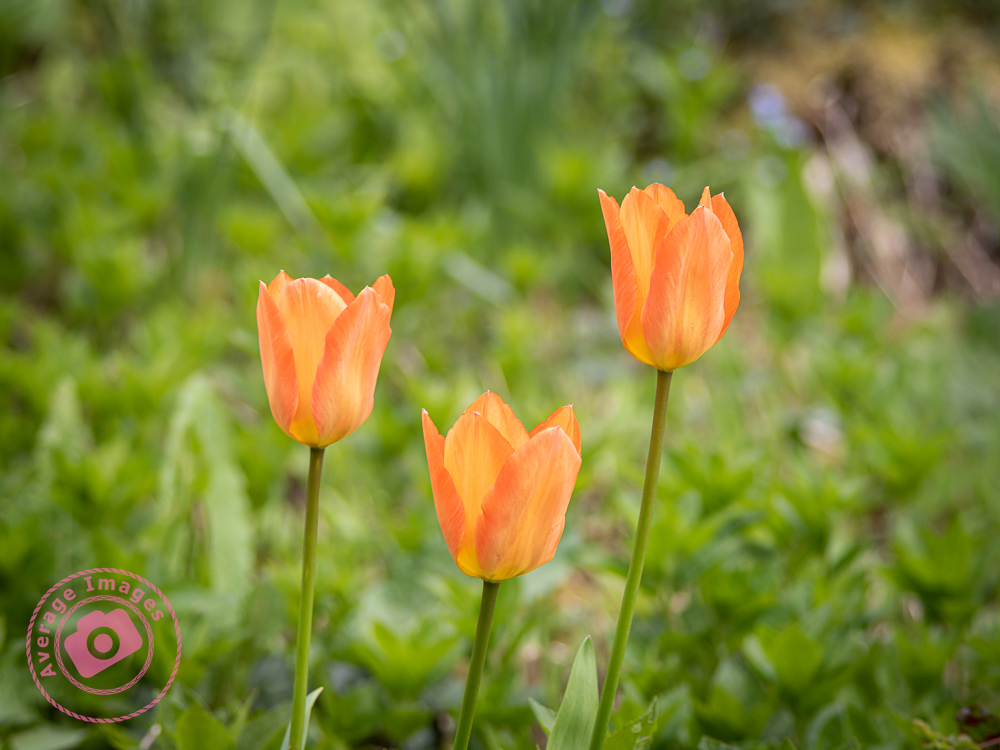
Garden tulip Tulip gesneriana
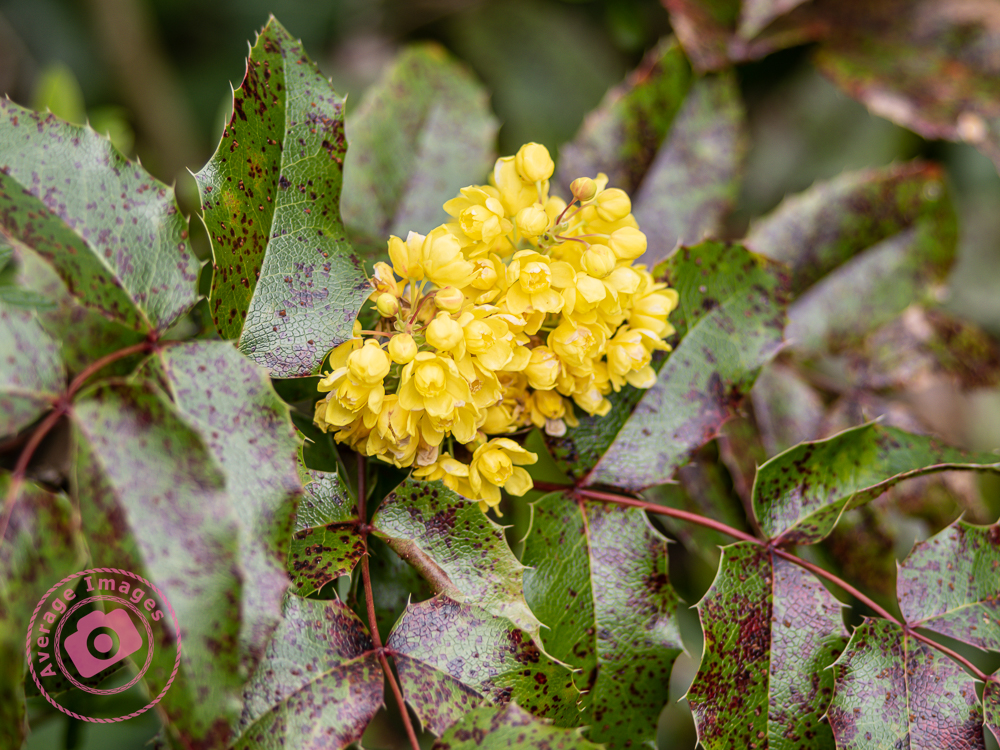
Oregon grape Mahonia aquifolium

Easter shots (1 of 2)

As Bank Holidays go, this Easter hasn’t been too bad and the sun has at least shown its face, pleasing the Spring flowers as they bloom in the garden. Here are a few shots showing a variety of colours:

Garden tulip Tulip gesneriana
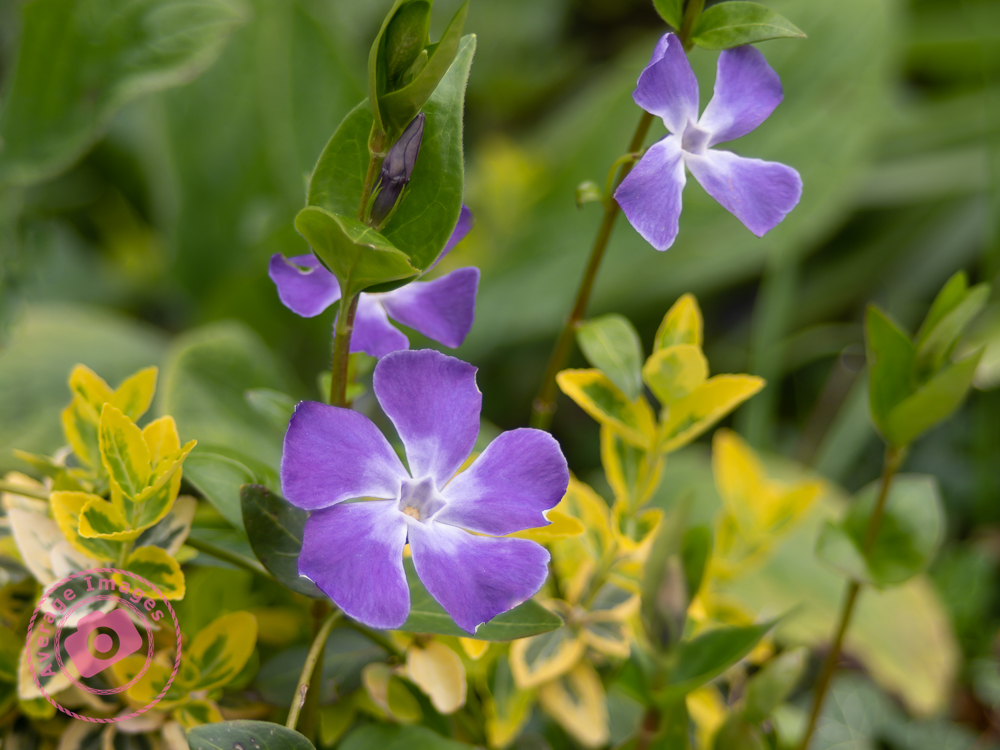
Greater periwinkle Vinca major
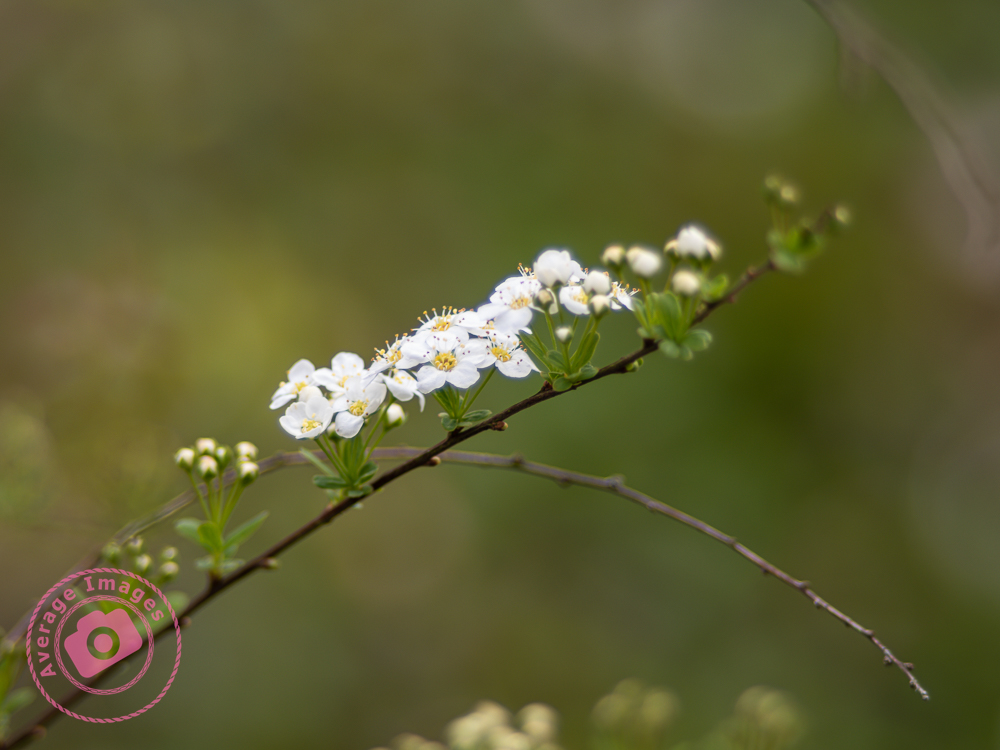
Bridal wreath spirea Spiraea prunifolia

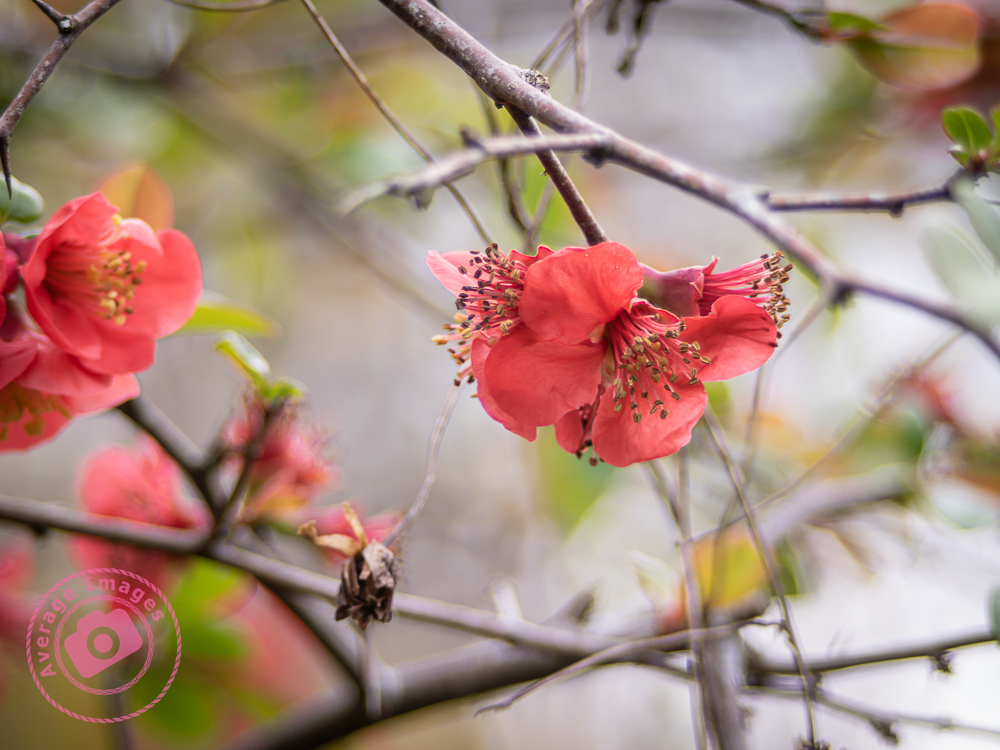
Japanese quince Chaenomeles japonica
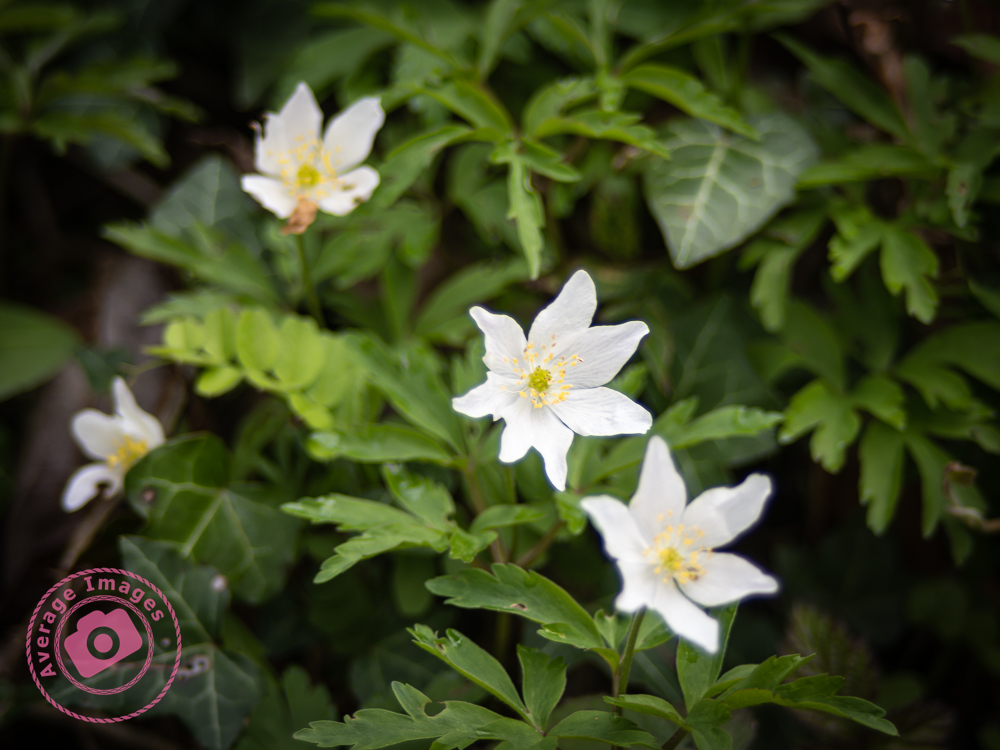
Wood anemone Anemone nemorosa

Steel magnolias

Although there are many here in the UK complaining about the wet weather I, for one, am happy that we aren’t experiencing the usual frosts at the end of March that usually kill off the blooms of our magnolia trees. For once they are showing a magnificent display day-after-day and it is therefore only fitting that I tried to capture their glory before their fragile petals naturally fall off and make our driveway like a skating rink, as they do every year.

Fun fact: The film ‘Steel Magnolias’ was so-called to capture the complex mix of steeliness and fragility exhibited by the women portrayed.

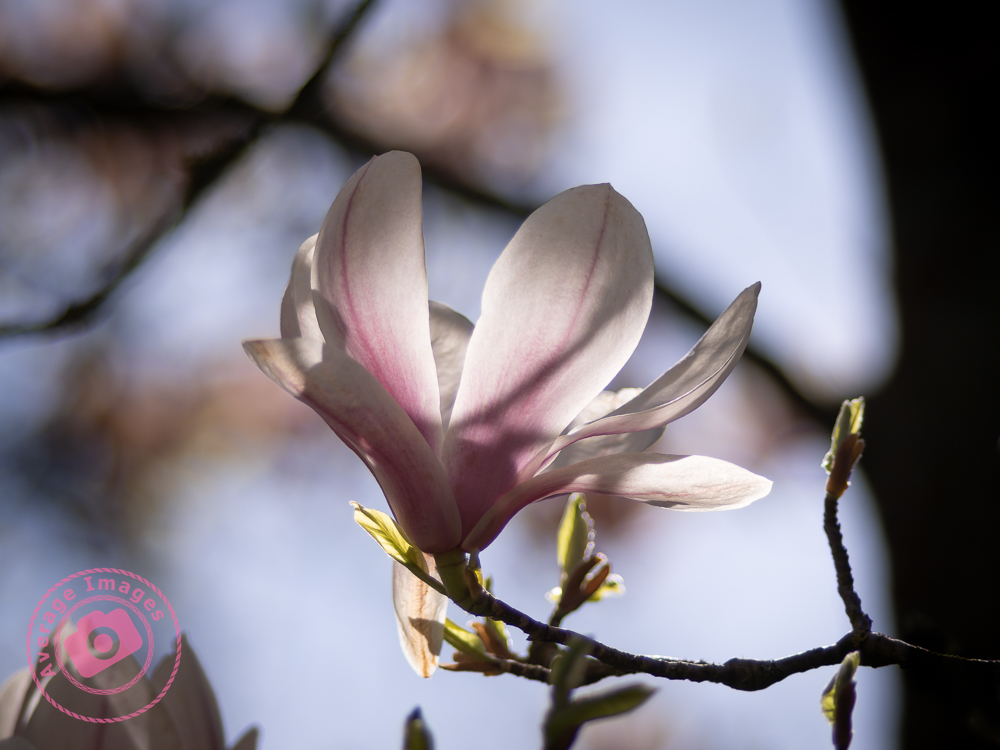
Saucer magnolia Magnolia soulangeana

Footnote: Only a few days after I wrote this post a northerly wind appeared and two days of light frost caught the top of the larger tree.