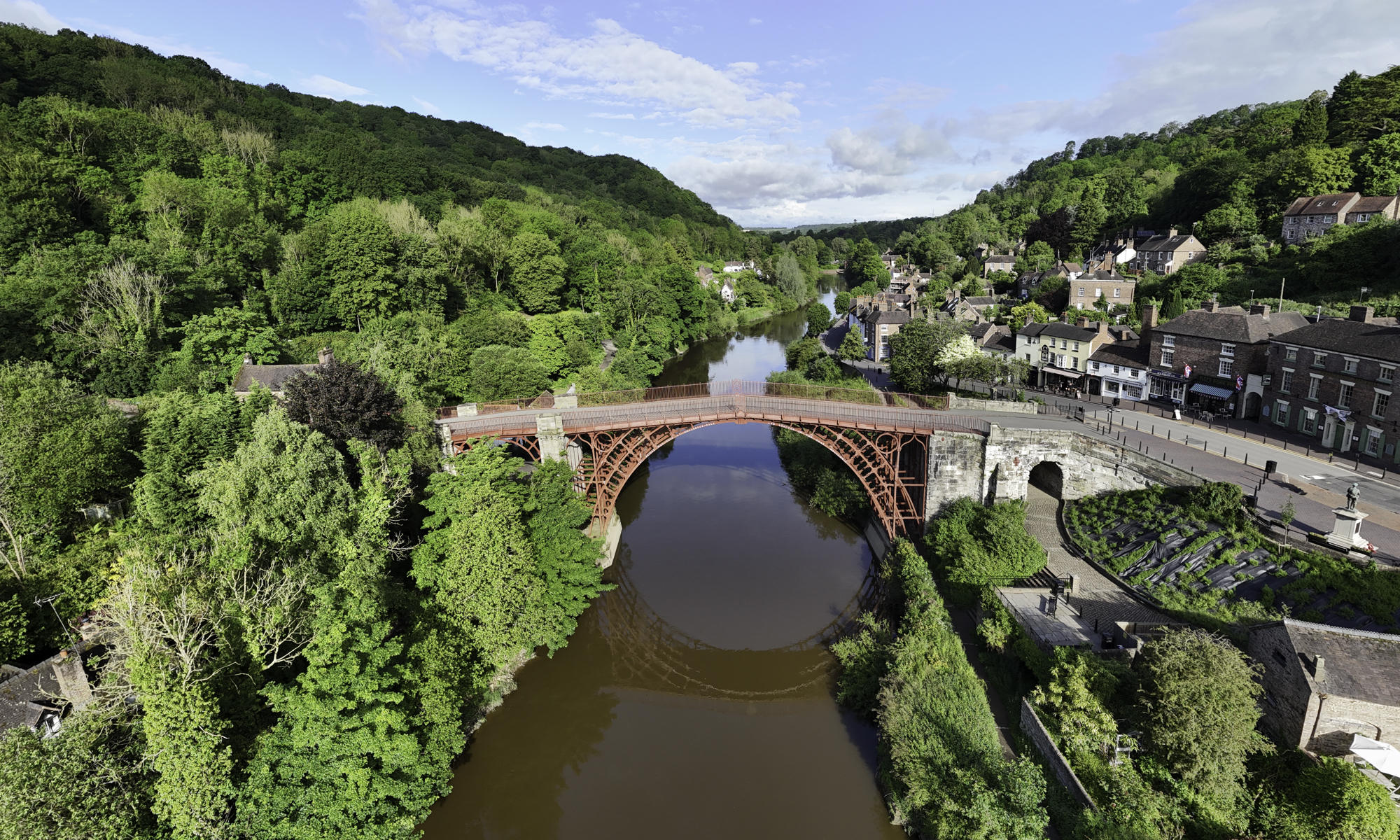
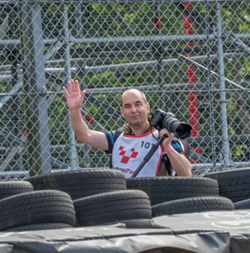
I’ve been immersed in photography for many years, exploring a variety of genres along the way. From capturing diverse landscapes, to vintage car motorsport, to delving into the intricacies of still-life scenes, my lens has always been drawn to subjects with historical significance. It was inevitable that my work would feature the area where I grew up: the Ironbridge Gorge, which supplies almost limitless subjects on which to focus.
I aim to convey the intent behind each photograph, embracing imperfections and celebrating the beauty found in the everyday. By exploring the connections between history, culture, and human experiences, I strive to create images that resonate with authenticity and depth.
Sharing my photography, as unique wall art, allows me to invite others to journey through time and connect with the stories woven into our surroundings. It’s a way of preserving moments and sparking conversations about the significance of the seemingly ordinary aspects of our world.
You can contact me via the Contact page.
My cameras:
I’ve never been a camera ‘brand snob’ because I’m more interested in function rather than what the badge says. My photography ‘journey’ started in my teens when my grandmother gave me her Zenit Single Lens Reflex (SLR) film camera and a couple of lenses. That was eventually upgraded to a Pentax SLR film camera – a brand that I stayed with for many years, well into the digital age of photography and throughout a decade of motorsport photography, when I spent hours ‘trackside’ with two Pentax DSLR’s on a dual camera harness around my neck.
In early 2022, I fulfilled a long-held desire to own a medium format camera (again, a Pentax), but unfortunately, the dream wasn’t matched by reality, and I came to realise that the size and weight of the camera and all the lenses, were stifling my enjoyment. No longer could photography be spontaneous; it had to be carefully planned to ensure that the bare minimum of equipment was taken on any shoot.
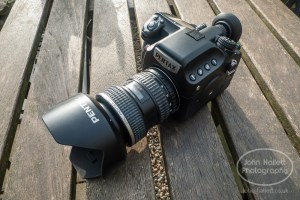
So, two years later, and after resisting the mirrorless revolution for as long as possible, I traded in my medium format gear and invested in a Micro Four Thirds Olympus (OMD) camera together with a superzoom lens, the theory being that a small, light camera with only one lens would spur me on to take a higher volume of images. With cameras improving constantly over the years, the technical advantages of using a larger sensor is less important than it was a few years ago
35mm film may be a distant memory for many but it is still used as a reference in digital photography. For example, full frame cameras are so-called because their sensors are the same size as a 35mm film frame (36x24mm), whereas APS-C sensors are only, on average, 23x15mm. Both formats produce images in the proportion 3:2. Micro Four Thirds, in contrast, uses the proportion 4:3 with an even smaller 17.4x13mm sensor size (measured across the diagonal, it is half the size of a full frame sensor) which allows the cameras and lenses to be smaller and lighter.
In early 2024 I added an unmanned aerial vehicle (UAV), otherwise known as a quadcopter, or drone, to my photography kit.
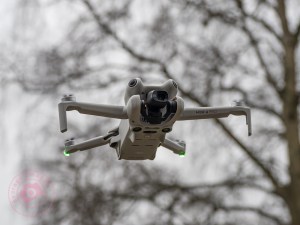
This opened up a whole new area of photography, with an aim to create photographs that aren’t just the standard ‘top-down’ view, but ones that, even momentarily, makes the viewer question how they were captured.

I have the required Operator ID & Flyer ID issued by the Civil Aviation Authority (CAA). These types of drone are not toys, and need to be flown with care and attention
Post-processing:
I don’t disguise the fact that I post-process the images using software after they have been downloaded from the cameras memory card (much in the same way as the past masters processed their prints in the darkroom from their photographic negatives). These are my software choices:
Adobe Lightroom: Good at cataloguing the many photographs I have taken in a logical date order. The image processing capability has improved massively over the years (particularly the masking) which almost makes it a one-stop shop.
Adobe Photoshop: Taking photographs of Victorian architecture often requires the elimination of various burglar alarm boxes, signs and multiple electric cables adorning the walls, and the ‘remove’ tool is perfect for this task. It also does a good job a replacing a sky when the original is featureless.
Luminar Neo: A new program to my portfolio, this provides some interesting artistic lighting effects which I will be trialing throughout 2025.
 Ironbridge Images