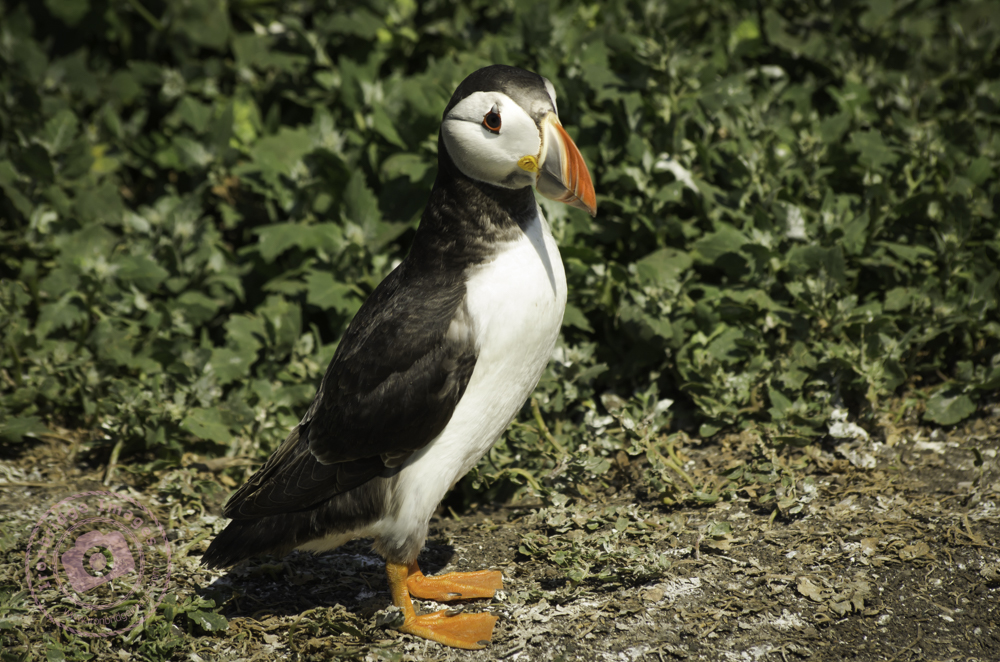
During one of our trips to Northumberland, I took a boat trip with my brother-in-law, Maurice, to the Farne Islands, the purpose of which was to get some shots of the puffins. It was a fantastic trip, and well worth it if you are ever in the area.
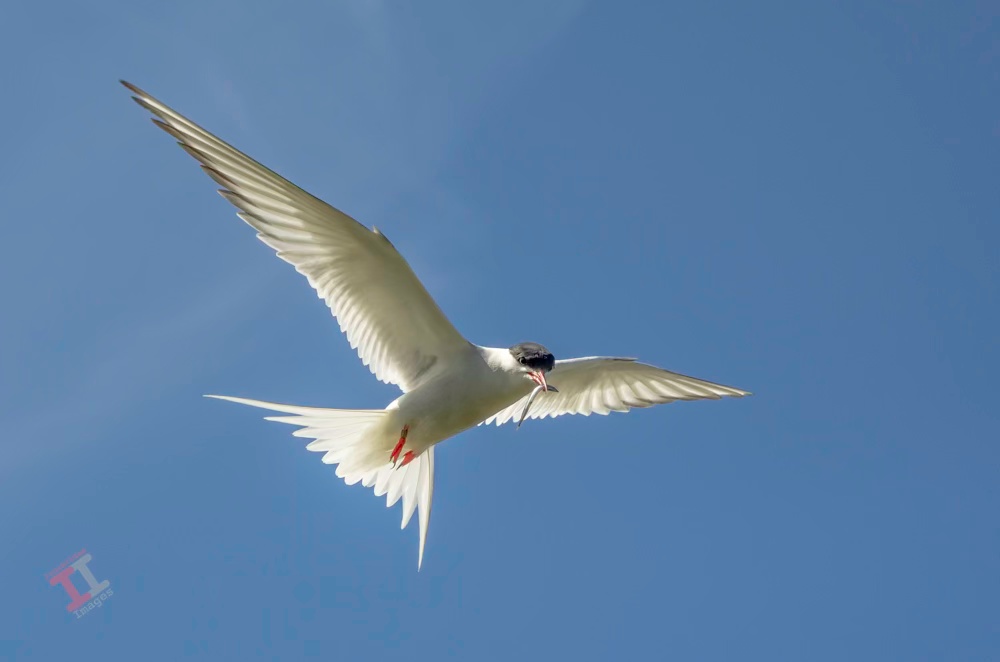
Although I took many, many, pictures of puffins, my favourite shot of the day was of an Arctic Tern returning from the sea with a small sprat, presumably to feed its chicks.
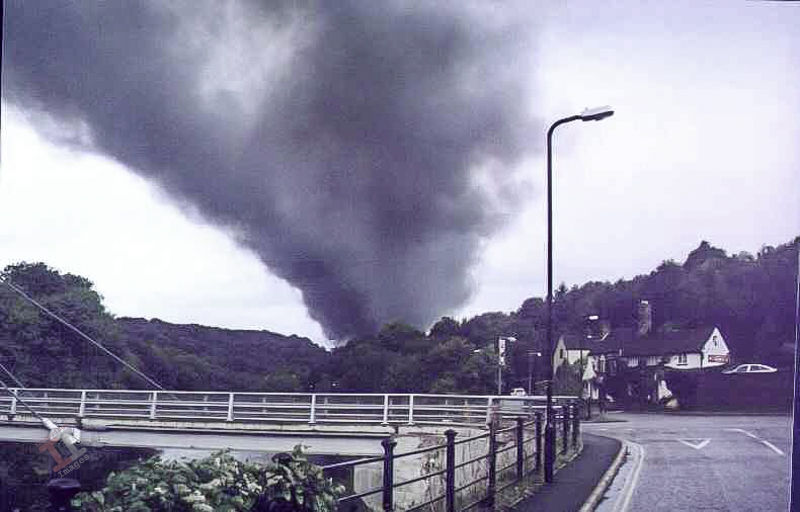
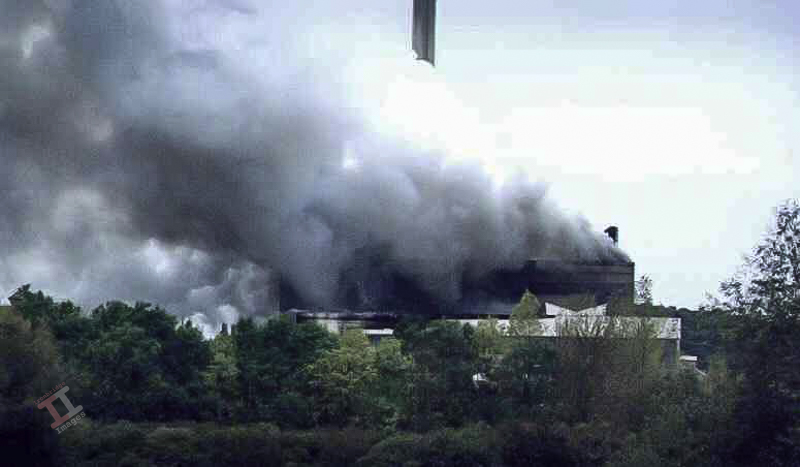
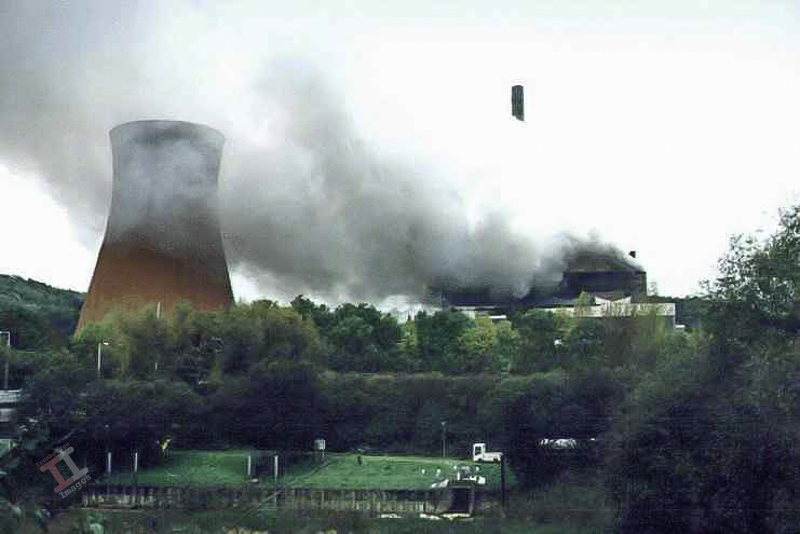
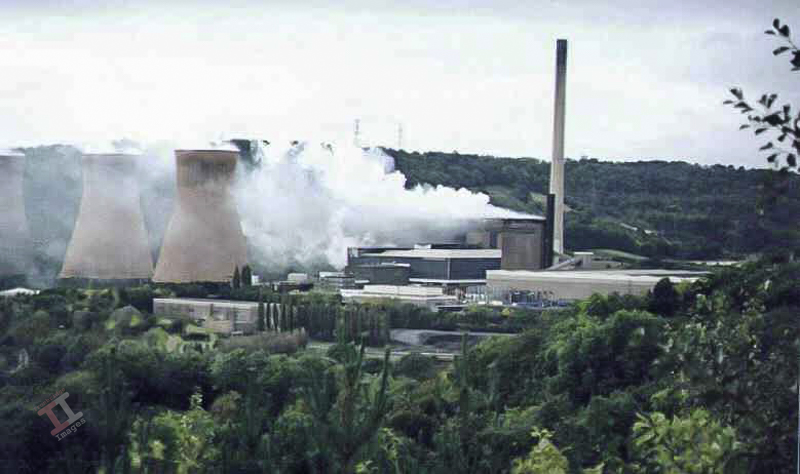
At about 7 o’clock on the morning of Saturday 10th October 1998, the number 2 turbine oil-feed pipe fractured at the Ironbridge power station, starting a major fire.
1998
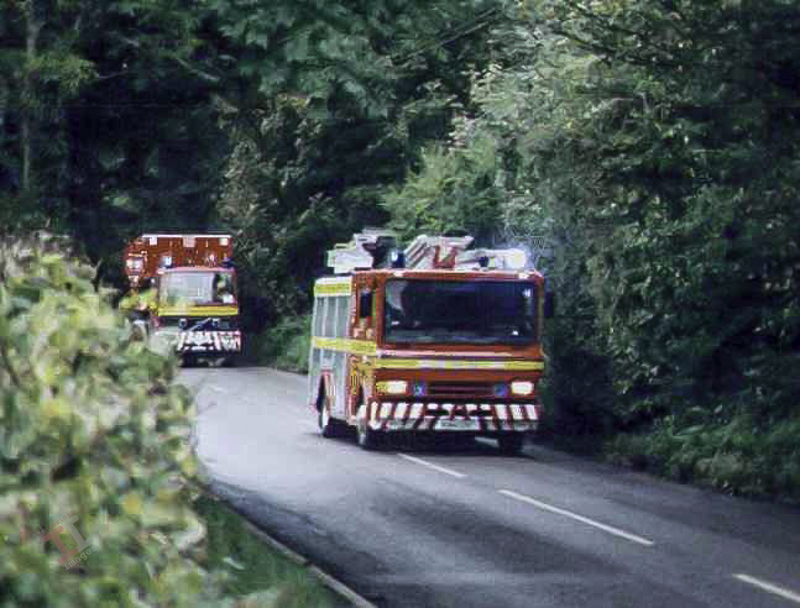
I was awoken by a distant, but loud wailing noise (which sounded suspiciously like an old wartime air-raid siren), and emergency vehicles speeding past my house. Instinct told me that something big was happening, and so I quickly dressed, grabbed my camera, and headed towards the sound of the siren on my trusty bicycle.
As I reached the Free Bridge I was shocked to see the size of the smoke plume, which was clearly emitting from the area of the power station. It was a strangely eerie sight, made more so whilst accompanied by the relentless wailing siren.
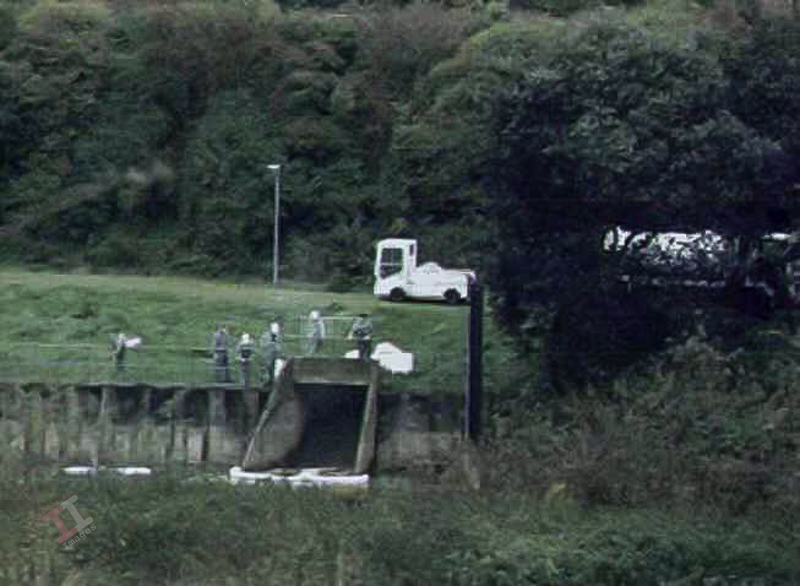
As I cycled through Ironbridge town it occurred to me that my knowledge of the area may help me obtain the best shots, so instead of sticking to the road, I headed through Dale End Park onto the riverside path, which I followed until I was opposite the power station, where I was able to grab the following images.
I emerged from the riverside at Buildwas bridge, with the intention of cycling back down the road to Ironbridge. Unfortunately, a rather zealous Policewoman blocked my path and told me that I couldn’t use the roadway because of the smoke risk (the smoke was nowhere near the road) and seemed to take great delight in informing me that I had to cycle up the long & steep Ironbridge bypass in order to get home.
Again, my local knowledge came into play and so after a short ride up the bank I climbed over the fence and joined a small lane that goes from Little Wenlock down to Coalbrookdale. This was fortuitous, as I came across a viewpoint looking directly over the valley at the blazing building, although by now it was starting to look as if it was under control.
The good news was that no-one was seriously hurt in the fire and, contrary to early reports, the power station was repaired and produced power for the National Grid again, before emission targets meant it had to close down in 2015.
The photographs of the fire from 1998 were taken on a Pentax ME Super film camera and the prints converted into digital files using a scanner.
2010
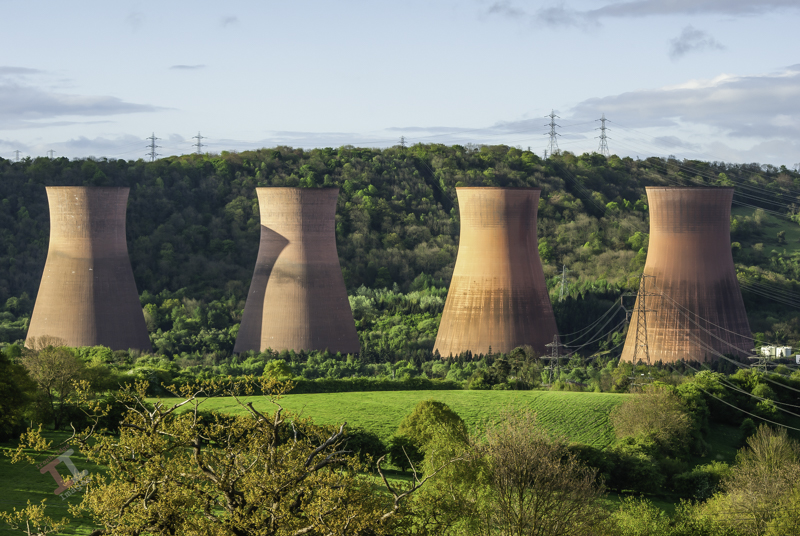
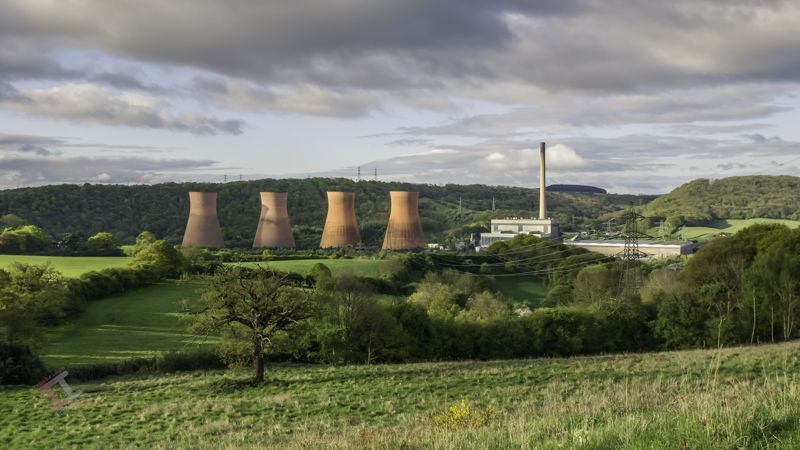
The power station was still dominating the skyline 12 years later:
Present-day
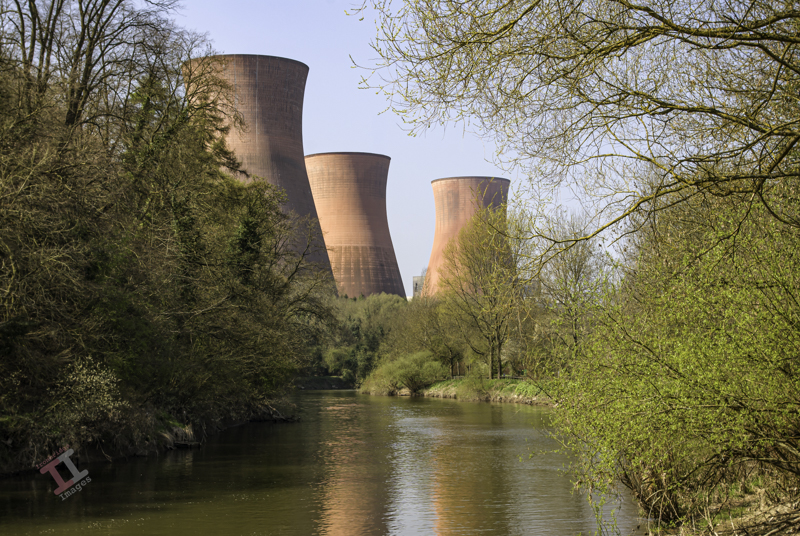
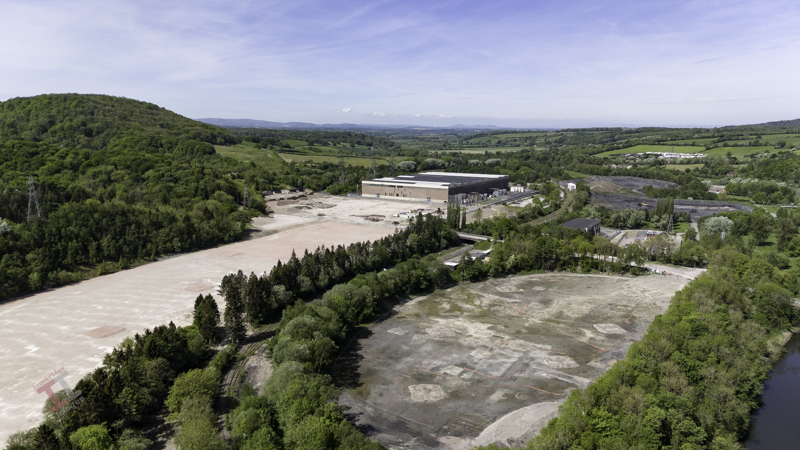
Fast-forward to the present-day and the cooling towers are gone; all that remains is a pink pad in the ground. This is all due to be a giant housing estate.
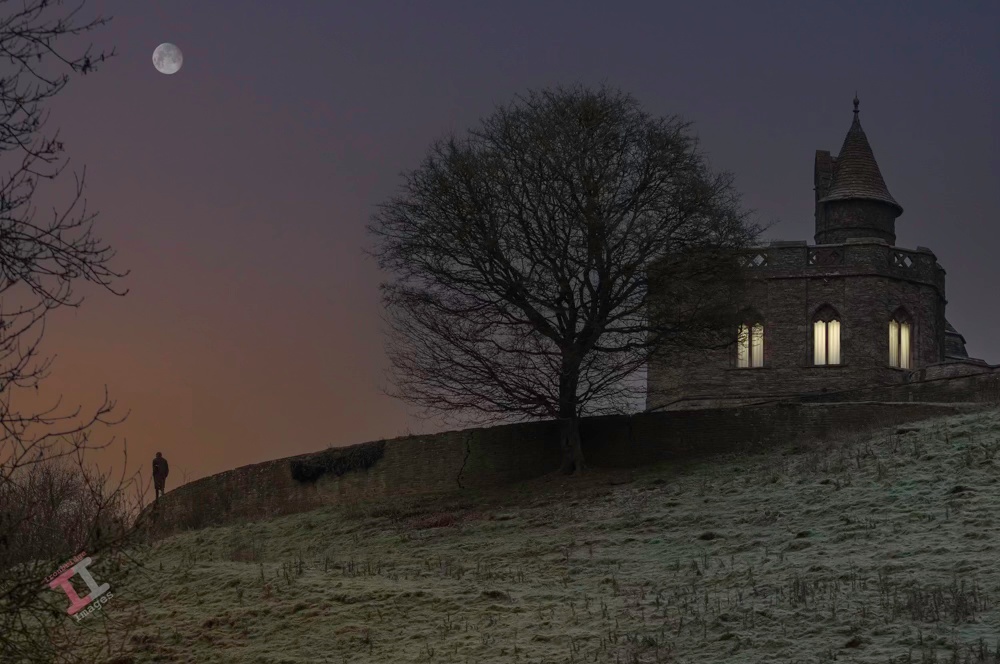
This was a shot taken back in 2019 when I was asked to carry out a photoshoot at the Dinmore Estate in Herefordshire. The lone figure is actually one of the estate workers and was probably just trying to keep warm, rather than contemplating life in general. The image has been post-processed in Adobe Lightroom and Photoshop.
Yesterday I managed to complete another task off my to-do list; and took a photograph in order to create new headers for my website and Facebook page. The dimensions for both are quite specific (and different to each other) and it required a wide-angle shot so that it could be cropped quite heavily to suit the size and aspect.
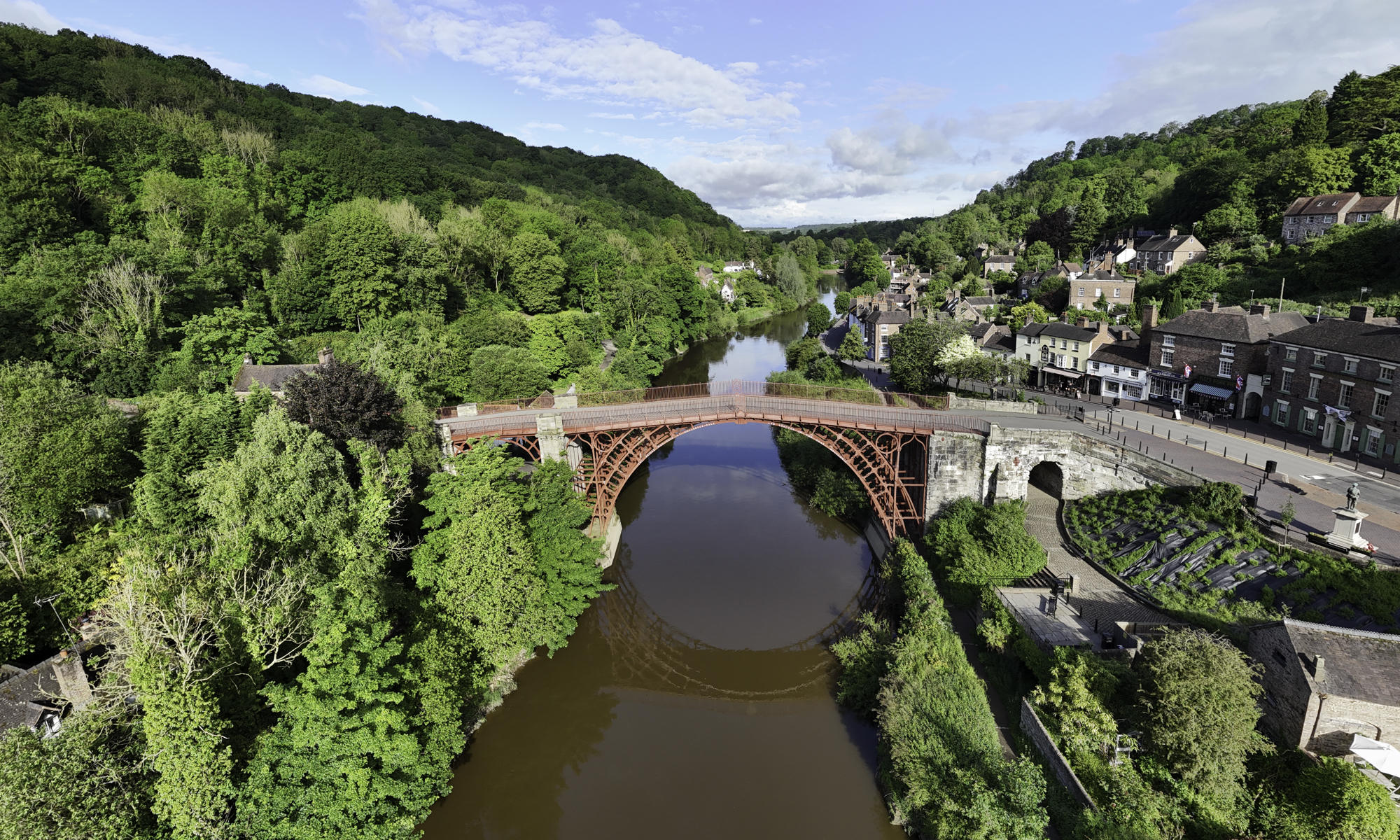
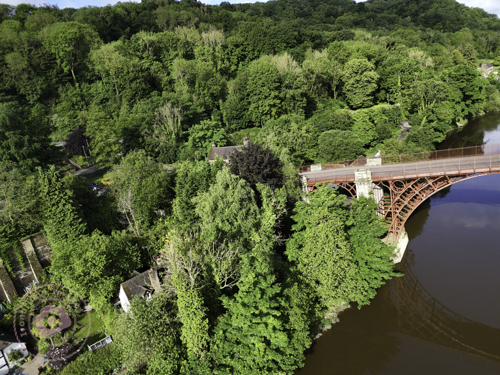
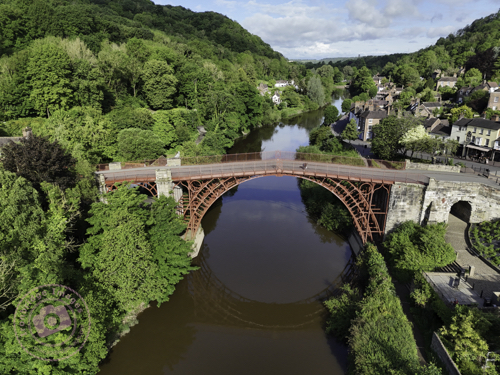
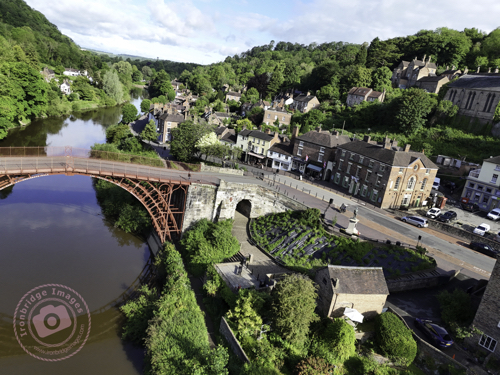
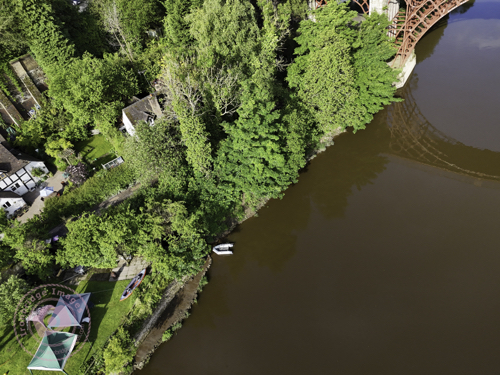
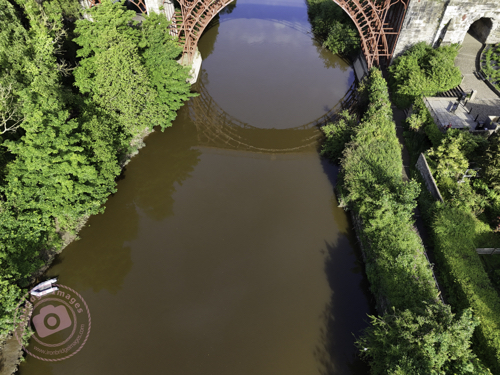
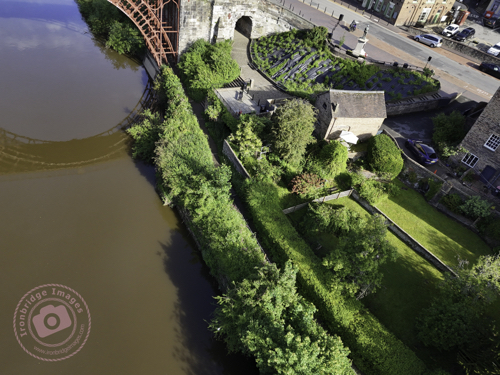
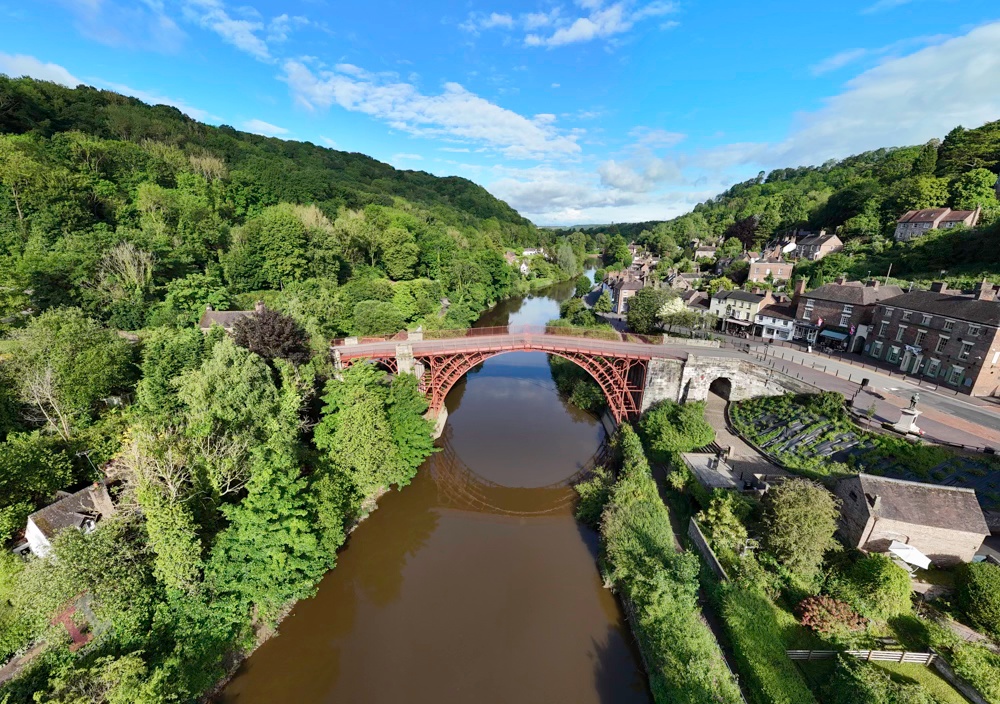
I wanted an aerial shot of the Iron Bridge, and so this either meant taking it from a long way off (and then losing detail) or using the panorama function of my DJI Mini 4 Pro drone – the latter turning out to be the ideal choice.
Even though it was 8.30am on a Bank Holiday, it was surprisingly quiet and deserted, and therefore ideal to fly the drone from a seating area directly in front of the bridge. There are four panorama options on the drone; Sphere, 180o, wide-angle, and vertical, but my preferred one, that produces a more natural image without too much stretching of perspective, is the wide-angle – which takes 9 shots in succession and seamlessly stitches them together (within the drones software) to create one large image. You can then output not only the large panorama image, but also the 9 individual shots.
And here is the complete panorama, which I later cropped to produce the headers for my website and Facebook page:
Iron Bridge Panorama
Please don’t forget to visit my new Facebook page and give it a ‘like’. Thanks
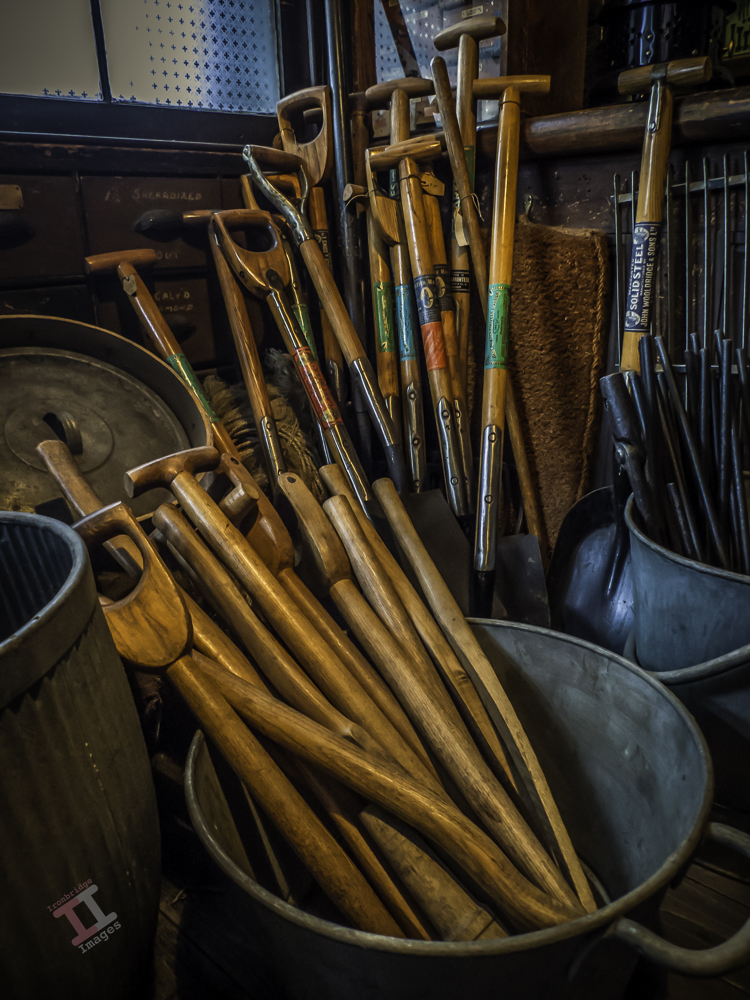
This image was taken in homage to a classic ‘Two Ronnies’ sketch on their TV show in the 1970’s. The show, by Ronnie Barker and Ronnie Corbett, was a series of comedy sketches during a time before satellite and cable television, and the ‘Four Candles’ sketch was first aired in 1976, when there were just three television channels to choose from; BBC1, BBC 2 and ITV.
Such was the popularity of the show (and the absence of much competition) that the whole family would sit around the television to watch and laugh together. This particular sketch was all the funnier to our family because my parents had a shop, and so did my uncle; which happened to be an ironmongers. I won’t detail the sketch’s premise, but if you haven’t seen it, you can find it on YouTube here.
It obviously created a lasting memory because, some 30+ years later, as I was visiting the Black Country Living Museum, I came across this collection of garden fork handles in a corner and just had to capture them on camera. The bonus was that they were quite photogenic, with their polished handles shining in the golden light from the morning sun.
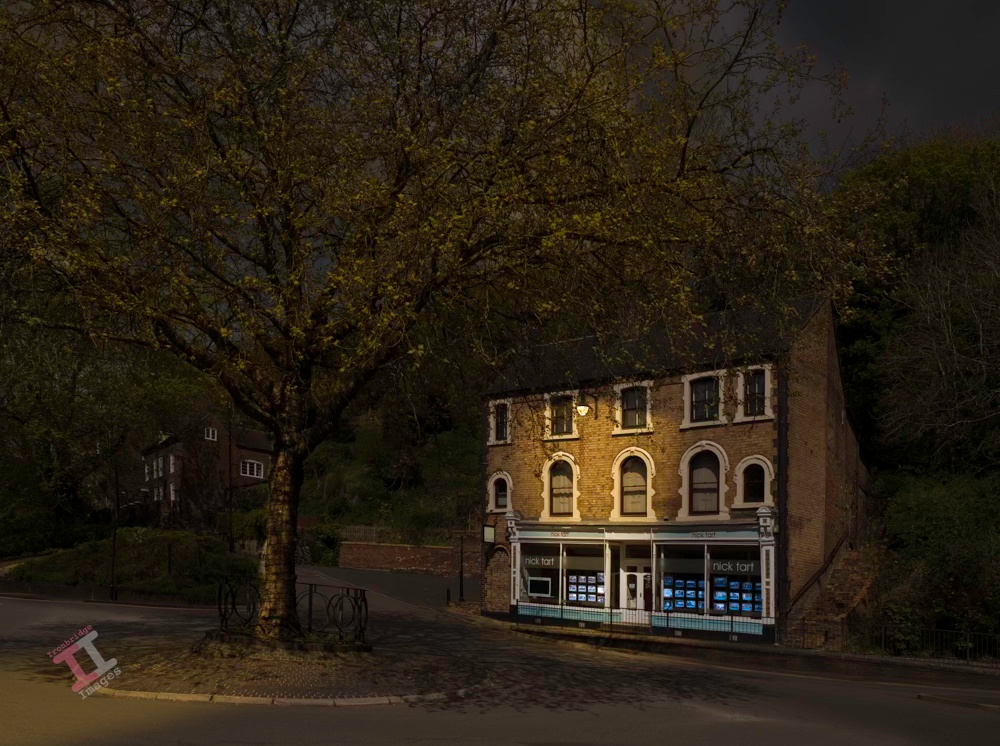
I’ll bet that there aren’t very many of us left in the Ironbridge Gorge that remember this building when it was Beddoes, the ironmongers, where you could get anything from four candles to fork handles.
It was established in 1871 by Frank Green Beddoes, and he had this building purpose-built as his shop, with showrooms on the first floor. He also had a large warehouse unit on Waterloo Street, opposite the Police Station; because the business didn’t only exist for domestic customers, they also supplied the many local furnaces, brick & tile works and mines with tools and equipment. It sadly closed in the early 1980s, with its trade sucked away by out-of-town superstores like B&Q. The shop is now one of two estate agents in Ironbridge town.
I have done a little rebranding with a new name, Ironbridge Images, which reflects my primary subject matter, and I’ve added a static front page to my website give continuity. The blog still remains, of course, albeit tucked inside the site. I have also consolidated my print sales and will now solely sell through my preferred print partner Photo4me, offering framed and unframed prints.
I hope you like the new look, and don’t forget to add a new bookmark or favourite to save the new web address.
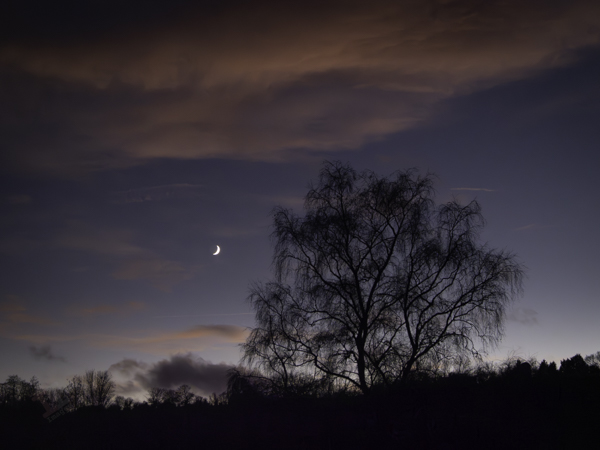
As I was on the way back home this evening, I noticed that there was a beautiful sunset developing with a Waxing Crescent moon, and so I took a few shots with my OM-D E-M1 Mark iii. This is one of the many advantages of this small camera – I can quickly take it out of my shoulder bag and grab shots that I may have previously missed. I unashamedly admit to having it set on program mode as standard, on the basis that the small, but powerful, onboard computer chip will, 98% of the time, make a better, and quicker, judgement about exposure settings than I will – thus allowing me to concentrate on the composition. I know this will have many ‘serious’ photographers spluttering into their milk, but I also admit that I drive an automatic car and write this blog post with a computer and not a quill and ink.
Waxing Cresent Moon
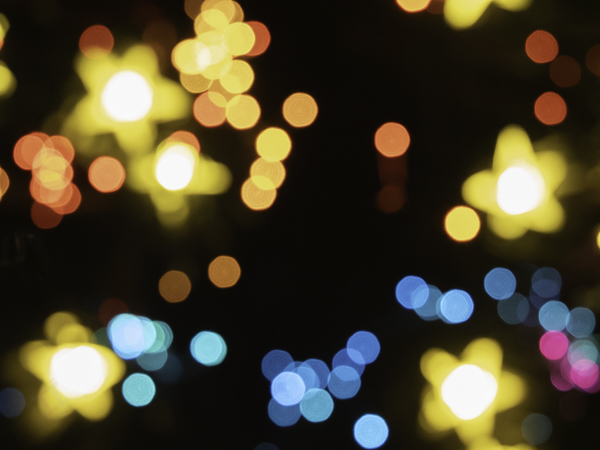
As I uploaded these images I remembered a few I took earlier in the week of our Christmas decorations. These may be future stock images but it’s too late for this year and so I’ll upload them ready for Xmas 2024.
As you may have gathered from my post Warning Light I have recently purchased a Wacom Intuos Pro graphics tablet to aid with my Painting with light composite post-processing. I chose to buy the ‘small’ version which has a working area of 6.3 x 3.9 inches (160mm x 100mm). To me, this is a more than adequate size to be able to work without moving my hand around too much, and is pretty much the same area that a mouse covers on a mouse mat. Even so, the actual tablet itself is still about the size of a piece of A4 paper, and I have seen numerous reports from people who have bought the (larger) medium size and then wished they had gone for the small instead for precisely these reasons. Bigger isn’t always better!
Note: There is a difference between a graphics tablet and a drawing tablet. Graphics tablets have no screen, and you need to work with a computer monitor to see what you are doing. Drawing tablets have their own screen, and so you can work directly on them.
Wacom Intuos Pro (S)
The tablet itself plugs into the computer via a supplied USB cable (it can work via Bluetooth but then you have to purchase an optional battery) but the pen requires no batteries or charging. There is a nicely weighted stand for the pen (it advises against standing the pen up in storage to prevent wear & damage of the nib) which also acts as a storage compartment for a range of spare nibs and a nib removal tool. There are black nibs, white nibs and a spring-loaded nib – I have no idea what the difference is between them but will try them out in due course. There is also a handy storage bag to keep the surface of the tablet dust-free when not in use.
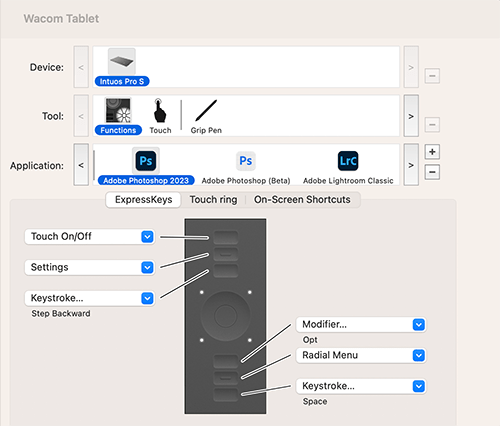
Wacom Tablet software
The driver and software are simply downloaded from the Wacom website and allow a multitude of customisations to the way that the tablet & pen work and feel. So far I have pretty much left it at its factory settings but maybe after prolonged use I may feel the need to add some customisation. Interestingly, you can have different customised settings for different programs; so you can have one set for Photoshop and another for Lightroom, for example.
I still find that I instinctively use my mouse and so I’ll really have to make the effort to use the tablet until it becomes second nature.
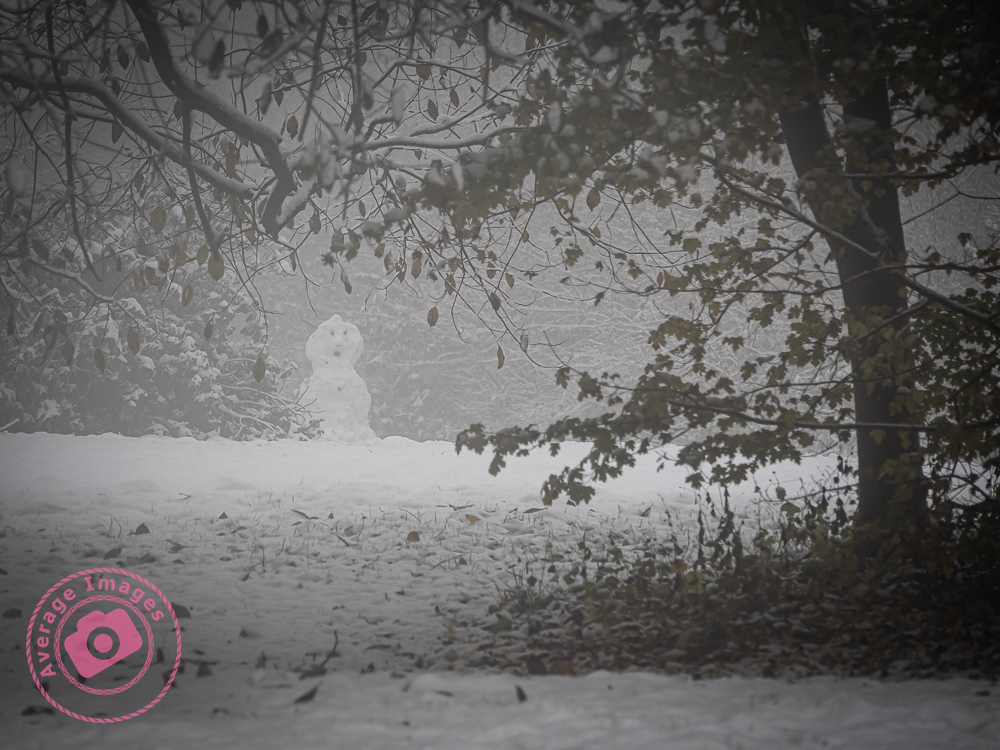
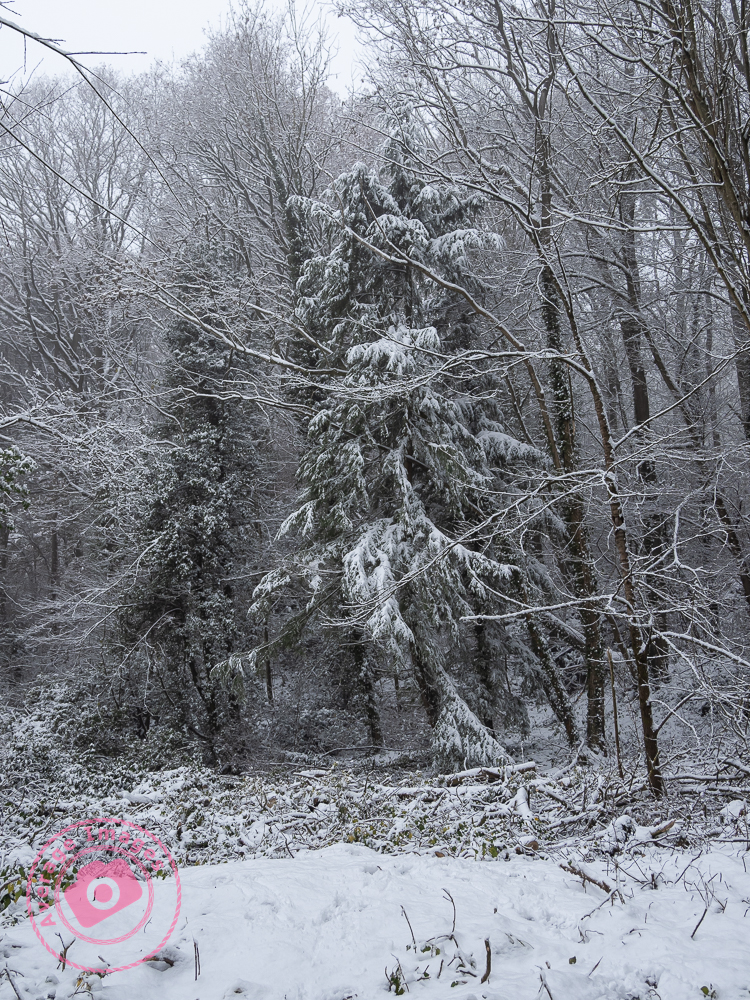
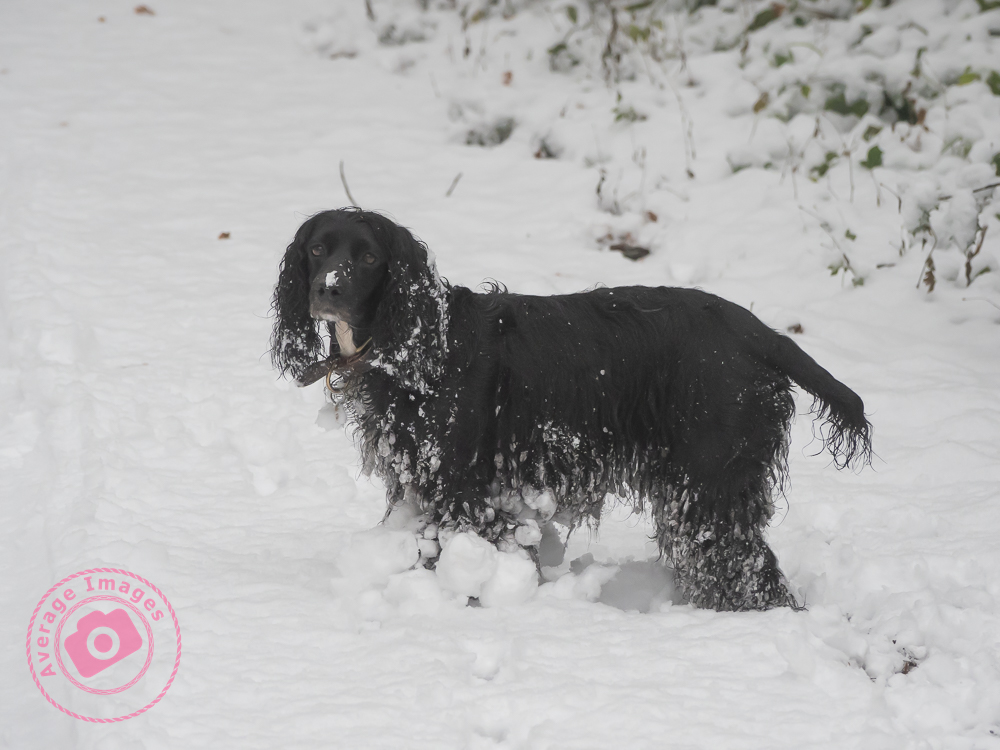
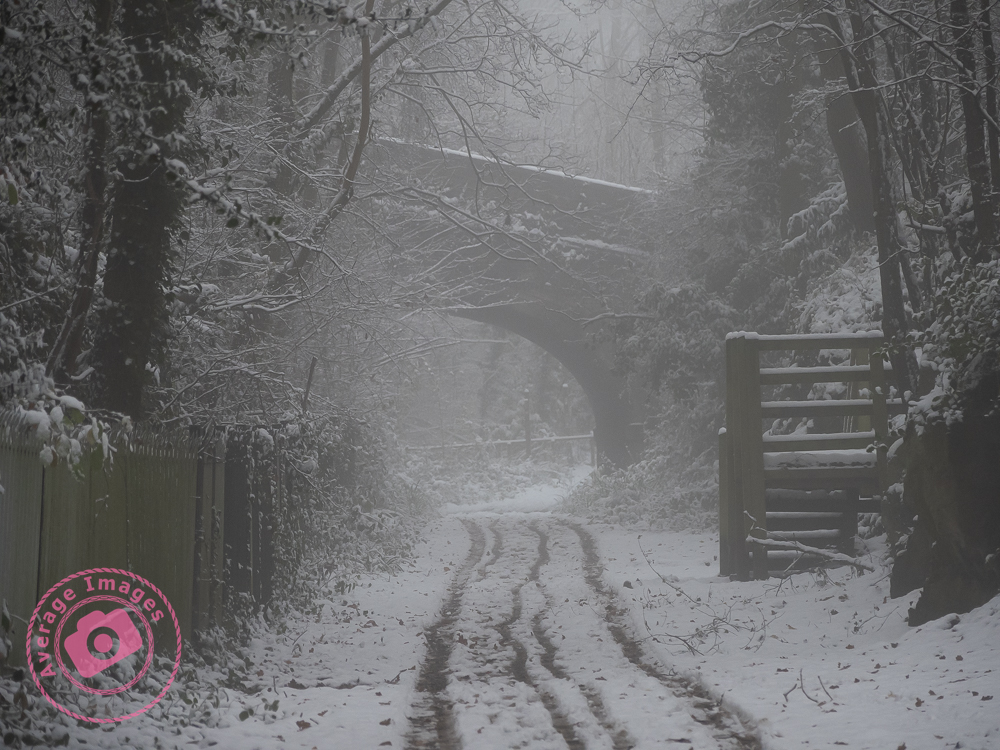
Even though the weather forecast had warned of snow flurries, it was a surprise this morning to wake up to find a couple of inches of the white stuff had fallen overnight.
Mention IBIS, and some of you may think of the French budget hotel chain of the same name; others may think of the heron-like wading bird. Photographers, however, think of In Body Image Stabilisation, which works by physically moving the sensor within the camera to counteract any movement created by the photographer. This then enables longer shutter speeds when hand-holding the camera.
Although it is often described as a new innovation, every Pentax DSLR that I have ever owned had IBIS (they call it Shake Reduction) – which works using built-in gyroscopes to provide stabilisation across the 5 axis: Yaw (left & right twist), Roll (back and forth rotation), Pitch (side to side rotation), Horizontal (side to side) and Vertical (up and down).
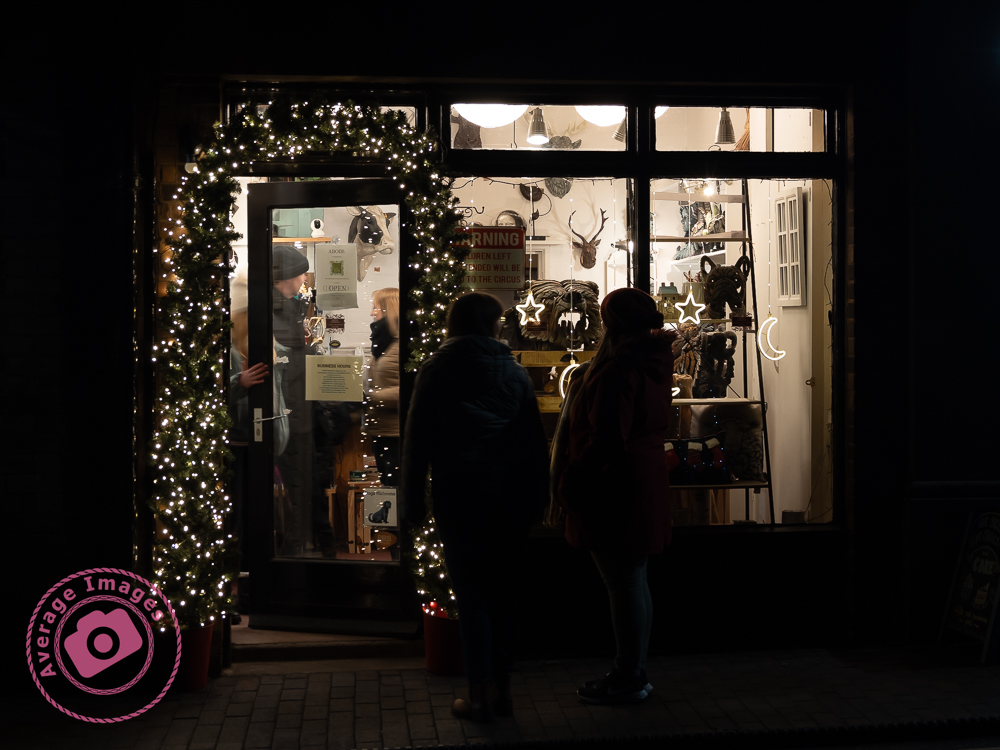
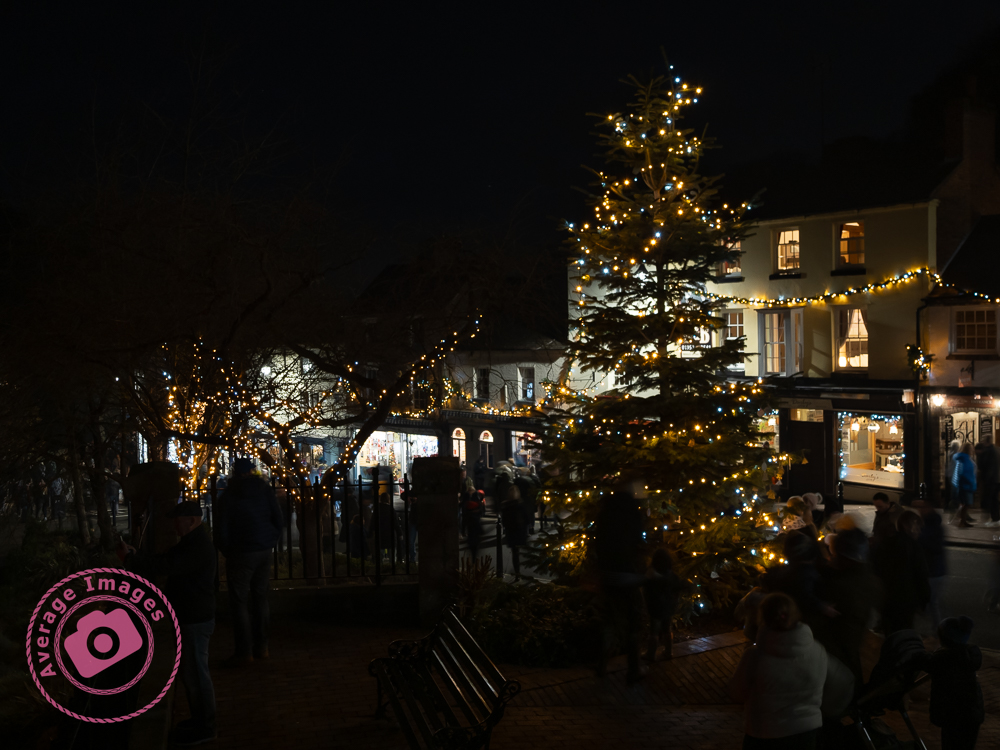
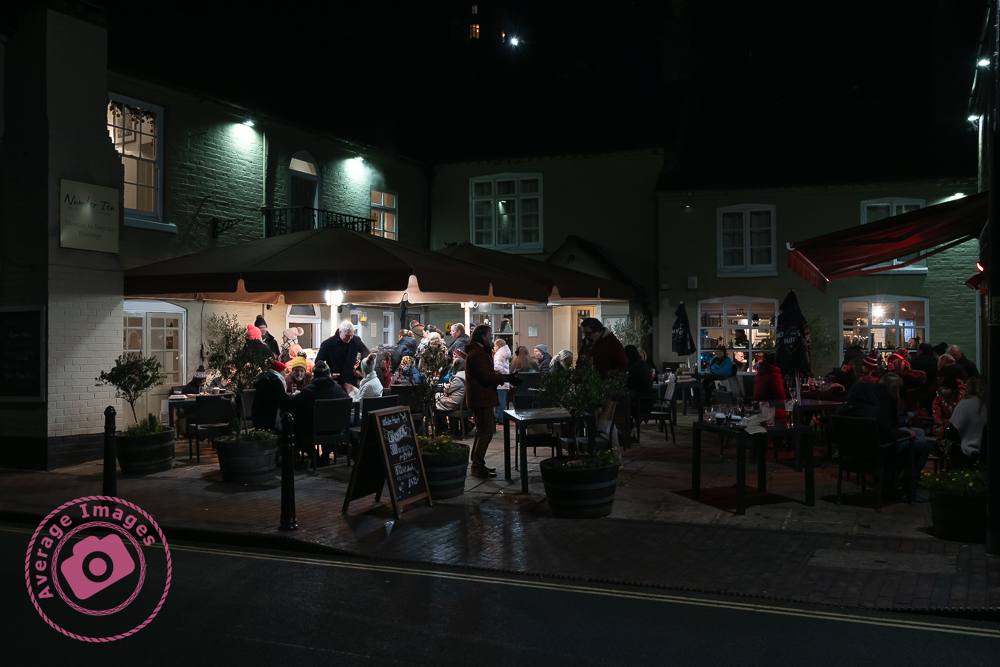
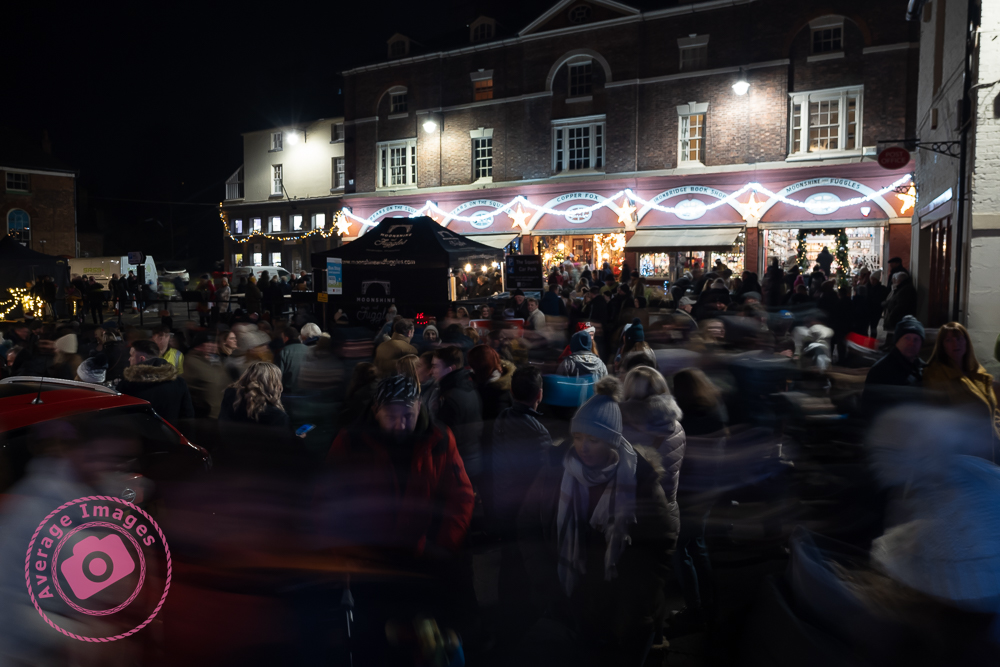
The Olympus OM-D E-M1 Mark iii also has IBIS, which provides up to 7.5 EV of shutter speed compensation when combined with an image-stabilised lens, such as the Olympus M.Zuiko ED 12-100mm f/4 IS PRO. I put this to the test last night when I attended the annual Christmas lights switch-on at nearby Ironbridge town in Shropshire.
To be honest, I wouldn’t usually take any photographs at such events, mainly due to the need to use either a tripod or a flash gun, but this was an opportunity to try the camera hand-held in some pretty testing light conditions, and it didn’t let me down.
Footnote: The Olympus OM-D E-M1 Mark iii also puts the IBIS technology to another use: ‘High Res Shots‘, but I’ll cover that in a later blog post. You can find out when if you subscribe:
For my Painting with lightcomposites, I use Adobe Photoshop to blend two or more images together, but I often find that using a mouse is not very accurate – which can be annoying, especially when making detailed adjustments. I was therefore toying with the idea of buying a graphics tablet – but a decent Wacom Intuos Pro is £200 just for the small one, which is a lot to spend if I subsequently found I didn’t get on with it (I should mention at this point that many years ago I had a graphics tablet but never really used it – although I wasn’t using Photoshop in the same manner back then, and it was only a cheap one).
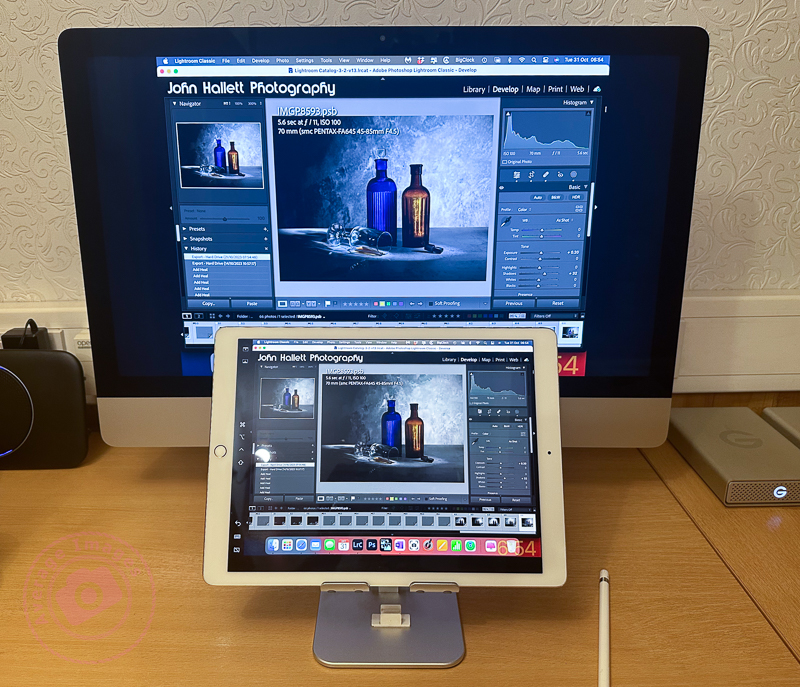
As I was reviewing alternative models, it reminded me that I could use my iPad, not only as a second display but also as a second input – thus also utilising my underused Apple Pencil. Now I had already tried this before and was less than impressed. However, I had heard that the process has improved with later software upgrades, so I decided it was worth another try.
These are the minimum requirements in case you are considering trying the same thing: You will need to be running MacOS Catalina or above on your main computer and iPadOS 13 or above on your iPad.
As soon as I tried it, I remembered why I didn’t like it the first time. If I set the iPad as a duplicate monitor, the aspect size on the primary monitor changed to suit the aspect size of the tablet. The program screens also moved into new positions, which meant relocating them before starting. The editing itself worked OK once everything was in the correct position (see below) but it was somewhat disconcerting to have the program screens a different size and position from normal. If I set the iPad as a secondary monitor, I then had to drag Photoshop onto the tablet and do the editing on that. Although the Apple Pencil gave much better precision than a mouse, I was now working on a much smaller screen – which was all somewhat counterintuitive.
Duplicating the monitor on an iPad
The other problems were that the Apple Pencil isn’t detected until it actually touches the screen, which means you are working ‘blind’ when trying to locate the pencil on the image to start editing (this is worst when using the duplicate monitor setting, and you are using the pencil on the iPad but looking at the image on the primary monitor) – and that the area being edited by the pencil didn’t seem to match the position of the cursor exactly which created some error when making fine adjustments.
Unfortunately, despite trying hard to make it work (I really wanted to find a good use for the Apple Pencil), I ultimately decided there were too many compromises. I therefore took the plunge and ordered a Wacom Intuos Pro. Look out for the follow-up blog post to find out how I got on.
Since my similar post Shooting Cars a few weeks ago, news has broken here in the UK, that the proposed ban on the sale of petrol and diesel-engined cars, which was due to come into force in 2030, has been put back by 5 years. The Prime Minister stated this was because of the significant hurdles in choosing one, notably the high costs and lack of a nationwide charging infrastructure. However, he also noted that the ban would now include all hybrid and plug-in hybrid cars, meaning that only fully electric cars and vans can be purchased after 2035 if this deadline doesn’t shift again.
If you were to believe the media here in the UK, you might be forgiven for thinking that this ban is a worldwide policy, but it isn’t. It is actually quite challenging to find a summary of different countries’ positions regarding electric vehicles. In fact, I couldn’t find anything that encompassed all of the world’s countries; there only seems to be information about those that have an EV policy, and there is little information about those that do not (and there is plenty of them, it seems). Proponents are happy to quote that, in 2022, sales of electric cars increased by 55%. It’s a great soundbite, but the reality is that only 14% of global car sales were electric, which means 86% of cars sold worldwide were not!
Of course, this may all change if the major car manufacturers continue with their own voluntary pledges to stop producing cars with internal combustion engines. However, this is a risky strategy for any business – you need to make products that people want to buy, not those that you want to sell – no matter how environmentally friendly they appear. The human race has always been transient in nature; perhaps it’s because we always feel that “the grass is greener on the other side of the fence”, and to try and curtail this is doomed to failure.
The ‘elephant in the room’ is that batteries just aren’t technologically advanced enough to provide sufficient power to make the journeys that we now expect to make, in the comfort that we expect to make them in. The primary purpose of a car is to get us from A to B without stopping; with B being as far away from A as possible. If you are serious about using an electric vehicle to do so, then you need to remove everything that saps power from that important goal – so no air conditioning, satellite navigation, electric windows, radios, daytime running lights, etc. Also, you need to get rid of those big fat tyres and replace them with low rolling-resistance skinny ones – and whilst you are at it, remove of all that heavy, metal bodywork as well.
Ideally you would end up with a very small, fibreglass-bodied, three-wheeled vehicle with the largest battery you can fit into it. Those of a certain age may now have a mental image of something called the Sinclair C5. This was produced some 38 years ago as a commercially-viable electric car for the mass-market. It failed!
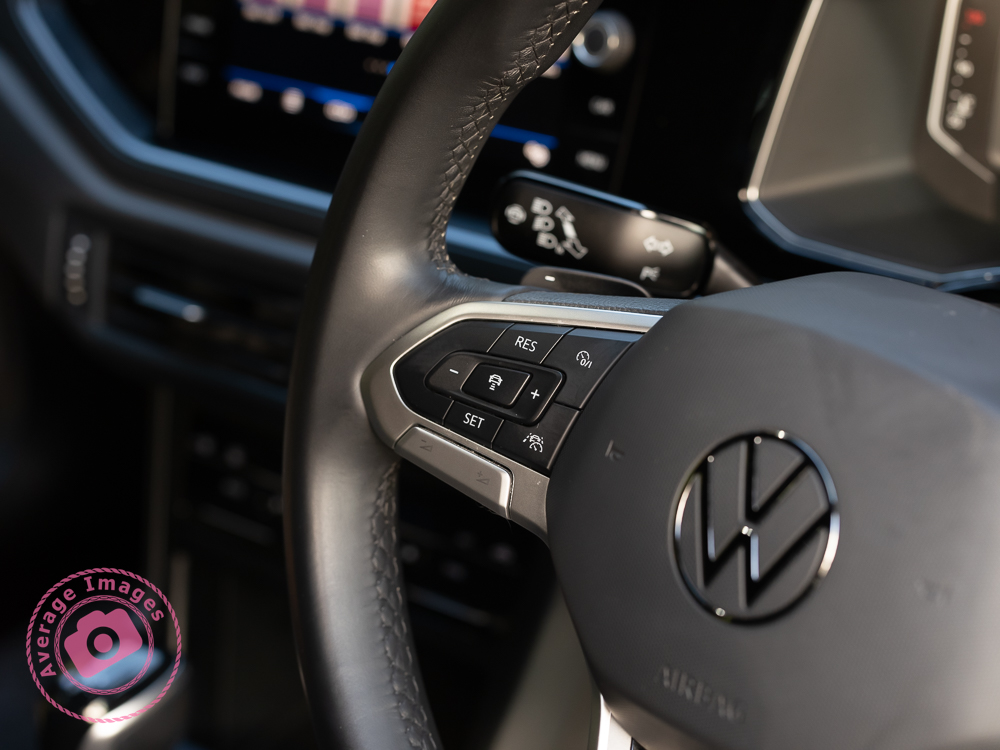
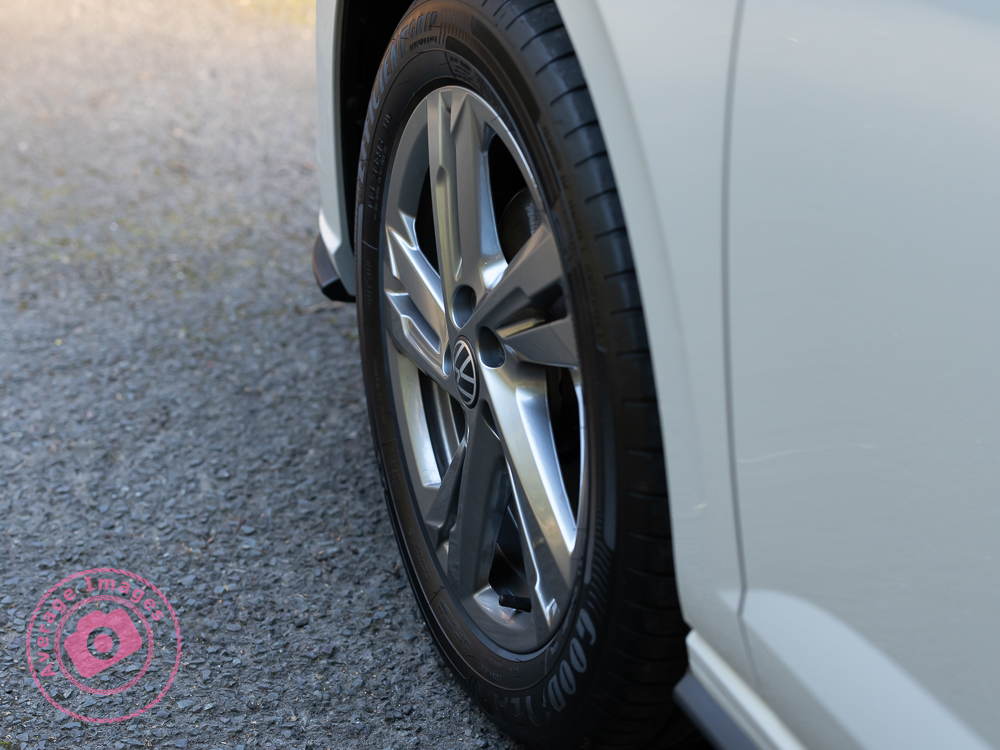
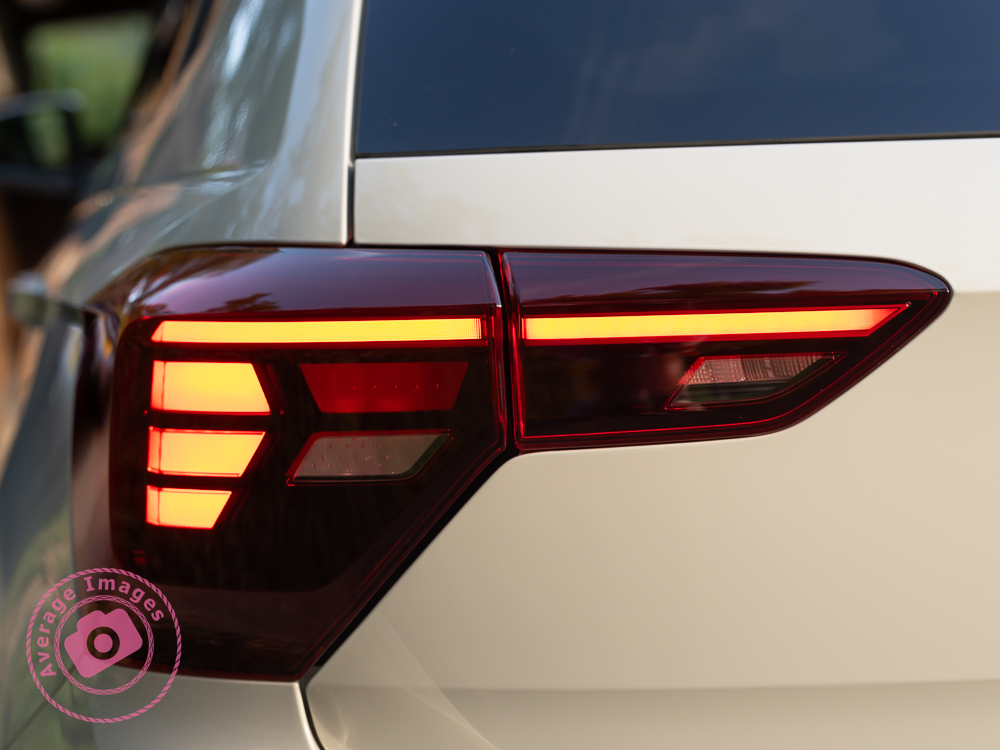
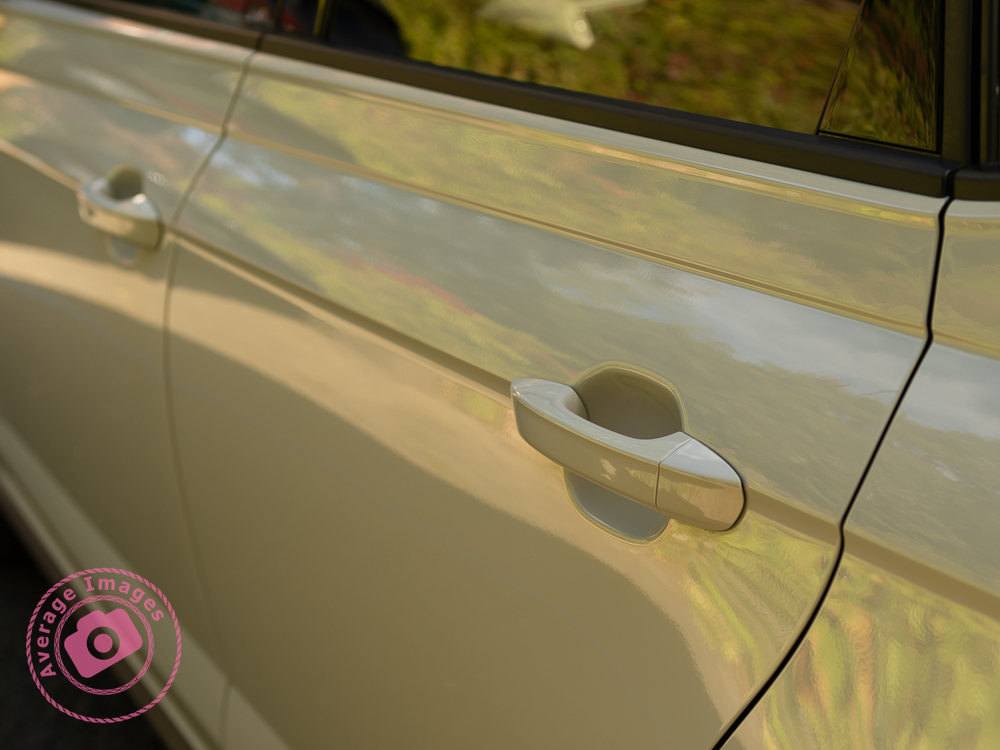
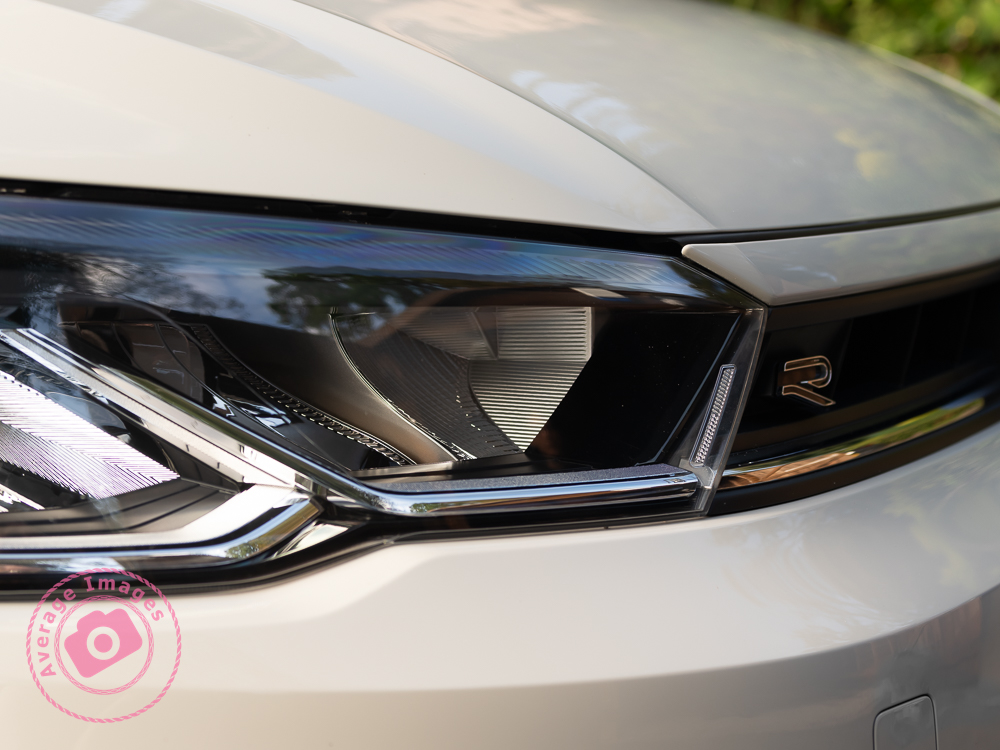
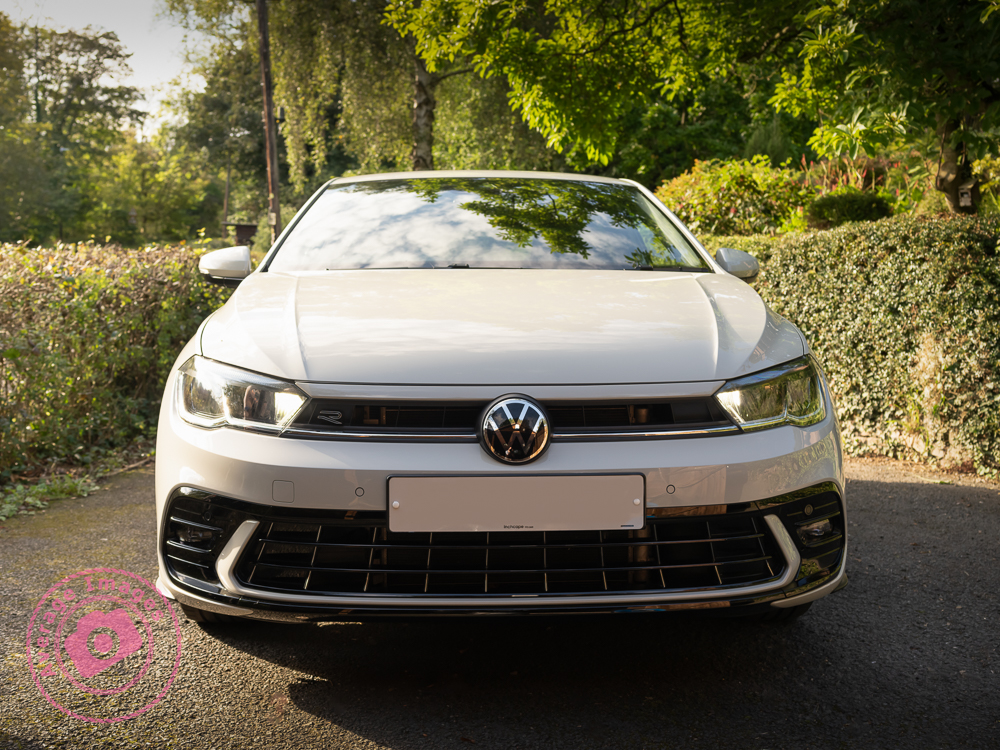
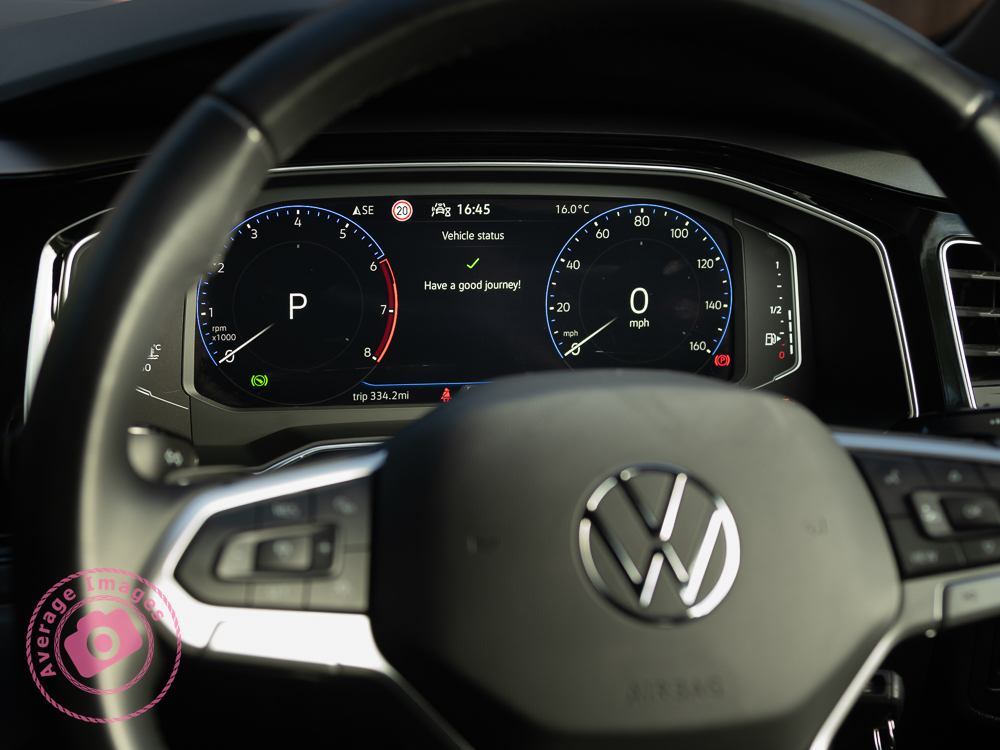
Anyway, enough of that – and here are some detail photographs of a car with a petrol engine.
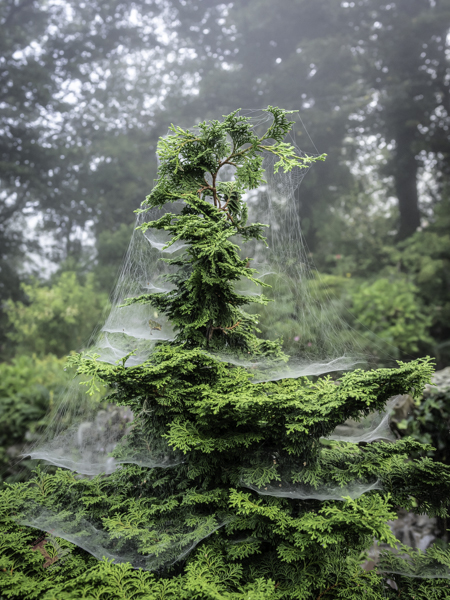
Or so the saying goes. But probably not as complex as this multi-storey web that greeted me this morning, the silken fibres accentuated by the fine water droplets from the mist-laden air.
Now, I’m not sure if this is the work of one spider who has claimed the entire conifer bush or whether there are multiple tenants in occupancy, but it is very impressive – although perhaps not if you suffer from arachnophobia!
Oh what a tangled web
There are over 650 spider species in the UK, but not all of them make webs (the others are ‘sit and wait’ hunters). It only takes about an hour for a spider to spin the average web, and they often make a new one each evening (maybe that explains why there are so many here). Contrary to popular belief, they are not just for catching prey; they are also used to attract a mate and, later on, protect their young.
‘Oh what a tangled web we weave / When first we practice to deceive’ is from a poem; ‘Marmion: A Tale of Flodden Field’ by Scottish author Sir Walter Scott (1771-1832).
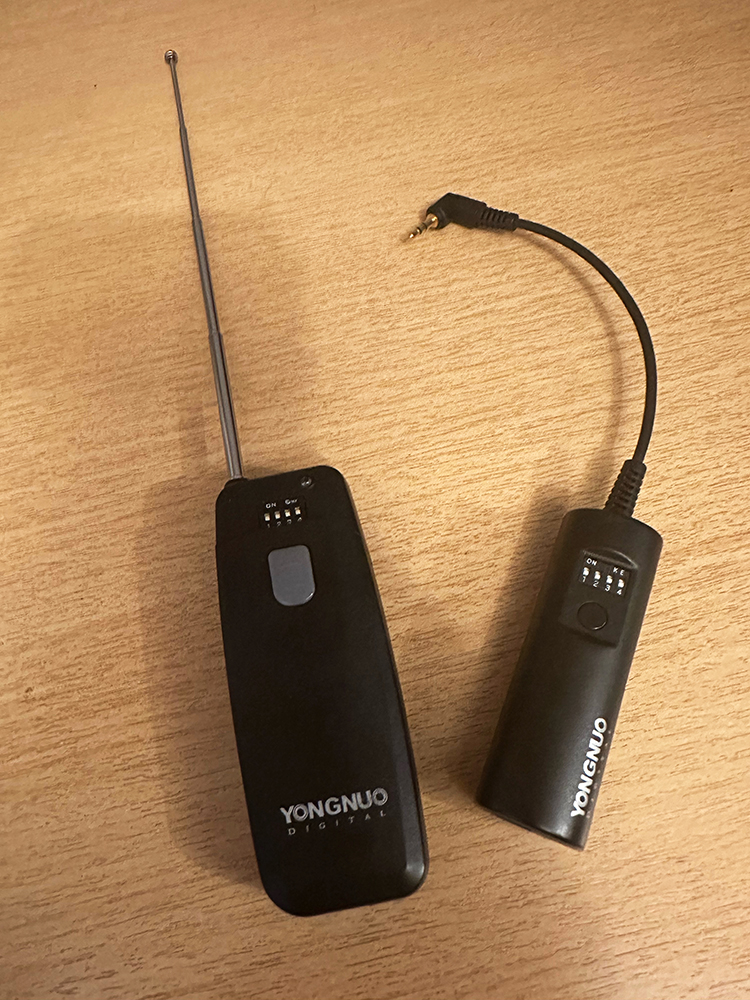
They always say that you should test any kit before you go on a shoot, particularly if it is the first time that you have used it. This was (kind of) the case on my first Painting with light photoshoot, when I tried my Yongnuo WRS II wireless remote as a shutter release.
I’ve had this for more years than I care to remember and I guess I must have used it numerous times in the past. But never with the Pentax 645Z camera and never, as far as I can remember, in bulb mode.
So, there I was, in a wooded area, in darkness, trying out my Painting with light setup for the first time. My first (background) shot needed to have an exposure time of 5 minutes so I activated the shutter with the wireless release and waited for the allotted time (which seemed to take forever when standing in the dark). When the time was up I pressed the release button on the remote release. Nothing happened. I tried again and then tried pressing the shutter on the camera. Nothing.
Incompatible with my camera
I looked at the top plate of the camera and it indicated that the shot was still being taken. I decided to turn the camera off. But still nothing happened – the LCD panel remained lit and the exposure time was still counting. With the camera turned off!
I had no other choice than to remove the battery from the camera. Fortunately, when I reinstalled it and turned the camera back on, all was well. I continued with the shoot but had to manually press the shutter on the camera each time – which meant fumbling my way back to the camera in the dark after each exposure. It worked, but it wasn’t ideal.
The next day, in the comfort of my home, I tried it again – but with the same result. I can only assume that the electronics of this particular remote shutter release are not compatible with the electronics of the Pentax 645Z when in bulb mode (it seems to work fine in any other exposure mode). It’s a bit of a shame, especially when I had just spent £7 on new batteries for it.
Fortunately I remembered that I had an infrared remote shutter release from a previous Pentax camera and tried that. The Pentax 645Z has a forward mounted sensor which means I can use it in front of the camera, and also a red flashing light to show when the shutter is activated, which will make it much easier in the dark to know what is going on. In hindsight, this infrared release may be a much better option.






 Ironbridge Images