Quote… Unquote

I’m enjoying taking flora photographs in a blooming Spring garden at present but it does become rather tricky thinking of how to write a topical blog post each time. Therefore I have decided to use a garden-related quotation as a lead-in. Here is the first one, very apt given that our garden is the result of 80 years of gardening by my family.

Gardens are not made by singing ‘Oh, how beautiful,’ and sitting in the shade. Rudyard Kipling

Siberian iris ‘Iris sibirica
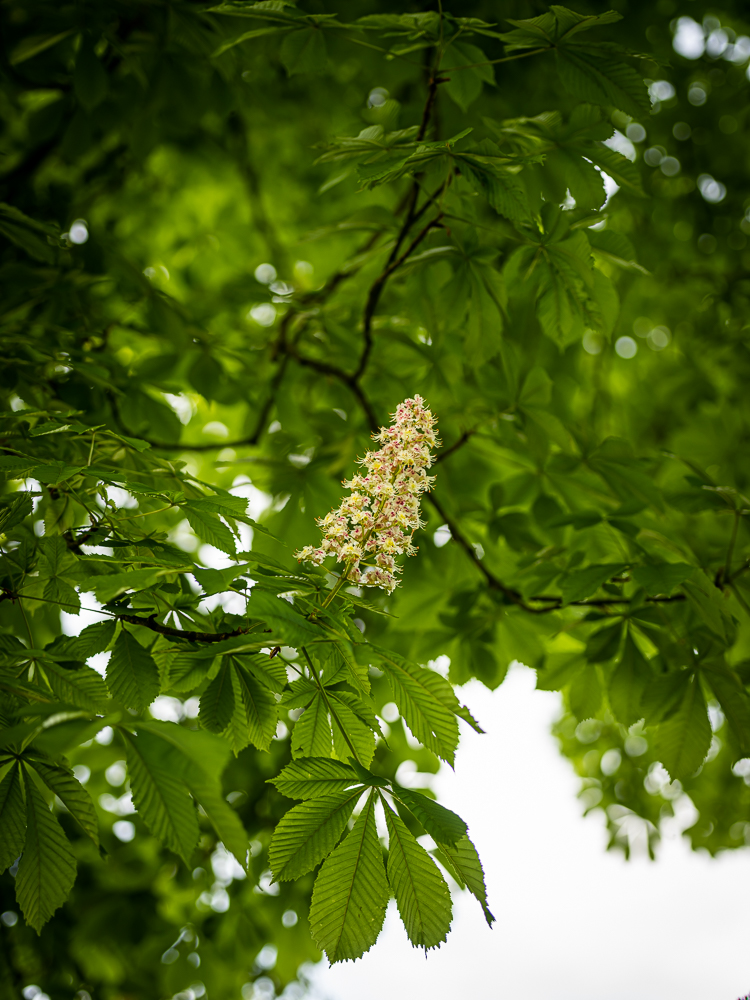
Horse Chestnut (or Conker Tree) – ‘Aesculus hippocrastanum
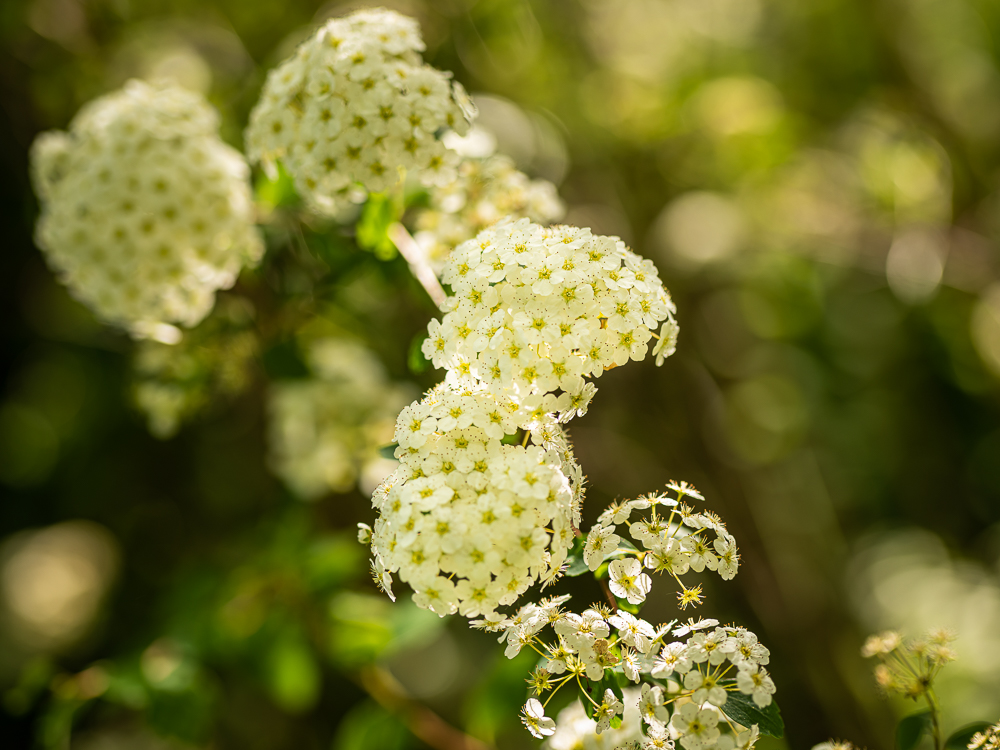
Spiraea cantoniensis
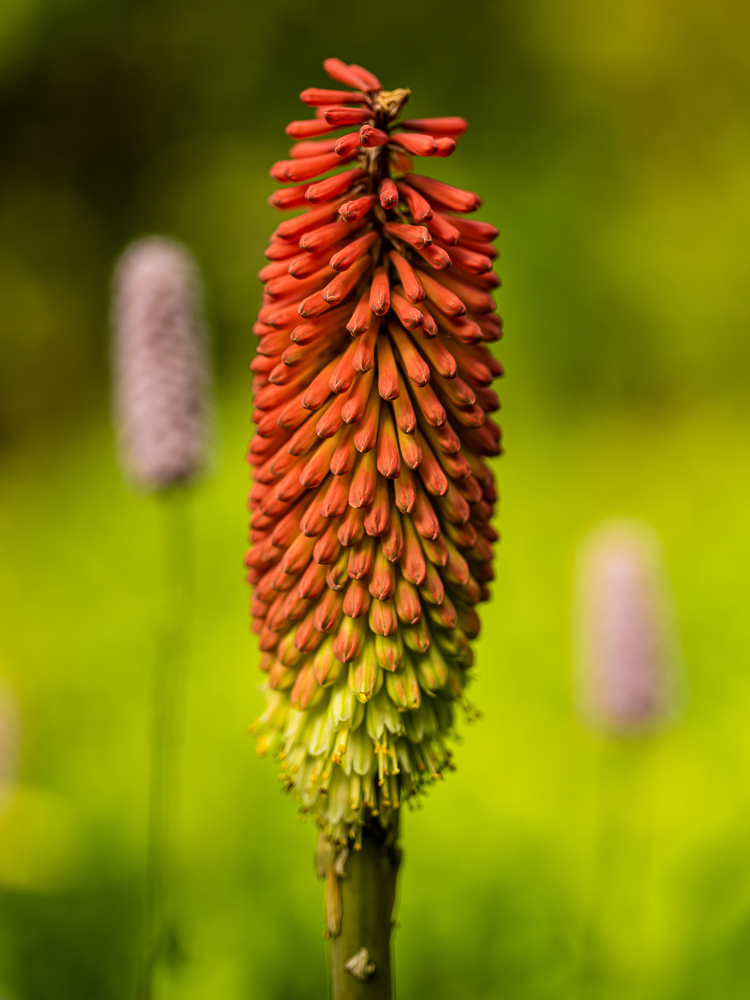
Red hot poker – ‘Kniphofia uvaria‘ || © John Hallett Photography
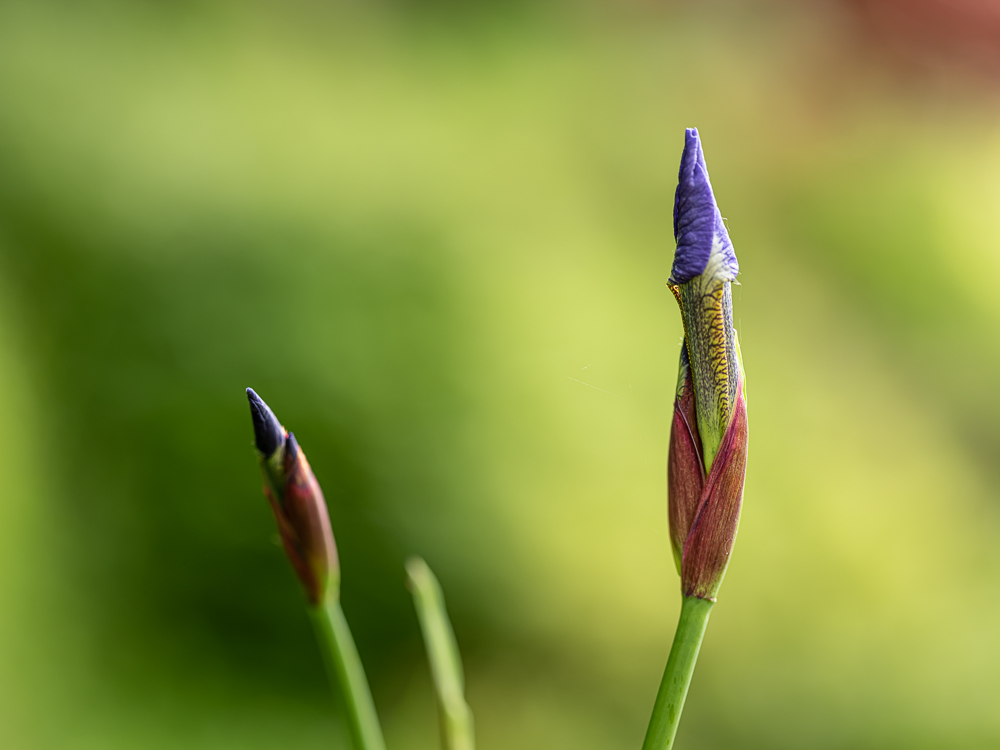
Siberian iris buds ‘Iris sibirica

Fine Art Flora

I have decided to use the category name ‘Fine Art Flora’ to replace ‘Flora & Fauna Photography’. Why? Well partly because I won’t be taking many ‘fauna’ photographs and partly because it reflects the type of image I’m looking at creating.

Mombretia (Crocosmia) leaf after rain

So what are ‘fine art flora‘ photographs?

These are images of plants and flowers captured for their aesthetic quality rather than to create a record of the subject. In other words, they are intended as an image to be viewed for pleasure as opposed to be used as an identification aid; to be viewed on the wall rather than in a plant encyclopaedia.

Follow my journey as I explore the garden with a new vision.

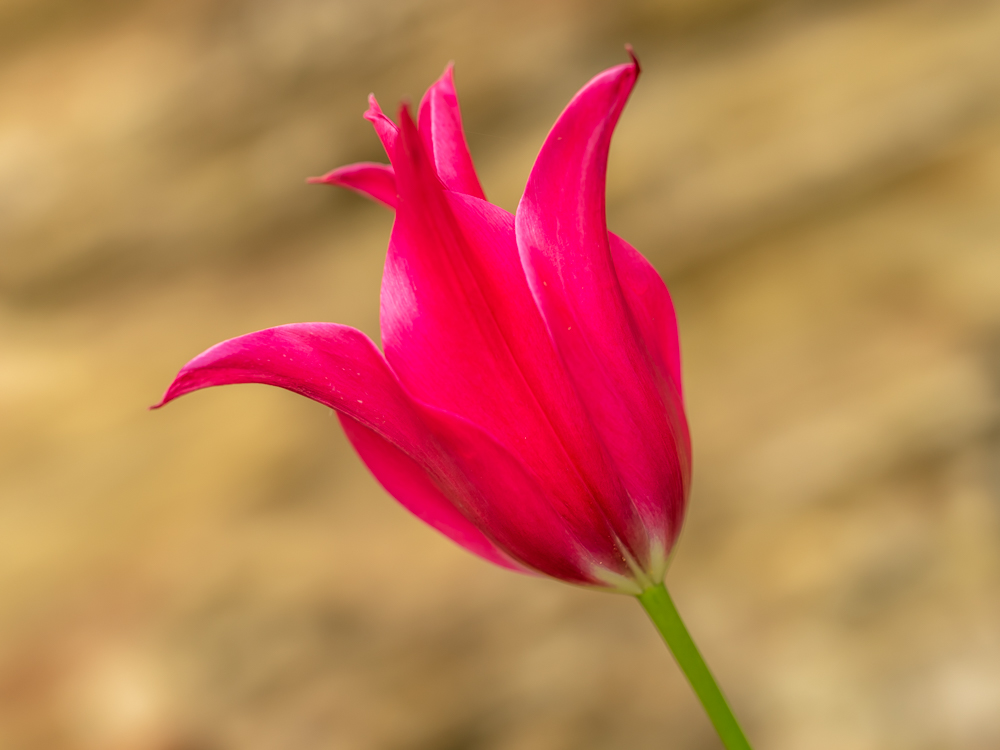
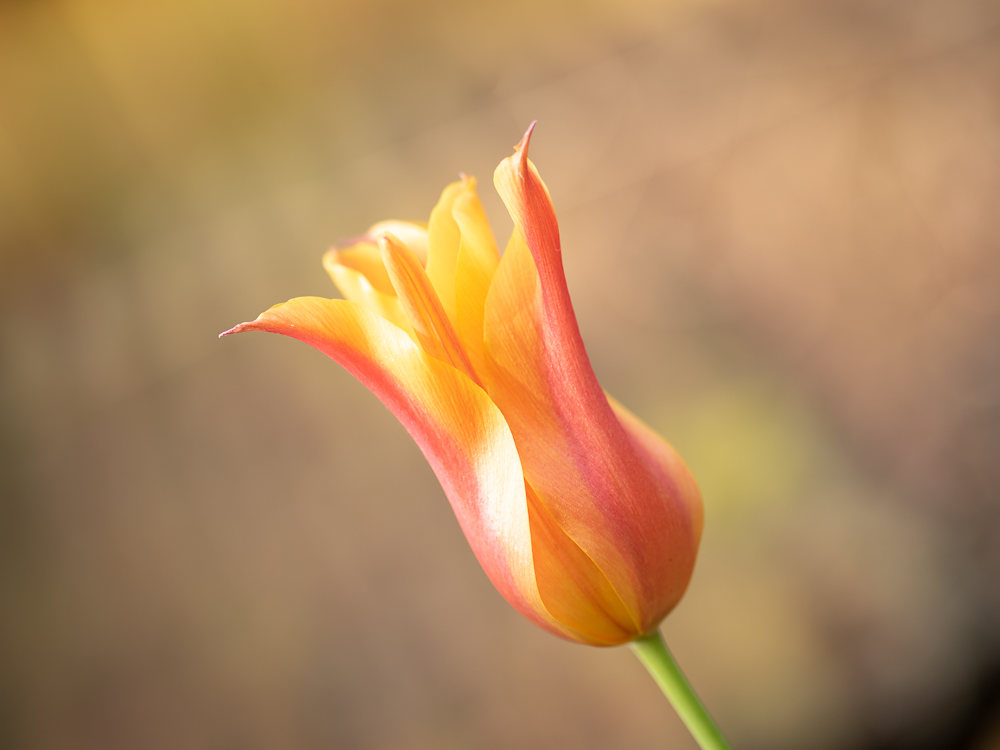
Tulip (tulipa)
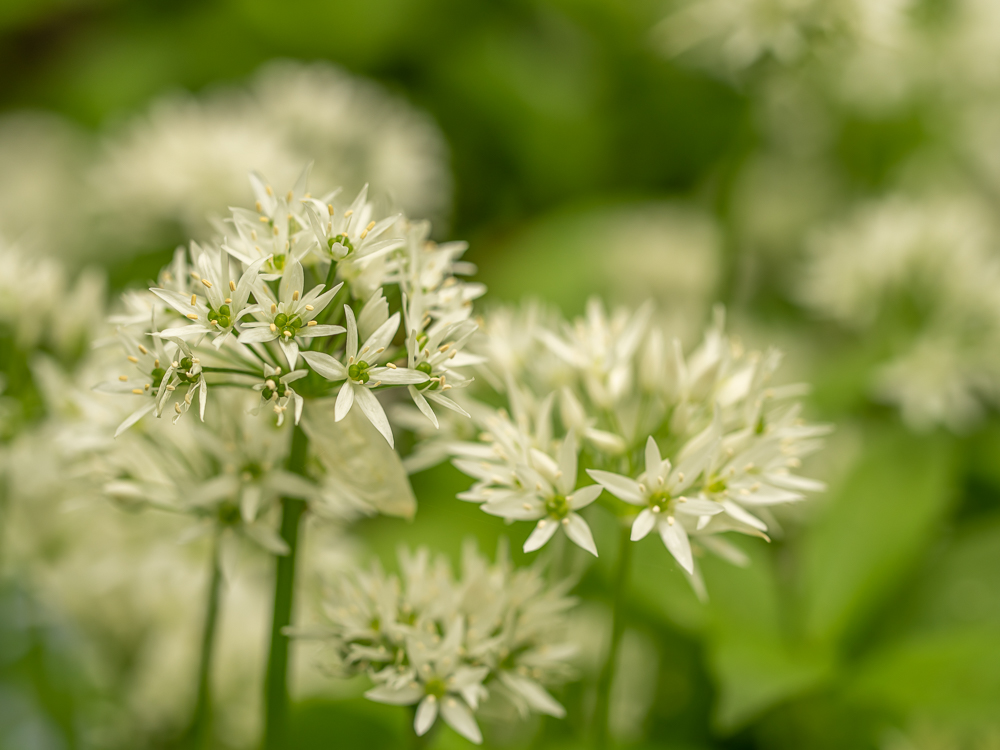
Wild garlic (Allium ursinum)
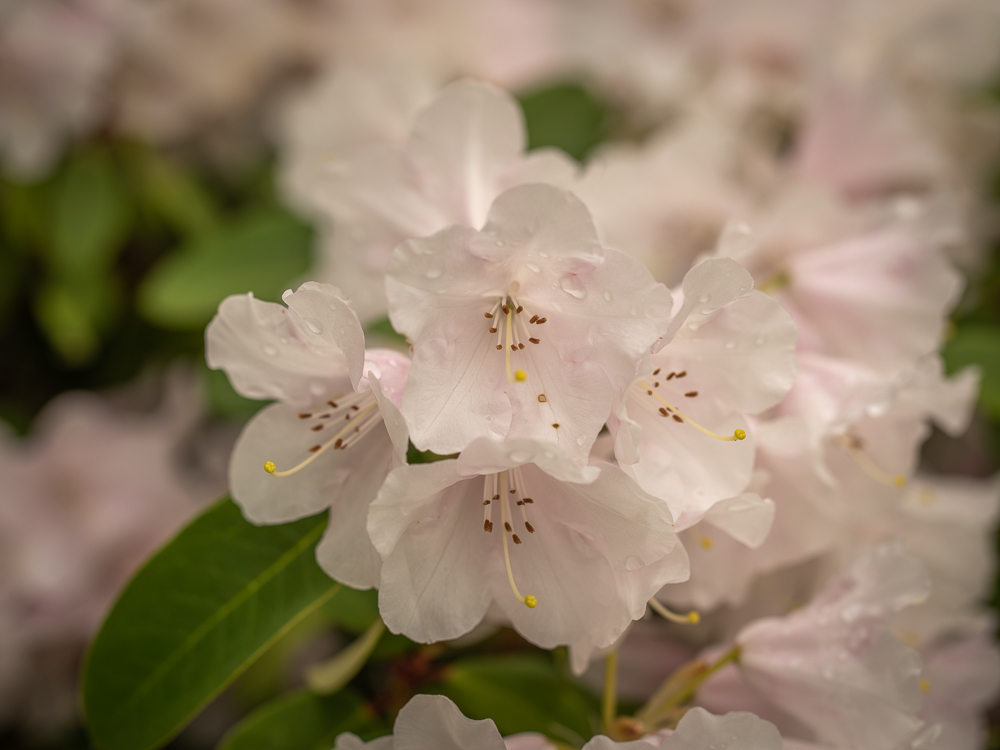
Rhododendron flower
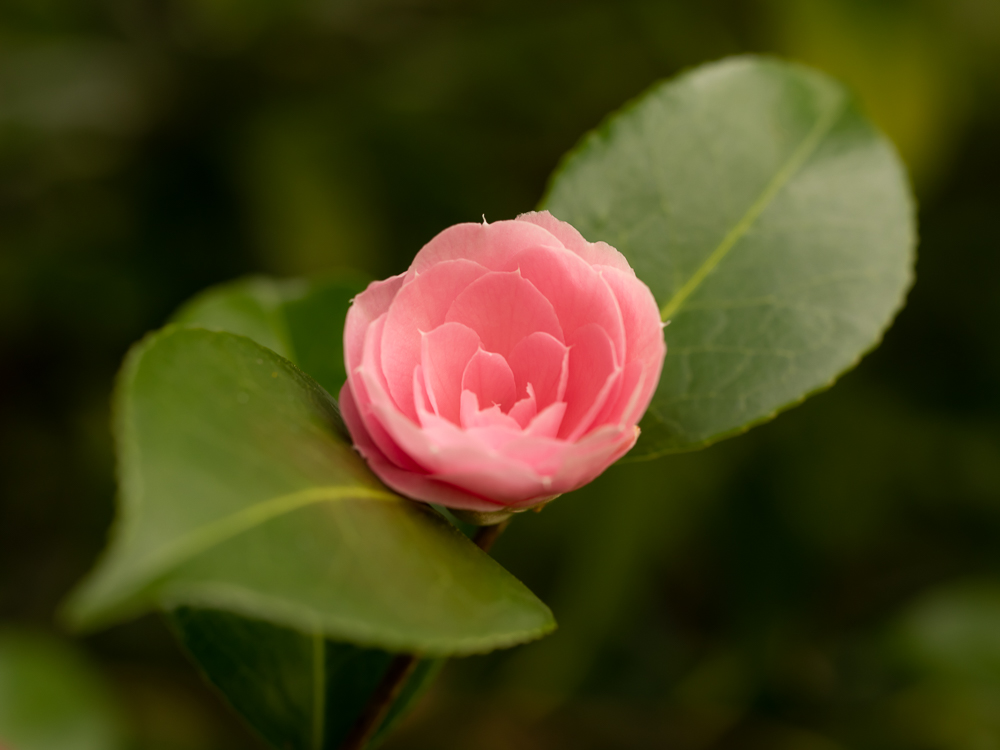
Japanese Camellia (Camellia japonica)

Flower tips

As mentioned in my recent post April showers may bring flowers I have been taking some flower images with inspiration from the Belgian photographer Dirk Ercken.

Tulip ‘tulipa

A few tips I have taken from him are the following:

  1. Don’t use a tripod. This goes against the grain for me who has always used a tripod for close-up and macro photography. Dirk’s reasoning is that being free to move gives far better opportunities for composition and background choices.
  2. Use a large aperture to blur the background and create that dreamy feel rather than having a large depth of field that allows the background to start taking over the shot
  3. Bracket the aperture settings. There is a fine balance between obtaining that dreamy feel and obtaining subject sharpness. It isn’t an exact science and may change depending on the subject. Therefore taking several shots with different apertures gives you the choice when viewed large on a monitor that you cannot make from the small LCD screen on the camera.
  4. The choice of background is as important as the choice of subject. Take time to look at what is behind the subject to ensure that it doesn’t compete.
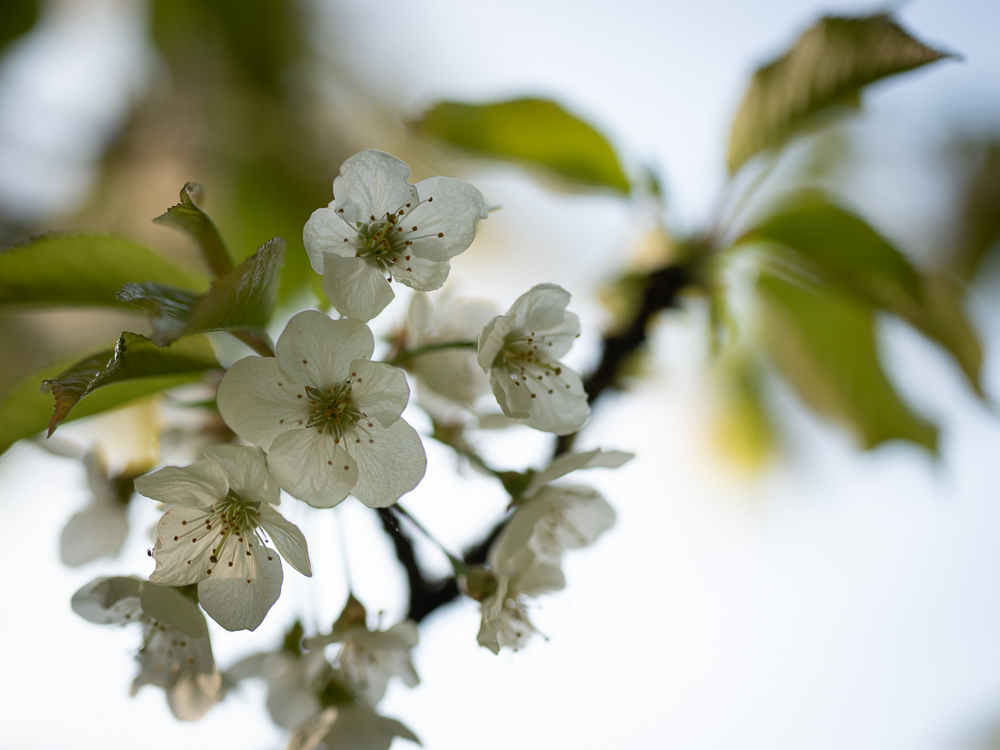
Cherry blossom ‘cerasus flores

This is still very much ‘work-in-progress’ but I’m enjoying this kind of flower photography more than ever before and with a garden full of opportunities there is no excuse for not using the camera.

April showers may bring flowers

With a garden full of flowers starting to bloom in the Springtime it would be churlish to overlook the photographic opportunities that it presents literally on my doorstep. And after all, when I purchased my medium-format camera one of my first additions was a macro lens (see That didn’t take long) specifically for this purpose.

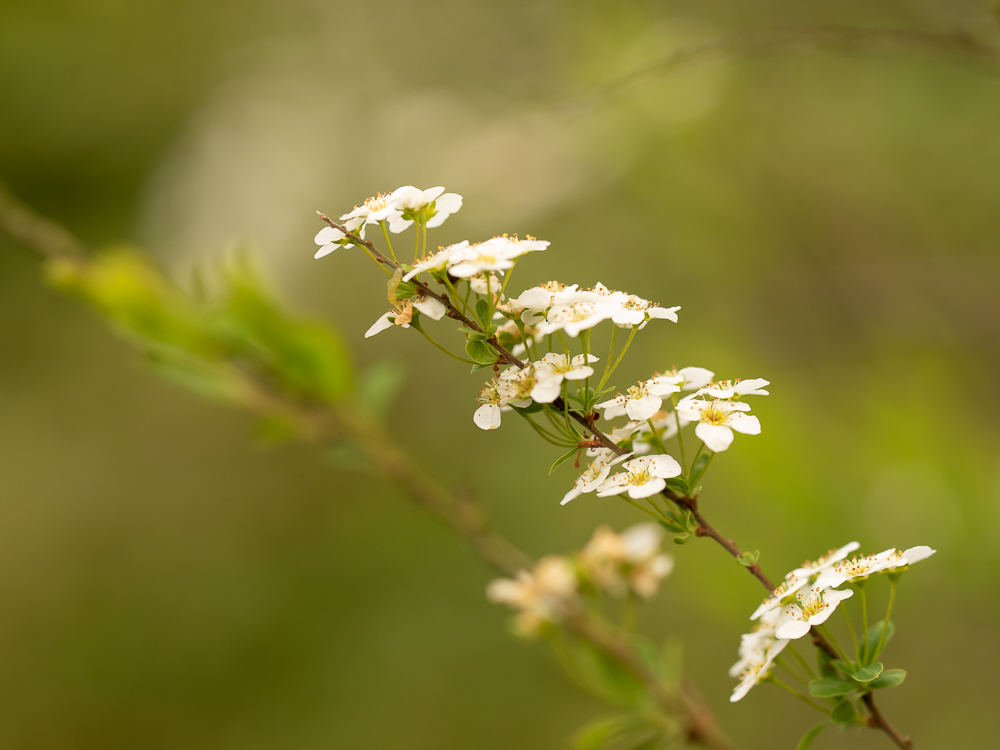
Spiraea Bridal Wreath ‘spiraea prunifolia’

I have been studying the work of Dirk Ercken, a Belgian biologist and nature photographer who takes some beautiful dreamy-style flower photographs, quite unlike the stark, record-type of images that I have done in the past. Fuelled by this inspiration I am making a conscious effort to take a more artistic approach and will chart my progress as I go. One of the things I will have to improve though is my flower identification skills.

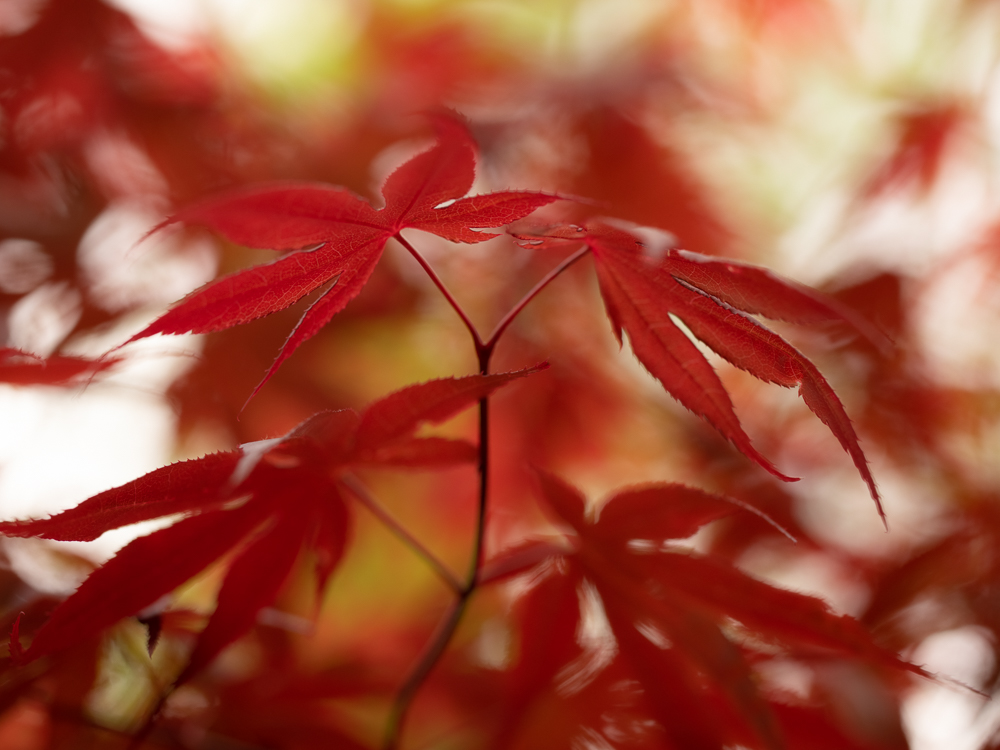
Japanese maple ‘acer palmatum’