Black bryony

Black bryony is a poisonous, climbing perennial plant with heart-shaped, glossy leaves and red berries in autumn. It can be found in British woodlands and hedgerows, and all parts of the plant, especially the berries and tubers, are toxic and can cause severe skin irritation, so consumption and contact should be avoided.  

In English folklore, Black Bryony was seen as a plant of entanglement and deceit. It was sometimes called the “Devil’s Vine”, believing that its climbing stems could snare the careless, or lure children into danger with its tempting, jewel-like berries.

I decided to use some in this shot, adding a poison bottle and glass to create a scene. I was going to take more, but Mrs H seemed to be getting restless about me having it in the house!

Black Bryony

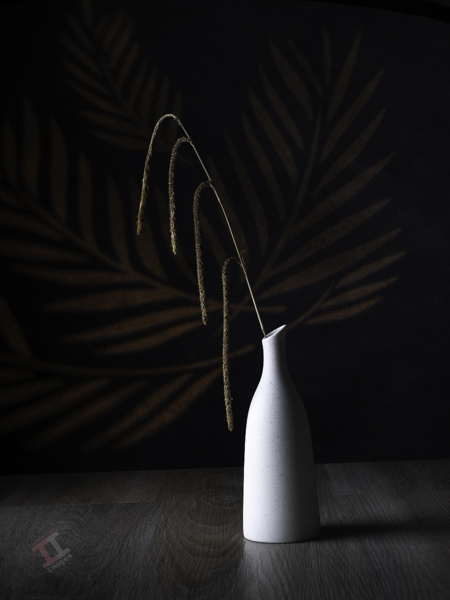
Cross-lit sedge

Another studio lighting trial, this time with a simple cross light from a soft box, together with a back-lit projection. In hindsight, maybe the projected image is a bit too much – perhaps I should have toned it down a bit (or omitted it altogether).

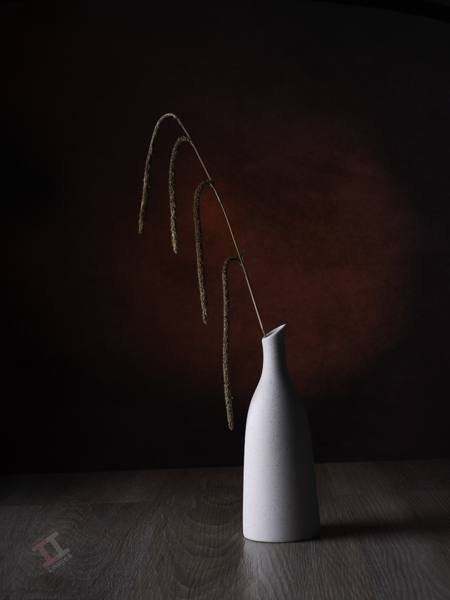
So here is another version, this time with just a red backlight from a snoot:

Which one do you prefer?

Red Fuchsia

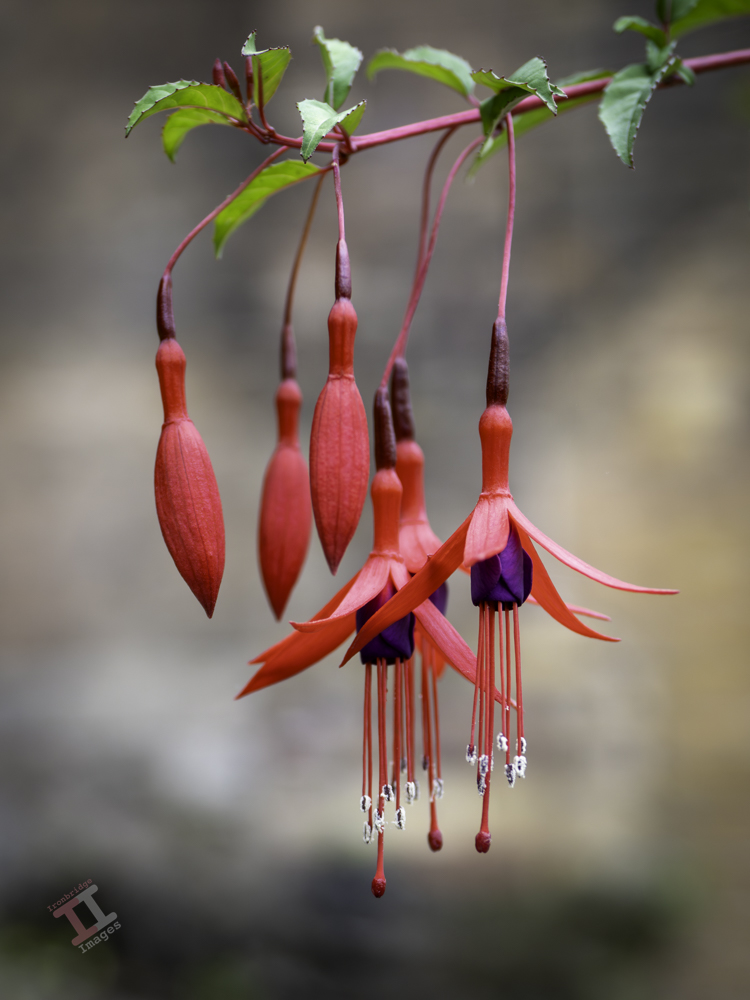
I haven’t done much flower photography recently – and certainly not since I changed cameras to the Micro-Four-Thirds Olympus OM-D E-M1 Mark III, with its M Zuiko 12-100mm f4 IS PRO lens. However, as I passed by a flowering fuchsia in one of our garden planters the other morning, I felt that is was really worth a photograph and so tried the above combo to see how it turned out.

Hand-held at 1/100s and ISO250, I am very pleased with the result. It is quite sharp with minimal noise and at f/4 it has made the background brick wall nicely out-of-focus.

I really should do more of these flora shots, particularly whilst the garden is in full bloom.

Red Fuchsia

Blooming garden

With June just around the corner the flowers are blooming almost as well as the weeds are growing. Here are a few photographs from another early morning walk around the garden;

Meadow crane’s-bill Geranium

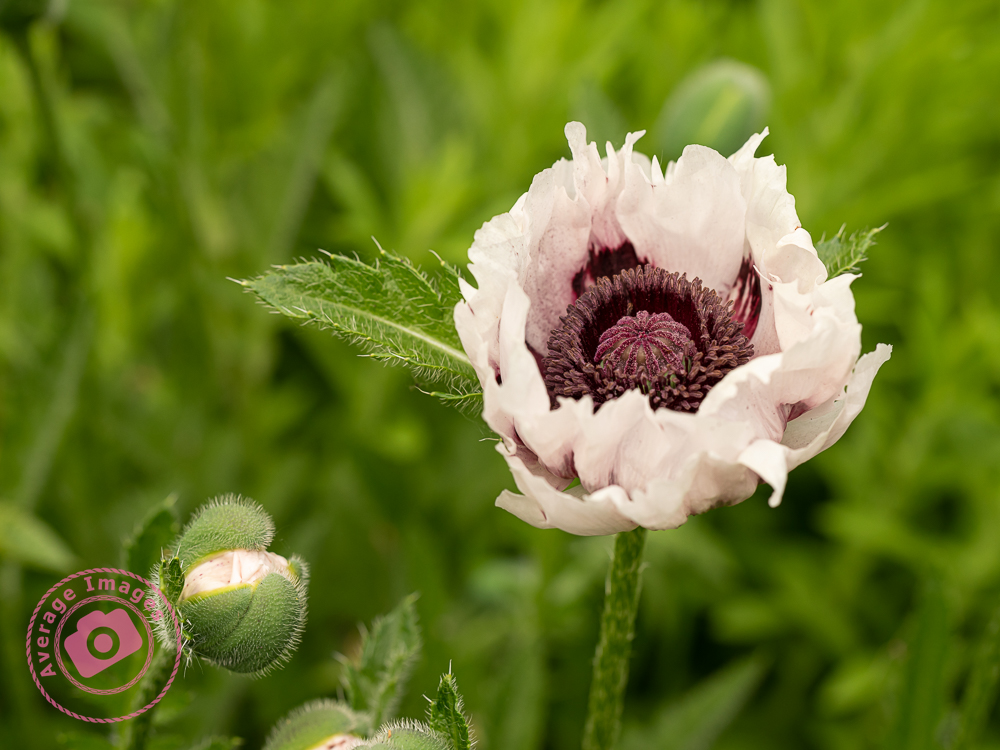
Oriental poppy Papaver
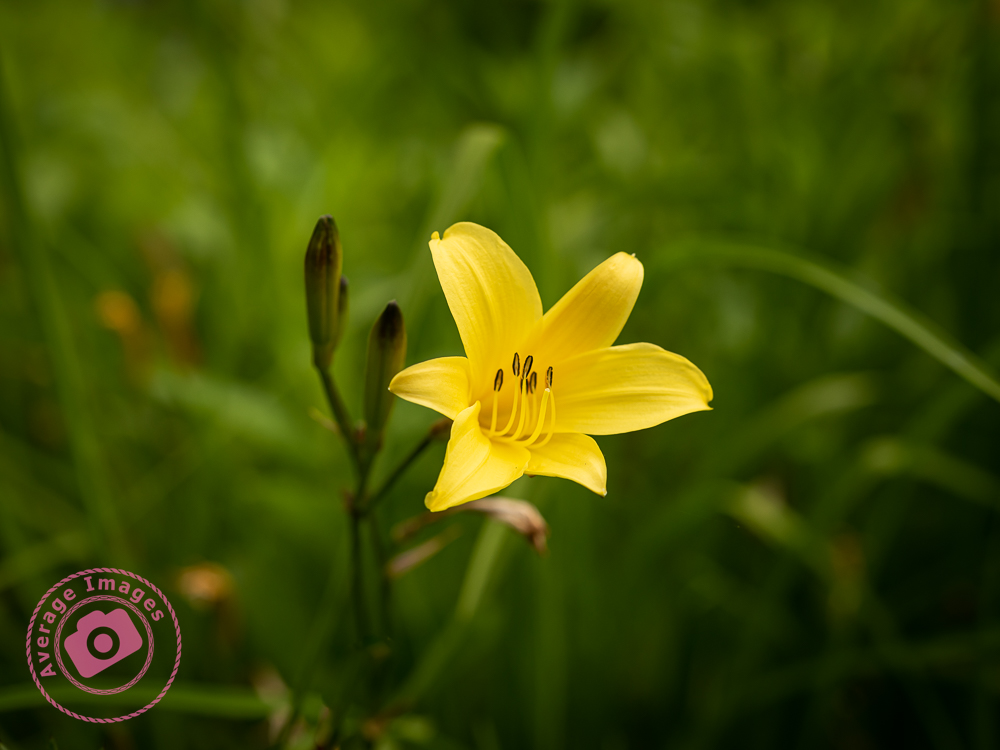
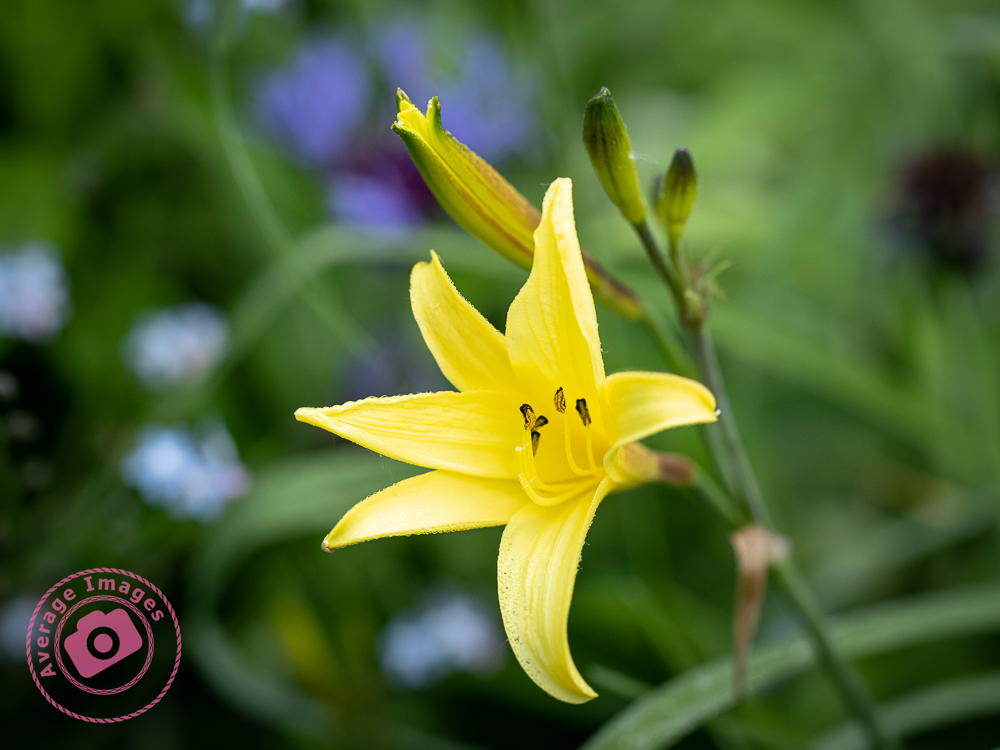
Yellow daylily Hemerocallis liloasphodelus
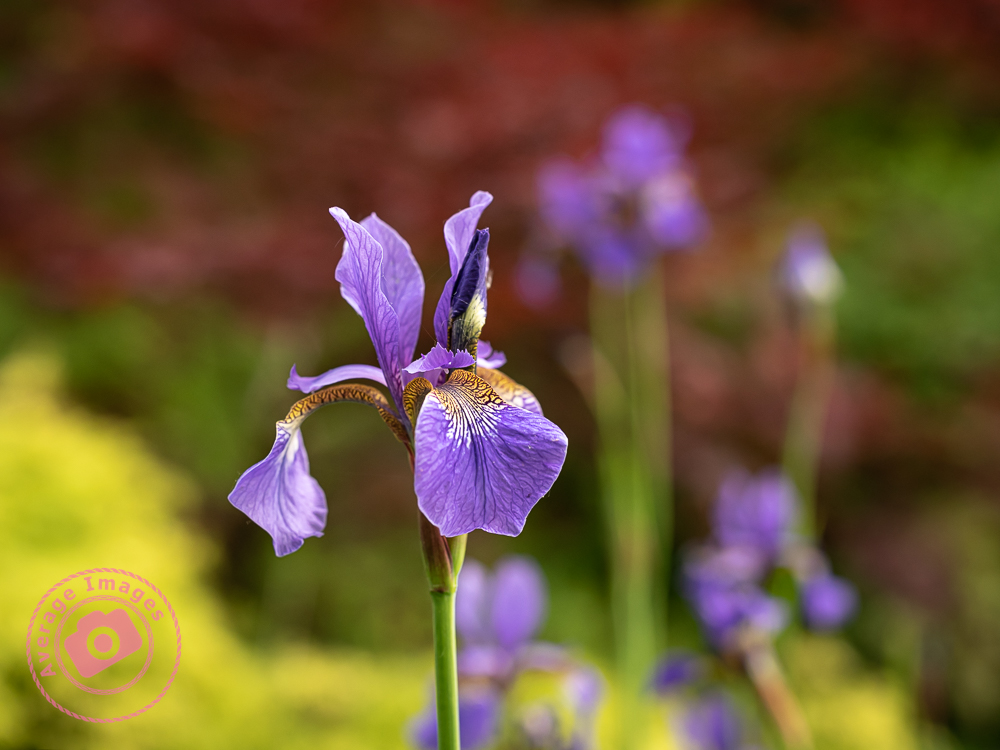
Siberian iris Iris sibirica
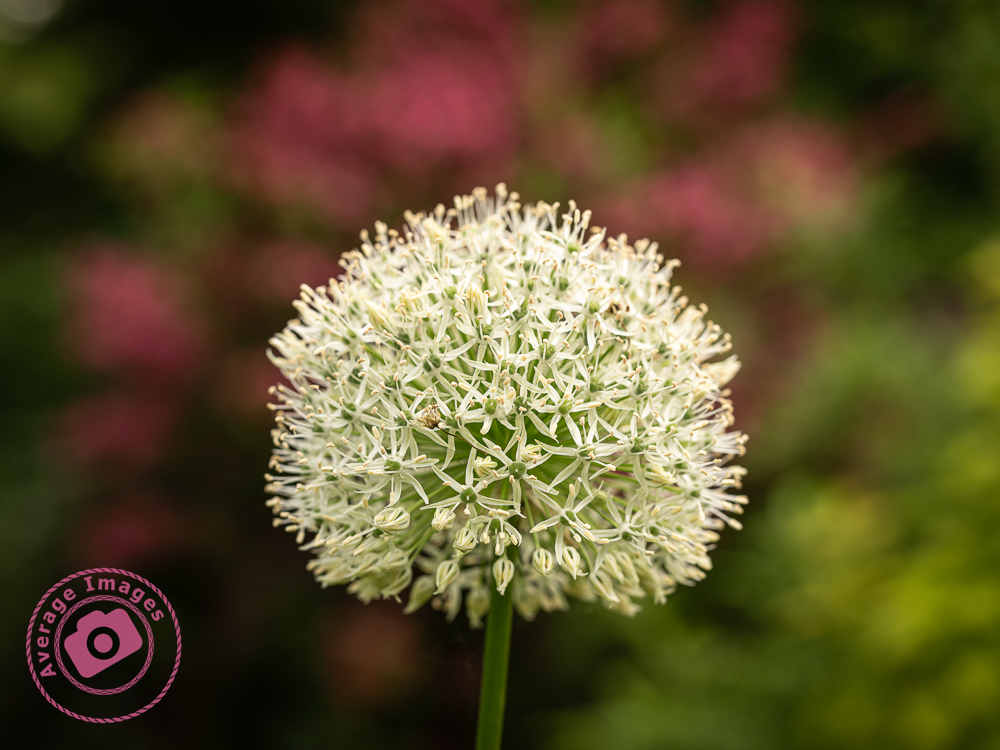
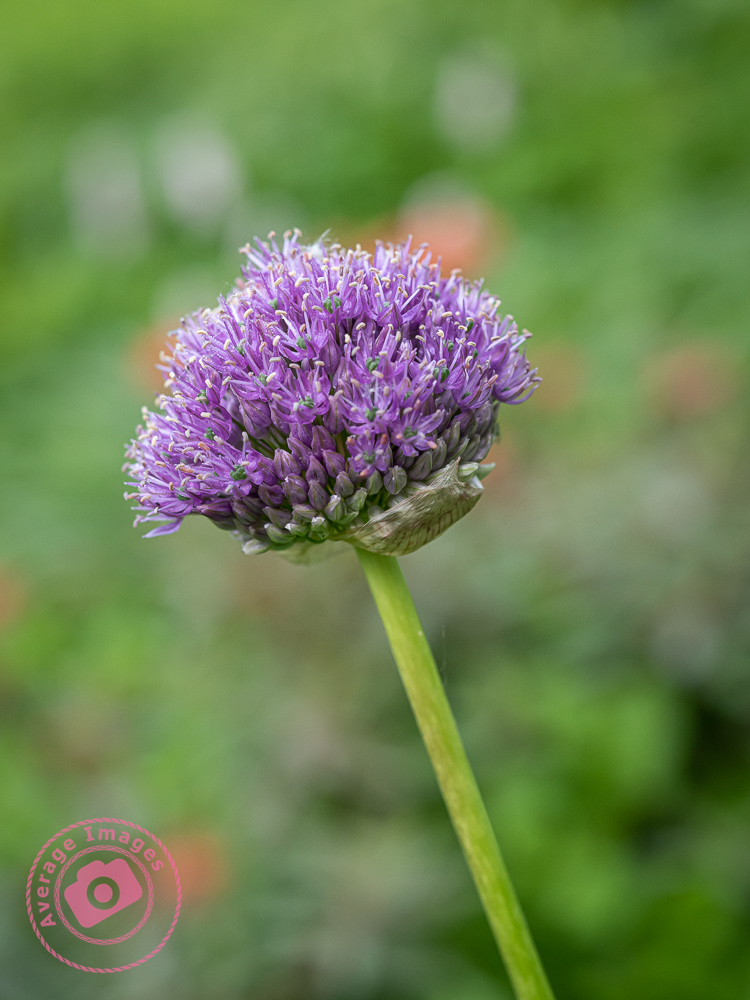
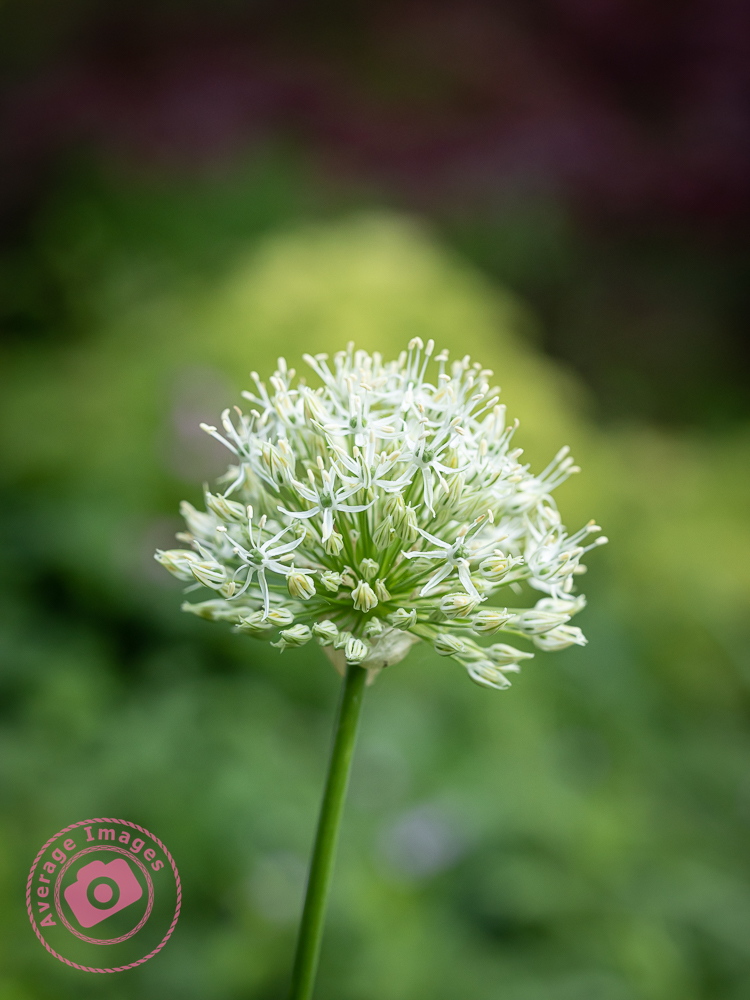
Giant onion Allium gigantium

Early morning garden photography

With Summer weather finally upon us (for a short time, at least), I have been spending most of my weekends in the garden, usually mowing and strimming grass and weeds. During this time, I have noticed several blooms that deserve to be captured photographically, but any time after about 10am the sun is just too strong and bright to do them any justice. Therefore I was out at 7am taking the following images before I set off to work.

Yellow daylily Hemerocallis

I should mention that I am currently utilising the style of flower photography extolled by the photographer Dirk Ercken; in other words, I don’t use a tripod and hand-hold the camera whilst attempting to find the best background. Focussing is achieved by fine movements backwards and forwards to get the desired chosen part of the flower in focus. Numerous shots are taken to optimise these fine differences in the focal point so that the best image can be chosen in post-processing.

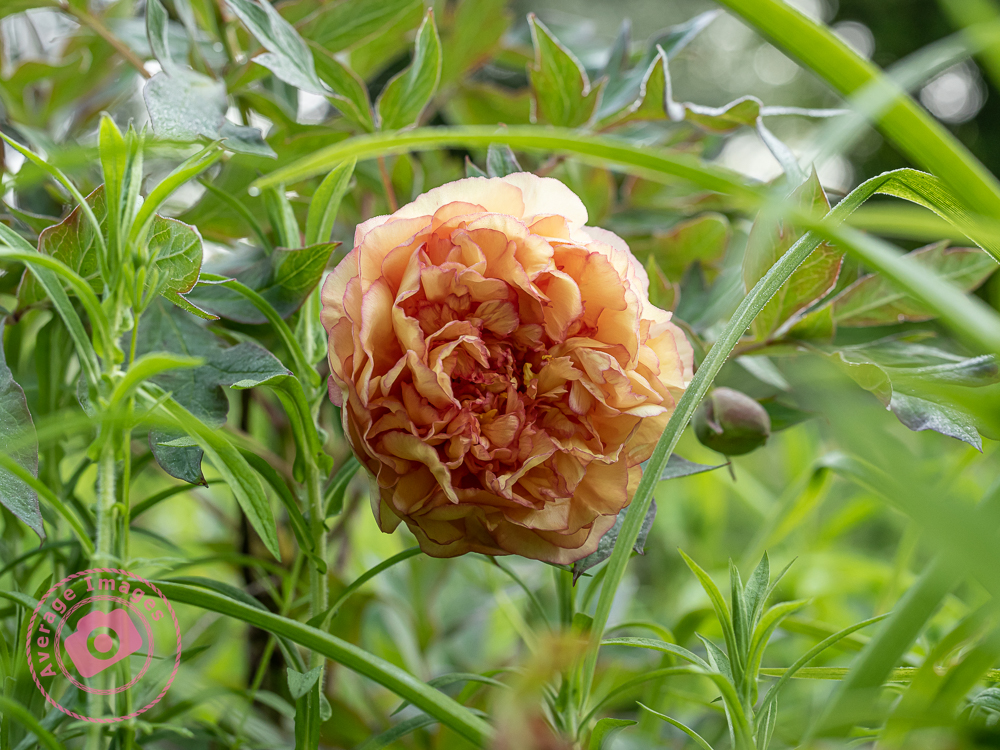
Tree peony Paeonia

Not being tied to a tripod makes the composition much more fluid, and I am enjoying the process far more – even though it goes against the more commonly held view that tripods and clamps should be used to minimise any camera or subject movement.

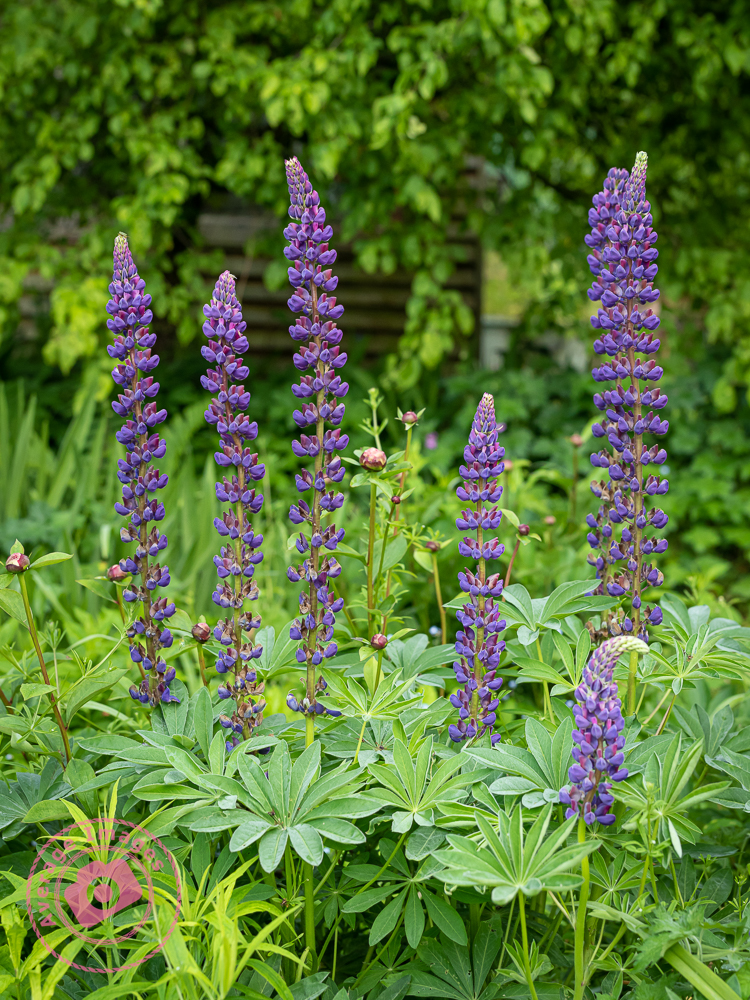
Garden Lupine Lupinus
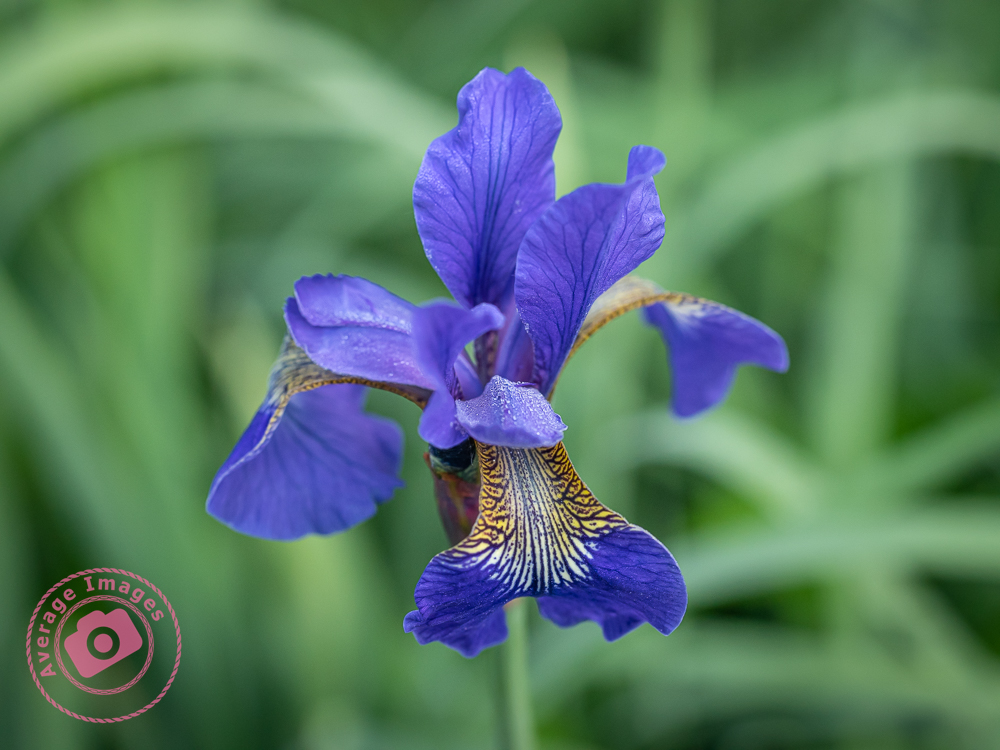
Siberian Iris Iris sibirica

More of my early morning garden photography session will follow shortly…

Leopard’s Bane

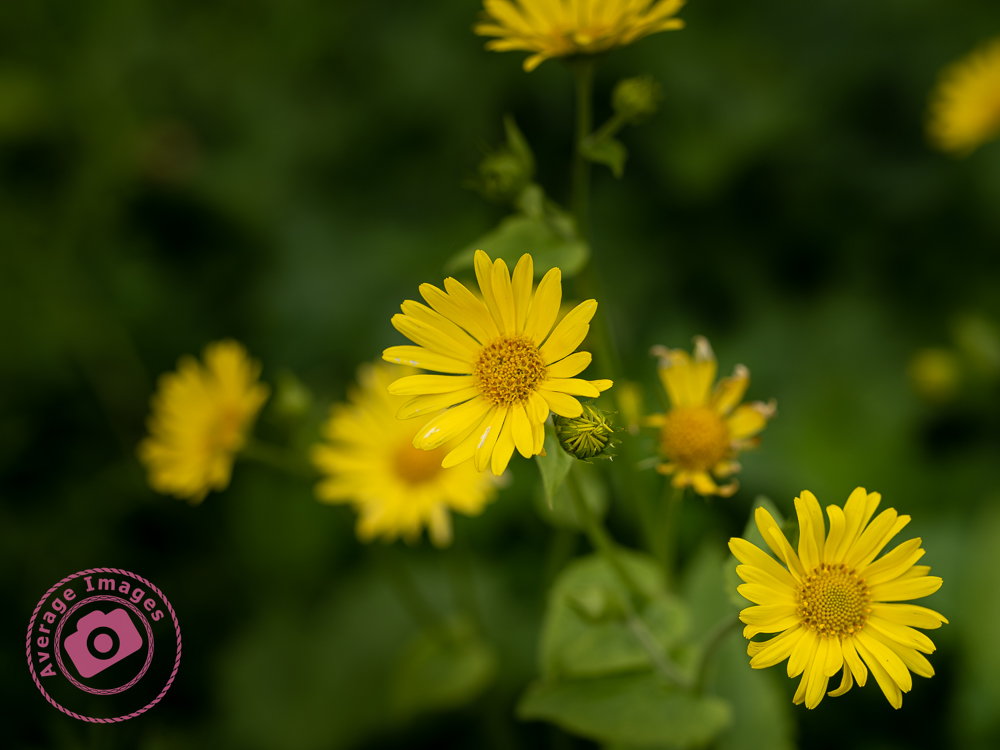
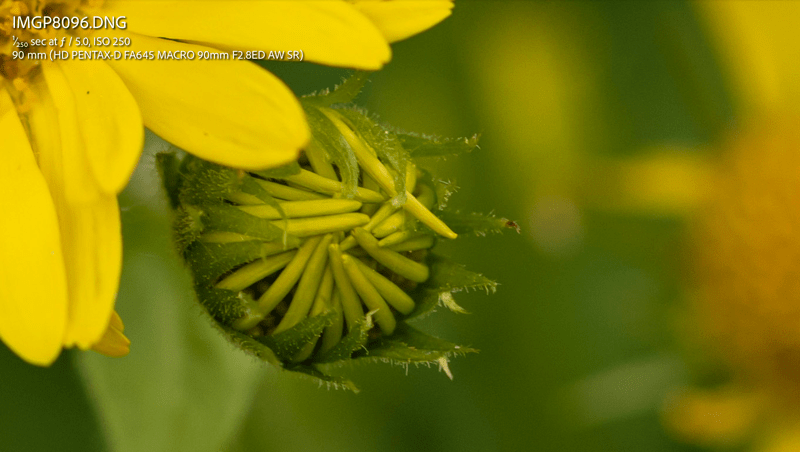
Leopard’s-bane is a perennial in the daisy family and grows almost like a weed in our garden.

Leopard’s-Bane Doronicum pardalianches

It is so-named (allegedly) because all the plants in this genus were once thought to be poisonous to animals, although why leopards were singled out is unclear.

When I view the image in detail I am still not overly happy with the focal sharpness which, I think, is due to me still not fully appreciating the reduced depth-of-field that you get with medium format in comparison to full frame or APS sensor cameras.

Don’t get me wrong; considering that it was a hand-held shot, when viewed at 200% (see below) the selected areas are tack sharp – it’s just that the depth of focus isn’t there and this requires some further learning on my part.

To this aim I have ordered a simple focus target wedge so that I can run some trials with each lens in order to understand the depth of focus at different apertures for each one.

I’ll publish the results of these trials once complete.

Keeping the doctor away

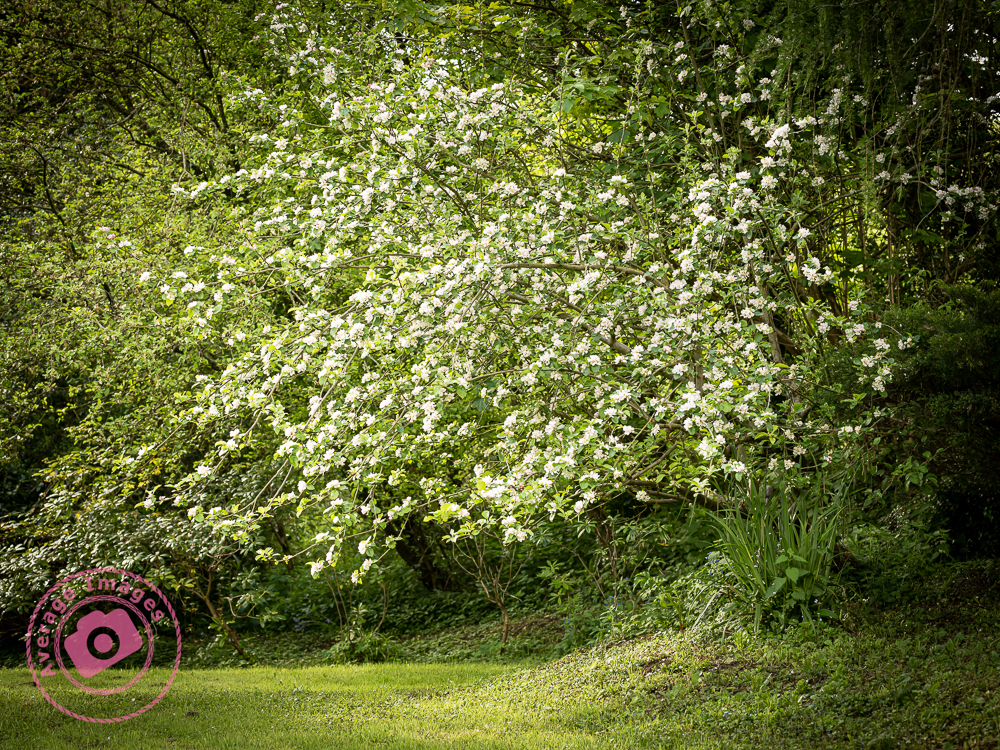
If the old adage is to be believed there will be no medical practitioners visiting Average Images this year given the quantity of apple blossom on our trees. Assuming, of course, that they all get pollinated and turn into fruit. This cooking apple tree is the last of our apple trees to have flowers – strange how they blossom at slightly differing times – presumably Natures way of maximising the pollination period.

The apple tree in blossom

Actually the earliest variant of this saying is from Pembrokeshire, Wales recorded in 1866:

Eat an apple on going to bed, and you’ll keep the doctor from earning his bread

Only 20 years later and it had become:

An apple a day keeps the doctor away

Modern scientific analysis seems to conclude that there are some health benefits with eating an apple on a daily basis – but surely eating any fresh fruit and vegetables can only be good for you?

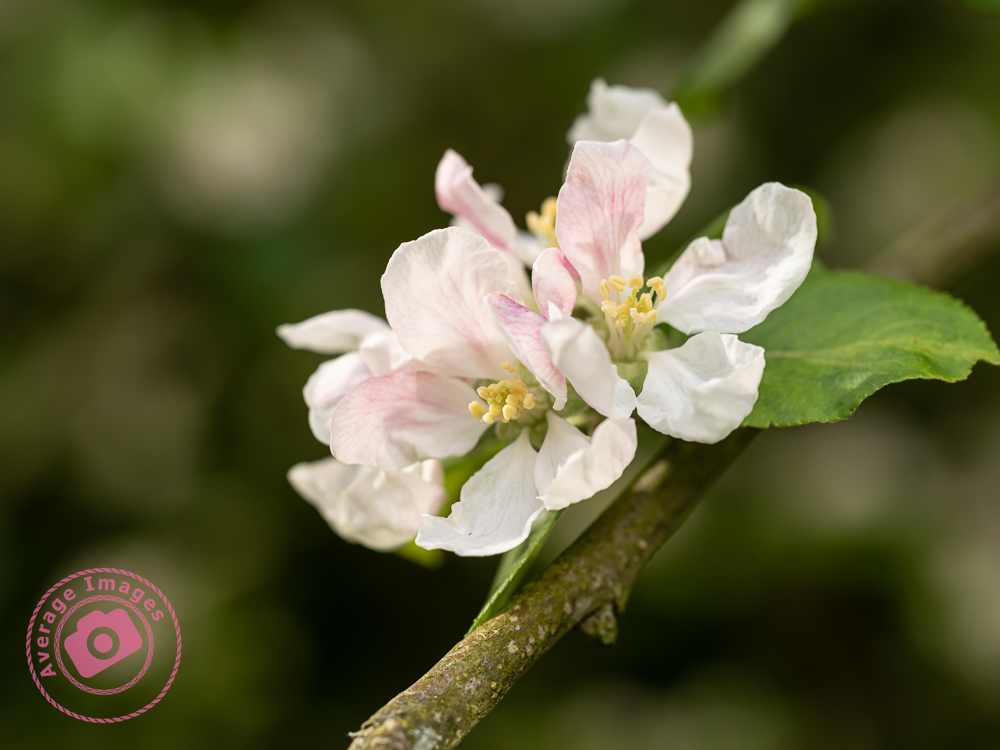
Apple blossom close-up Malus pumila

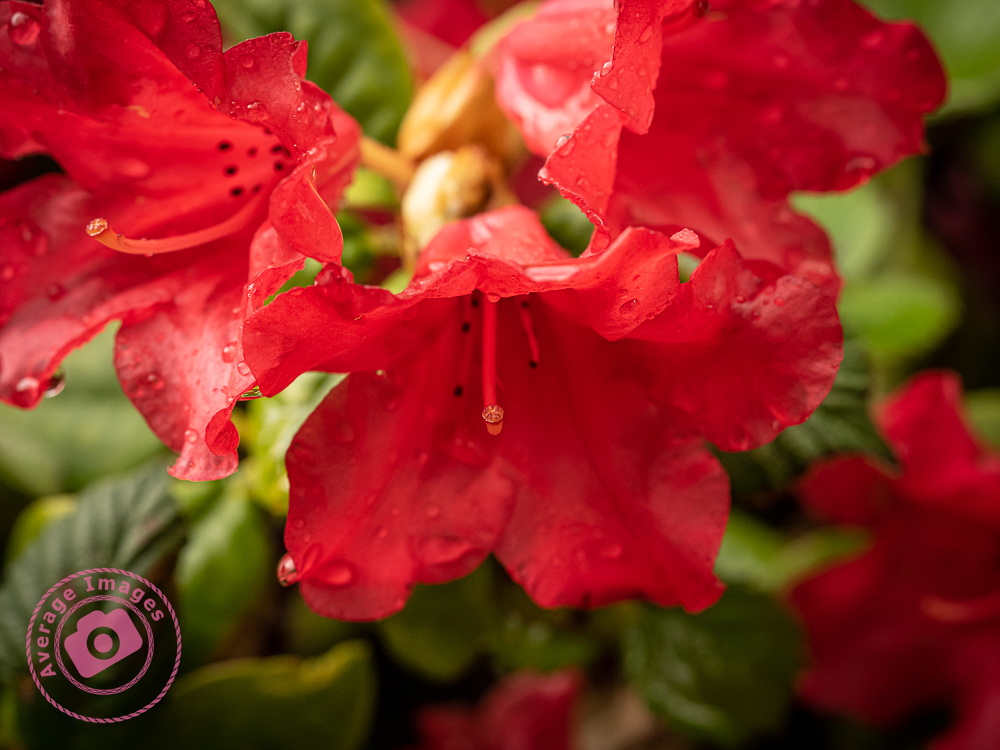
Azalea or Rhododendron?

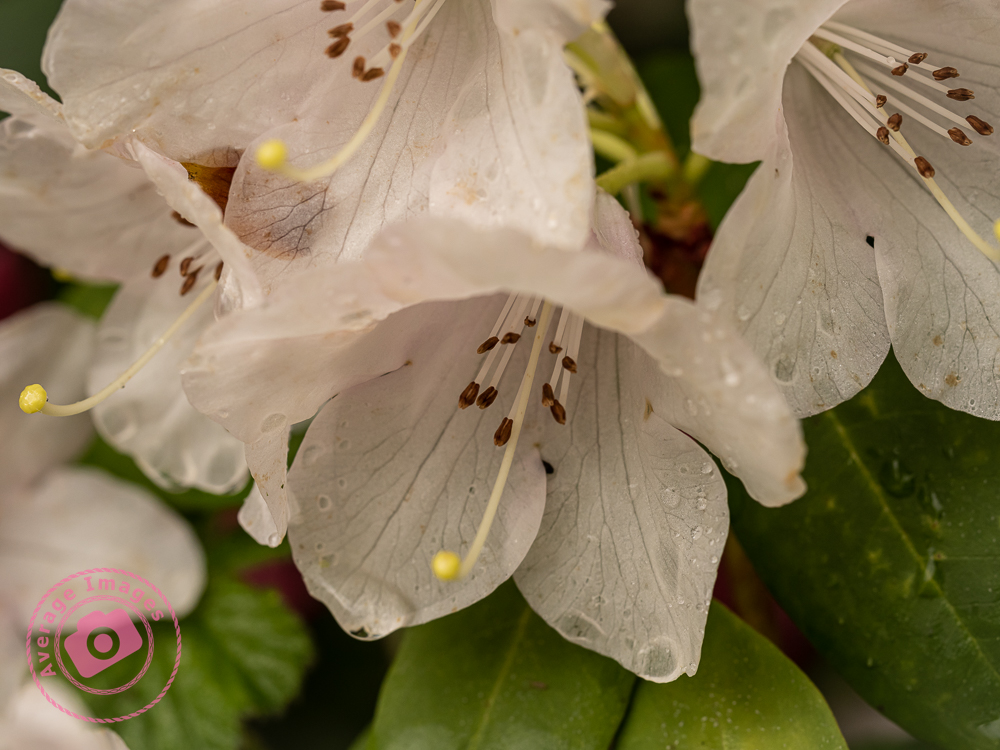
Often confused, the two plants are actually closely related, with the azalea being part of the Rhododendron genus. It can be difficult to differentiate between the two although there are some general identifying traits:

Azalea:

  • Generally a smaller shrub, 4-6 feet tall.
  • Flowers are more funnel-shaped (as opposed to bell shaped)
  • Flowers have fewer (5-6) stamen (the long parts that stick out of the centre of the flower)
  • Thin, soft, sometimes hairy, leaves
  • Many, small stems
  • Most are deciduous (shed their leaves in the Autumn)
Azalea or Rhododendron?

Rhododendron:

  • Thick, leathery leaves
  • Many stamen (often 10 or more)
  • Flowers often clustered together in trusses
  • Stout stems
  • Usually evergreen
Azalea or Rhododendron?

Are these photographs of Azaleas or Rhododendrons? I’ll let you decide.

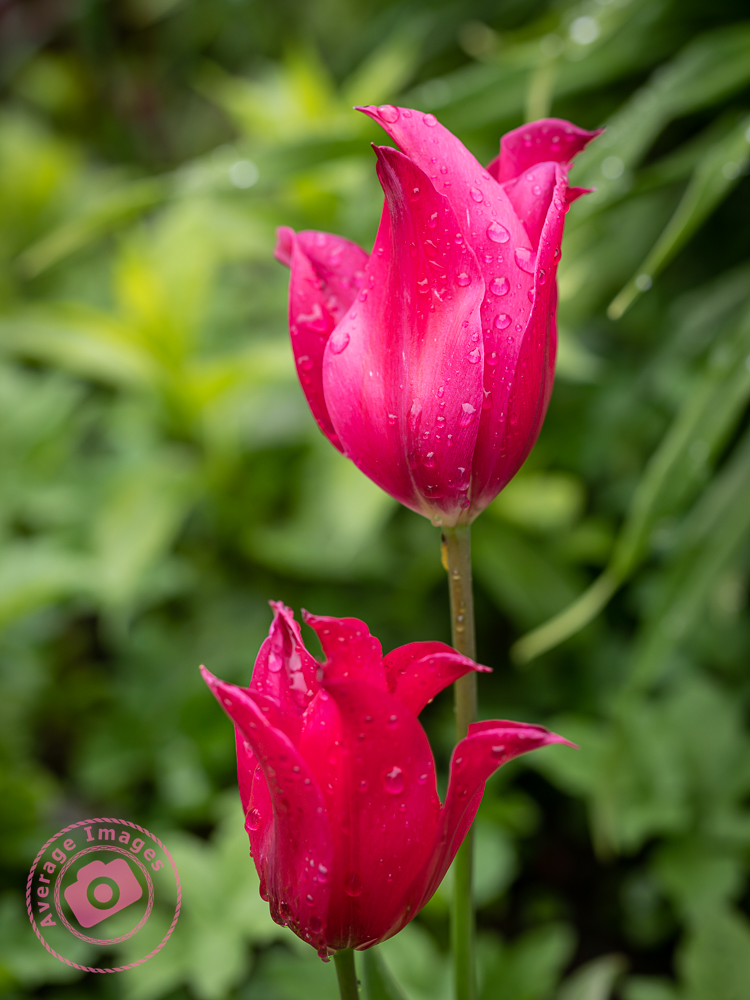
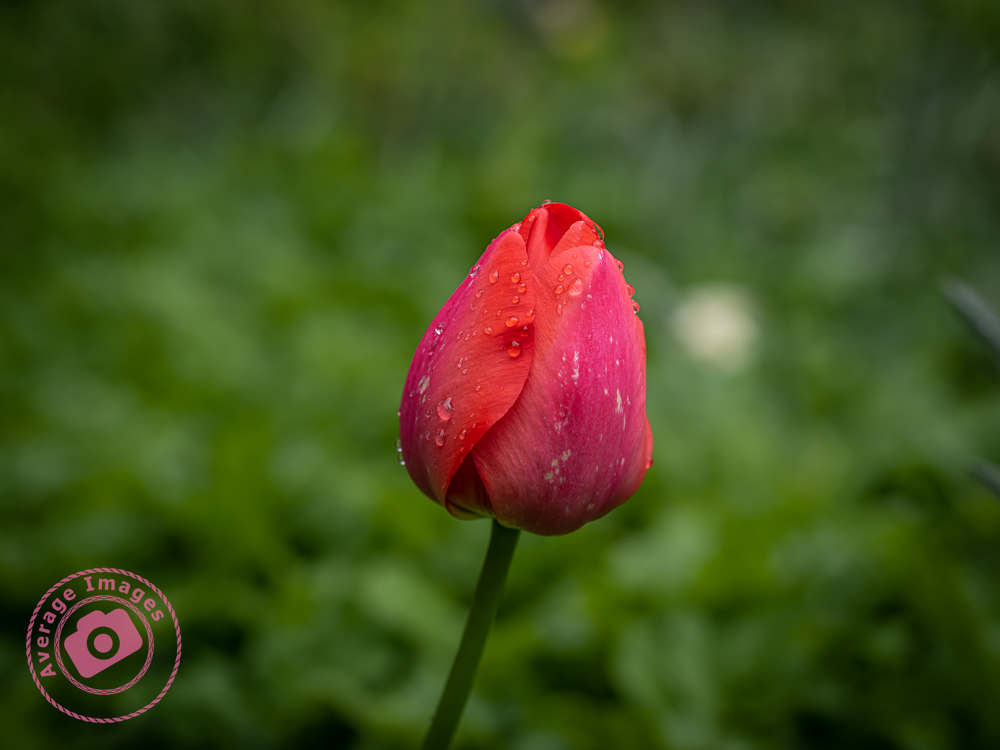
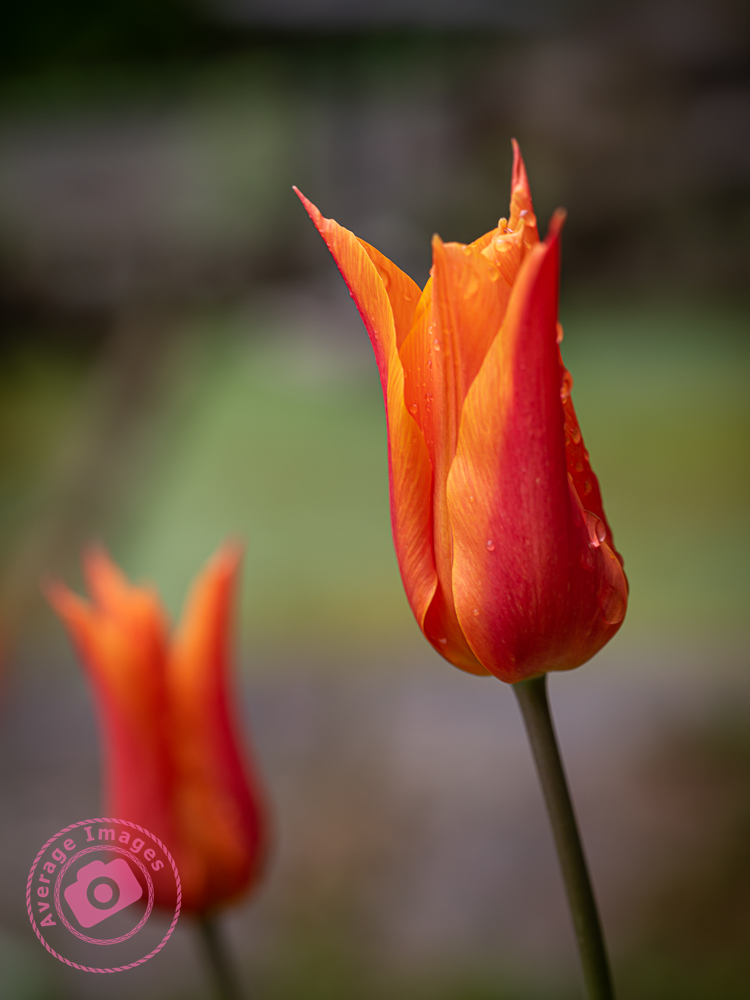
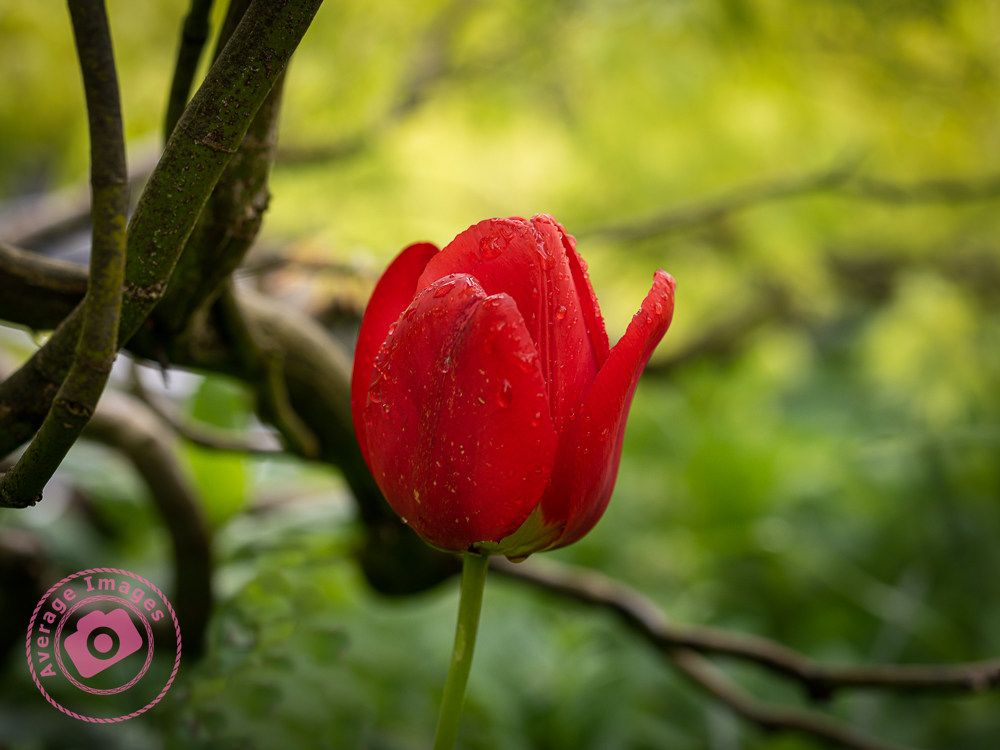
Tiptoe through the tulips

We had several vases full of tulips courtesy of Asda home delivery, who supplied them as an Easter gift. I don’t think we were supposed to have quite so many, but the delivery driver seemed keen to give them to us – maybe because I always help him with the grocery baskets every week.

It seemed an opportune time to take some indoor flora photographs of them and try out a blue/grey ‘abstraction’ pop-up background that I purchased in December but never got around to using. Rather than transport the vases to my studio, I decided to use light from the window with the ungainly background perched behind.

Except it never happened! This was largely due to my current sloth-like approach to photography. By the time I had actually summoned enough enthusiasm to go and get the aforementioned background, the tulips had gone well past their best (and, in fact, ended up in the bin the following day). This is something I call “Photography Lethargy”.

Apparently, this feeling is not unique, and I recently concurred with a similar view on a blog post by Lea and Lens entitled “I have literally no desire to pick up a camera”. Here the author describes her lack of inspiration to pick up her cameras and ponders whether it is due to time constraints or the lack of involvement in any photographic ‘community’.

Personally, I think that I have got ‘image overload’ by seeing too many photographs. Everyone has a mobile phone with a camera, and they are not afraid to use it. The problem is that some of them are very good! This makes me wonder what the point of getting my camera out is. Am I just going to create a ‘cheap copy’ of someone else’s excellent work?

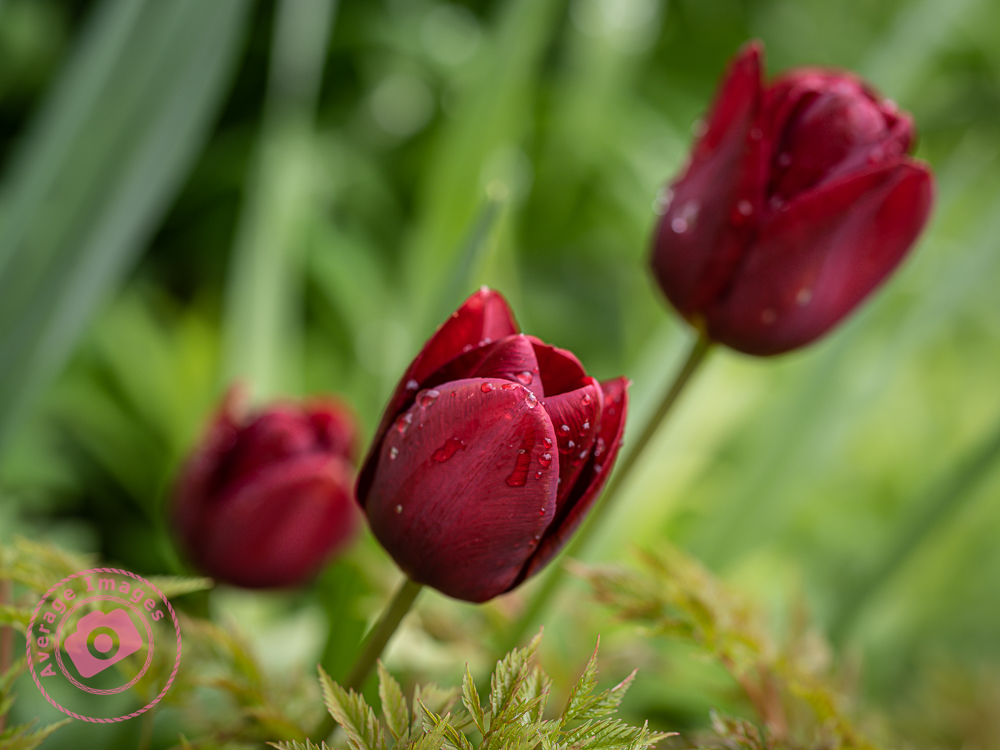
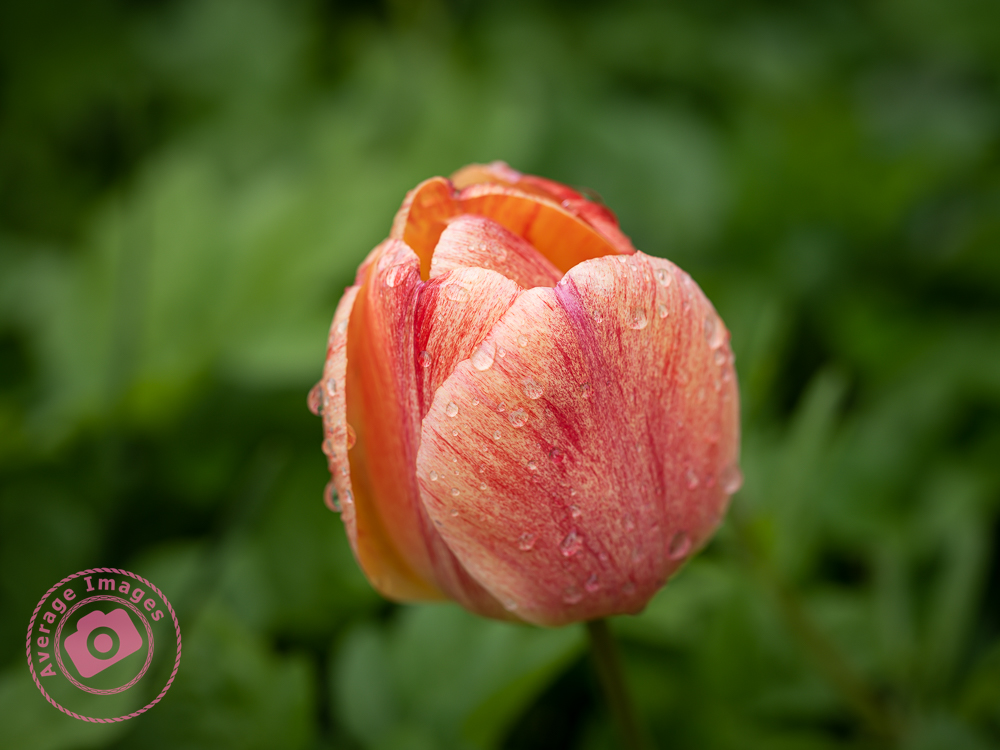
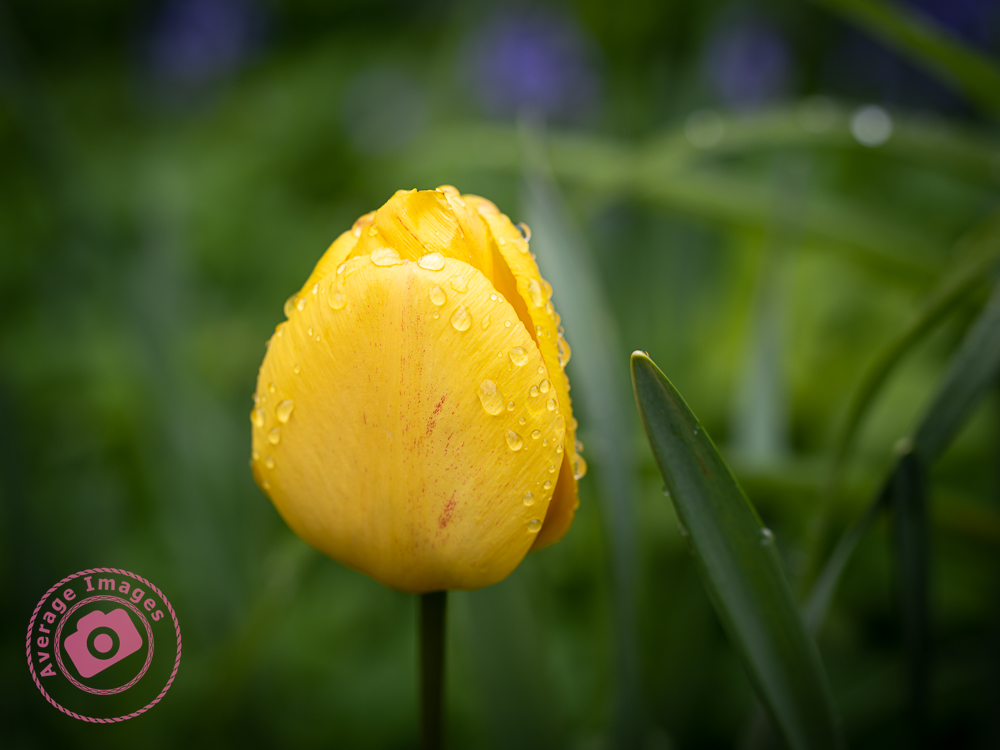
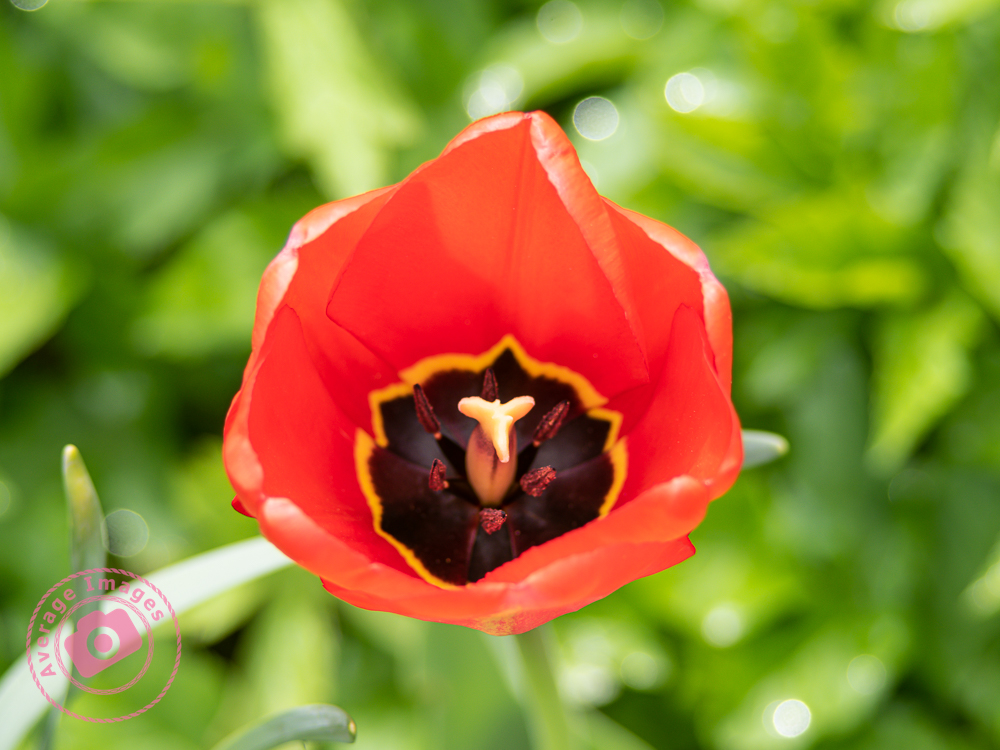
Anyway, whilst I continue to mull over this conundrum, here are some pictures of tulips – but in the garden rather than in a vase – which is obviously the preferred option.


Fun fact: The song ‘tiptoe through the tulips’ was written in 1929 but it wasn’t until 1968 that Tiny Tim made it a novelty hit.
Easter shots (2 of 2)

Here are a few more garden photographs taken over the Easter weekend. These were all taken with an 80-160mm lens plus a 2x teleconvertor in order to separate the subject from the background. The trade-off is that the images are rather noisy when magnified.

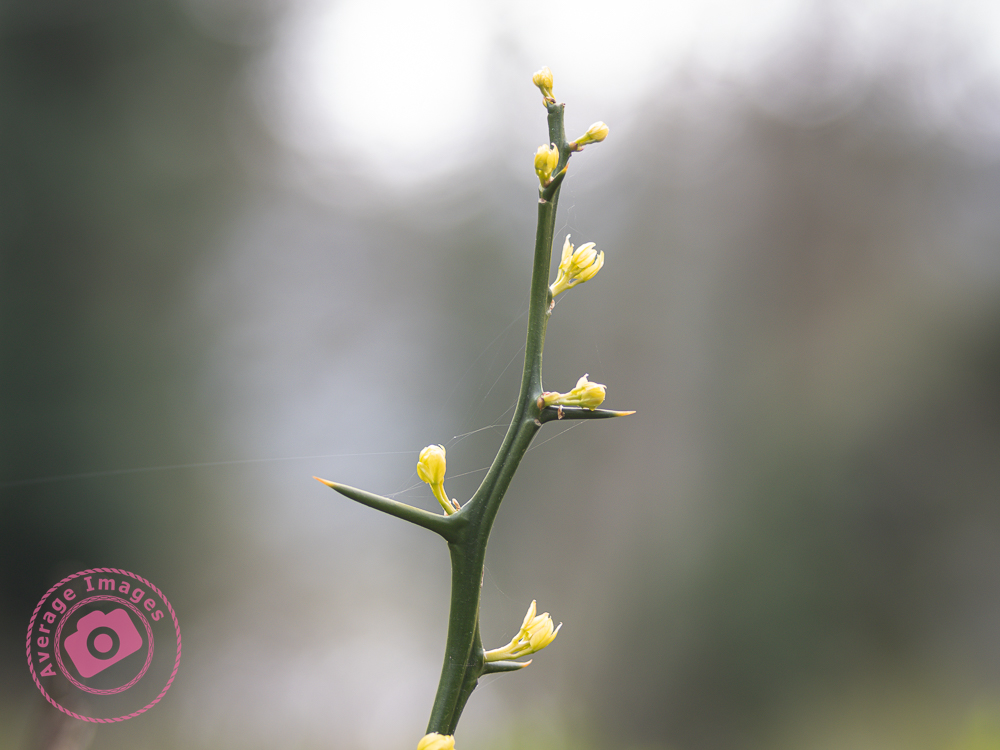
Trifoliate orange Citrus trifoliata
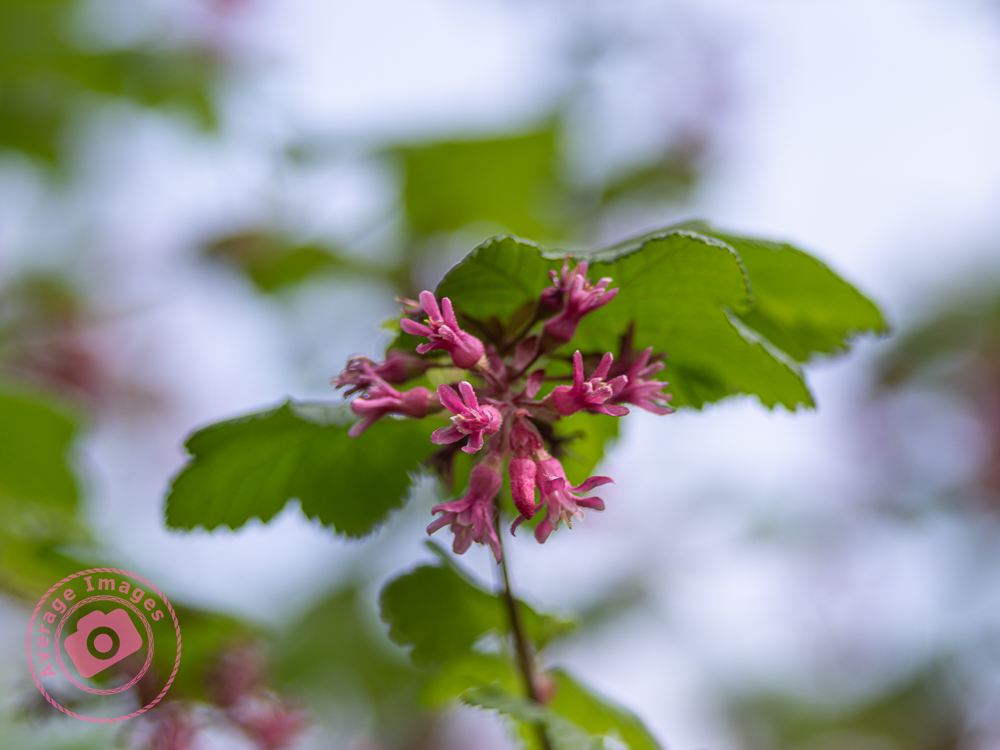
Red flowering currant Ribes sanguine
Common peony Paeonia officinalis
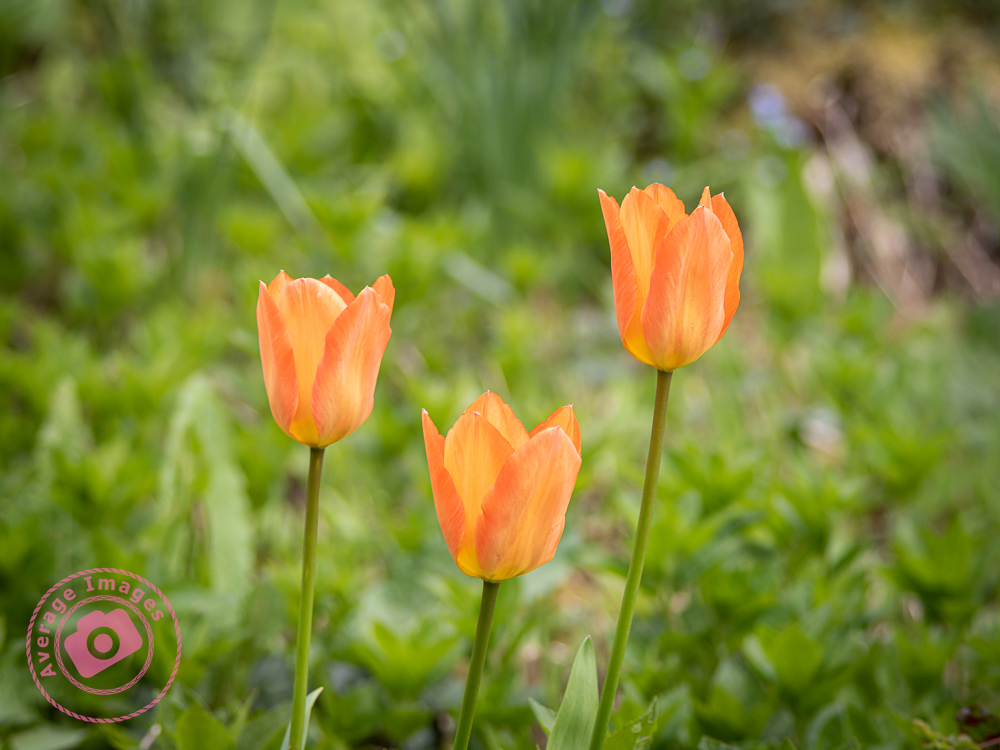
Garden tulip Tulip gesneriana
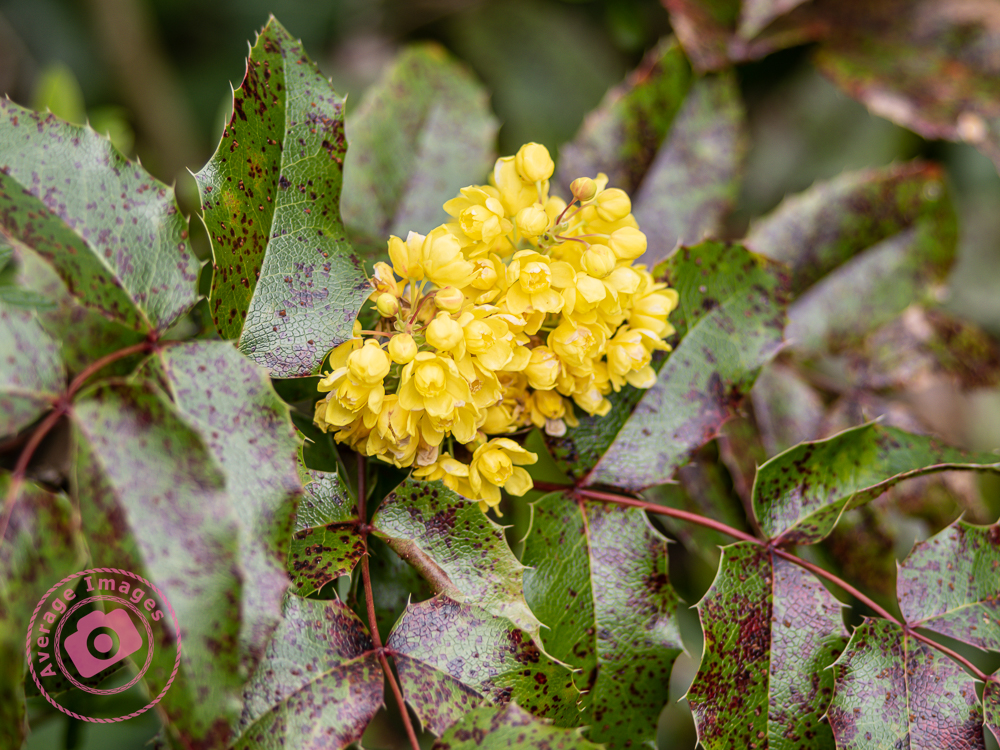
Oregon grape Mahonia aquifolium

Easter shots (1 of 2)

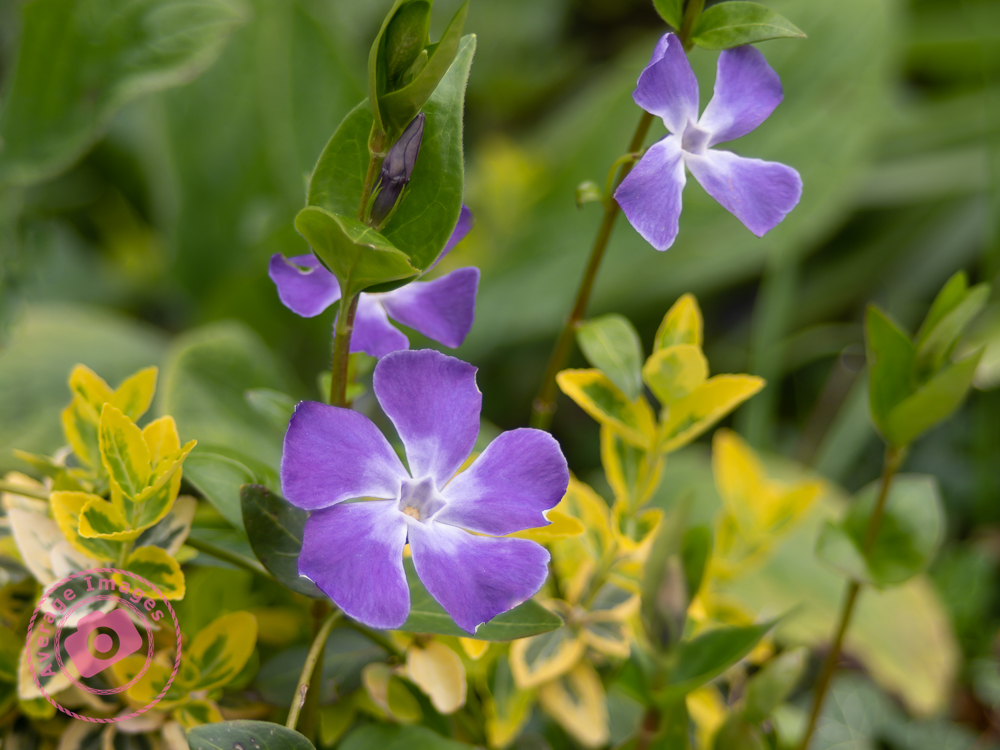
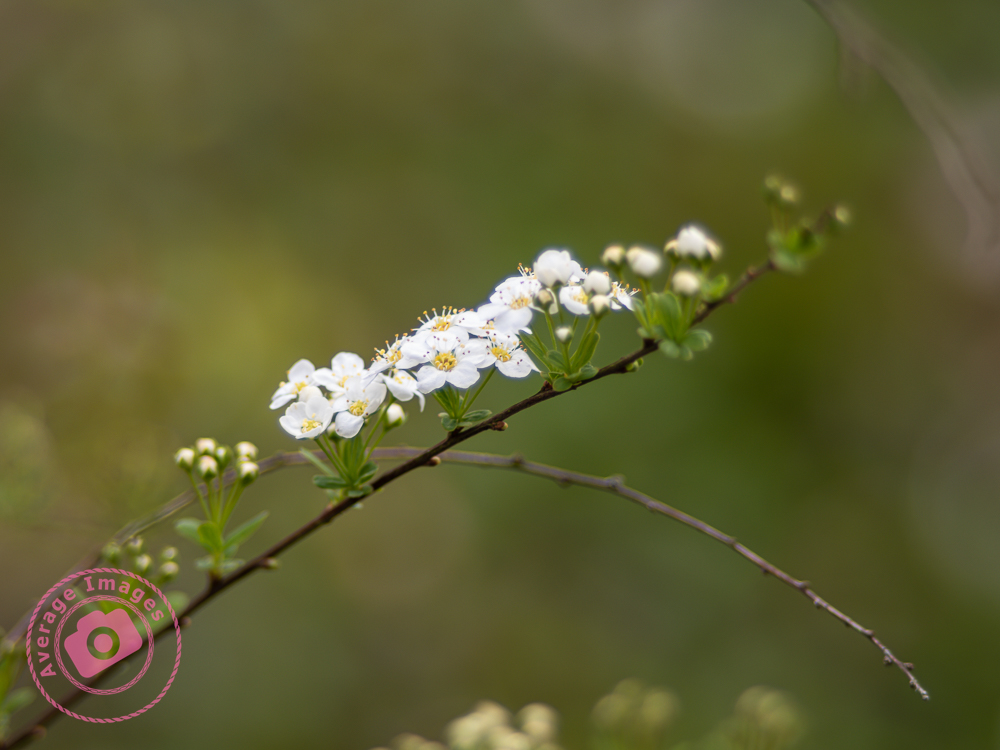
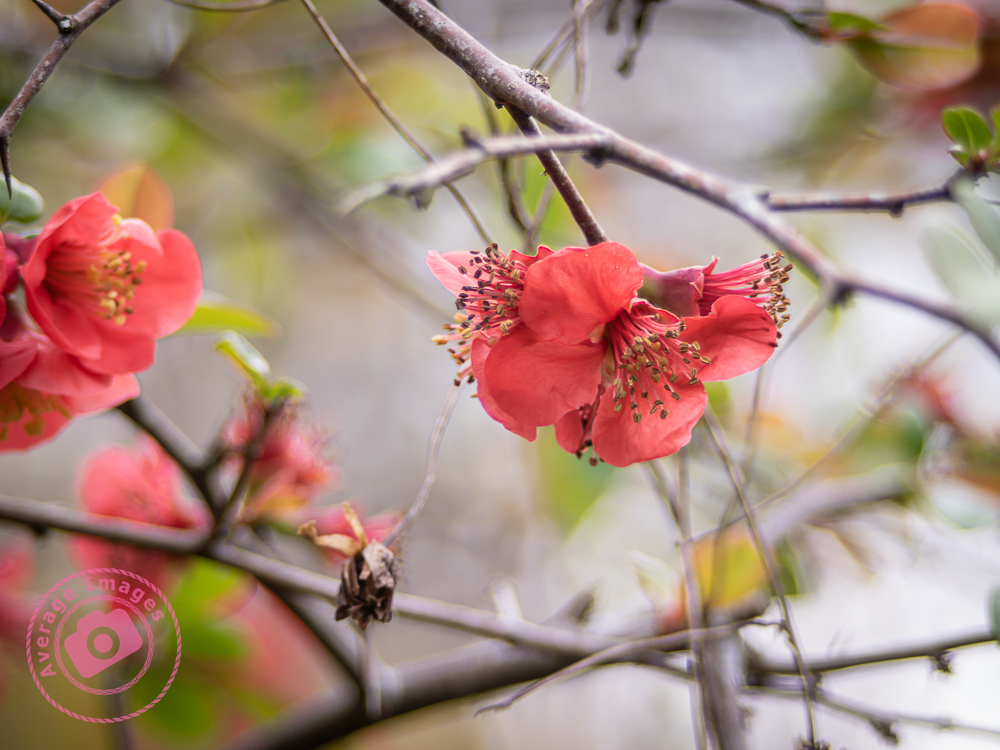
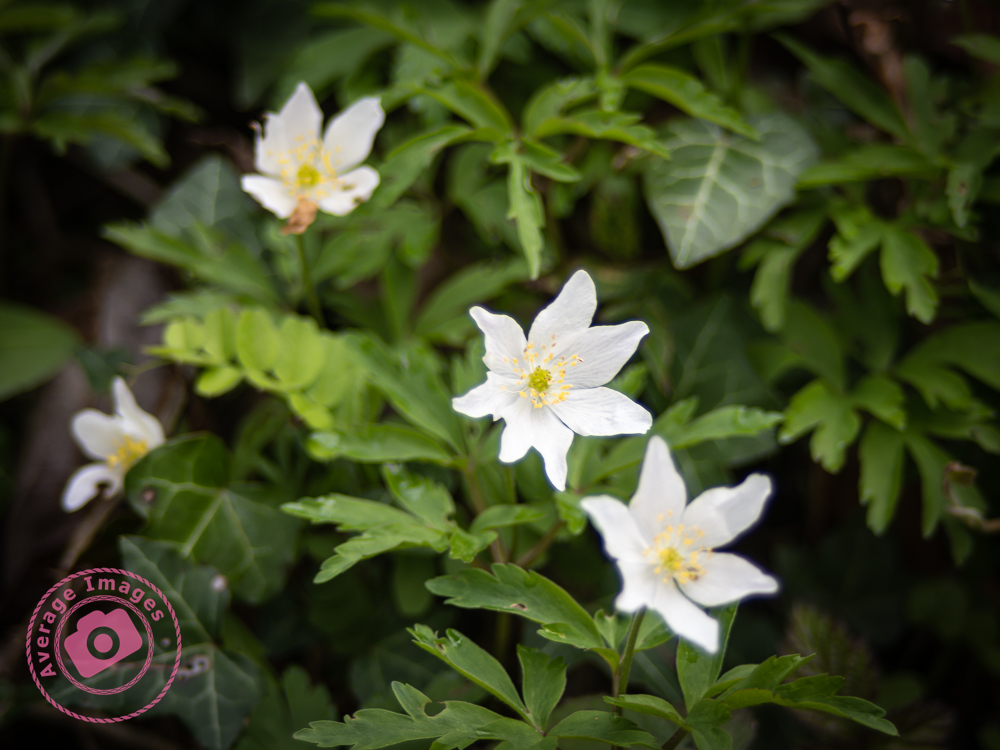
As Bank Holidays go, this Easter hasn’t been too bad and the sun has at least shown its face, pleasing the Spring flowers as they bloom in the garden. Here are a few shots showing a variety of colours:

Garden tulip Tulip gesneriana
Greater periwinkle Vinca major
Bridal wreath spirea Spiraea prunifolia

Japanese quince Chaenomeles japonica
Wood anemone Anemone nemorosa

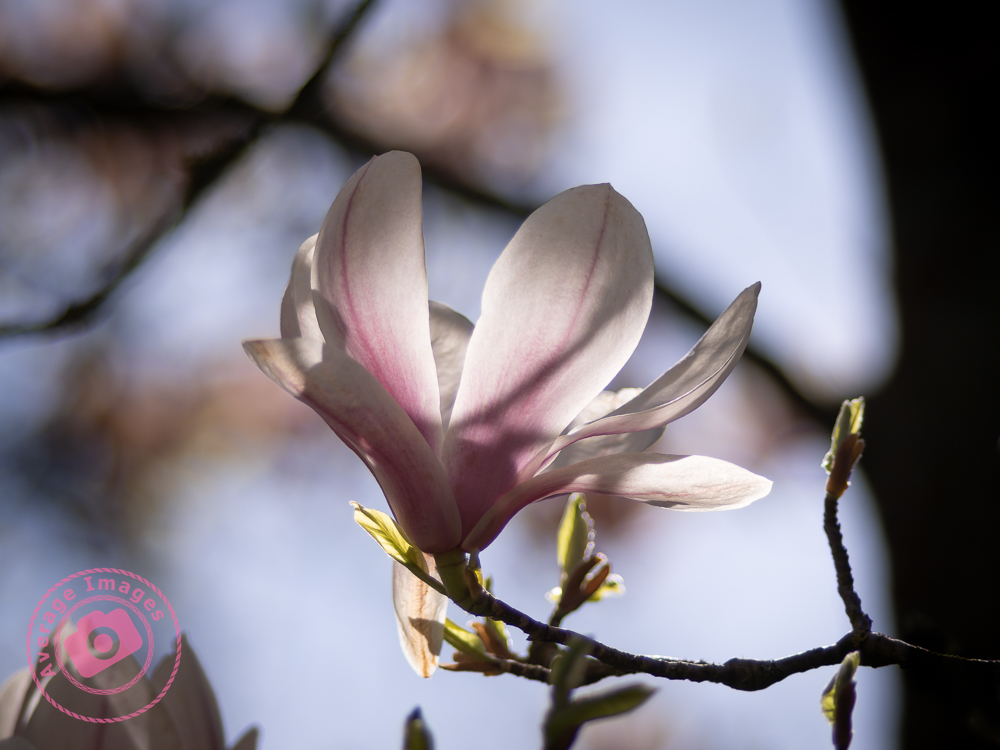
Steel magnolias

Although there are many here in the UK complaining about the wet weather I, for one, am happy that we aren’t experiencing the usual frosts at the end of March that usually kill off the blooms of our magnolia trees. For once they are showing a magnificent display day-after-day and it is therefore only fitting that I tried to capture their glory before their fragile petals naturally fall off and make our driveway like a skating rink, as they do every year.

Fun fact: The film ‘Steel Magnolias’ was so-called to capture the complex mix of steeliness and fragility exhibited by the women portrayed.

Saucer magnolia Magnolia soulangeana

Footnote: Only a few days after I wrote this post a northerly wind appeared and two days of light frost caught the top of the larger tree.

Never look a gift horse in the mouth – part 2

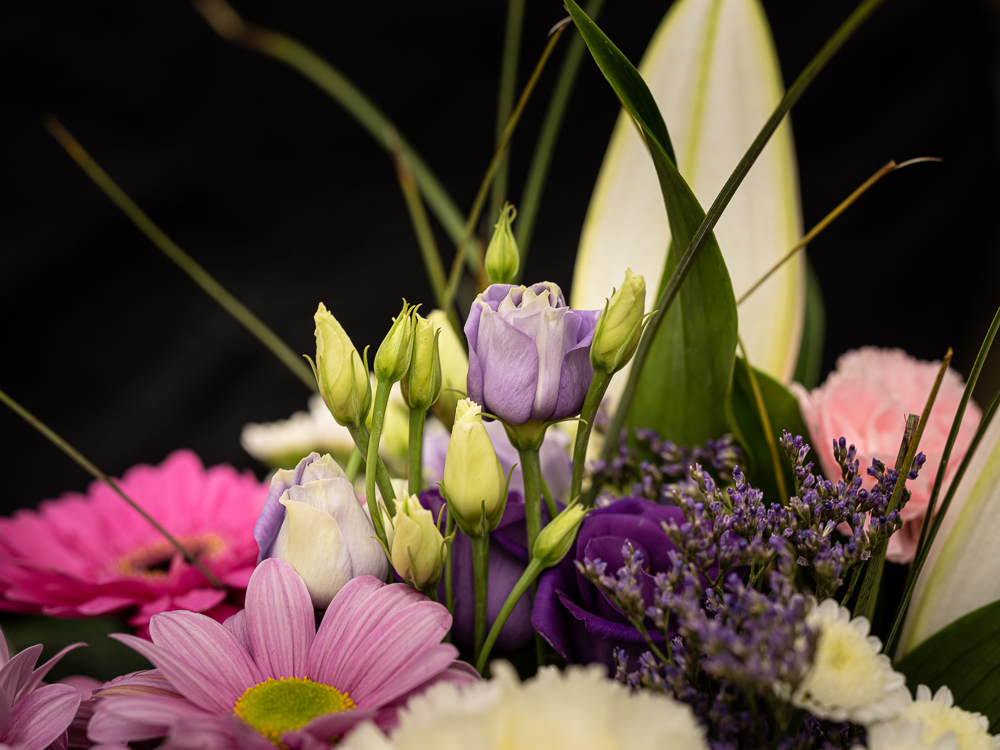
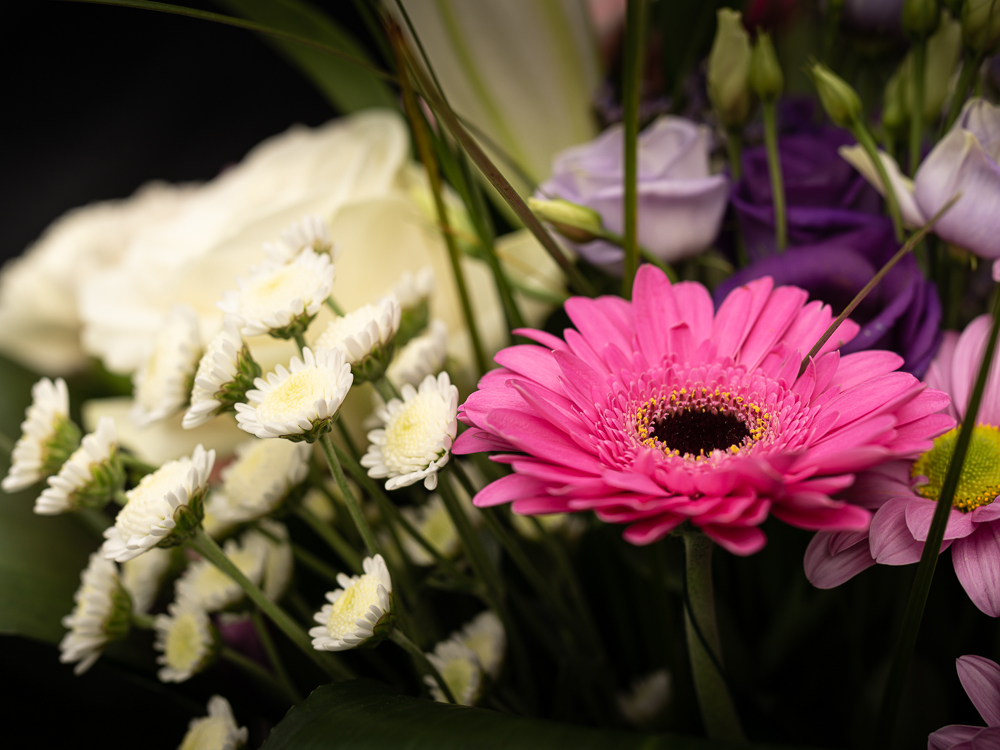
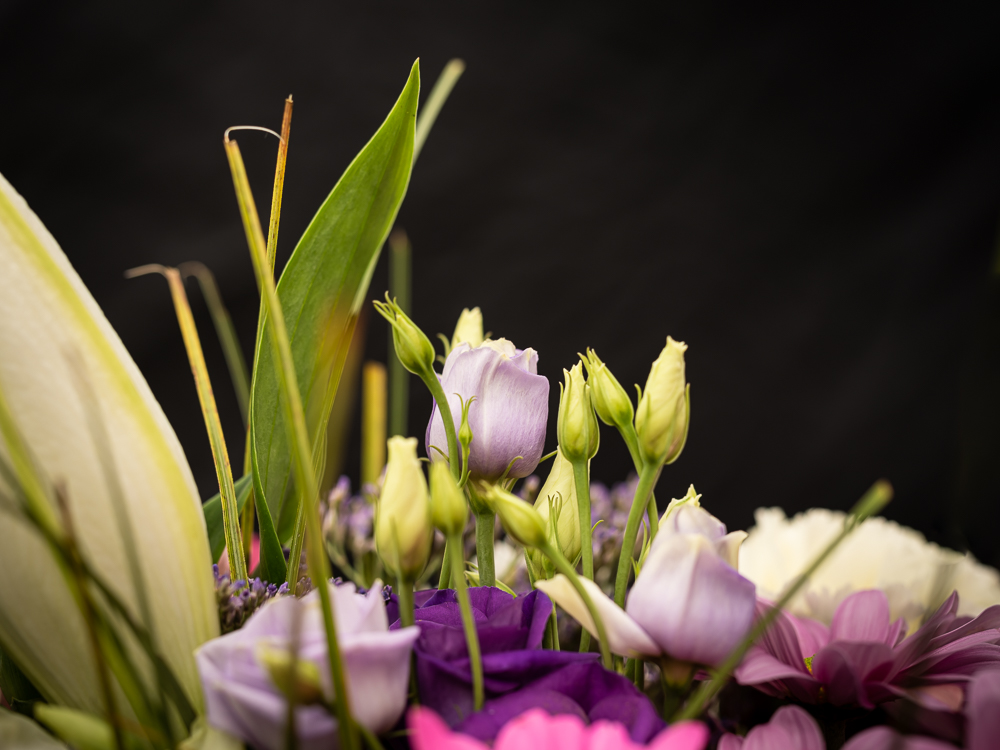
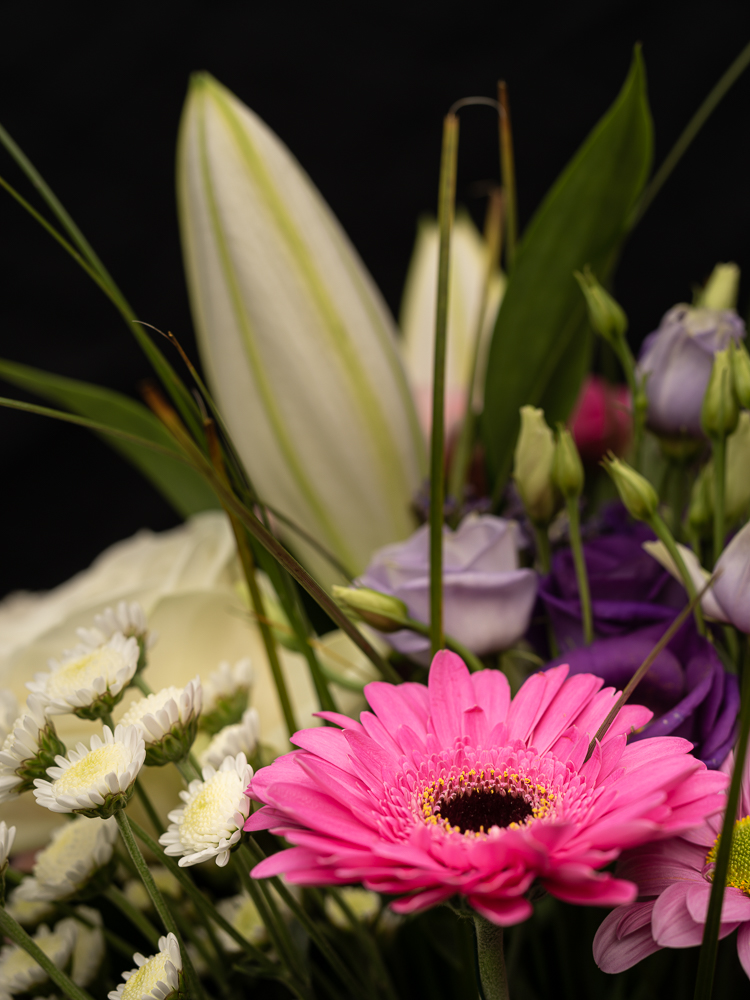
The bouquet gave rather more photographic opportunities that I initially imagined and so I have split this blog post into 2 parts. This second part highlights the shots that indicate that I was taking them against a black background, which I thought would accentuate the flowers rather than just using the greenery of the garden.

I used my collapsible 5-in-1 reflector, fitted with the black ‘flag’ cover, suspended with a studio lighting stand equipped with a spring clamp attached to the top. This works well as a background if you can get it far enough back from the subject to overcome the numerous creases that inevitably occur when it is folded. I have looked for a dedicated collapsible black background to eliminate this problem but they are all 1.5m – 2m in size and I can’t find one that is small enough to use easily outdoors. The search continues.

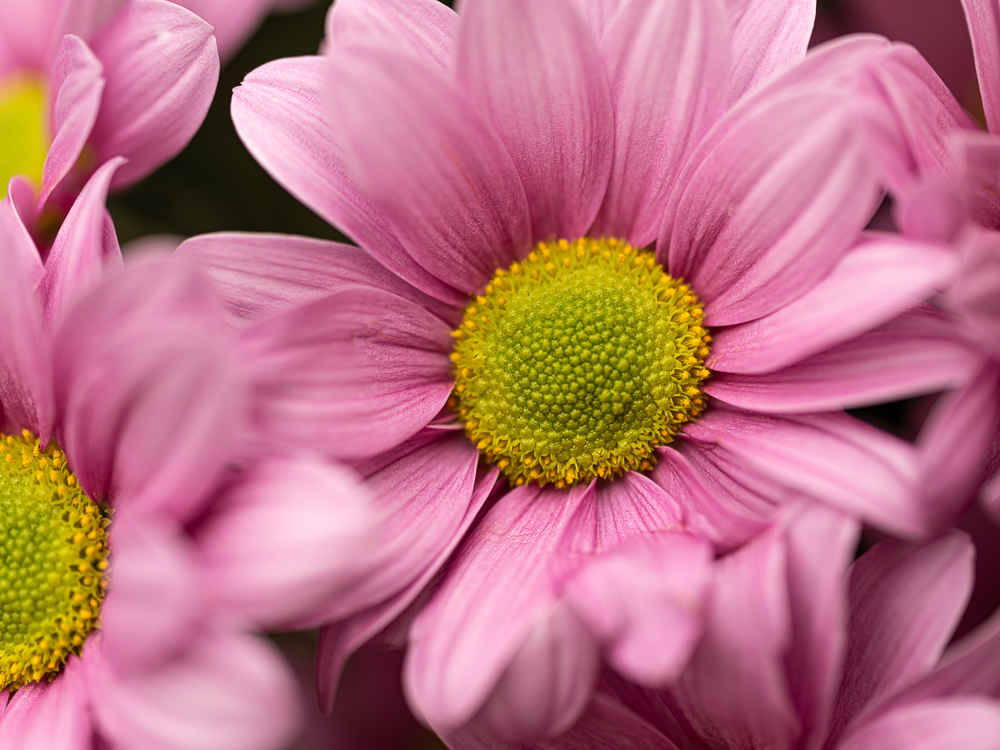
Gerbera daisy

Back(ground) to black
Lily bud || ยฉ John Hallett Photography

Never look a gift horse in the mouth

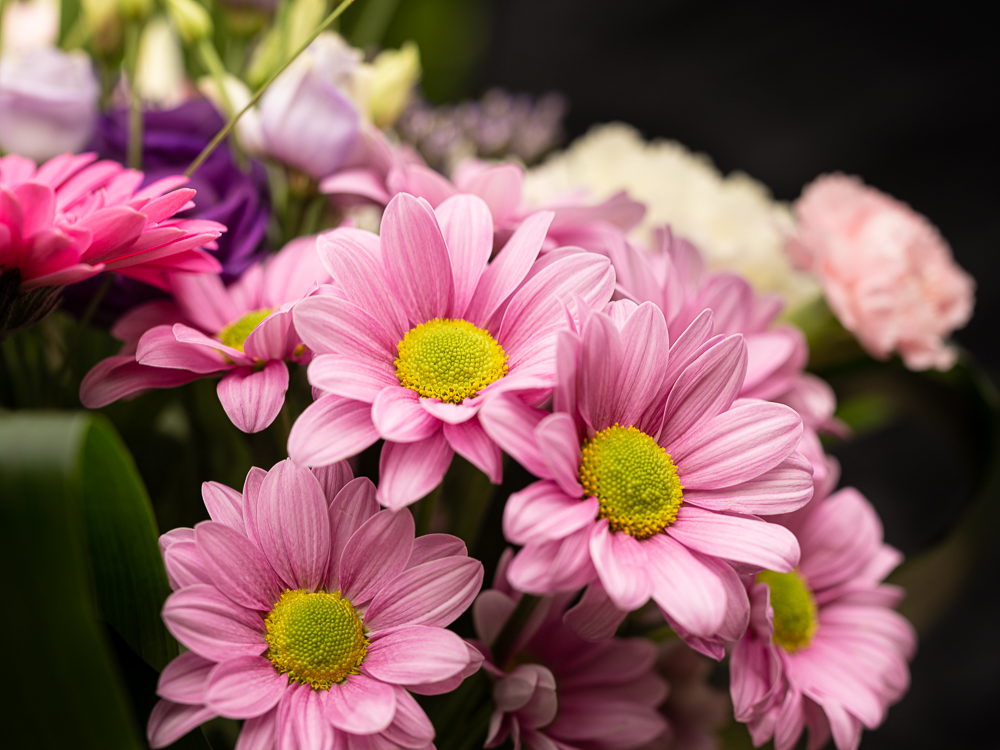
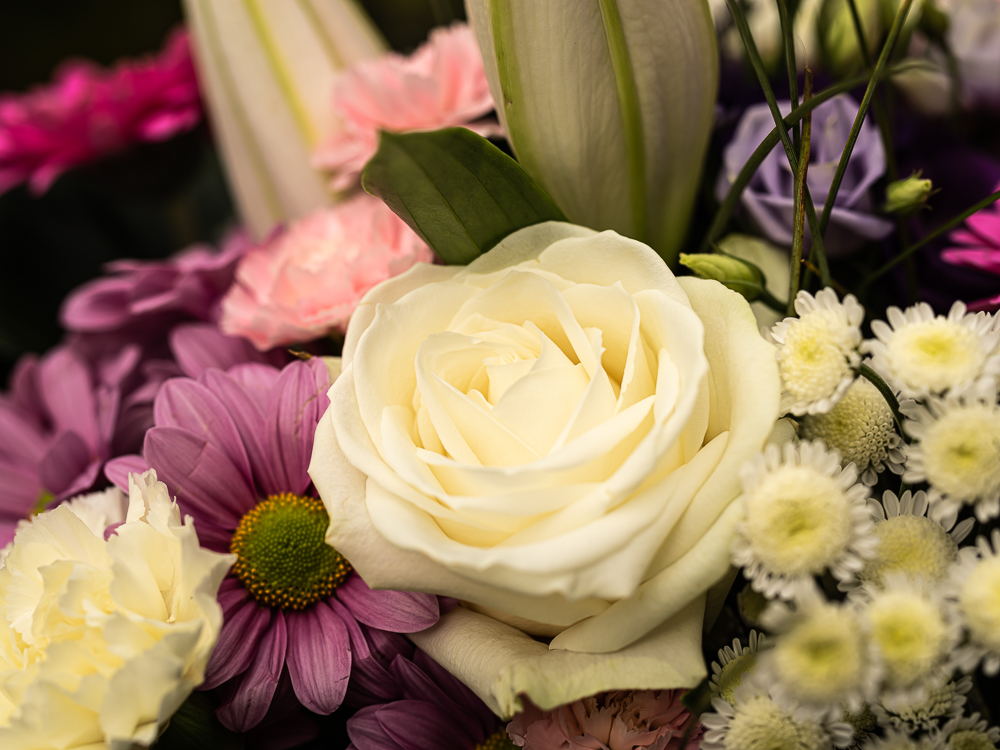
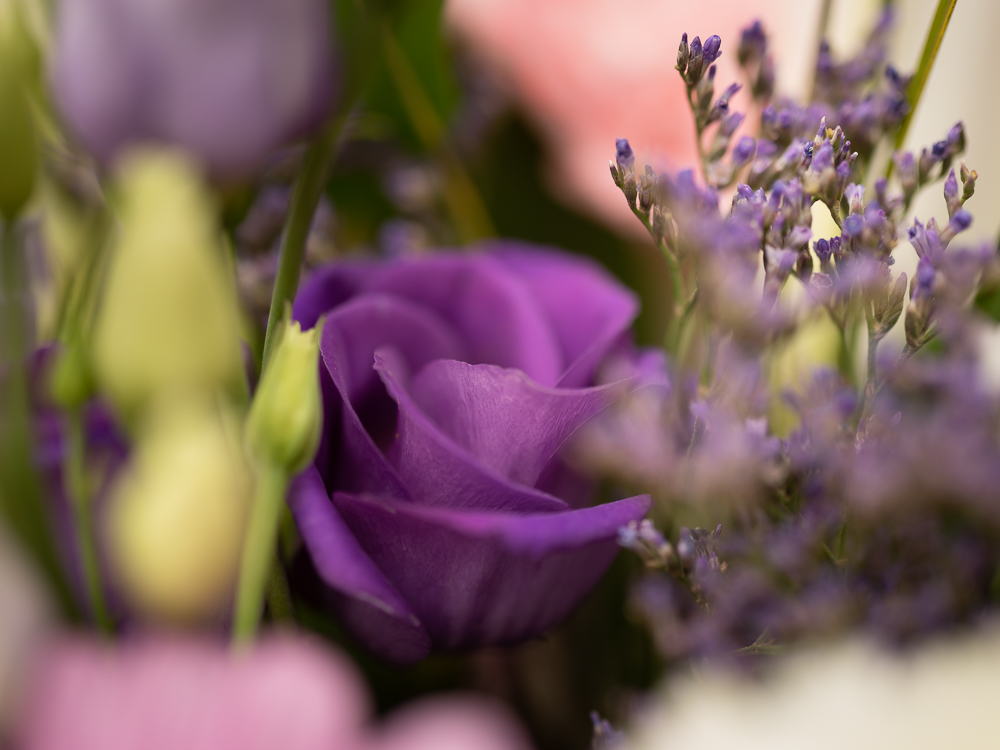
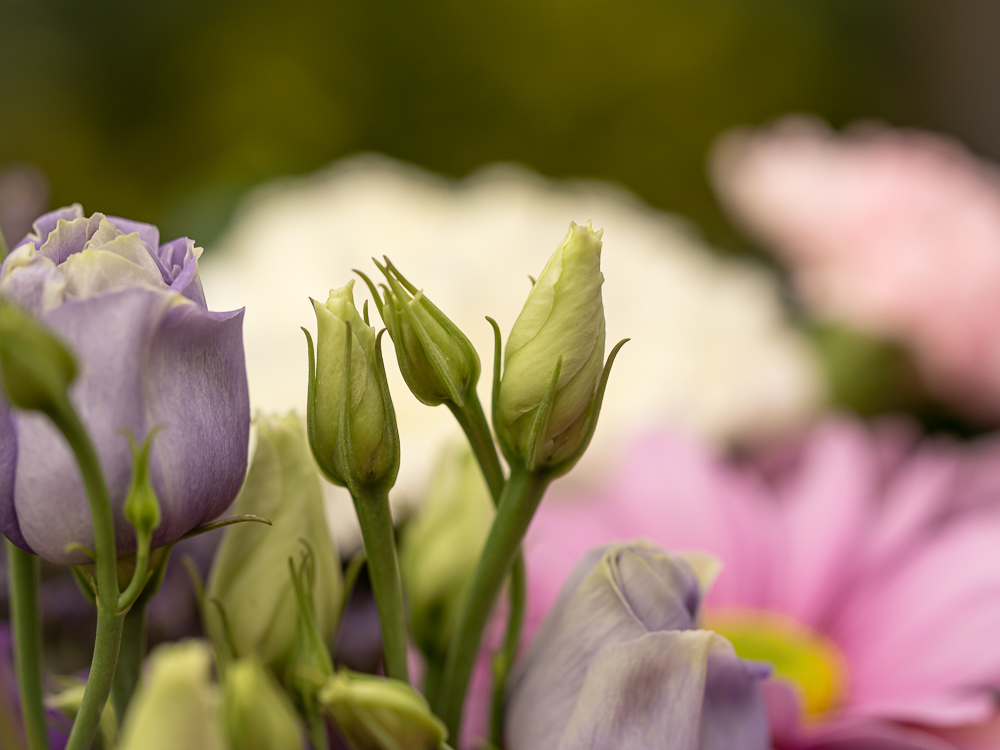
OK, it’s not exactly a gardening quote but it sprung to mind as I took these shots. Mrs H recently received a lovely bouquet as a reward for looking after her sisters dog whilst she went away for a few days. It was therefore opportune to grab a few photographs of the blooms whilst they were still at their prime and so I took them outside under an overcast sky to make the most of the diffused light.
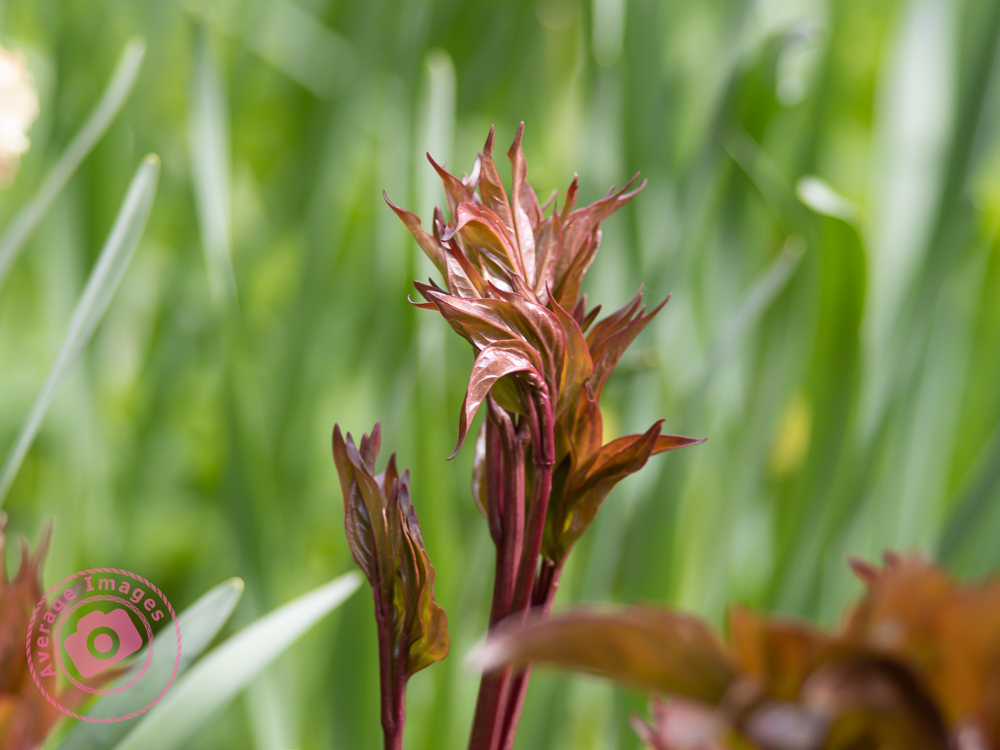
Incidentally, the title phrase originated from the practice of checking a horses mouth to see their teeth as a way of determining its age, which presumably would appear rude if the horse was a present.
Gerbera daisy
White rose
Gerbera daisy || ยฉ John Hallett Photography
ยฉ John Hallett Photography