A new logo for Ironbridge Images

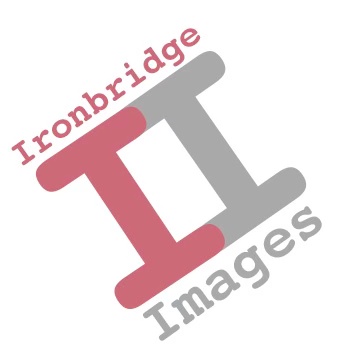
Ironbridge Images has now updated its logo for something a little more modern and more easily recognisable.

As Ironbridge Images moves forward with this new logo, it aims to continue its mission of preserving and promoting the history of the Iron Bridge and its surroundings. The logo is a step towards a future where the past is honored and the present is celebrated, ensuring that the legacy of the Iron Bridge lives on for generations to come.

The new Ironbridge Images logo is a perfect blend of tradition and modernity. It stands as a testament to the enduring legacy of the Iron Bridge and the vibrant community it represents. Whether you’re a local resident or a visitor, this logo is a reminder of the remarkable history and bright future of Ironbridge.

Hopefully you can see that it is made up of two capital letter I’s, the colours of each signifying the new, and old, colour of the bridge. I had two choices; one ‘square-on’ and this one at a jaunty angle. The marketing department (a.k.a. Mrs. H) decided that the angled one was best!

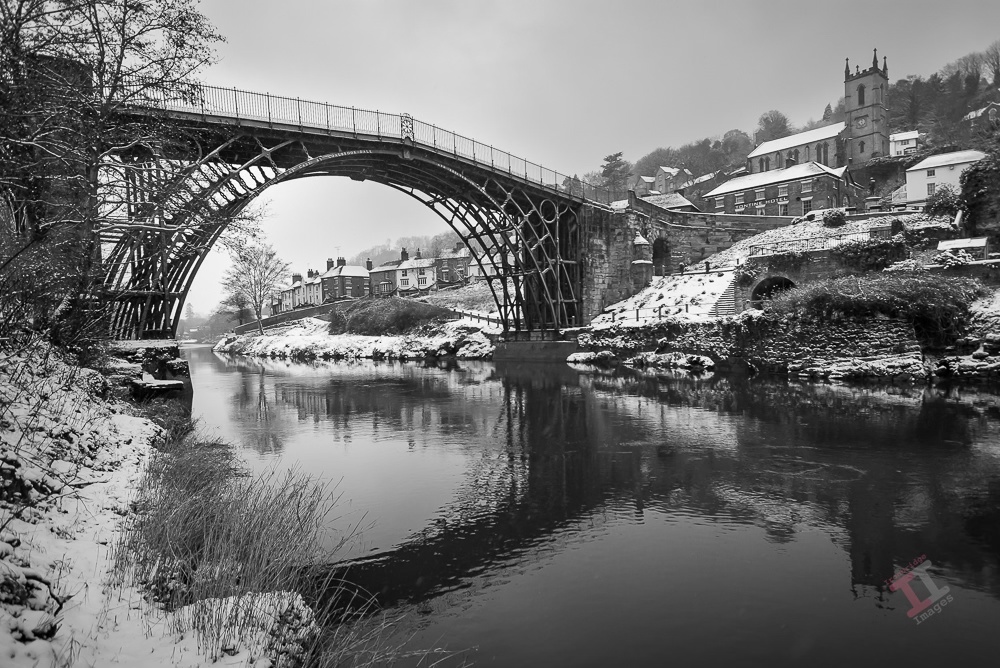
Featured Image: Winter at Ironbridge

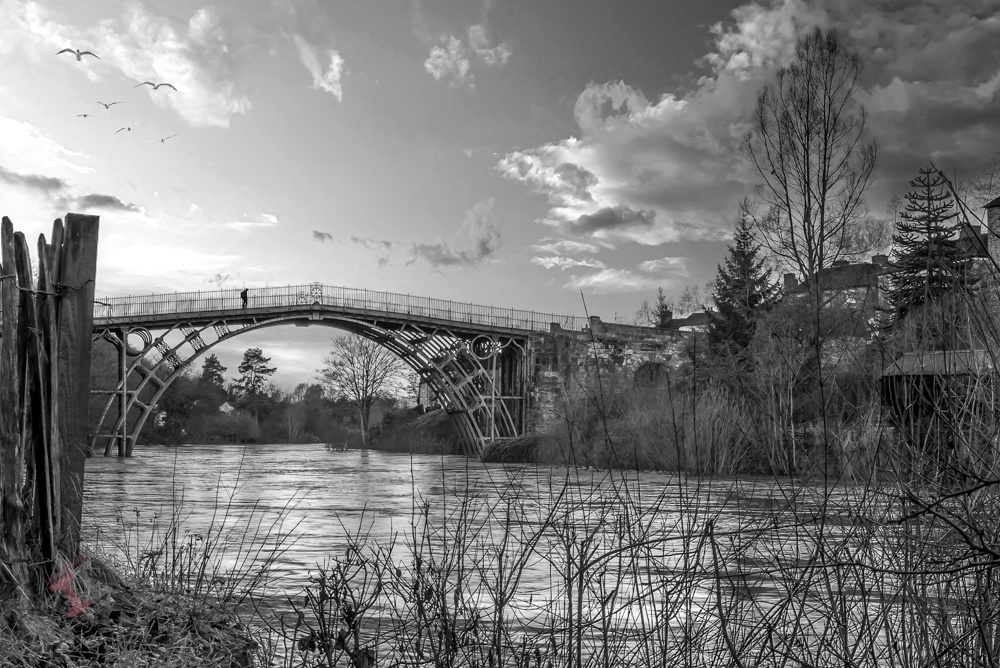
Winter at Ironbridge

This was taken back in 2010, long before the bridge was painted red. I’m not going to add to the debate of whether or not this ‘rusty’ red colour was the intended top-coat hue, or just the red-lead primer used as a base coat, but what I can say is that the act of painting the bridge relegated thousands of photographs, from photographers worldwide, into their archive folder, as they were now judged to be out-of-date. There is one way around this, though, and that is to convert the image into monochrome, which fortunately works particularly well with snow scenes, such as this.

A day at the beach

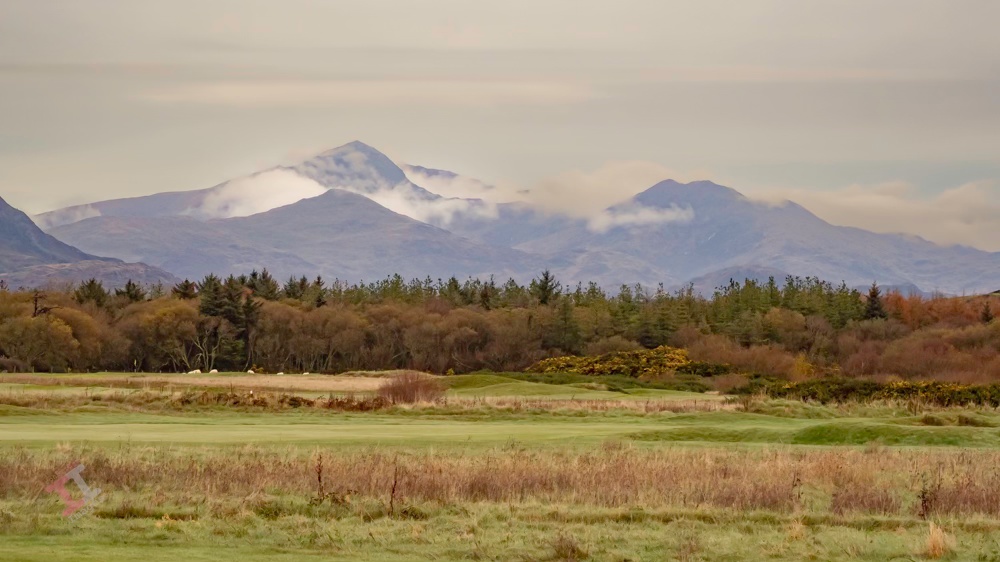
Snowdonia Peaks

We recently took a trip 100 mile west, to the Welsh coast at Harlech. It was surprisingly mild for November and we spent a good 3 hours on the beach with the dogs (Harlech has a lovely long, flat, sandy beach). In fact, the weather was so good that I managed to fly my drone and flew it over, and beyond, the sand dunes to capture this shot of the Snowdonia mountain range, with the clouds nestling in the valleys.

Blast from the past: Fishguard Fort

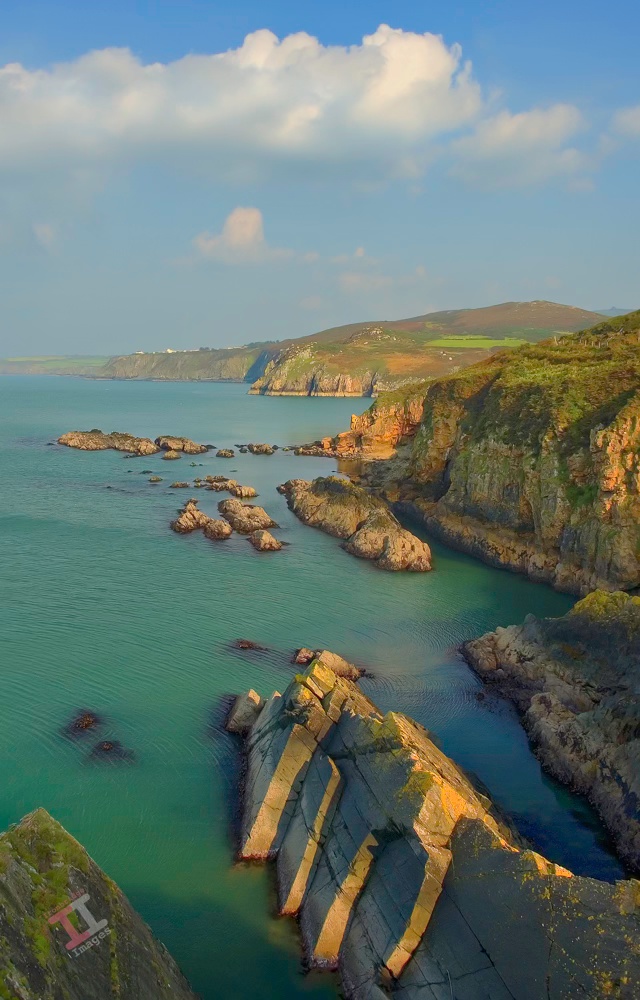
Fishguard Fort

I’m not sure of the exact date that this was taken, but I can see from my archives that it featured in a gallery on my website in 2008, so it must have been over 16 years ago. I can recall that we were leaving Fishguard on the last day of a holiday and we stopped at the top of the steep hill from Lower Fishguard at a spot called Fishguard Fort.

The fort was built in 1781, following an attempt by an American pirate ship ‘Black Prince’ to demand a ransom from the town of Fishguard (which, at the time, was a prosperous sea port). A few years later it saw its only action when it repelled a French invasion force, who retreated and landed further down the coast, saving the town.

The morning sun was rising and just catching the rocks beneath me. I set my tripod up next to a wire fence and took a few shots before heading back to the car – and home.

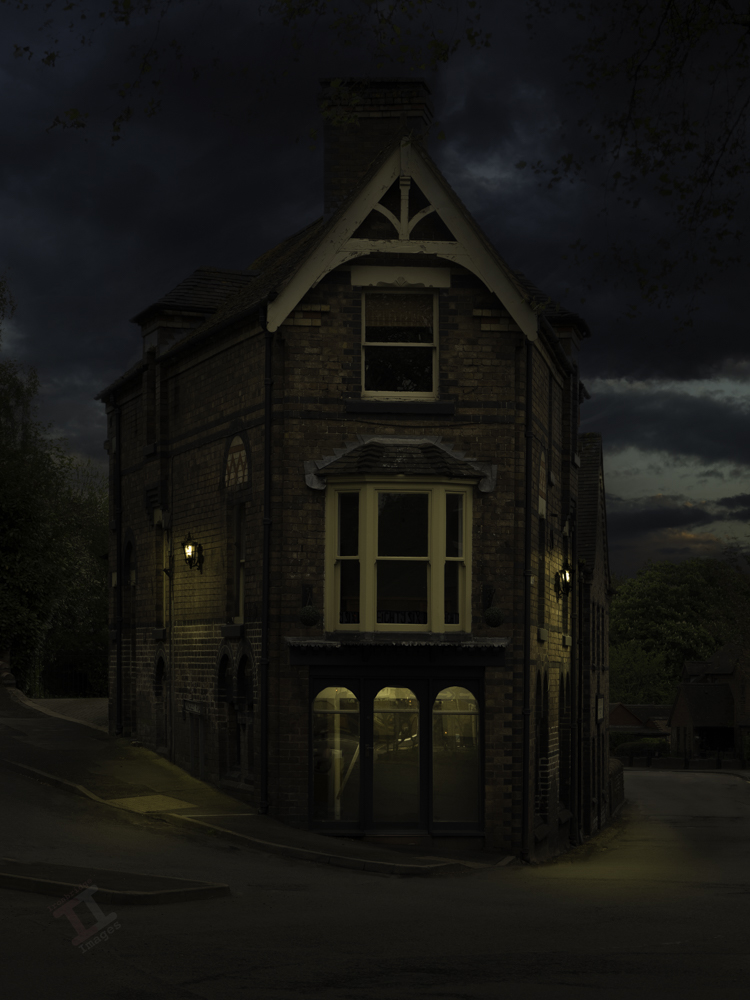
Day-to-night: No.1 Waterloo Street, Ironbridge

This Victorian building stands at the junction of Waterloo Street with Madeley Bank in Ironbridge Town in Shropshire. It is interesting in that it has been built specifically for the shape of the plot of land; narrow at the front and wide at the rear.

No.1 Waterloo Street, Ironbridge

The little shop at the front has hosted a number of businesses over the years, from a double-glazing company to a bridal shop. The latest, I seem to remember, was a hairdressers. Sadly, none of them seem to stay for very long. Although it is in an ideal location to be seen (right by a traffic island) the access to it means that you sometimes have to take your life in your hands because it is difficult to predict which way the traffic is going to go – which also limits any passing footfall.

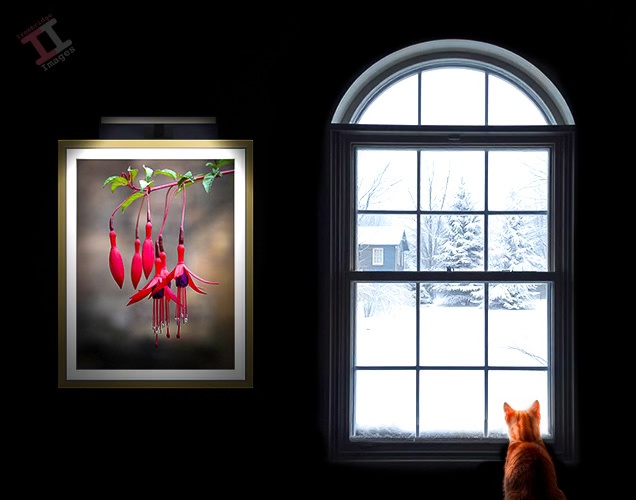
The first snowfall

Advertisement for Ironbridge Images

The first snowfall of the Winter. Maybe it is time to brighten up the interior with a hand-picked piece of framed artwork.

This image “Red Fuschia”, and many more, can be found at my store:

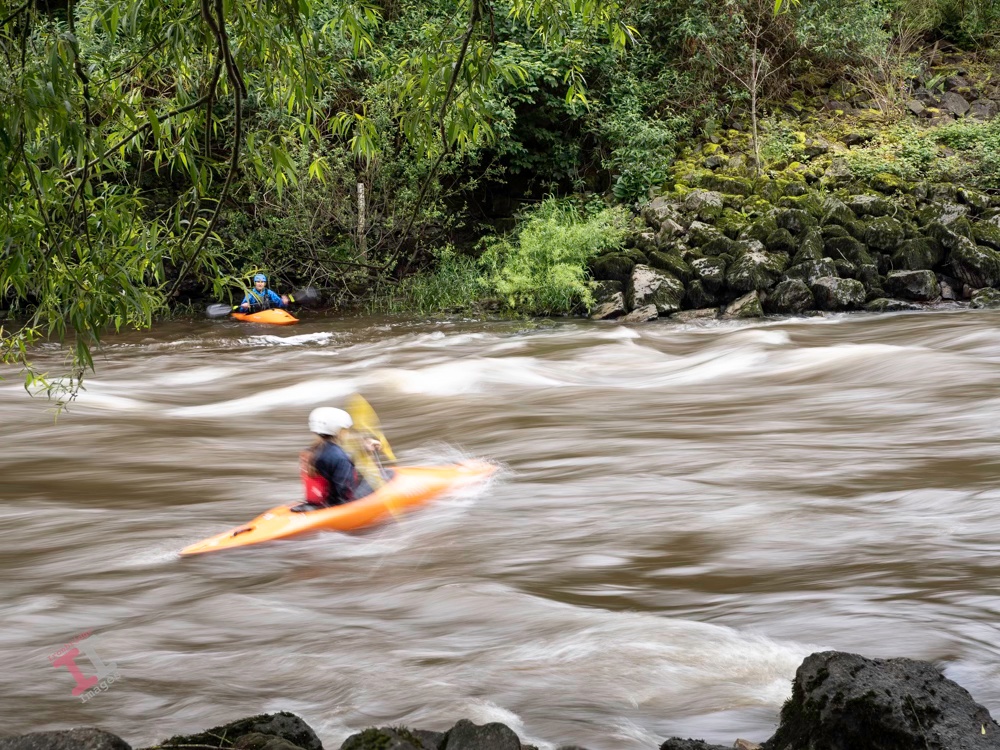
Secret Ironbridge: Rapid kayaking

In this Secret Ironbridge blog post, we’ll venture down on to the River Severn.

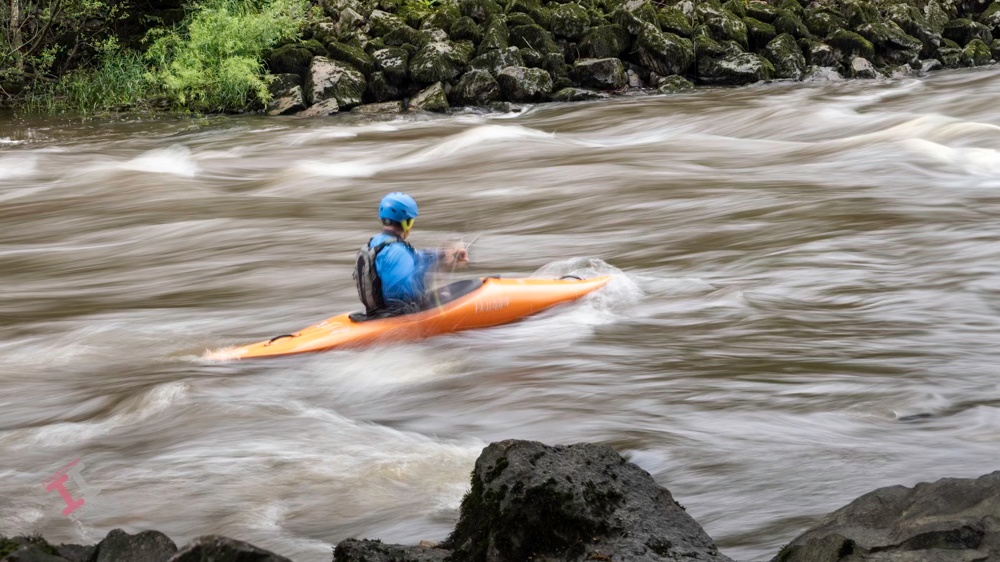
The river Severn is the longest river in Britain, and it has flowed down the Ironbridge Gorge since it was formed during the last ice age. Within the Ironbridge Gorge is a stretch of river, well-known and popular with kayakers: Jackfield Rapids.

The rapids are reported to have eroded over the years and are not as severe as they were. The difficulty changes depending on the river level, with it getting harder at higher levels (presumably because the flow of water is greater).

Although these rapids are a natural phenomenon due to ground movement, there is anecdotal evidence that they have been enhanced over the years to make them more challenging to canoeists and kayakers.

This was taken with an internal neutral Density (ND) filter in my Olympus camera, negating the need for filters added to the lens to achieve the silky flowing water.

Which leads to a question; at what point did the term ‘kayak’ replace ‘canoe’ in the UK? When I was a mere lad, these small, usually one-man, self-powered boats were always called ‘canoes’. Apparently, there is a difference: a ‘canoe’ usually has an open deck, can be used seated or kneeling, and has a single-ended paddle. A ‘kayak’ has a closed deck, a seated position and a two-ended paddle. Now I know!

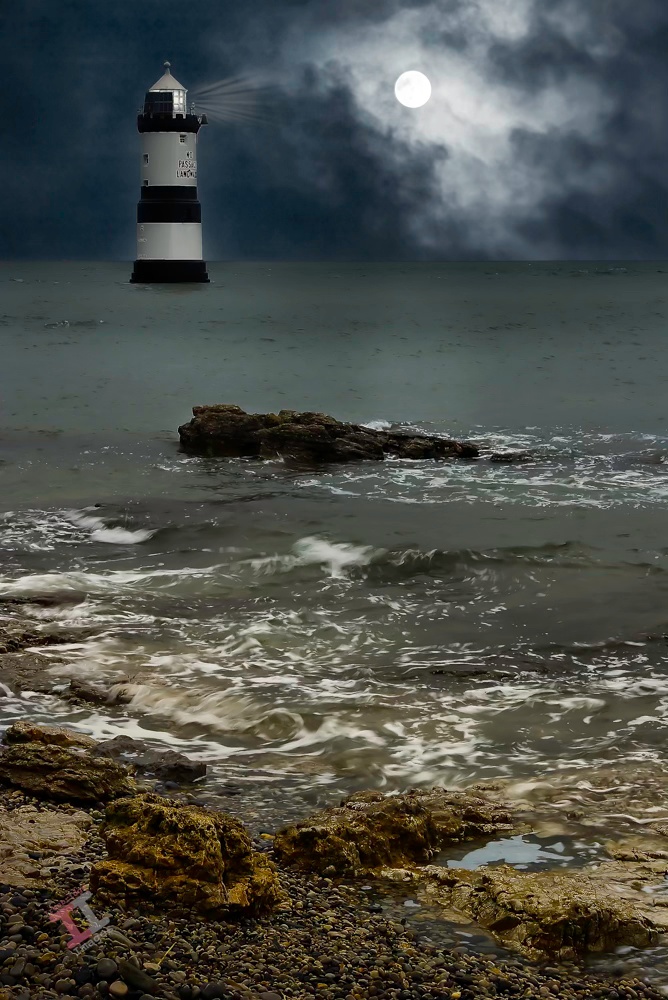
Day-to-night: Trwyn Du Lighthouse

The Trwyn Du Lighthouse is located just off Penmon Point on the north-east coast of Anglesey, and marks the safe passage between it and Puffin Island. It was built in 1838 following a disaster when the Rothsay Castle steamer ran aground at the cost of 130 lives.

This shot was taken in 2010 on an overcast, but bright, July day, which led to a rather flat, uninspiring image. I decided, therefore, to replace the sky and to convert it to a night scene, using a combination of Lightroom and Photoshop.

Trwyn Du Lighthouse

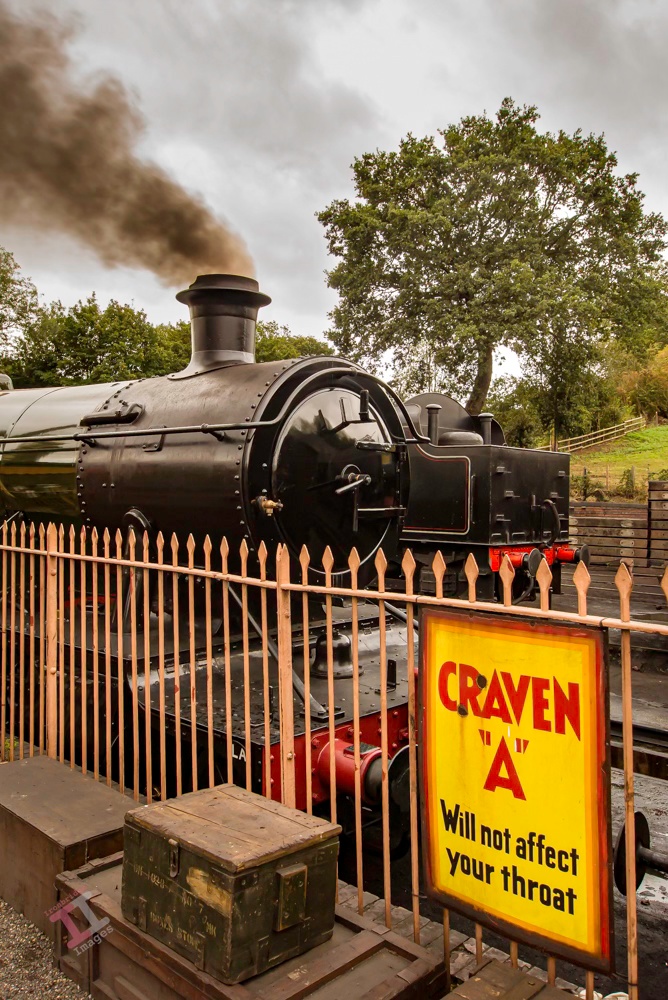
Featured Image: Craven “A”

This photograph was taken 13 years ago during a visit to the Severn Valley Railway (SVR) station at Bridgnorth in Shropshire. It is a fascinating place, and an ideal venue for a photoshoot if you want a nostalgic theme.

I’m not certain that I appreciated the irony of this shot at the time, with the enamel sign advertising the benefits of the cigarettes contrasting with the dirty smoke emitted from the chimney of the steam train. It takes you back to a time when smoking was popular, accepted everywhere, and seen to be a little ‘cool’. And when advertisers could bend the truth a little more than they can do now.

Craven ‘A’ was named after the third Earl of Craven because this particular blend of tobacco was created especially for him in the 1860s, and it is still produced to this day by British American Tobacco. It was the first cigarette to be mass-produced with a cork tip, hence the tagline “Will not affect your throat”.

Craven “A”

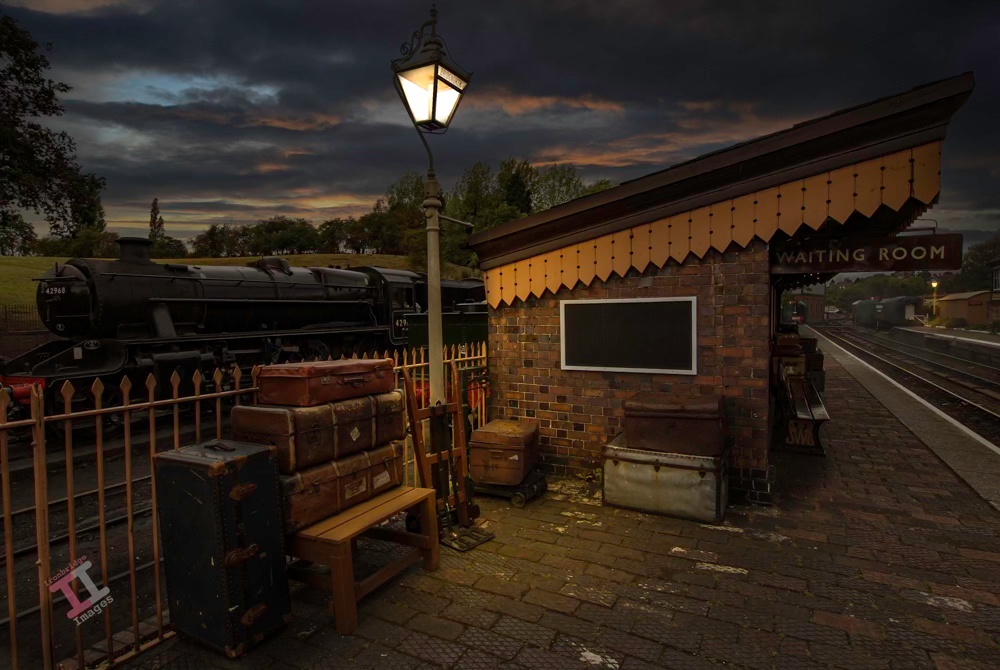
Day-to-night: Waiting room

A waiting room on a platform at Bridgnorth station on the Severn Valley Railway.

This is one of those photographs were I can’t decide whether I like it or not. I think that the problem is that there are too many leading lines and diagonals and the eye just doesn’t know where to settle. The angle of the waiting room roof, and the railway tracks on the right, lead your eye into the distance, whilst the luggage is vying for attention in the foreground. Meanwhile, the steam train to the left is pointing in the opposite direction trying to lead your eye out of the shot. I find it altogether quite unsettling. And that’s from the person who took the shot!

The lantern makes it a good subject for a day-to-night conversion though – I just wish I’d spent a bit more time on the composition when I pressed the shutter.

Making a scene

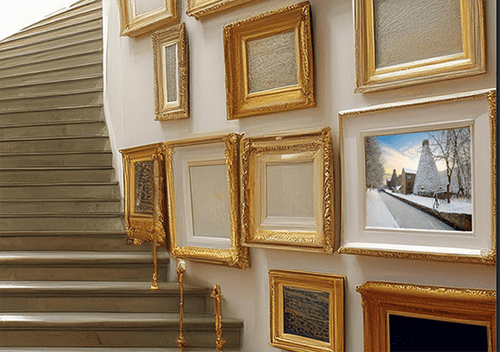
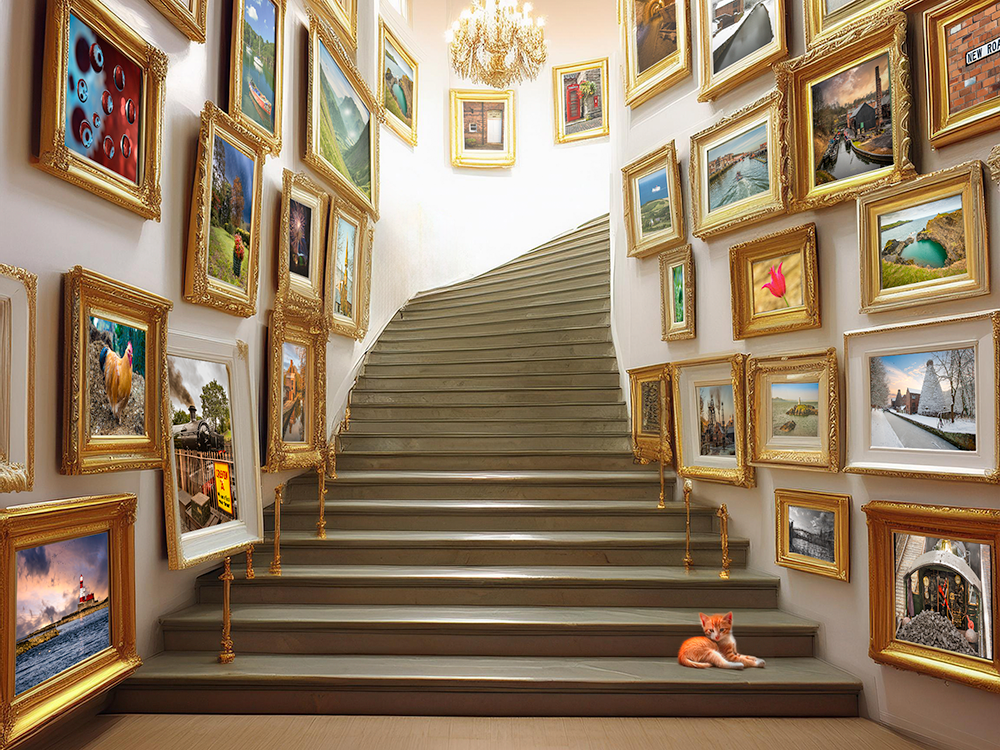
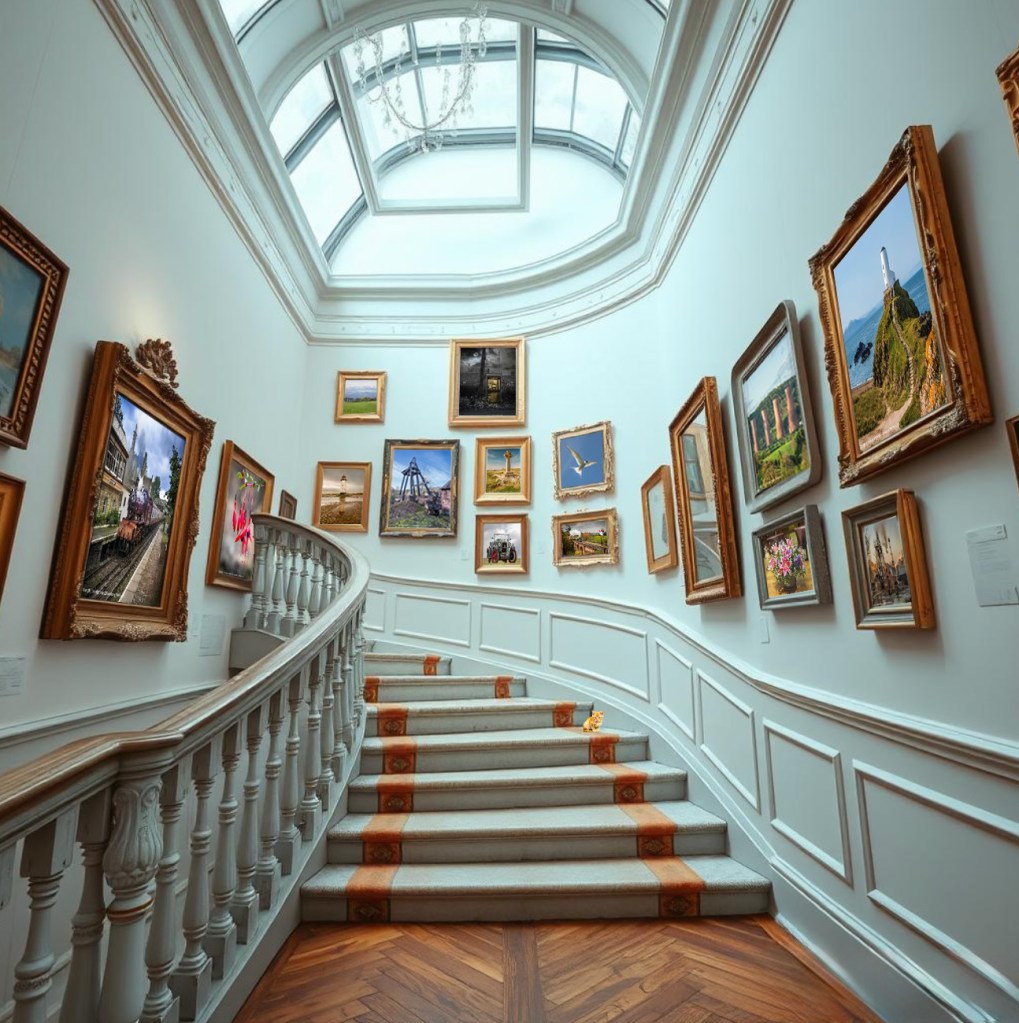
I was asked recently how I created my advertising scenes. The ‘scenes’, such as the stairway in Playing to the gallery, were created in an online Artificial Intelligence (AI) generator app called Gencraft, and then each photo frame was filled using Photoshop and its Transform tool.

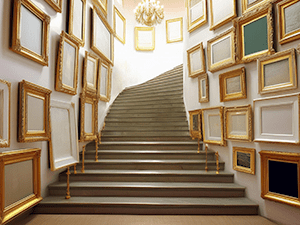
However, I have now installed the Beta version of Photoshop v26, which uses Firefly Image 3 Model to create generative images using the ‘Generate Image’ function. This function isn’t new, but it has been updated, and so I thought that I would give it a try to see how it compared to using Gencraft.

I typed in the prompt “Stairway with empty picture frames“, and then in ‘Effects’ I chose the ‘Beautiful’ style.

It gave me three options, and I chose this one, mainly because of the multiple frames it had generated for me to populate.

However, all of the choices were pretty good, and certainly comparable with Gencraft.

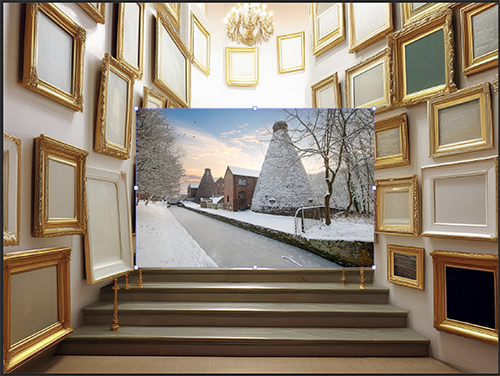
Now came the painstakingly laborious task of filling each empty frame with a canvas. First I had to open a chosen image, chose ‘select all’ and then ‘copy’. I then went back to the stairway image and pressed ‘paste’. This placed the photo image onto the stairway image, on a separate layer, in the centre.

I then used the ‘Distort’ option in the ‘Transform’ tool to grab each corner of the image and drag it into the corresponding corner of the chosen picture frame. It pays to be quite accurate at this stage to make sure that the perspective remains correct.

So far, so good, but I now had to repeat the exercise 27 times!

It was important to reduce the opacity of those towards the rear of the image so that the colours didn’t appear too saturated, and therefore to give depth to the scene.

In summary, the artificial intelligence in this beta version of Photoshop gave a very good foundation for the image, and I’ll be using it in future in preference over Gencraft, if only because it contains my post-processing to a minimum of different programmes (I always think that transferring from one post-processing programme to another must create some degradation to the file).

Some of these images are, as-yet, unpublished on Photo4me. See if you can find which ones they are.
Blast from the past: Tar Tunnel Vision

This Victorian tunnel runs under the Ironbridge Gorge in Shropshire and was used to extract naturally occurring tar from deep underground. It is in a village called Coalport, handy, because that is where I live. When I took this photograph, the tunnel was open daily as part of the local museum experience, and it was manned full-time. It was less well-known and less popular than the other attractions, and so it was possible to be there without anyone else getting into the shot. It is (obviously) quite dark inside so I needed to use a tripod to take a long exposure, which was another good reason not to have too many other people around in the confined space.

It clearly proved not to be cost-effective to have the tunnel manned, so now there are guided tours commencing from the nearby china museum and, unfortunately, you can’t walk down the tunnel any more. This will make it far more difficult to get a shot such as this in the future.

Tar Tunnel Vision

I have recently discovered another photograph that I took the same day and this is shown below. It has never been published before.

Inside the Tar Tunnel

It isn’t black and white

My blog posts have been a bit sparse over the last few weeks, namely because I have been busy post-processing images to upload to my Photo4Me gallery. I had set myself the task of displaying in excess of 200 images (which I have now managed) for no other reason than I wanted to, but I have also had a few sales from the site recently, which has spurred me on even more.

Solitary crossing

Some images lend themselves well to a monochrome conversion – it’s as if the colour just gets in the way and diverts your attention away from the ‘story’ that the image is trying to tell. Conversely, taking the colour away from others leaves a flat, meaningless picture that begs for more information. However, the decision ‘colour or not’ isn’t (excuse the pun) black and white, and often you need to try both before you know which works best. Some photographers never convert to monochrome, and others use that medium exclusively. Personally I use whatever I think works best for the image I’m working on at the time, much in the same way that I alter the image ratio depending on the composition.

I’ve also been busy creating some advertisements for the gallery site (I’ve already posted a couple over the past week or so) and have a number of others to post as we lead up to the Christmas period. It’s all with the aim of drumming up a few more sales – let’s see if all the effort pays off!