Duck under the bridge

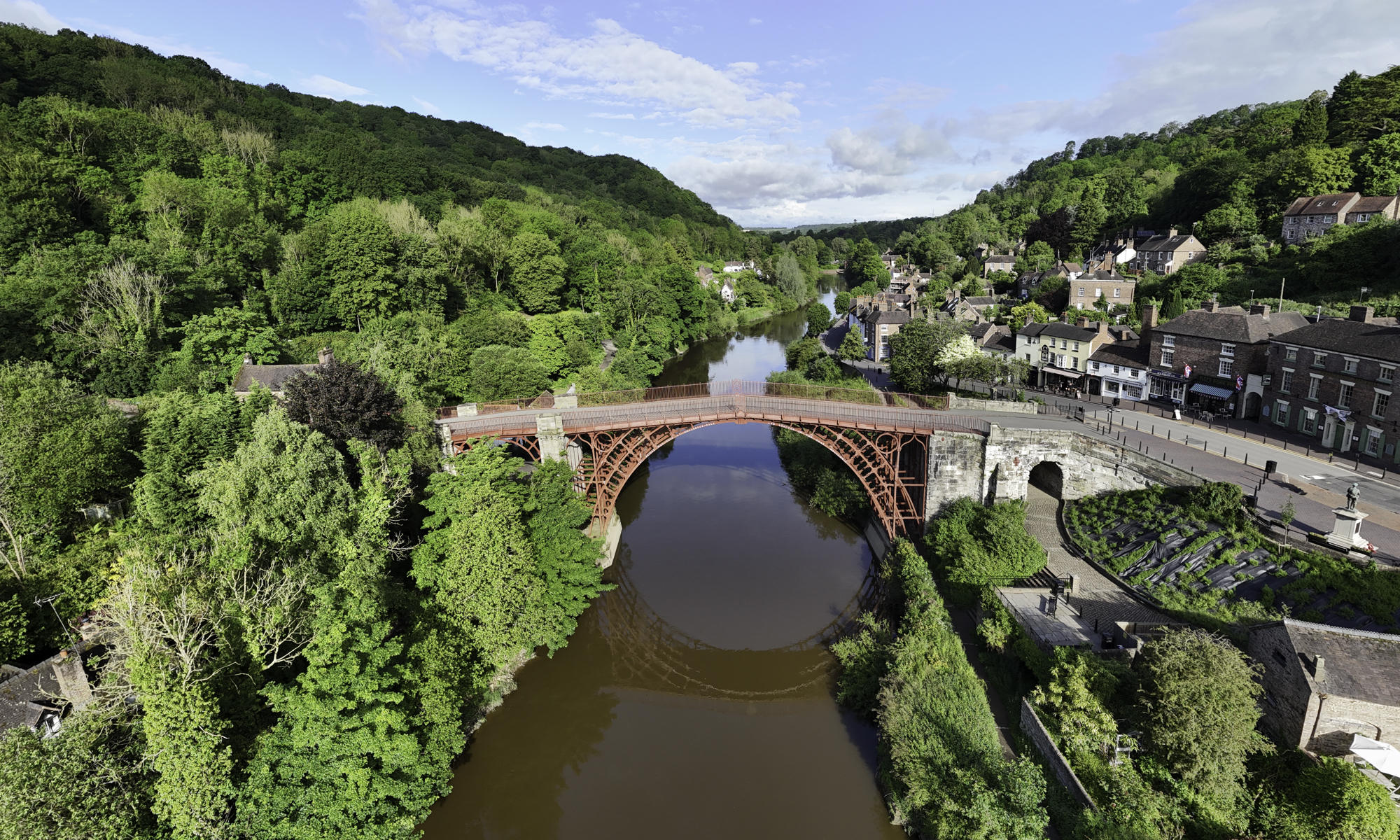
Another shot of the Shropshire Canal at Coalport in the Ironbridge Gorge, but this time looking towards the Hay Incline Plane. This amazing piece of Victorian engineering was built in 1793 to transfer flat-bottomed ‘tub’ boats full of coal from a canal at the top of the valley down to this canal at the bottom. A tub boat would be slid onto a wheeled cradle to keep it level and then the weight would take it down the rails, pulling an empty tub boat back up at the same time. A steam-driven ‘brake’ at the top controlled the speed.

Duck under the bridge

Cold kilns

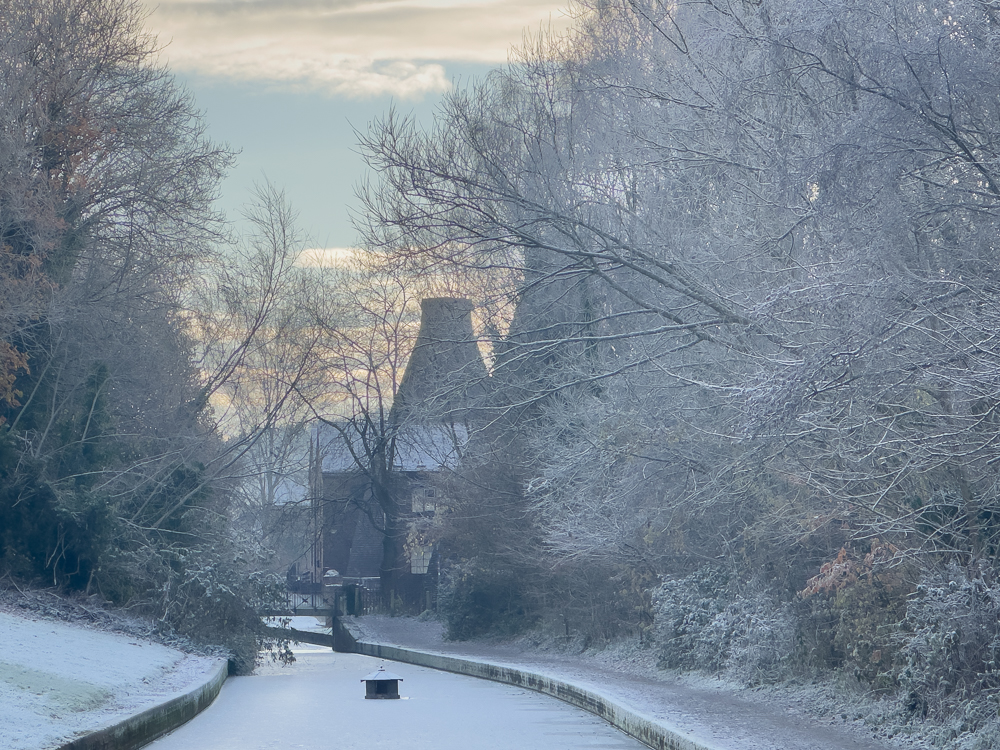
A morning walk just a few minutes from my house, and the same route as I’d taken with the dogs just a few hours previously – only it was dark then! This is the frozen Shropshire Canal with the bottle-kilns of the Coalport China Works in the distance. The kilns went cold in 1926 when china manufacturing ceased and transferred to Staffordshire.

It was just below freezing and the frost gave a Wintery feel to the scene – and to my fingers. It is a shot taken with my iPhone 14 Pro Max which once again shows how the gap between phone camera and DSLR camera is getting smaller.

Cold kilns

Back in Black

Those of a similar age and musical persuasion to myself will probably recognise the title of this blog post as an album by Australian rock band AC/DC released in 1980 (and not to be confused with the Amy Winehouse album Back to Black). However this is not about music but about creating studio photographs with the background in black (see what I did there?)

Back in black
Continue reading “Back in Black”

Back on track

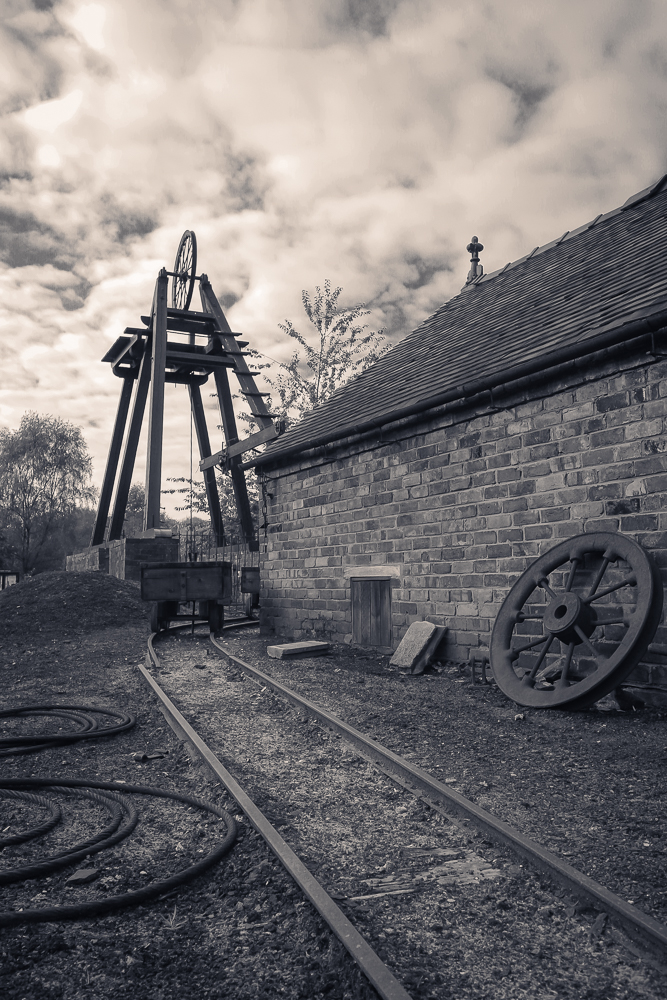
Once a year the Ironbridge Gorge Museums throw open their doors and give free entry to anyone with a local postcode – and this year is no exception with an open weekend on 19th & 20th November. As I only live about a mile from the Victorian Town I make a point of visiting, camera in hand, to get some atmospheric shots. Tickets are issued on a first-come, first-served basis and so I made a point of applying early to get mine.

Last year I concentrated on taking background shots to use in studio composite images but this year I’ll be taking my medium format set-up to capture architectural landscapes.

Back on track

Bottoms up

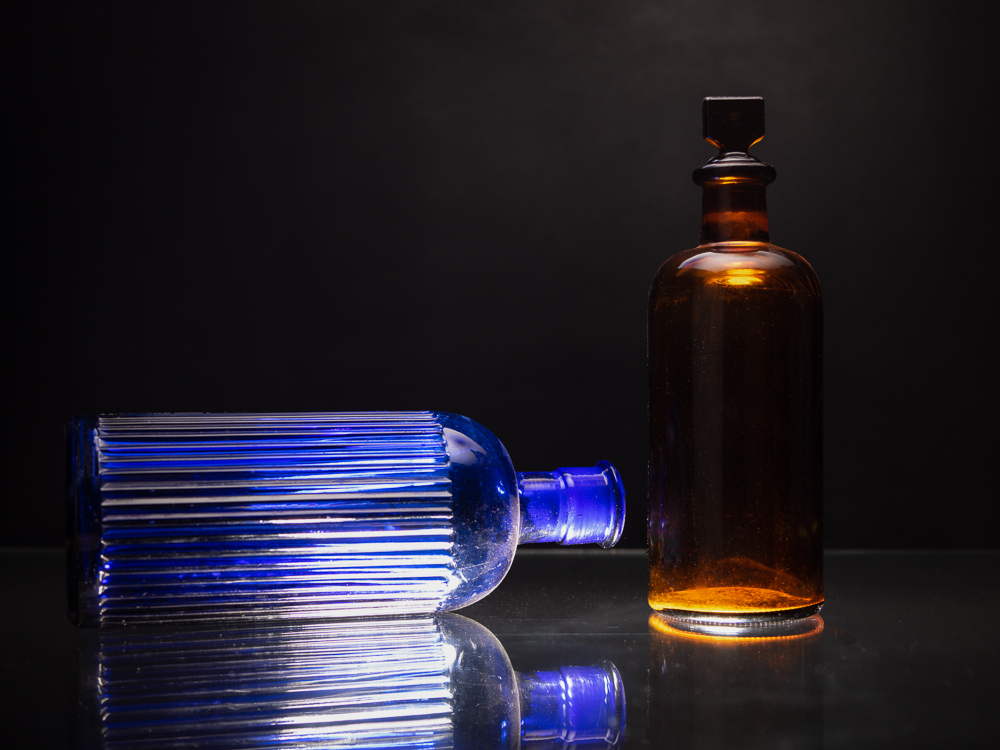
The main table that I use in the studio was actually a ‘bar-style’ table (originally with two tall chairs). It has a removable marble centre-section and so some time ago I found a suitably-sized piece of sheet glass that could replace it, when required, so that I could light subjects from beneath. I even have a mini-light stand for just that purpose.

Finally it was time to try it and the obvious choice of subject was some coloured glass bottles that I have in my collection of still-life photography props.

Bottoms up
Continue reading “Bottoms up”

Black Piccolo

Back in the studio again now that the garden is tucked-up for the Winter.

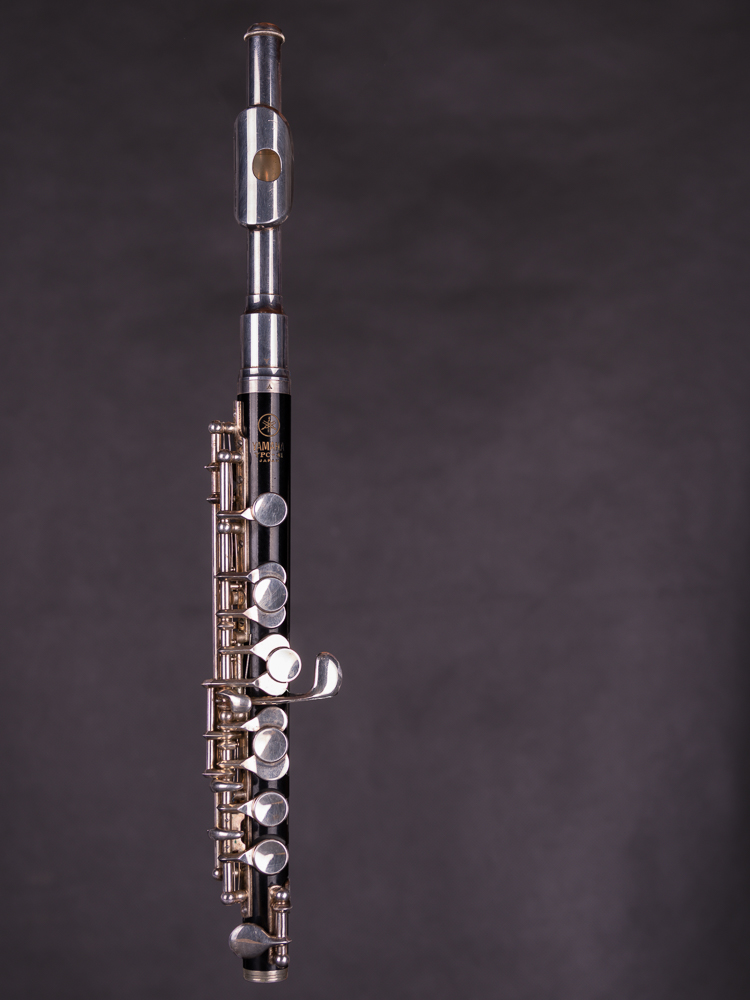
A piccolo is a small flute in the woodwind section of an orchestra or military band and plays exactly one octave higher than a normal flute – being the highest pitched instrument in that section. When I was at school (many years ago!) I played the flute and piccolo (the one pictured here) in the school and county bands, although I haven’t played either since then.

Black Piccolo
Continue reading “Black Piccolo”

Lake Vyrnwy

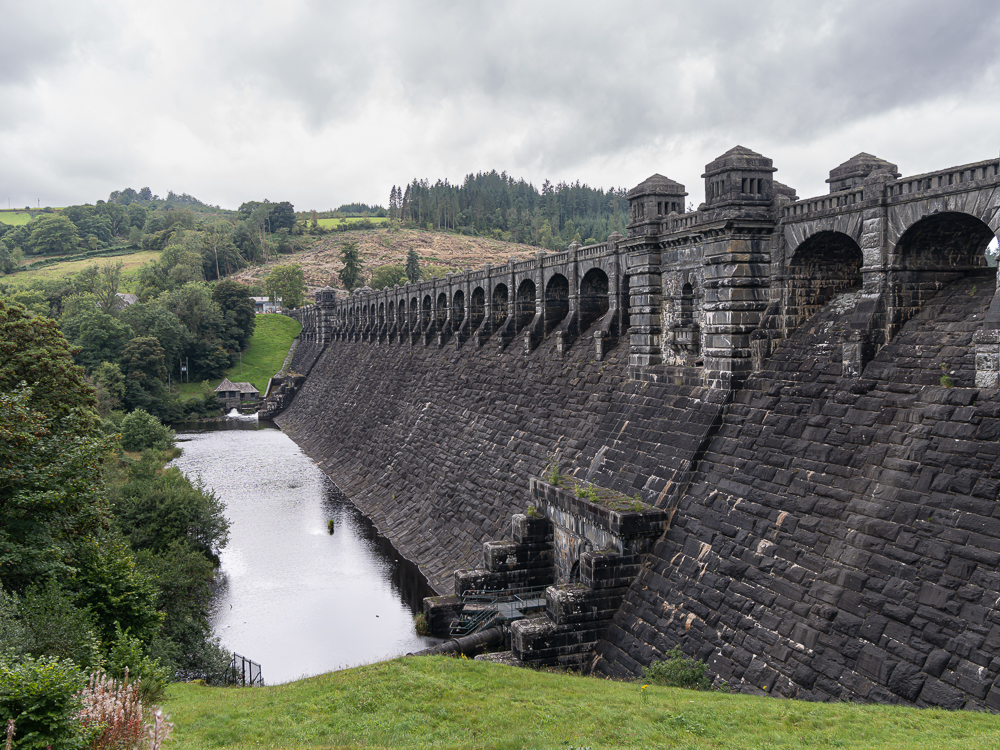
I’ve had a week away from my ‘day job’ primarily to prepare the garden ready for the Winter months. However I did allow for time-out to take Mrs H and our dogs to Lake Vyrnwy, in Powys, some 60 miles in a westerly direction just over the Welsh border. Although it is called ‘lake’ it is actually a reservoir built in the 1880’s to supply the city of Liverpool with fresh drinking water.

Naturally I took a camera with me although experience tells me that trying to concentrate on taking photographs with three dogs in tow is generally a recipe for disaster. They do tend to get a bit impatient if I stay still for more than about a minute and so even though I take a tripod with me it rarely gets taken out of its bag. Here are a few that I did manage to take (hand-held!). The light was good with few hard shadows although the sky was overcast and a bit featureless.

It was good to take some landscape-type shots and I enjoyed looking for interesting compositions. I really must try and make the effort to take more.

When the reservoir is full water cascades down the wall from the crest beneath the arches but the long dry summer has depleted the water level
Continue reading “Lake Vyrnwy”

Only in America (part 2)

Following my visit last Saturday to Oulton Park and the inaugural ‘U.S. Autoshow’ here are some more photographs of the cars displayed by their owners in the infield parking area. It was great to see the attention that they had been given to display them at their best – a credit to their owners.

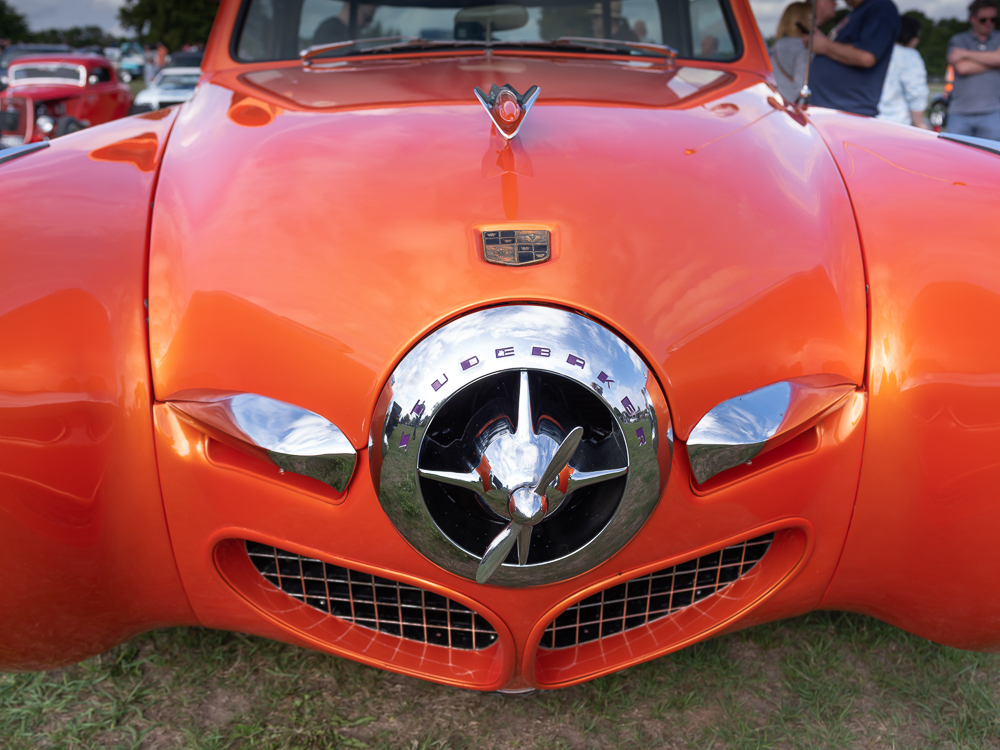
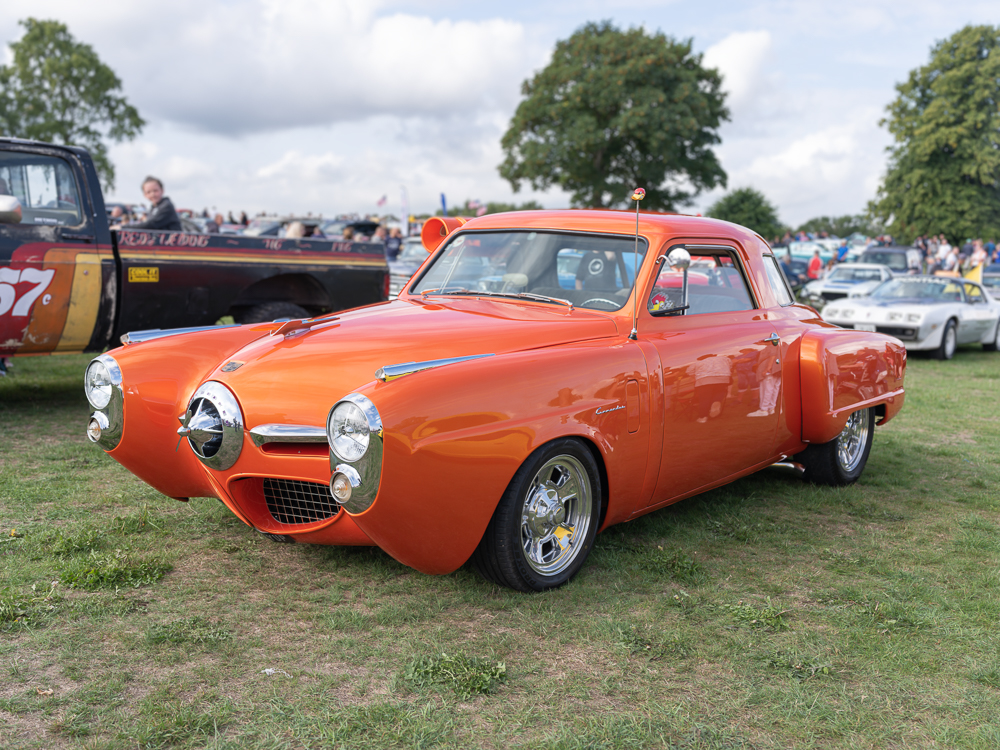
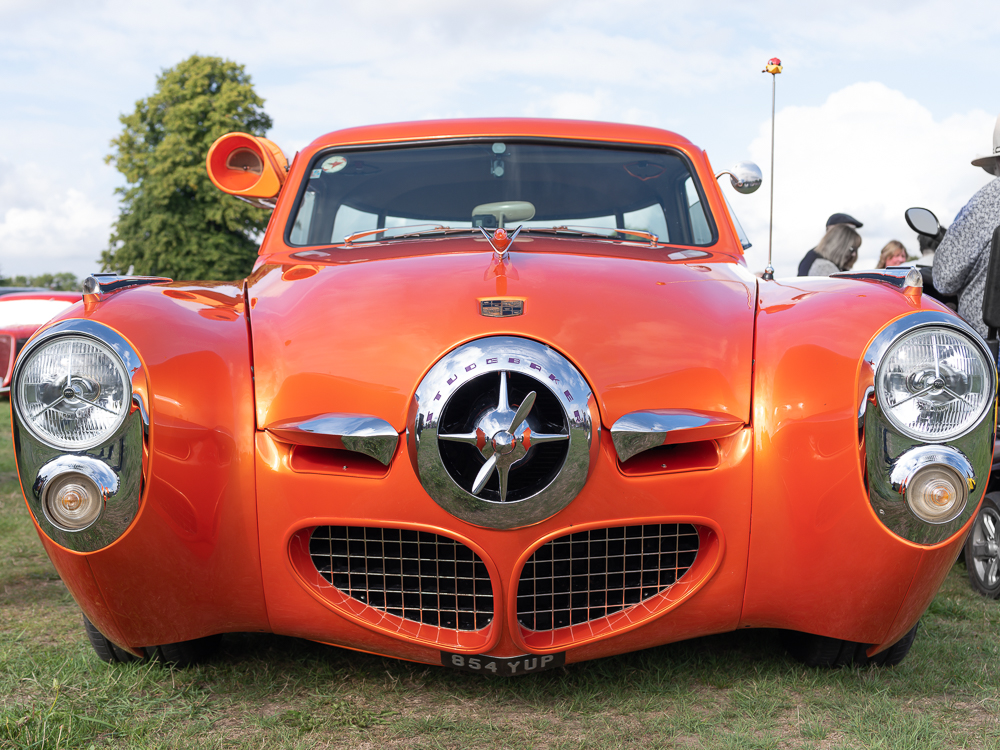
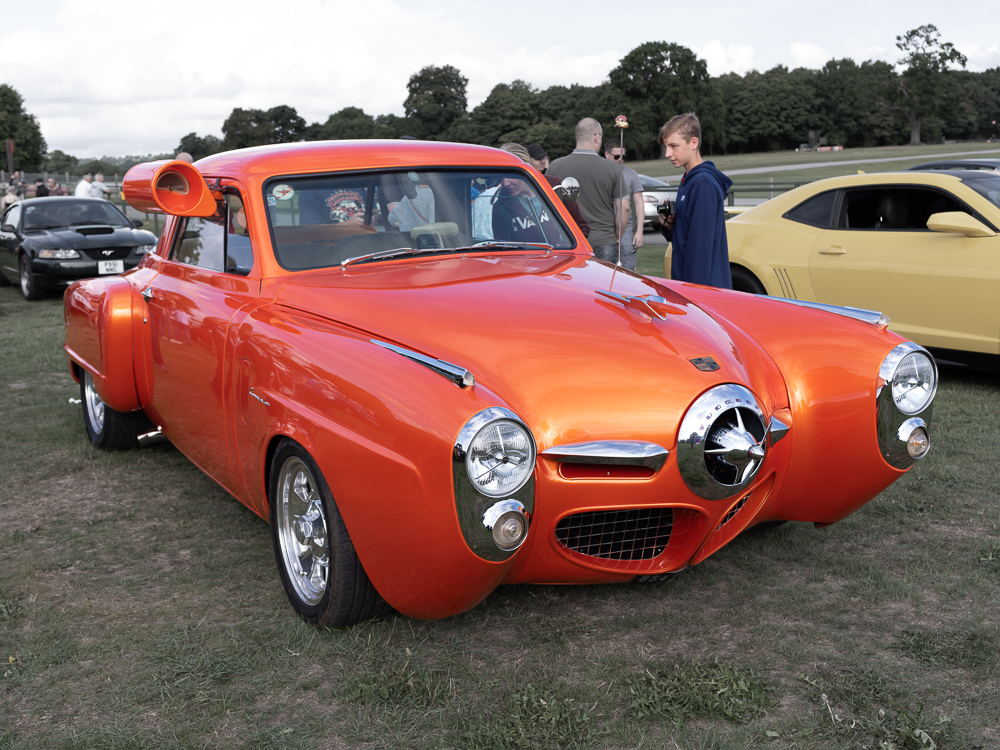
First up is that fantastic feat of styling: the Studebaker. The Studebaker Brothers Automotive Company was founded by 5 brothers in Indiana in 1852. The Commander was a name used from 1920’s through until 1960’s and the Commander Starlight Coupe (seen here) was produced from 1947 to 1955. The tube attached to the passenger window is a car cooler which used water evaporation to cool air channeled through the tube into the passenger compartment.

And now a selection of other great American classics:

Continue reading “Only in America (part 2)”

Only in America (part 1)

As a teenager in the 1970’s the television fed me a diet of America cop shows and movies – and with it their American cars. These seemed light years ahead of the cars in Britain at the time and absolutely huge – although they all seemed to have tremendous acceleration and handle like a sports car!

I can easily remember:

  • Starsky & Hutch – Starsky’s red Ford Gran Torino / Hutch’s battered Ford Galaxie
  • Cannon – Frank drove a Lincoln Continental befitting of a high-end private-eye
  • The Dukes of Hazzard – Bootlegging in a Dodge Charger
  • Duel – A Plymouth Valiant chased by a psychopath in a Peterbilt tanker truck
  • Charlie’s Angels – Jill Munro had a Ford Mustang
  • Kojak – The bald-headed cop drove a Buick Century
  • Shaft – He drove a Dodge Charger in the series
  • The Streets of San Francisco – Lots of Ford Galaxie’s (Ford sponsored the series)
  • The Rockford Files – Jim Rockford’s Pontiac Firebird
  • Hawaii Five-O – Mercury Marquis / Chevrolet Camero / Ford Mustang
  • Mannix – A Plymouth Barracuda (convertible)
  • Bullitt – A Ford Mustang on San Francisco streets
  • Ironside – Usually in a van, for obvious reasons

So when I found out that Oulton Park were having a new event devoted to American motoring (called U.S. Autoshow) it was an opportunity that I couldn’t miss. Maybe I could get photographs of some of those cars from my teenage memories.

Here are a few tasters from the day and I’ll upload a further gallery shortly.

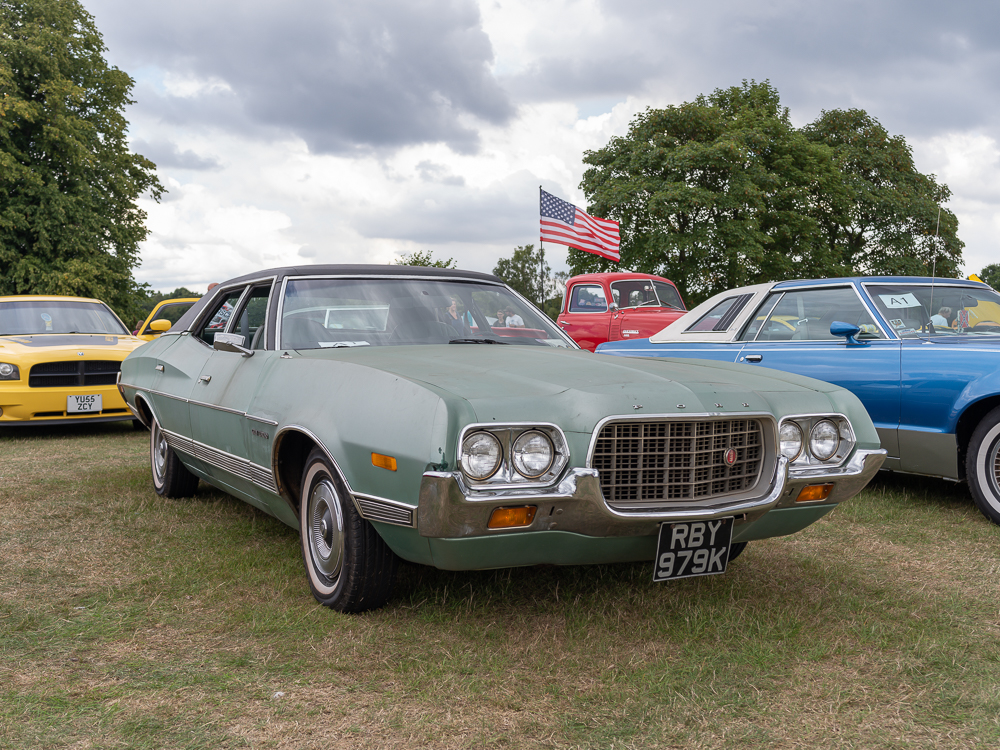
A Ford Gran Torino – much larger and unwieldy-looking than I anticipated
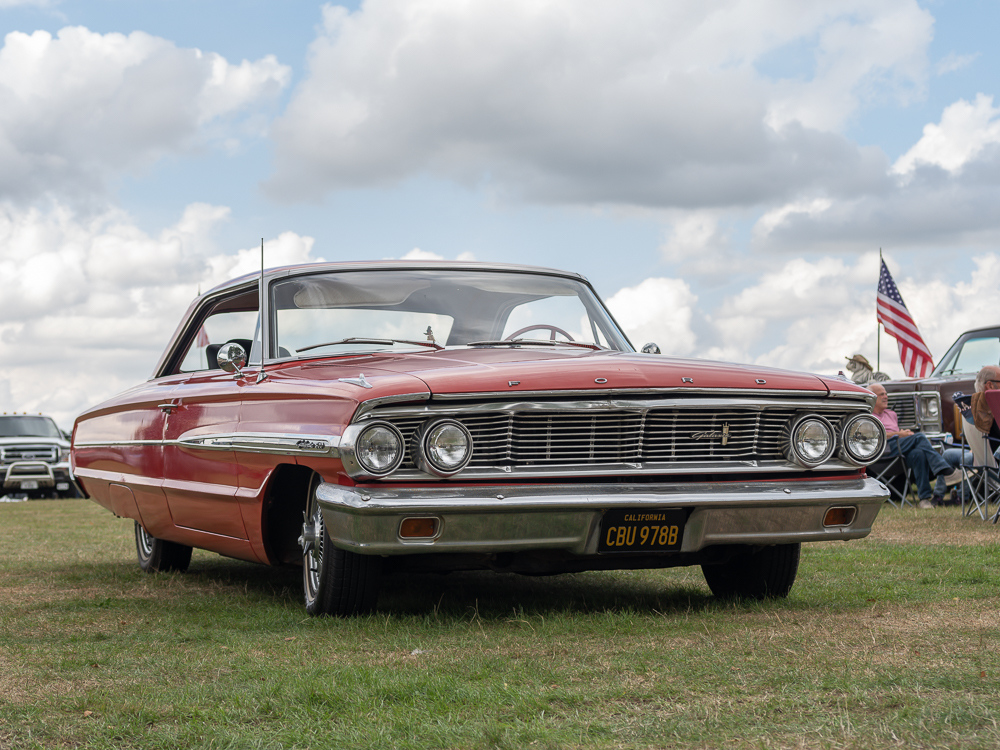
Ford Galaxie – part car, part ship 🙂
Continue reading “Only in America (part 1)”

Never look a gift horse in the mouth – part 2

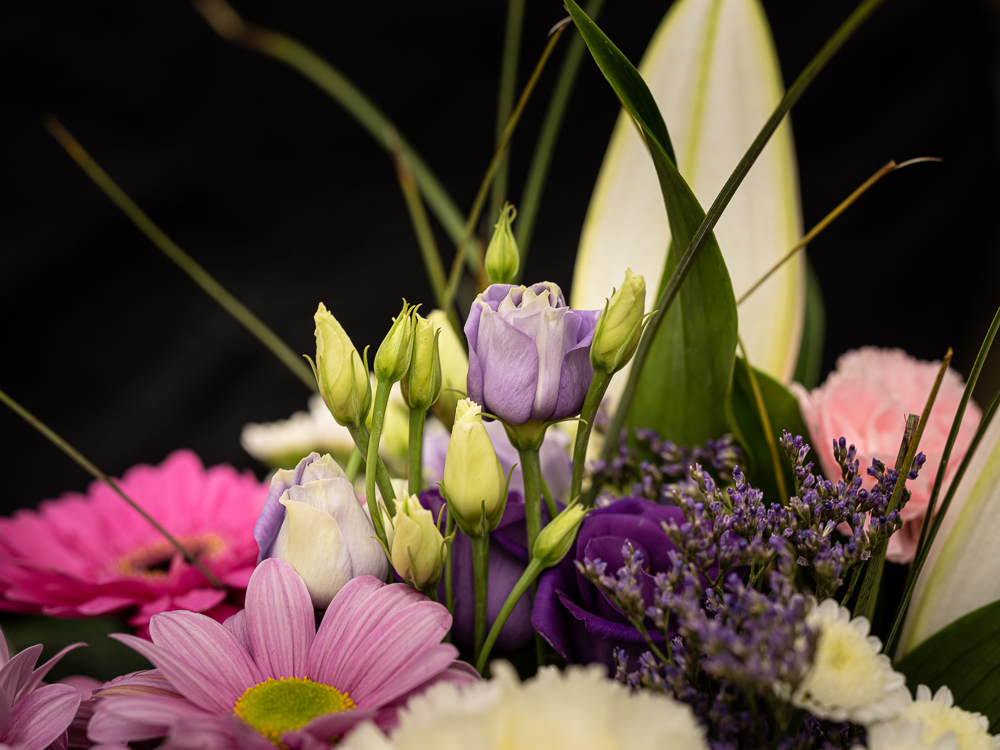
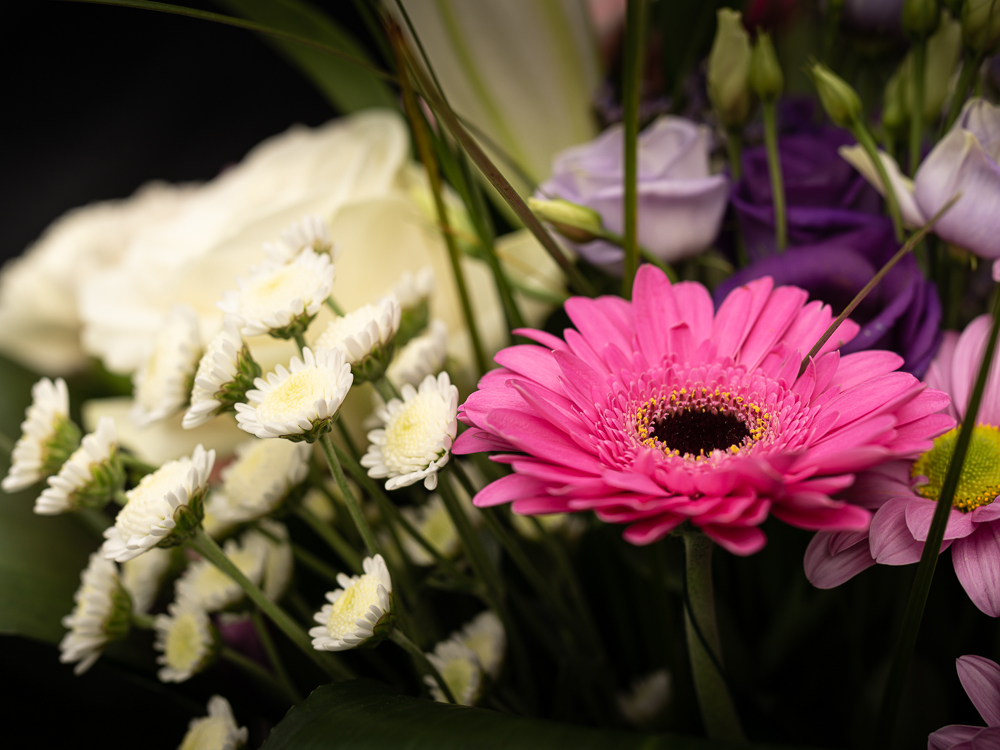
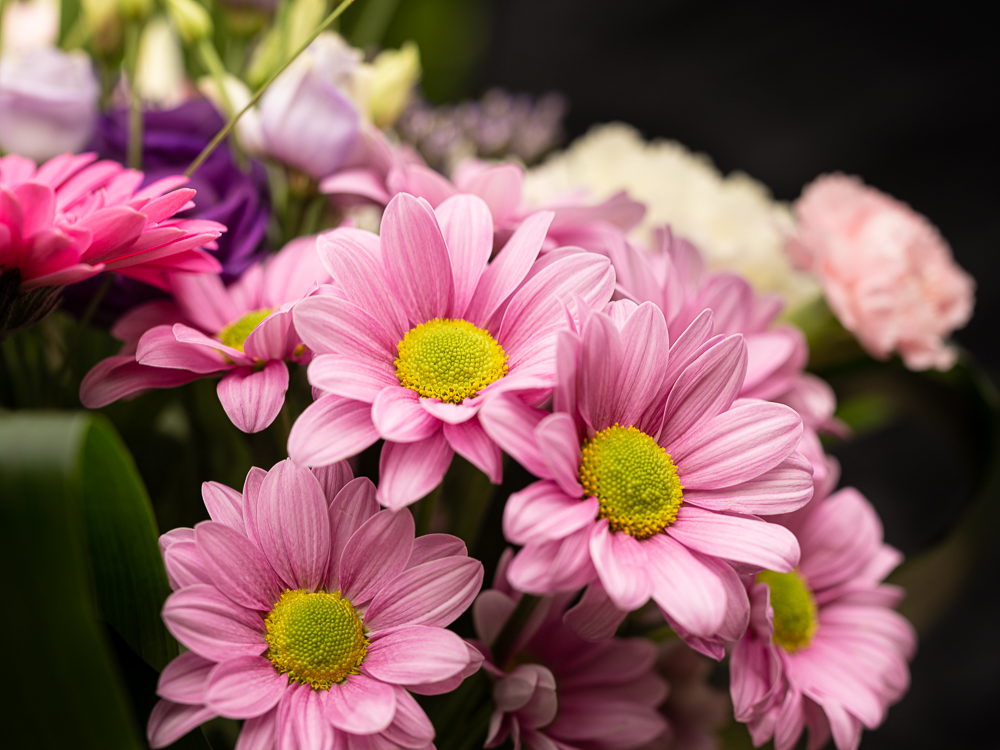
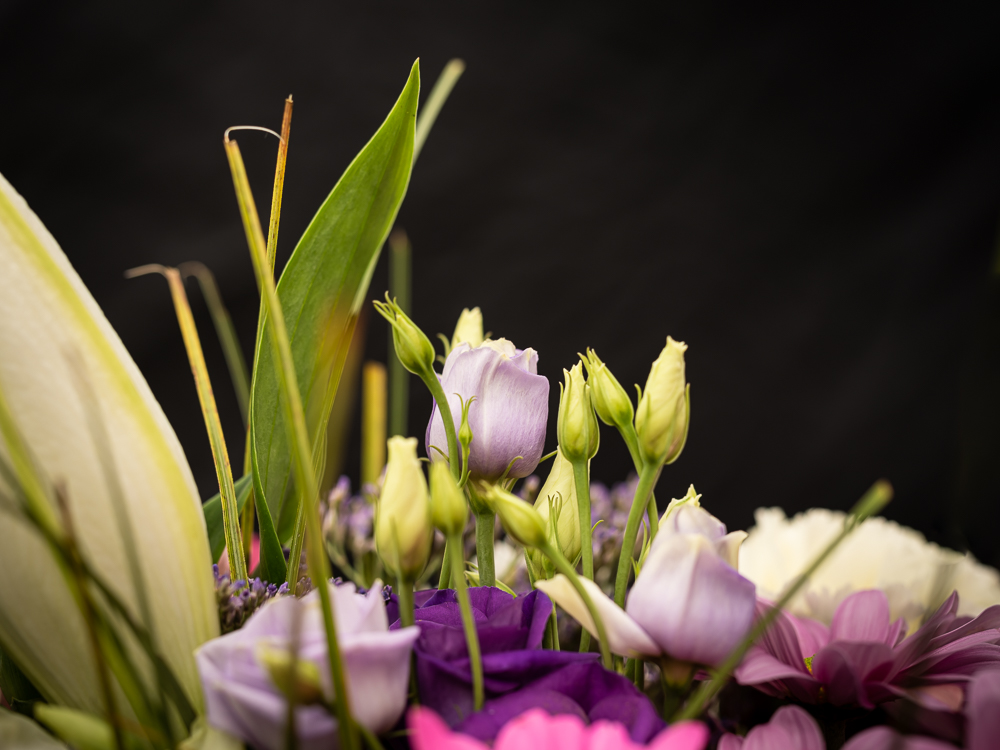
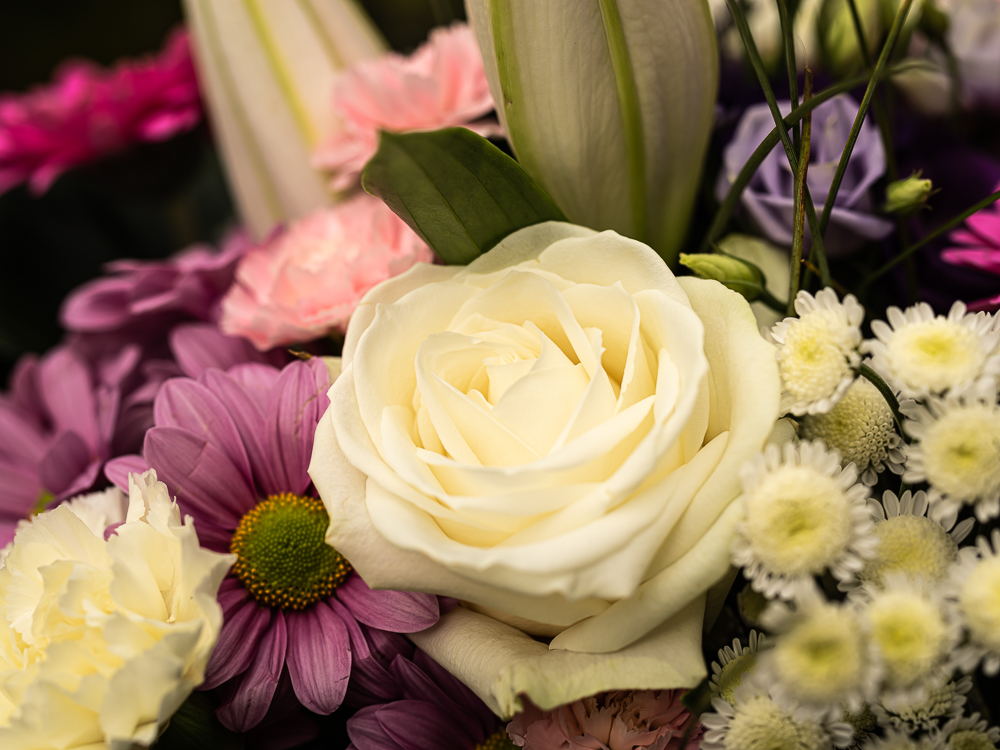
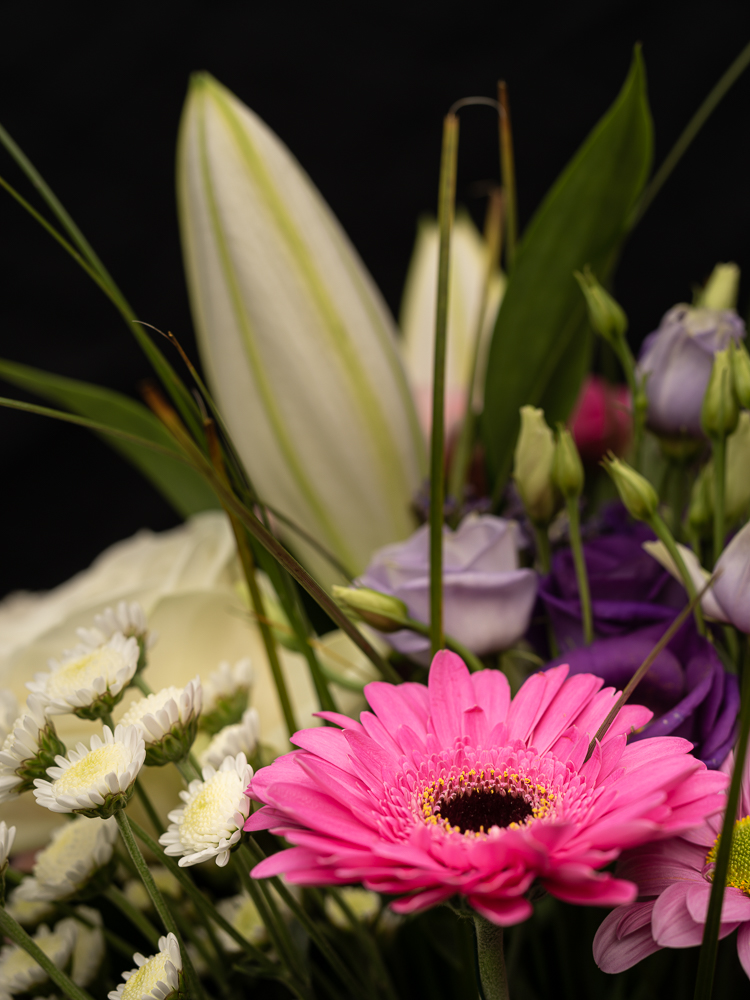
The bouquet gave rather more photographic opportunities that I initially imagined and so I have split this blog post into 2 parts. This second part highlights the shots that indicate that I was taking them against a black background, which I thought would accentuate the flowers rather than just using the greenery of the garden.

I used my collapsible 5-in-1 reflector, fitted with the black ‘flag’ cover, suspended with a studio lighting stand equipped with a spring clamp attached to the top. This works well as a background if you can get it far enough back from the subject to overcome the numerous creases that inevitably occur when it is folded. I have looked for a dedicated collapsible black background to eliminate this problem but they are all 1.5m – 2m in size and I can’t find one that is small enough to use easily outdoors. The search continues.
Gerbera daisy

Back(ground) to black
Lily bud || © John Hallett Photography

Never look a gift horse in the mouth

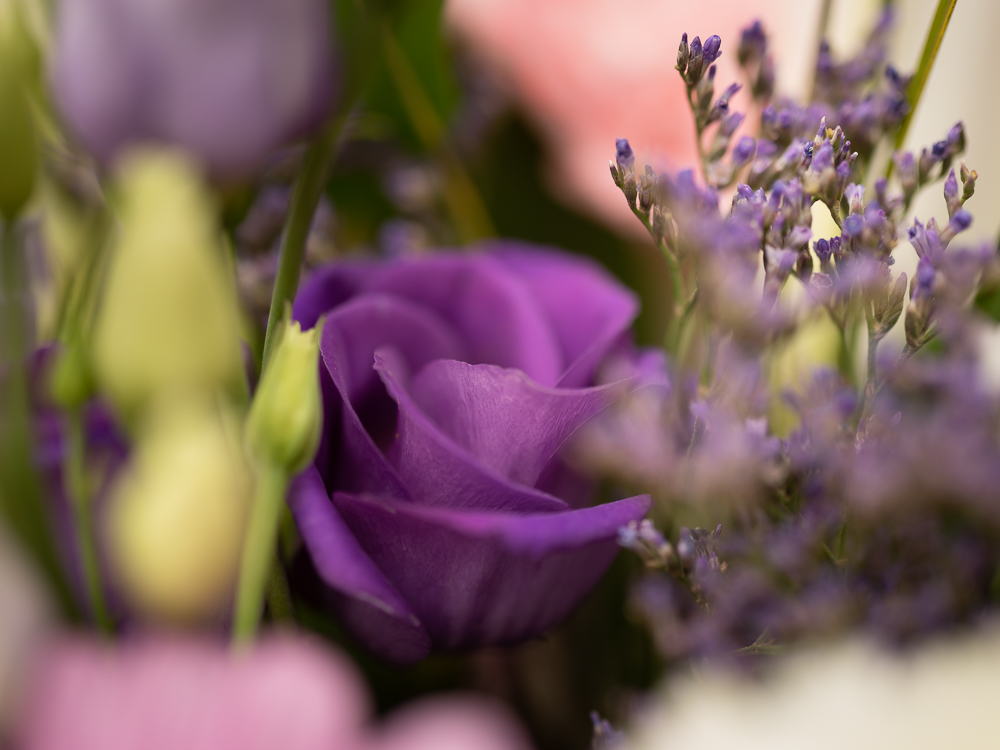
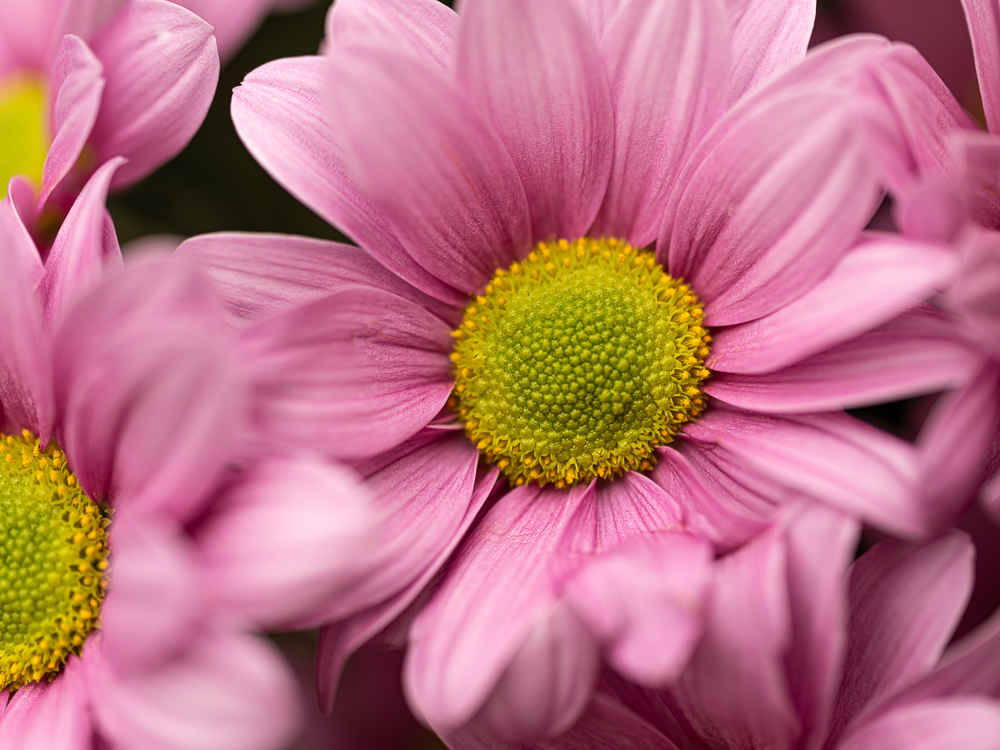
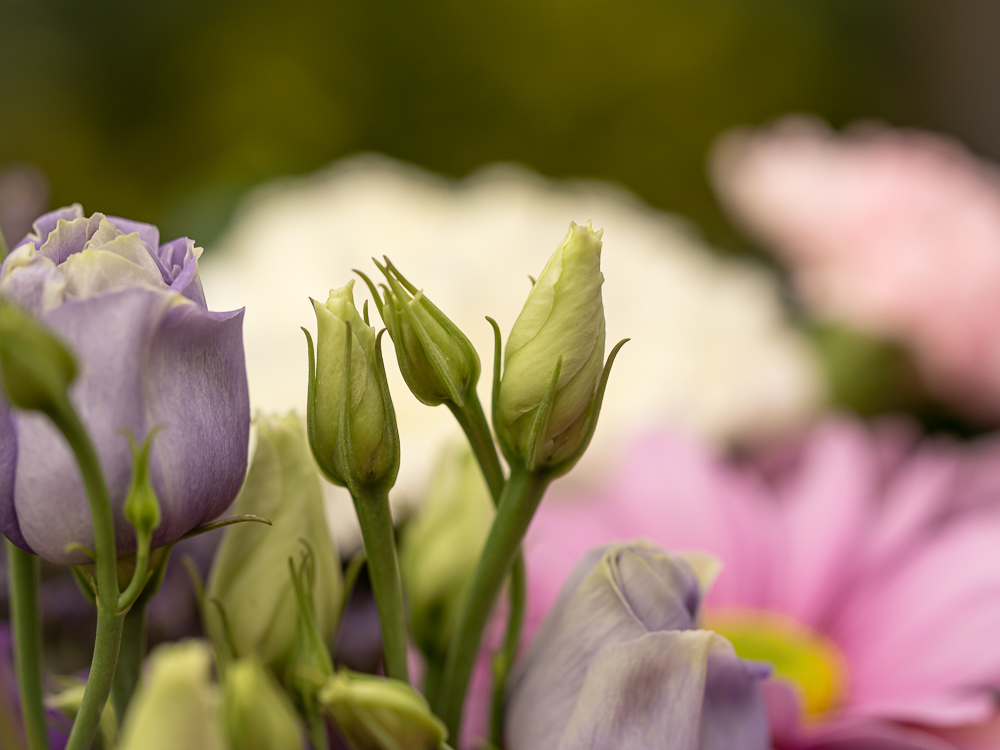
OK, it’s not exactly a gardening quote but it sprung to mind as I took these shots. Mrs H recently received a lovely bouquet as a reward for looking after her sisters dog whilst she went away for a few days. It was therefore opportune to grab a few photographs of the blooms whilst they were still at their prime and so I took them outside under an overcast sky to make the most of the diffused light.

Incidentally, the title phrase originated from the practice of checking a horses mouth to see their teeth as a way of determining its age, which presumably would appear rude if the horse was a present.

Gerbera daisy
White rose
Gerbera daisy || © John Hallett Photography
© John Hallett Photography

Quote… Unquote

I’m enjoying taking flora photographs in a blooming Spring garden at present but it does become rather tricky thinking of how to write a topical blog post each time. Therefore I have decided to use a garden-related quotation as a lead-in. Here is the first one, very apt given that our garden is the result of 80 years of gardening by my family.

Gardens are not made by singing ‘Oh, how beautiful,’ and sitting in the shade. Rudyard Kipling

Siberian iris ‘Iris sibirica
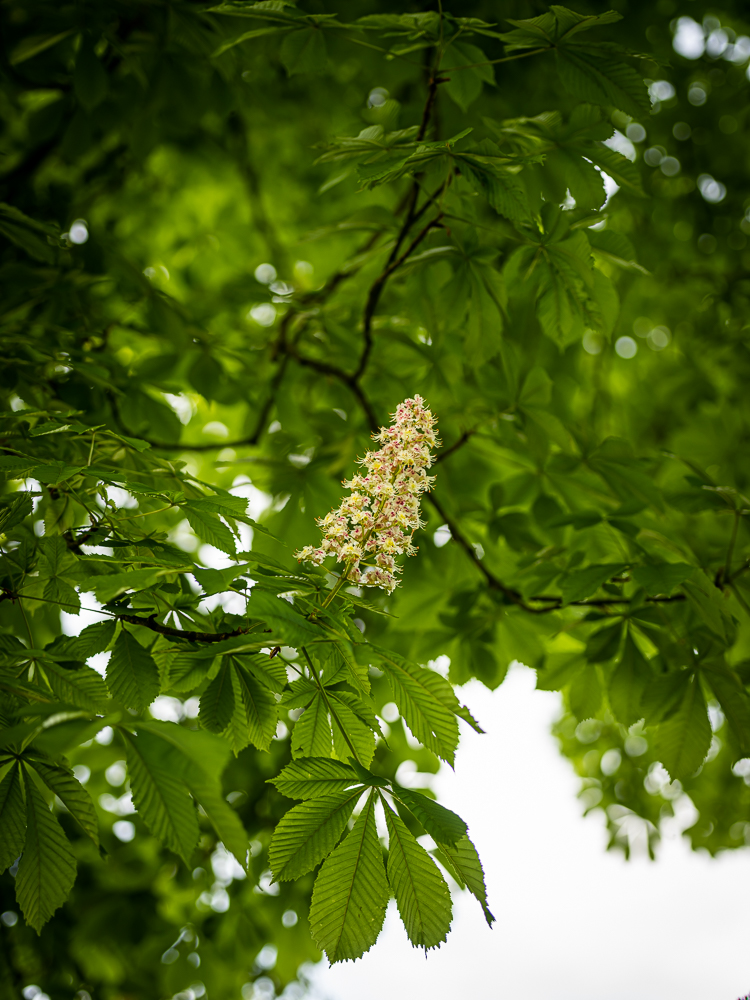
Horse Chestnut (or Conker Tree) – ‘Aesculus hippocrastanum
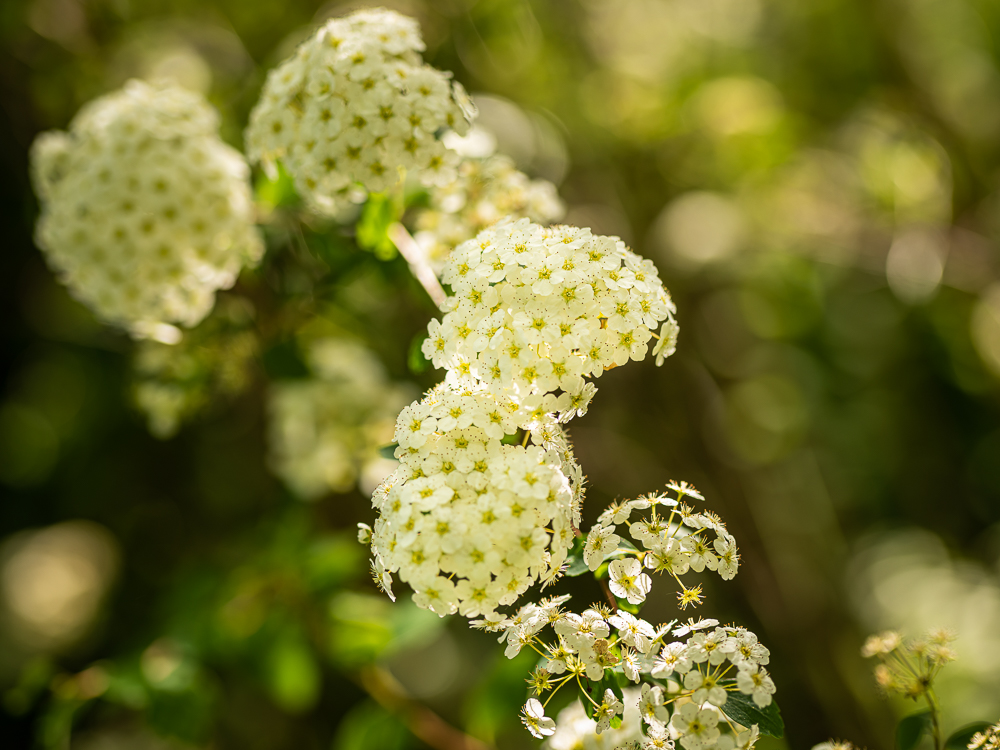
Spiraea cantoniensis
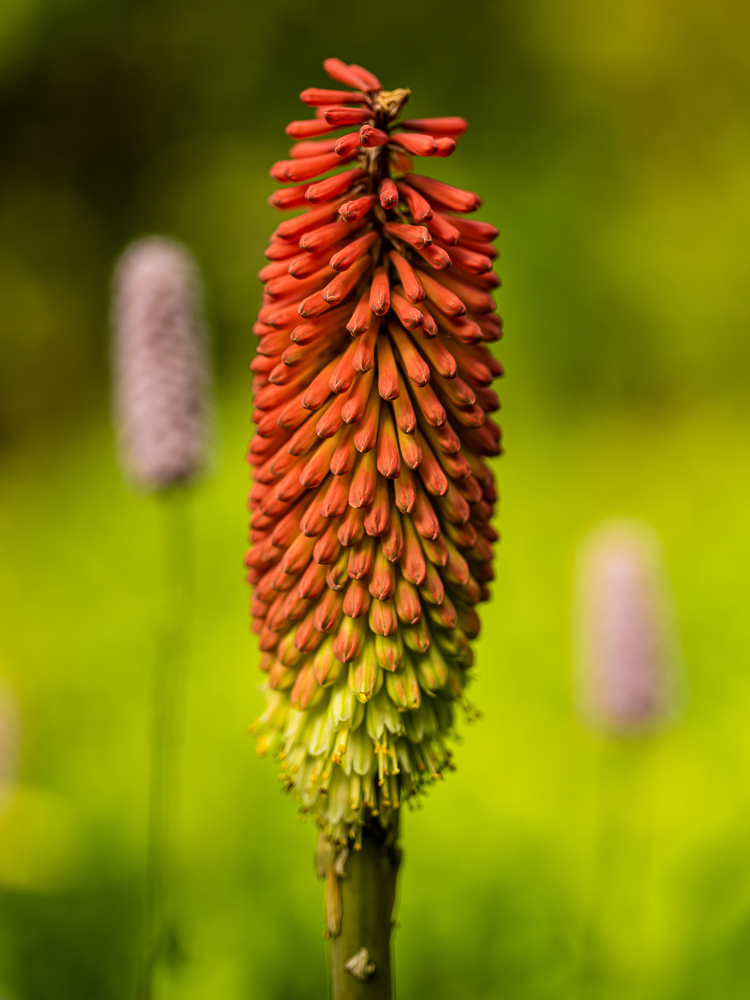
Red hot poker – ‘Kniphofia uvaria‘ || © John Hallett Photography
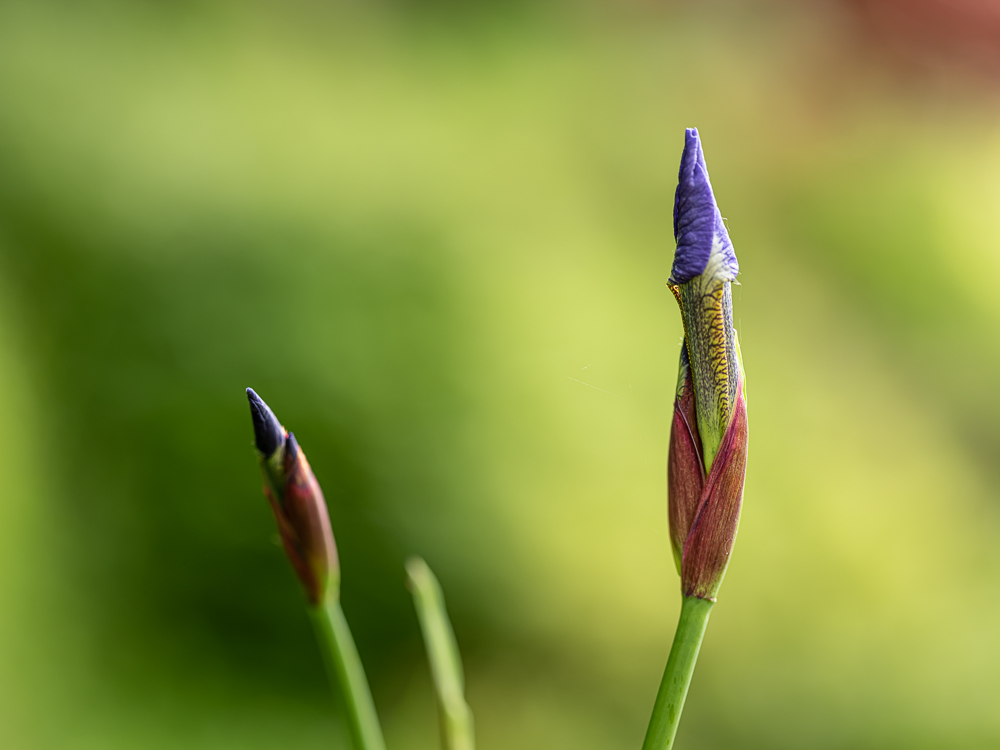
Siberian iris buds ‘Iris sibirica

Fine Art Flora

I have decided to use the category name ‘Fine Art Flora’ to replace ‘Flora & Fauna Photography’. Why? Well partly because I won’t be taking many ‘fauna’ photographs and partly because it reflects the type of image I’m looking at creating.

Mombretia (Crocosmia) leaf after rain

So what are ‘fine art flora‘ photographs?

These are images of plants and flowers captured for their aesthetic quality rather than to create a record of the subject. In other words, they are intended as an image to be viewed for pleasure as opposed to be used as an identification aid; to be viewed on the wall rather than in a plant encyclopaedia.

Follow my journey as I explore the garden with a new vision.

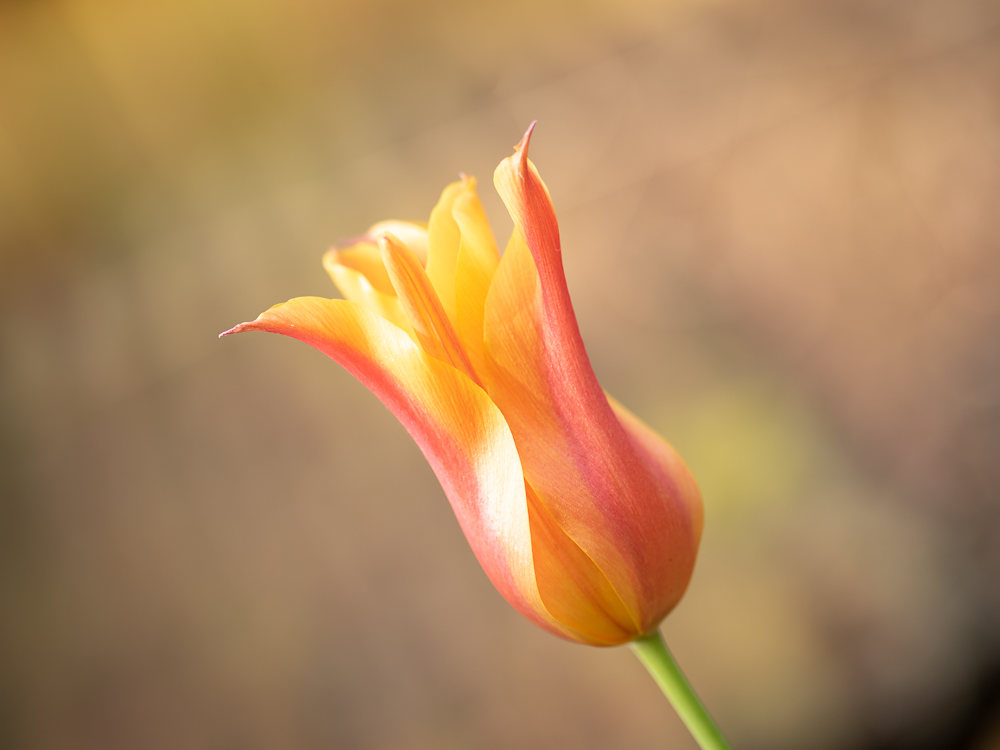
Tulip (tulipa)
Wild garlic (Allium ursinum)
Rhododendron flower
Japanese Camellia (Camellia japonica)

Flower tips

As mentioned in my recent post April showers may bring flowers I have been taking some flower images with inspiration from the Belgian photographer Dirk Ercken.

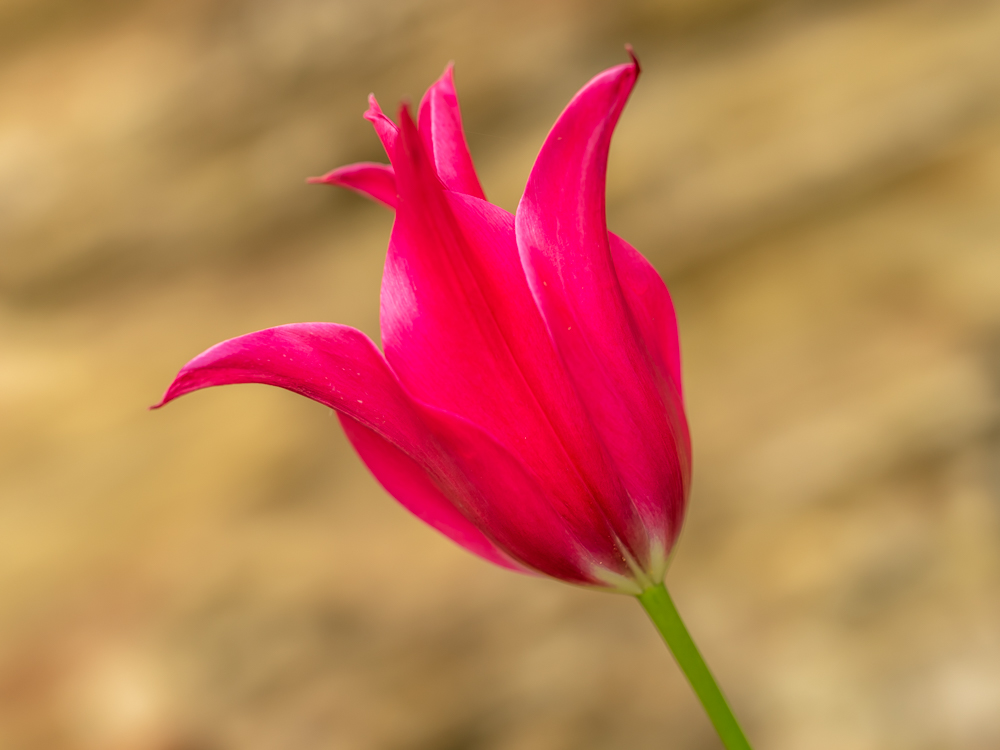
Tulip ‘tulipa

A few tips I have taken from him are the following:

  1. Don’t use a tripod. This goes against the grain for me who has always used a tripod for close-up and macro photography. Dirk’s reasoning is that being free to move gives far better opportunities for composition and background choices.
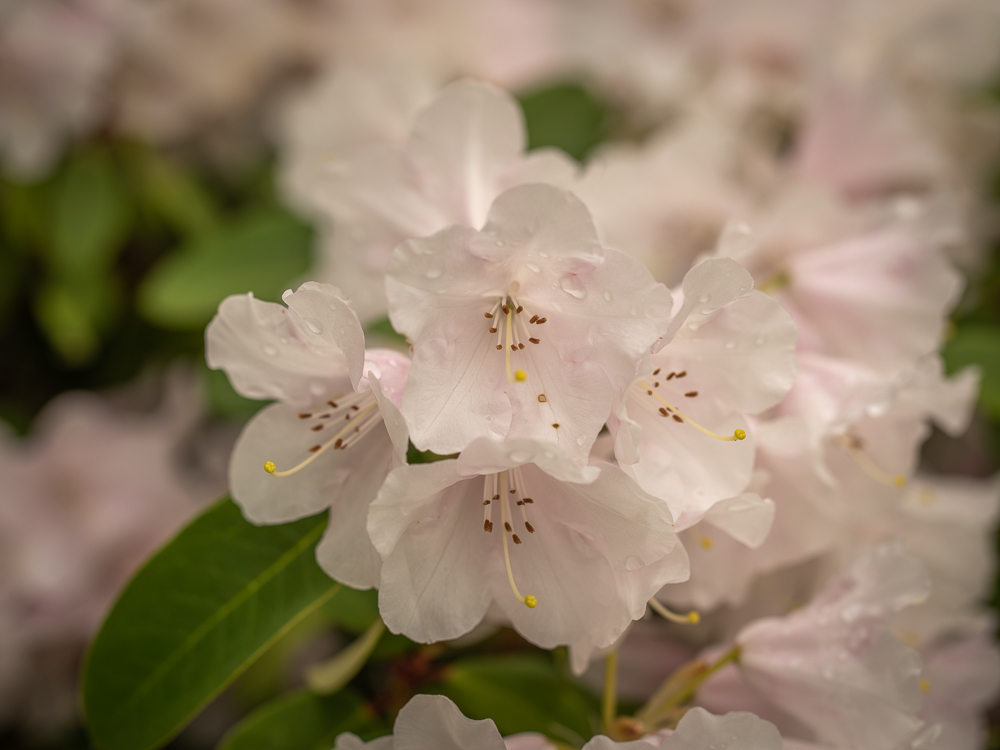
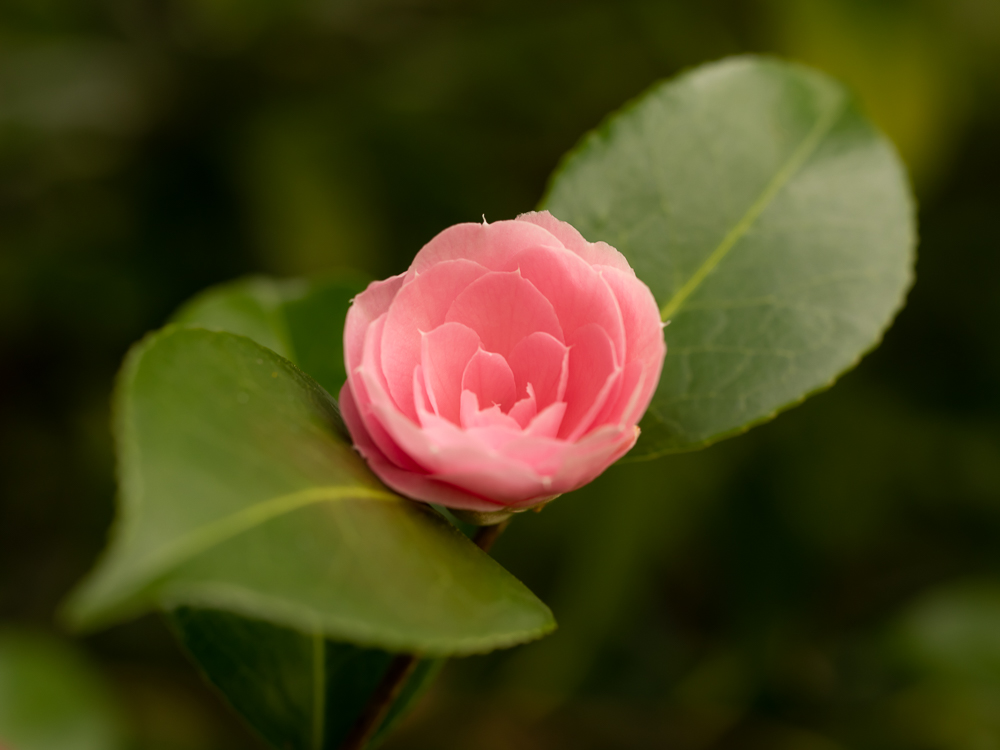
  2. Use a large aperture to blur the background and create that dreamy feel rather than having a large depth of field that allows the background to start taking over the shot
  3. Bracket the aperture settings. There is a fine balance between obtaining that dreamy feel and obtaining subject sharpness. It isn’t an exact science and may change depending on the subject. Therefore taking several shots with different apertures gives you the choice when viewed large on a monitor that you cannot make from the small LCD screen on the camera.
  4. The choice of background is as important as the choice of subject. Take time to look at what is behind the subject to ensure that it doesn’t compete.
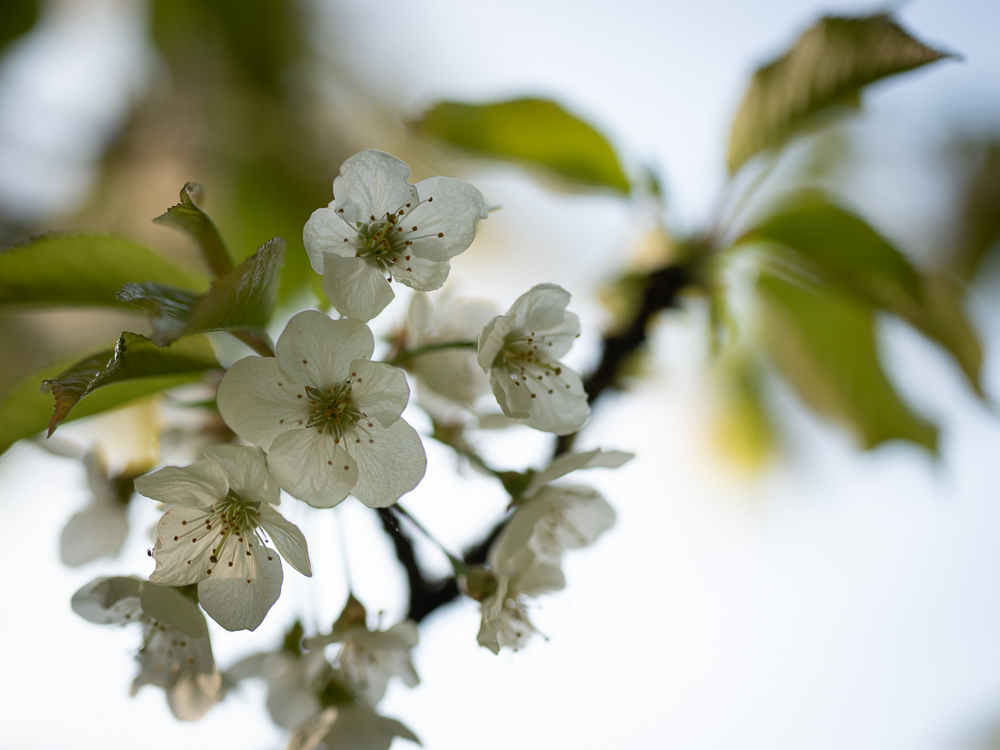
Cherry blossom ‘cerasus flores

This is still very much ‘work-in-progress’ but I’m enjoying this kind of flower photography more than ever before and with a garden full of opportunities there is no excuse for not using the camera.

April showers may bring flowers

With a garden full of flowers starting to bloom in the Springtime it would be churlish to overlook the photographic opportunities that it presents literally on my doorstep. And after all, when I purchased my medium-format camera one of my first additions was a macro lens (see That didn’t take long) specifically for this purpose.

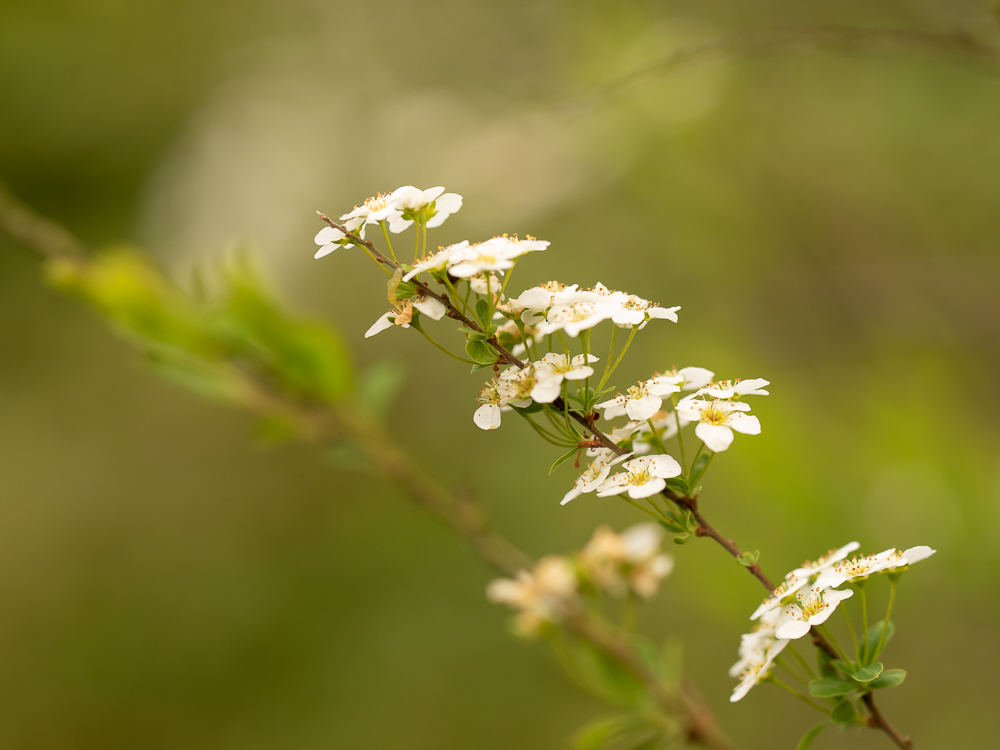
Spiraea Bridal Wreath ‘spiraea prunifolia’

I have been studying the work of Dirk Ercken, a Belgian biologist and nature photographer who takes some beautiful dreamy-style flower photographs, quite unlike the stark, record-type of images that I have done in the past. Fuelled by this inspiration I am making a conscious effort to take a more artistic approach and will chart my progress as I go. One of the things I will have to improve though is my flower identification skills.

Japanese maple ‘acer palmatum’