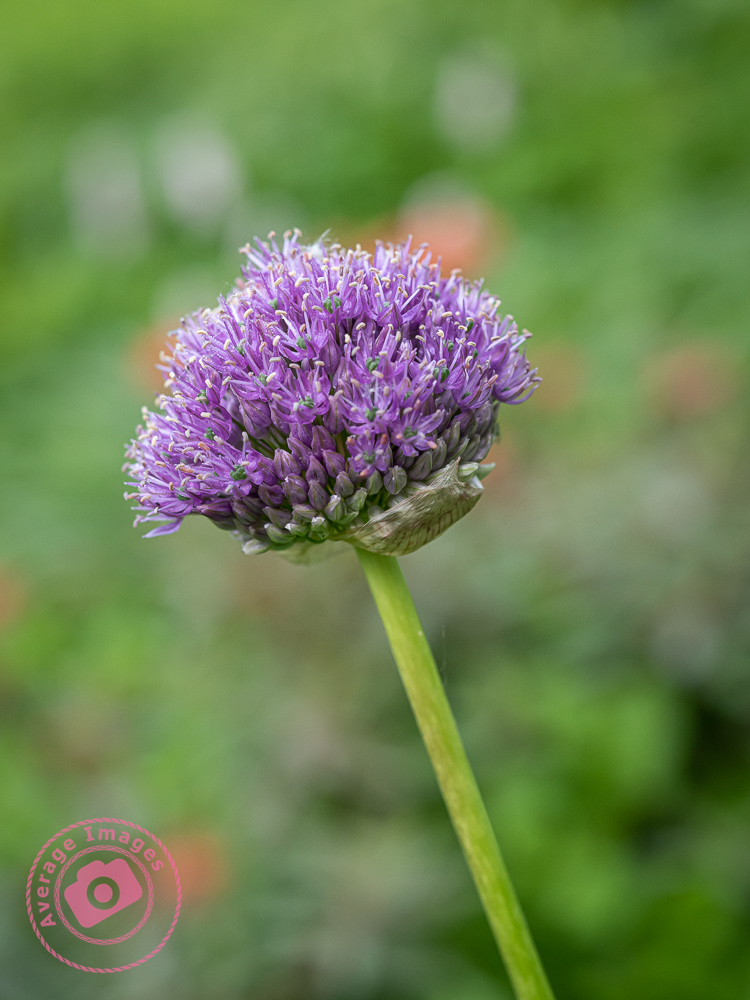
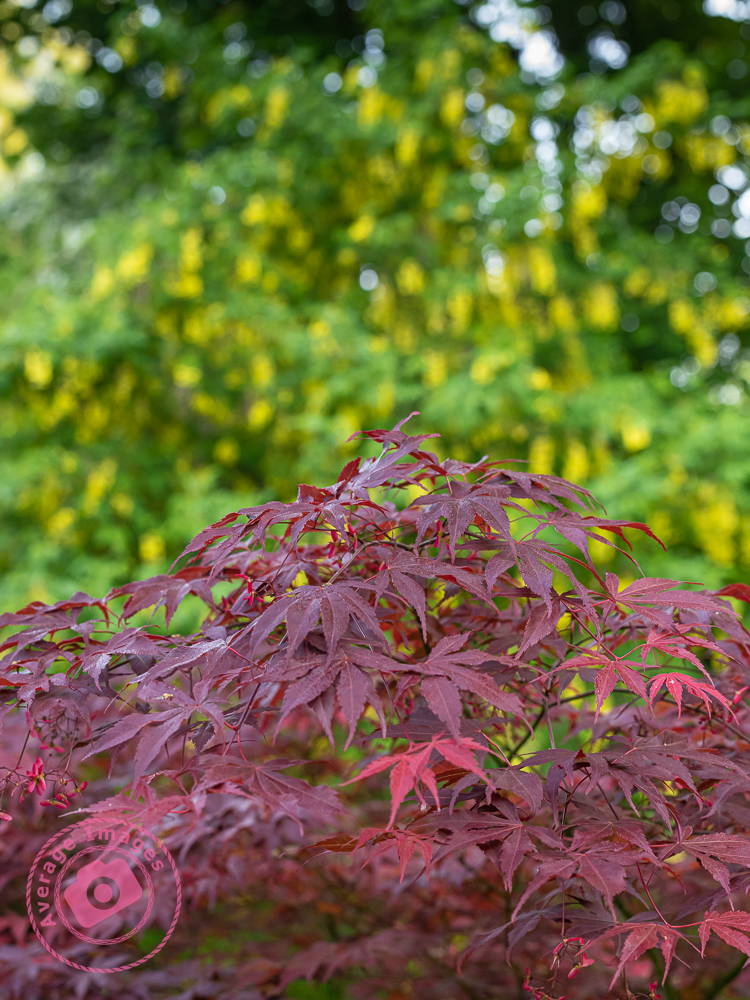
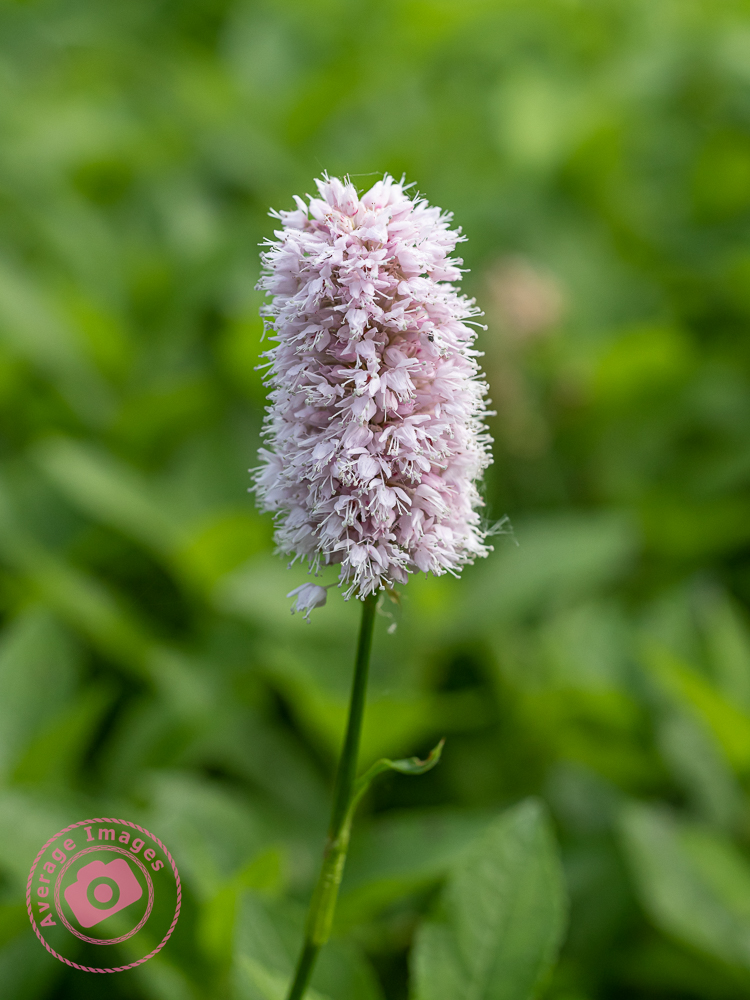
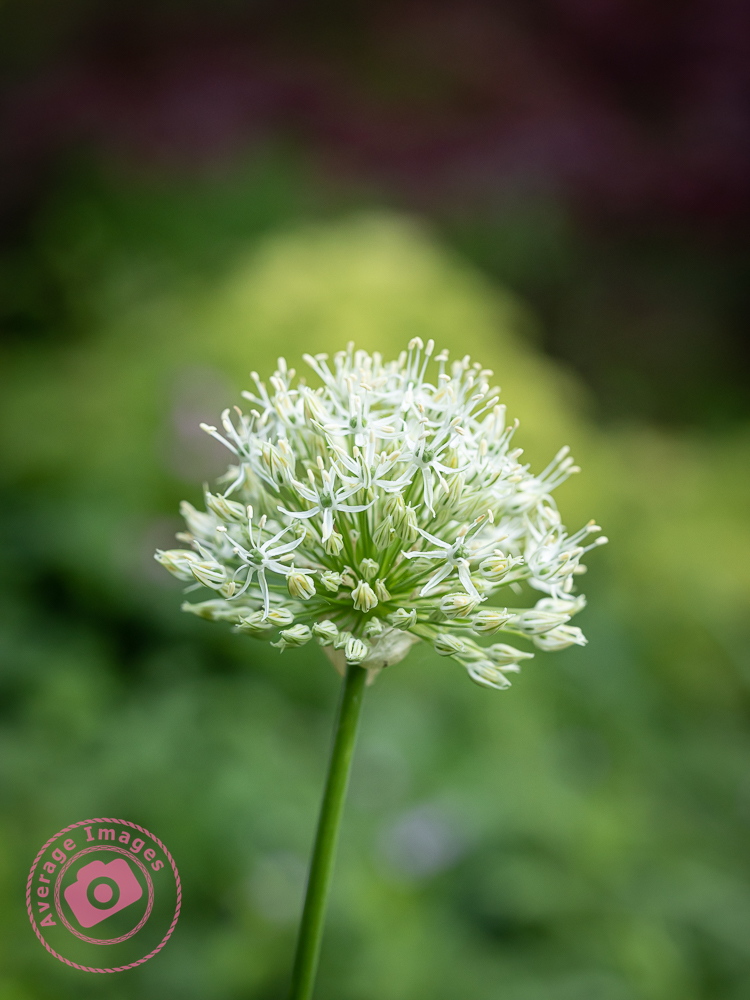
On the same morning that I took my shots in Early Morning Garden Photography I also took these.
Command attention. Capture perfection.
On the same morning that I took my shots in Early Morning Garden Photography I also took these.
With Summer weather finally upon us (for a short time, at least), I have been spending most of my weekends in the garden, usually mowing and strimming grass and weeds. During this time, I have noticed several blooms that deserve to be captured photographically, but any time after about 10am the sun is just too strong and bright to do them any justice. Therefore I was out at 7am taking the following images before I set off to work.
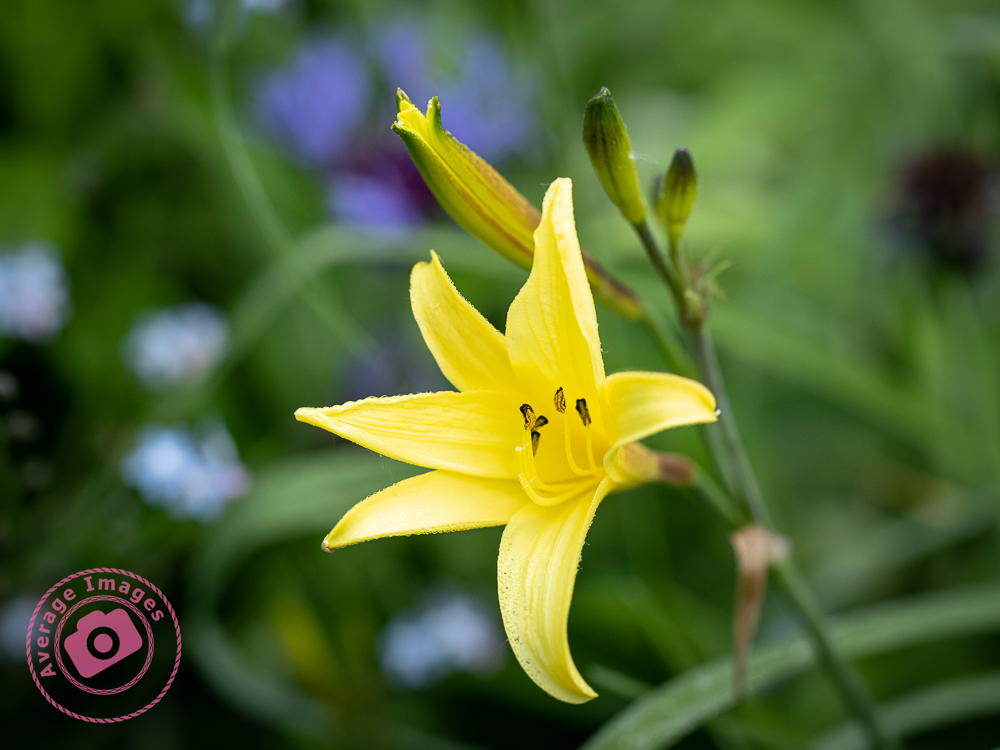
I should mention that I am currently utilising the style of flower photography extolled by the photographer Dirk Ercken; in other words, I don’t use a tripod and hand-hold the camera whilst attempting to find the best background. Focussing is achieved by fine movements backwards and forwards to get the desired chosen part of the flower in focus. Numerous shots are taken to optimise these fine differences in the focal point so that the best image can be chosen in post-processing.
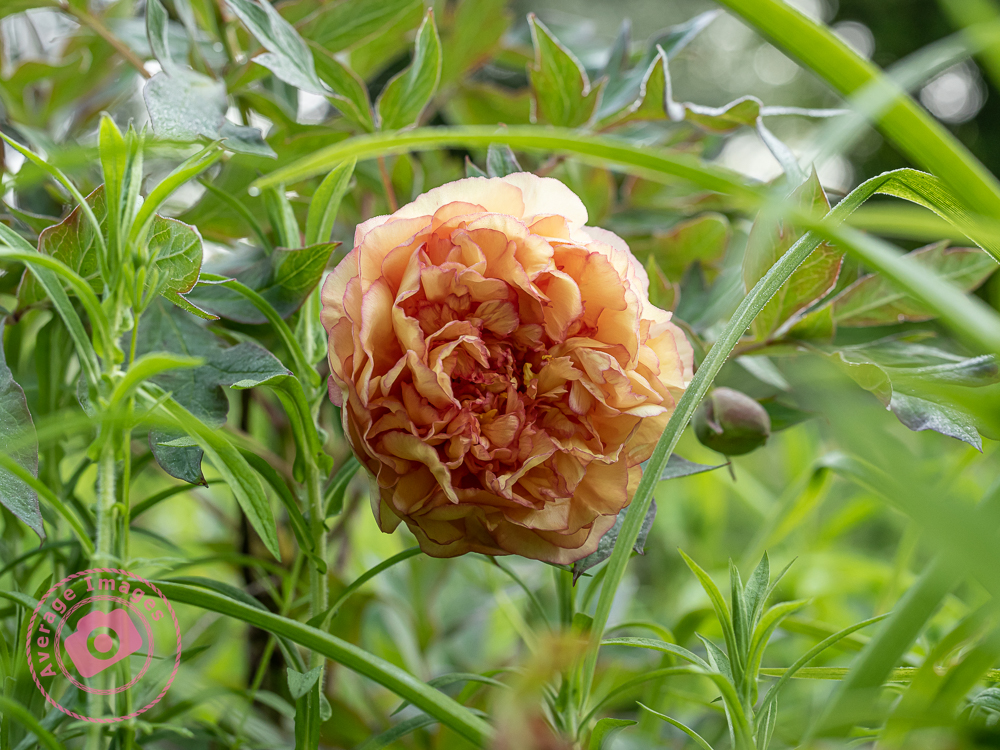
Not being tied to a tripod makes the composition much more fluid, and I am enjoying the process far more – even though it goes against the more commonly held view that tripods and clamps should be used to minimise any camera or subject movement.
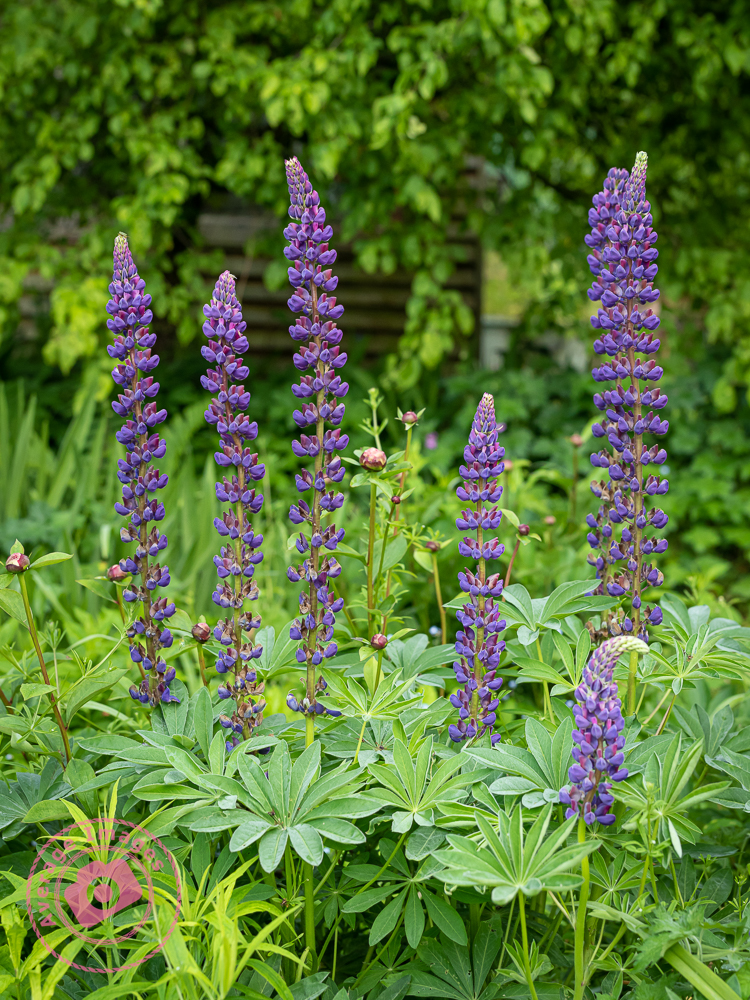
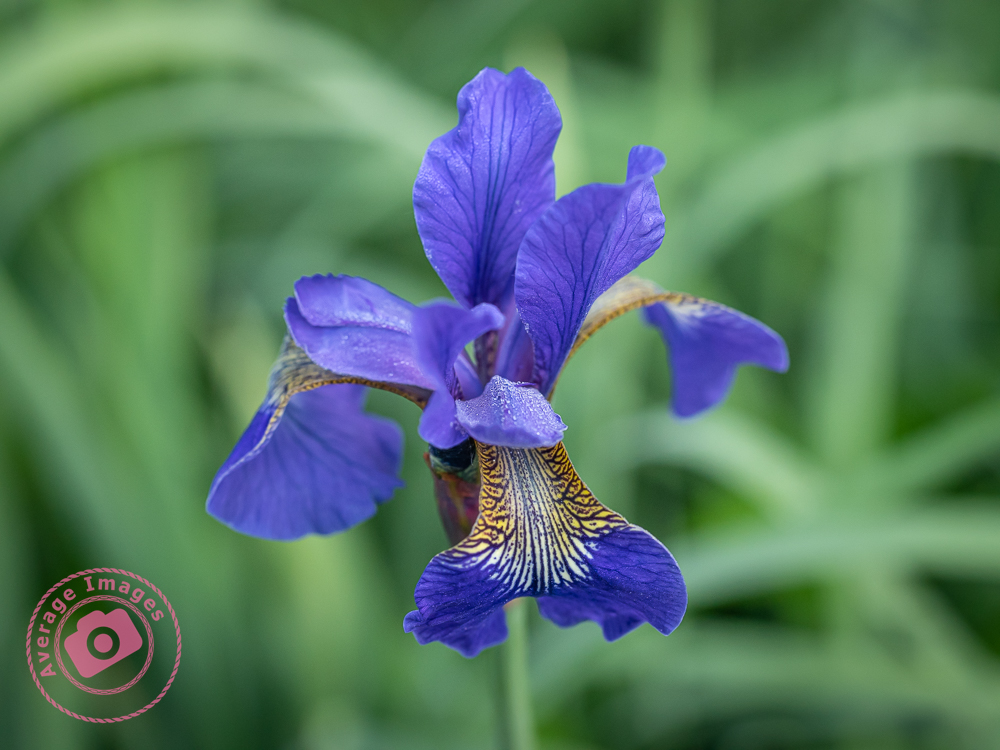
More of my early morning garden photography session will follow shortly…
Leopard’s-bane is a perennial in the daisy family and grows almost like a weed in our garden.
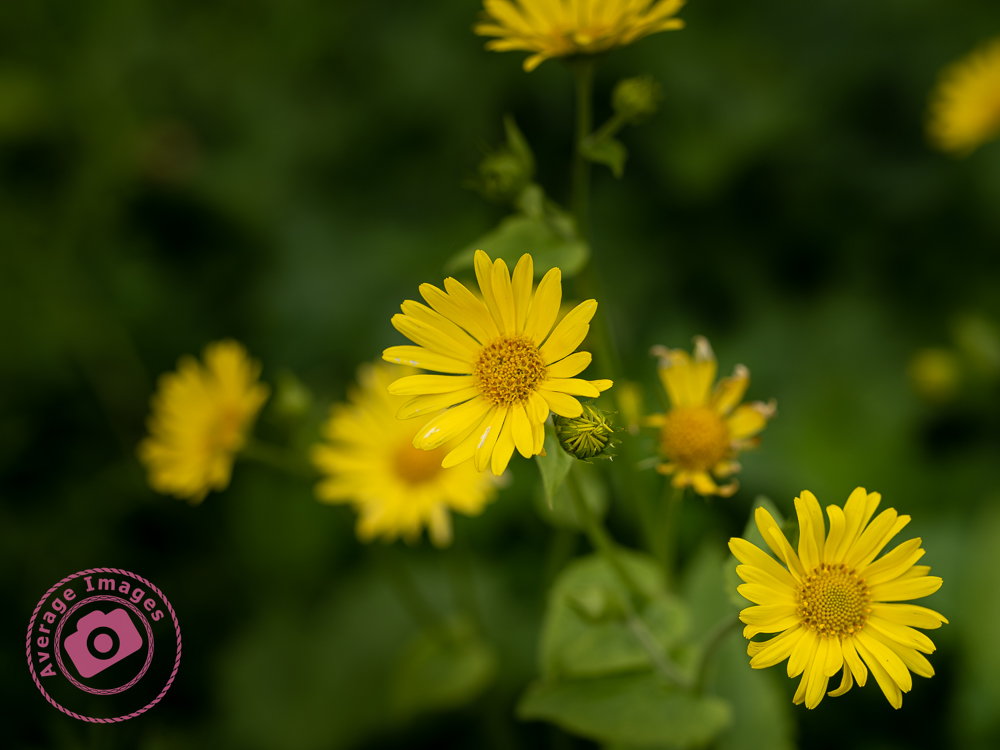
It is so-named (allegedly) because all the plants in this genus were once thought to be poisonous to animals, although why leopards were singled out is unclear.
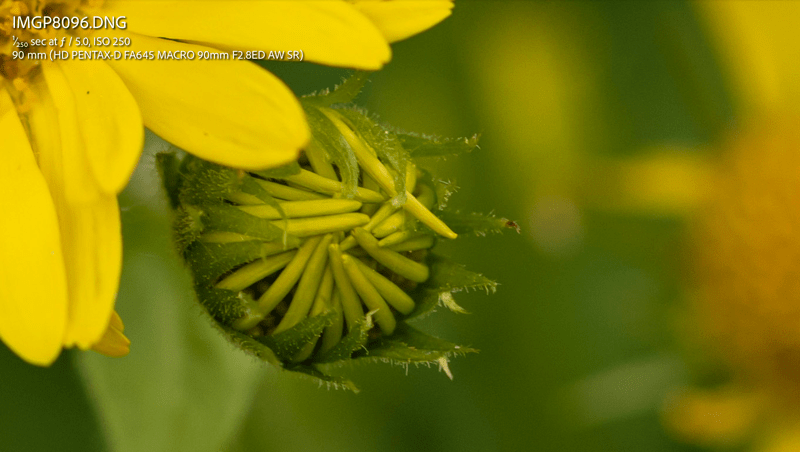
When I view the image in detail I am still not overly happy with the focal sharpness which, I think, is due to me still not fully appreciating the reduced depth-of-field that you get with medium format in comparison to full frame or APS sensor cameras.
Don’t get me wrong; considering that it was a hand-held shot, when viewed at 200% (see below) the selected areas are tack sharp – it’s just that the depth of focus isn’t there and this requires some further learning on my part.
To this aim I have ordered a simple focus target wedge so that I can run some trials with each lens in order to understand the depth of focus at different apertures for each one.
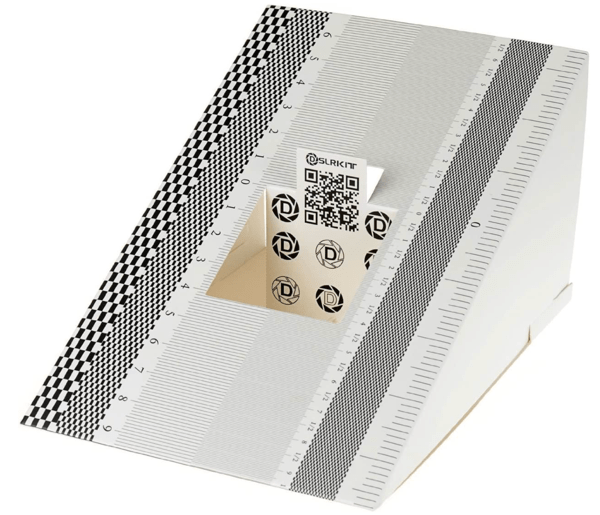
I’ll publish the results of these trials once complete.
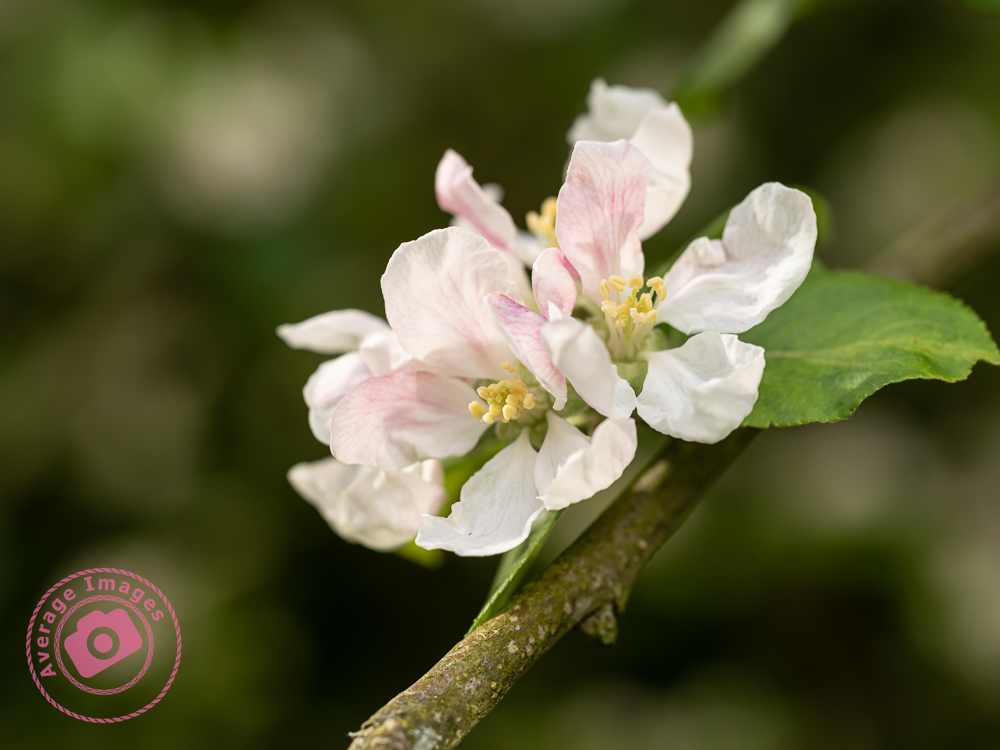
If the old adage is to be believed there will be no medical practitioners visiting Average Images this year given the quantity of apple blossom on our trees. Assuming, of course, that they all get pollinated and turn into fruit. This cooking apple tree is the last of our apple trees to have flowers – strange how they blossom at slightly differing times – presumably Natures way of maximising the pollination period.
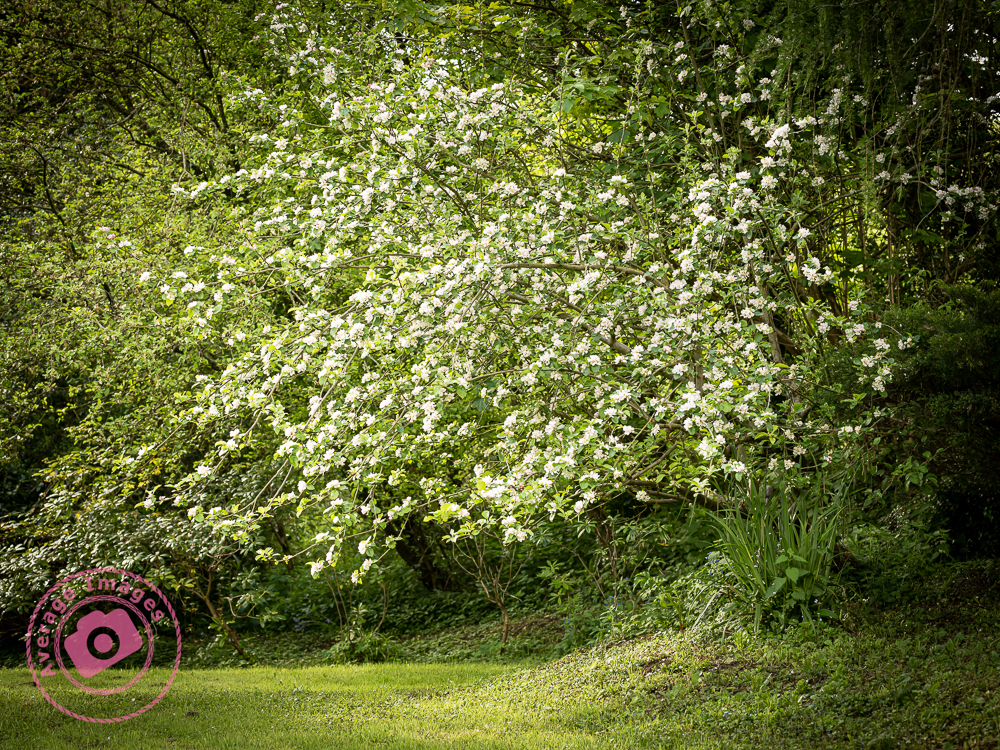
Actually the earliest variant of this saying is from Pembrokeshire, Wales recorded in 1866:
Eat an apple on going to bed, and you’ll keep the doctor from earning his bread
Only 20 years later and it had become:
An apple a day keeps the doctor away
Modern scientific analysis seems to conclude that there are some health benefits with eating an apple on a daily basis – but surely eating any fresh fruit and vegetables can only be good for you?
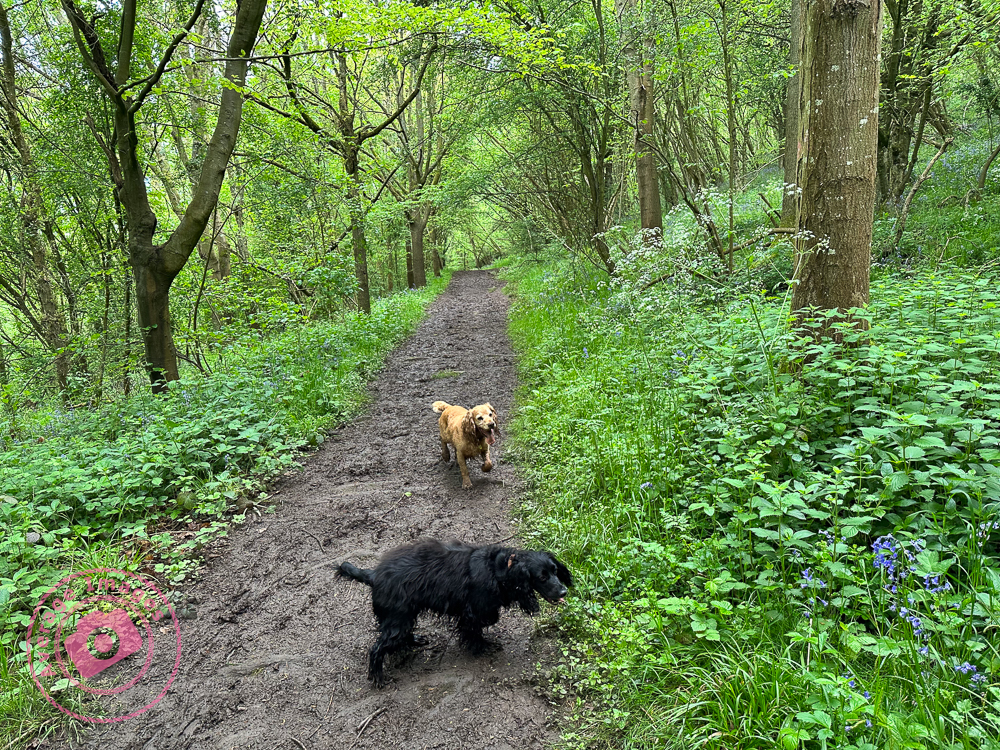
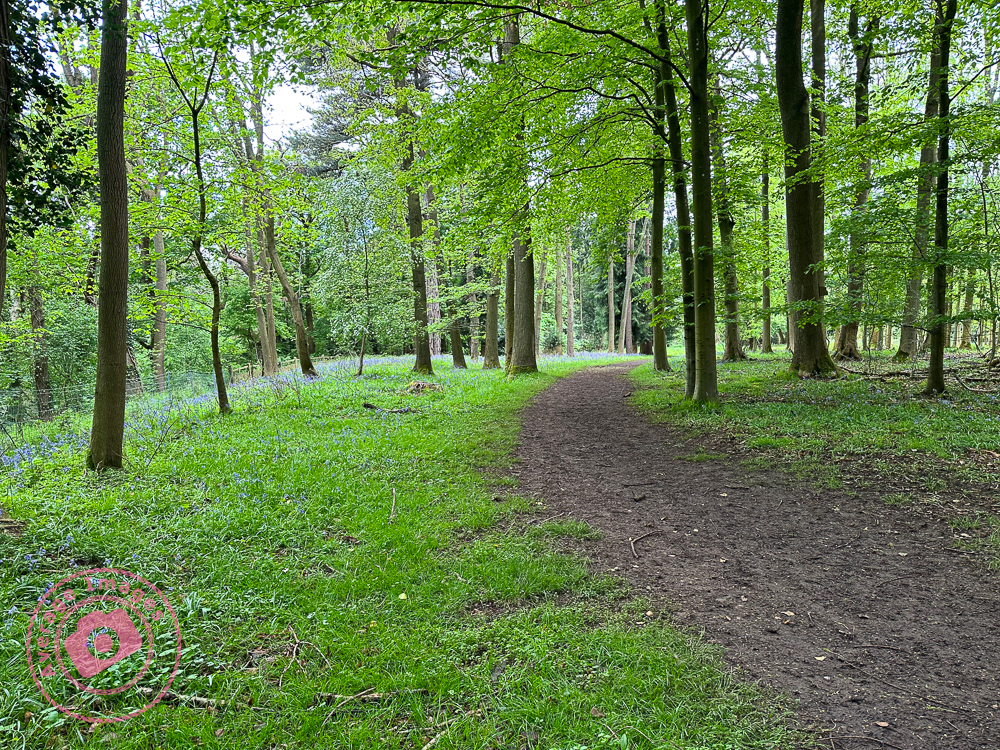
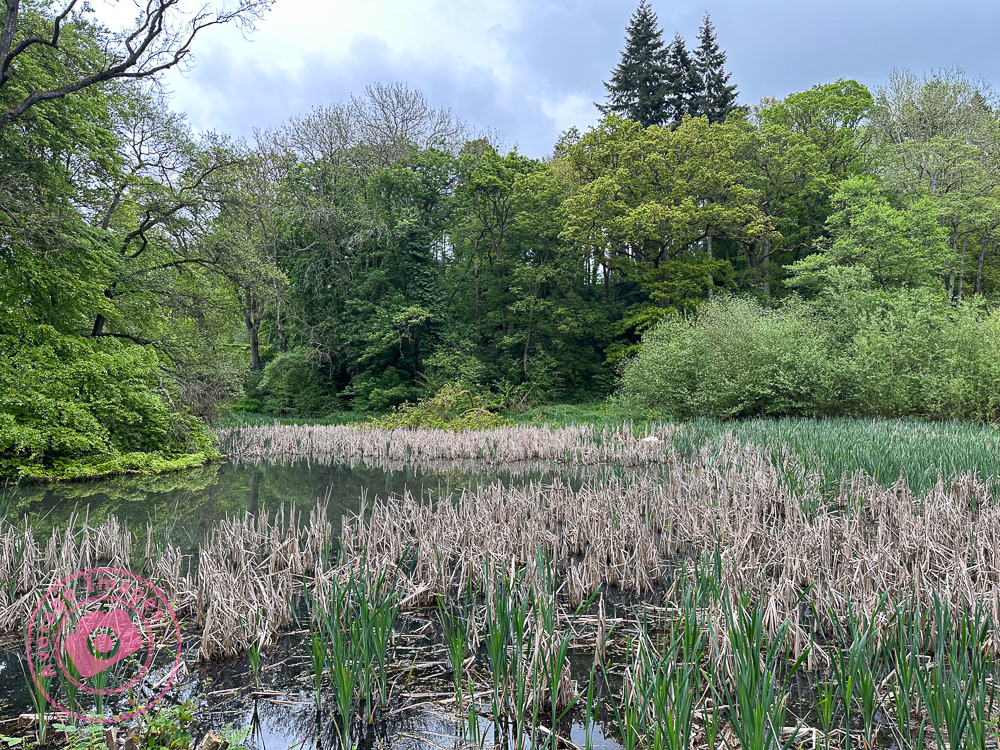
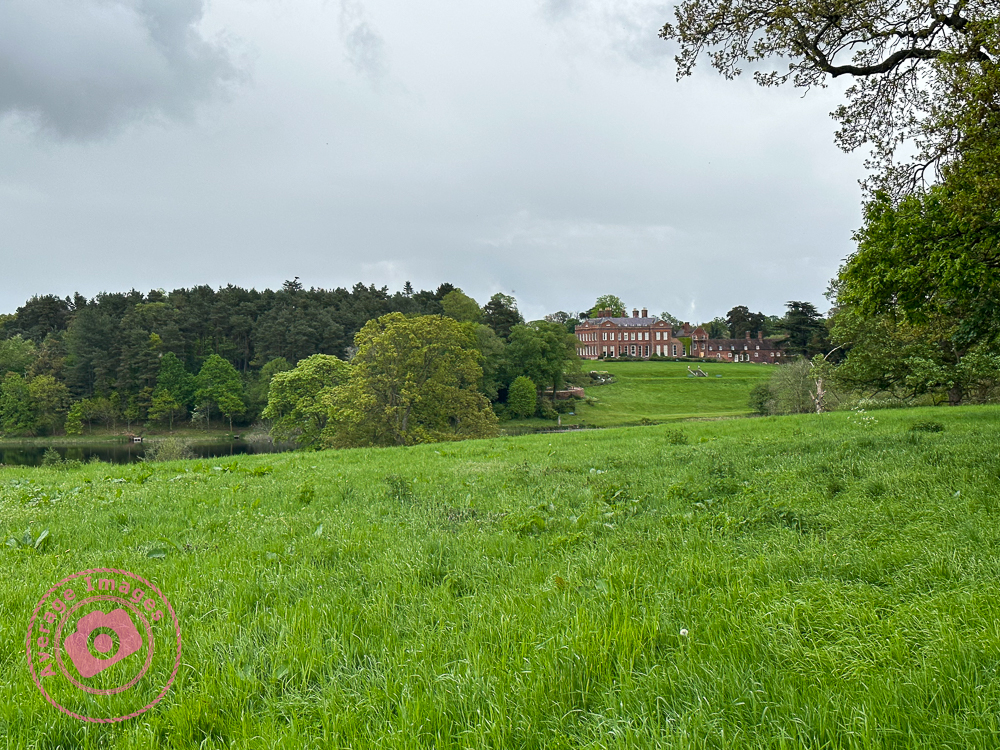
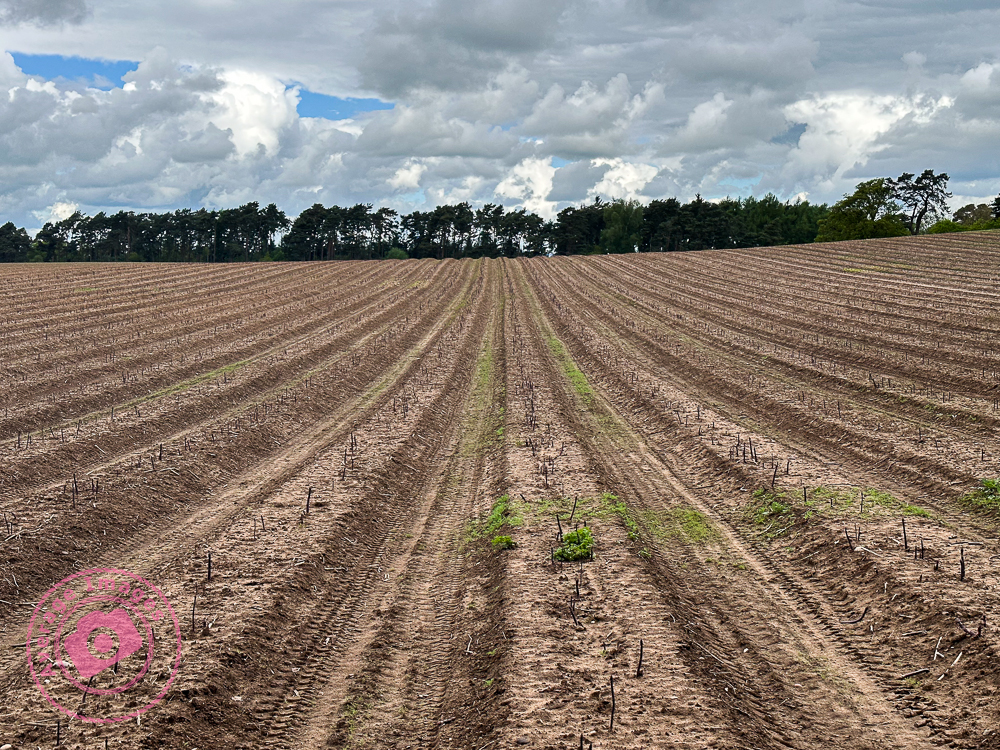
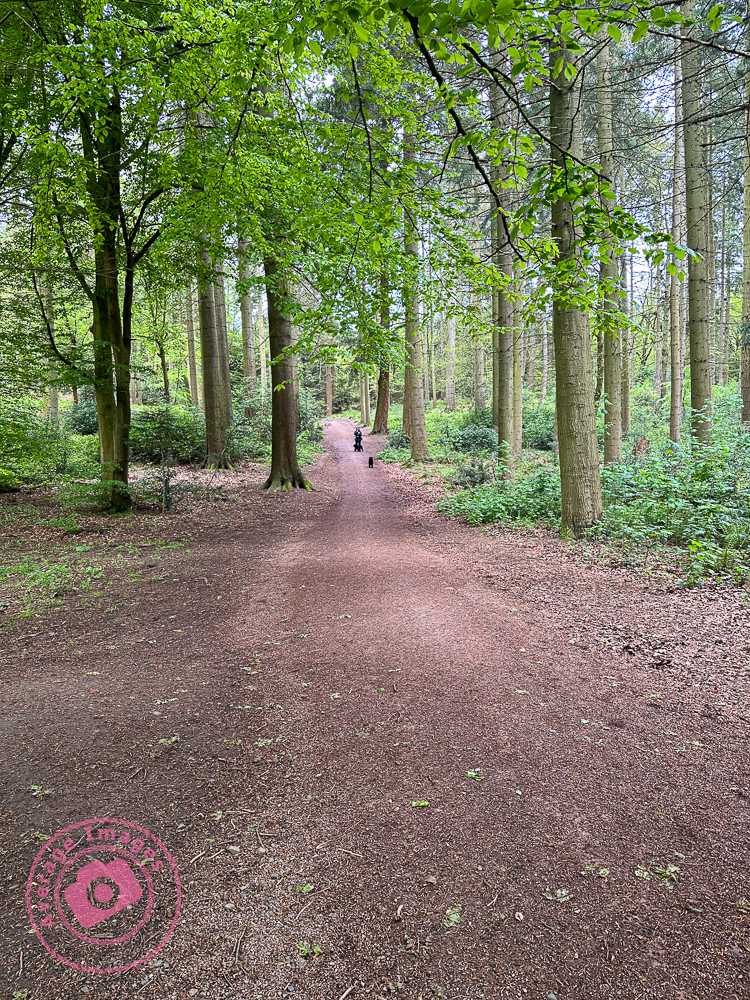
Today we took our three dogs for a nice walk around the Dudmaston estate, near Bridgnorth in Shropshire, starting and ending at Hampton Loade, which is probably best known for its (now closed) passenger river ferry. We took the ‘Captain Geoffrey’s Note 1 Woodland Walk’ which, at some 6 miles long Note 2, circumnavigates Dudmaston Hall, running alongside the river Severn for some way, passes by 4 large pools , through the village of Quatt, and ends after crossing a number of (barely signposted) fields.
It was a very pleasant walk and the dogs enjoyed it immensely. Some of the paths were extremely muddy following a month of wet weather but those in the main part of the estate grounds are well maintained and there is very little road work apart from a couple of brief sections on the main A442. We stopped for a drink and some cake at the Quatt Farm Shop & Cafe who also provided complimentary sausages for the dogs!
Experience tells me that trying to mix photography with dog walking is destined for failure and so the medium format gear stayed at home. I did, however, take my iPhone with me and took a selection of images along the way proving, once again, that the best camera is the one that you have with you.


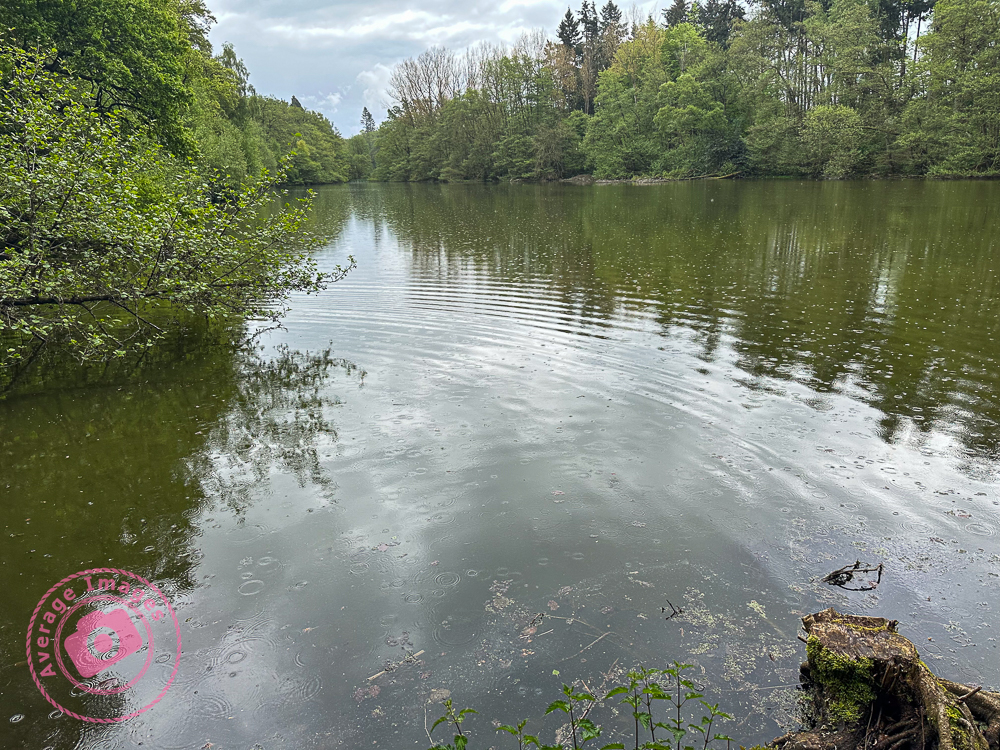
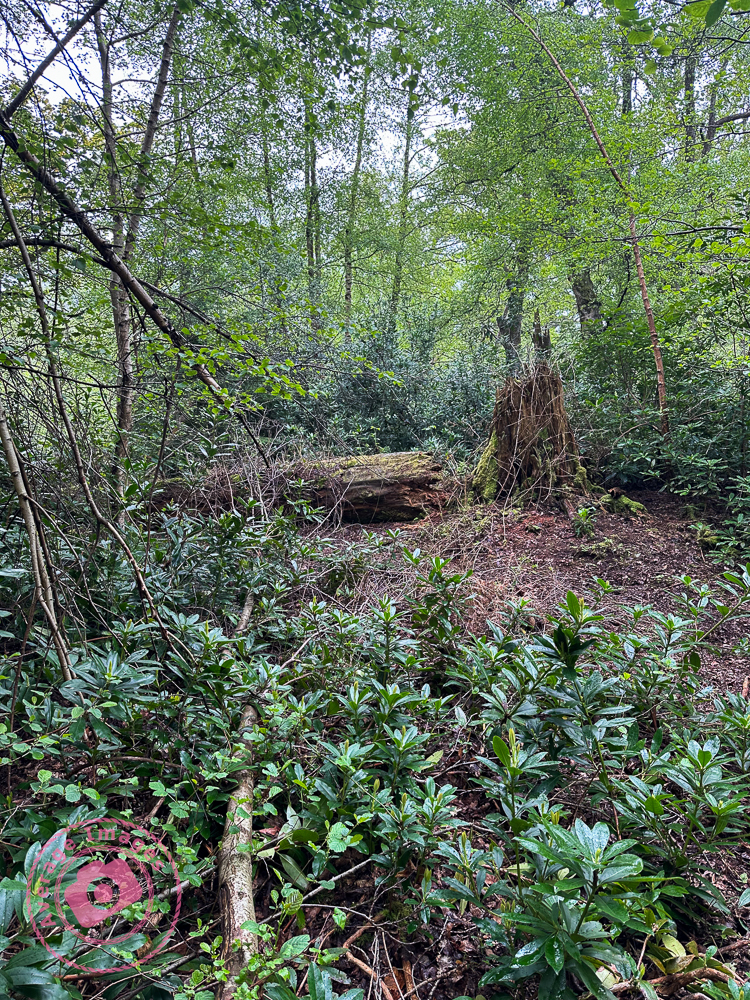
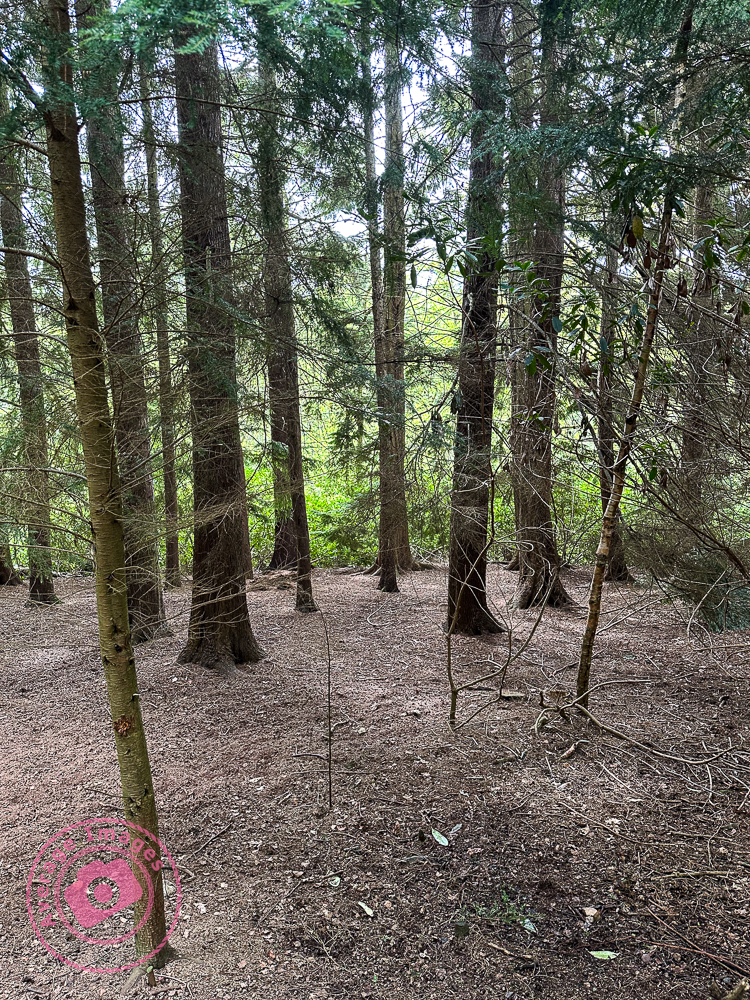
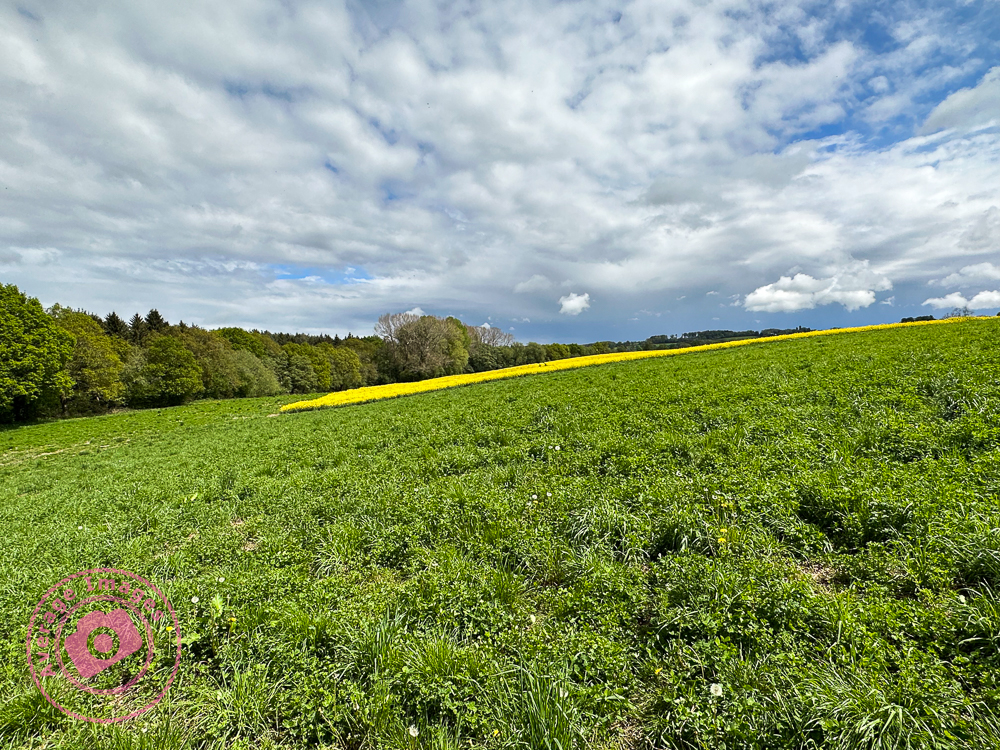
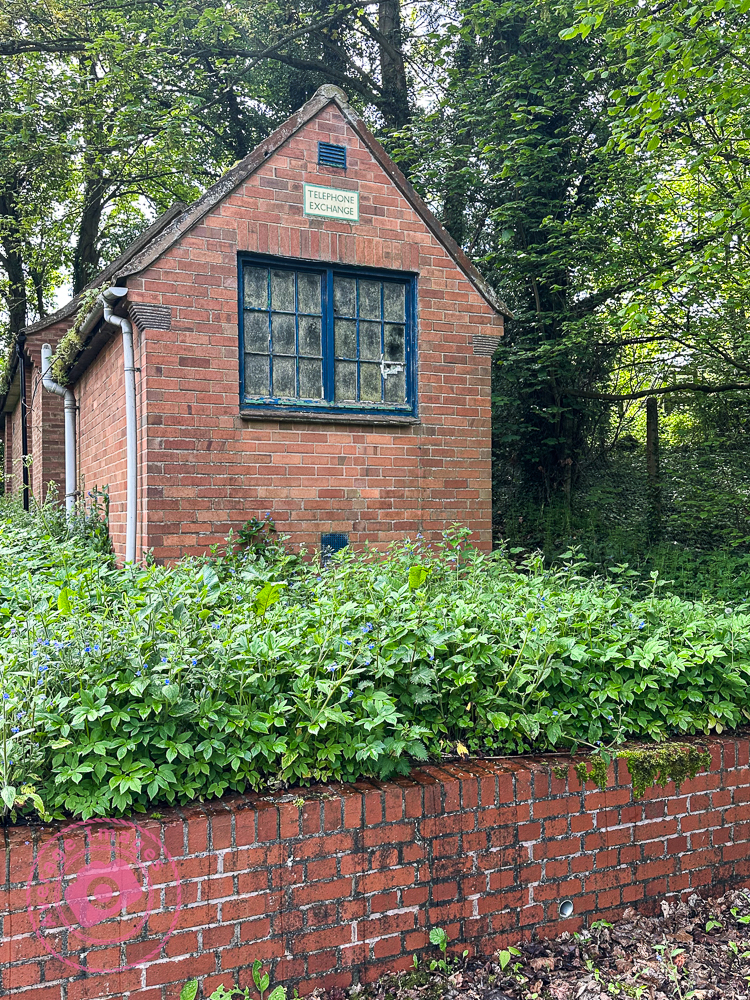
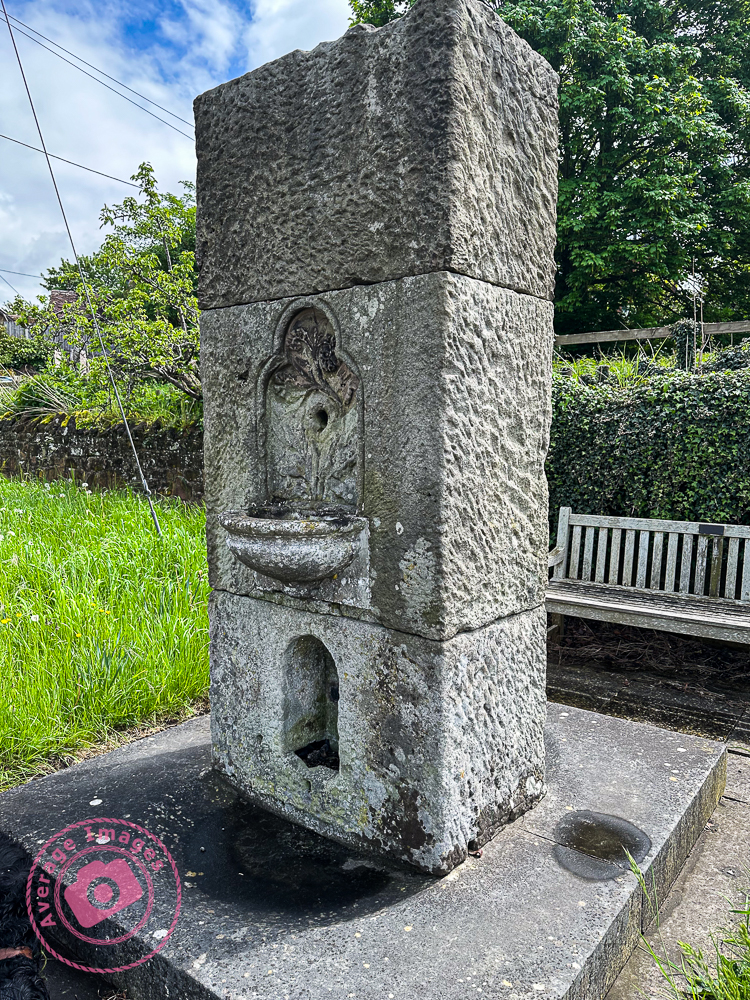
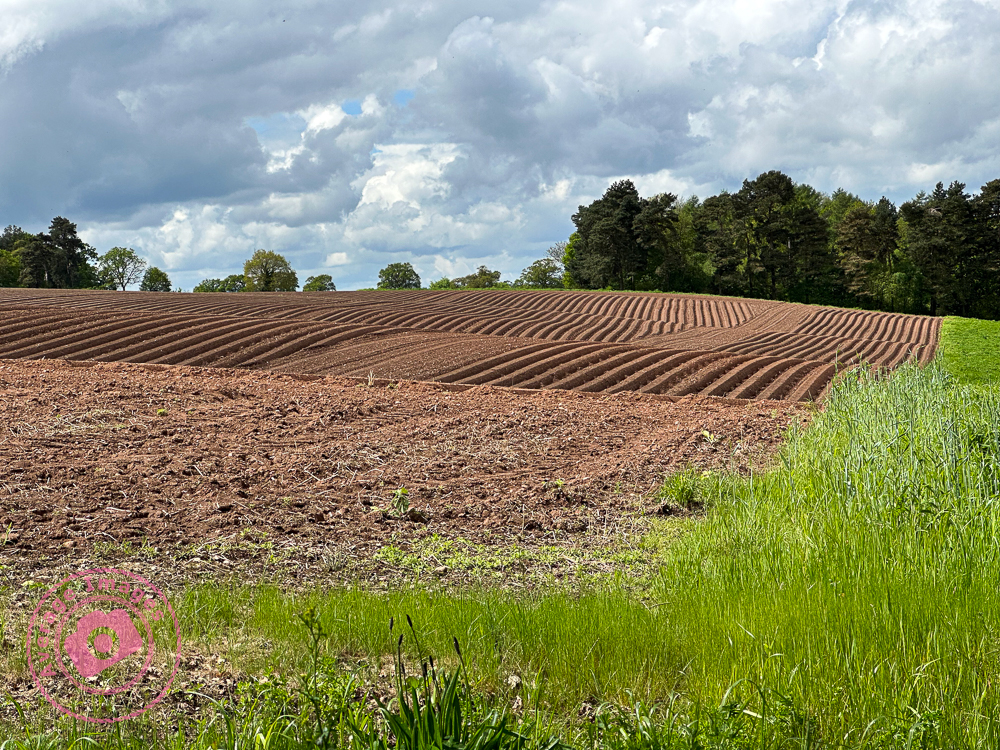
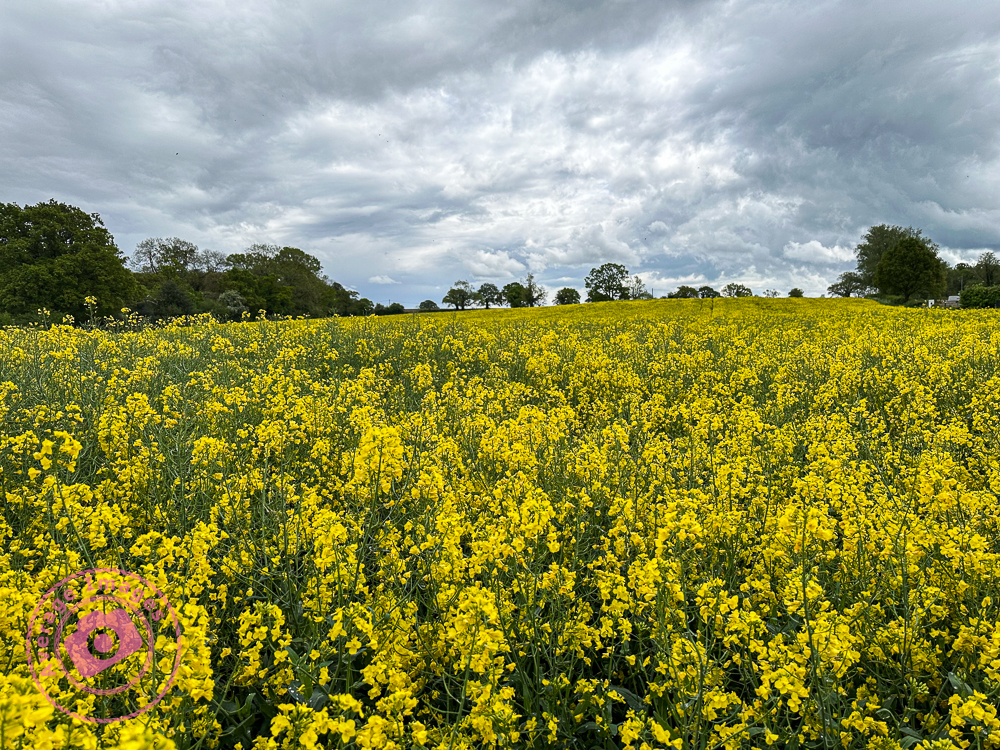
Note 1: The walk is named after Captain Geoffrey Wolryche-Whitmore (1881–1969) who was agent of the Dudmaston estate in the early 1900’s and who’s vision and estate management is lauded with saving the estate from financial ruin by changing the focus from farming to forestry.
Note 2: The Captain Geoffreys Woodland Walk is the longest planned route at just over 6 miles long. Other dog friendly walks around the Dudmaston estate are also available from just over 1 mile and, of course, you can mix-and-match them to suit. Parking at the National Trust car parks is £5 for the day (non-members).
Often confused, the two plants are actually closely related, with the azalea being part of the Rhododendron genus. It can be difficult to differentiate between the two although there are some general identifying traits:
Azalea:

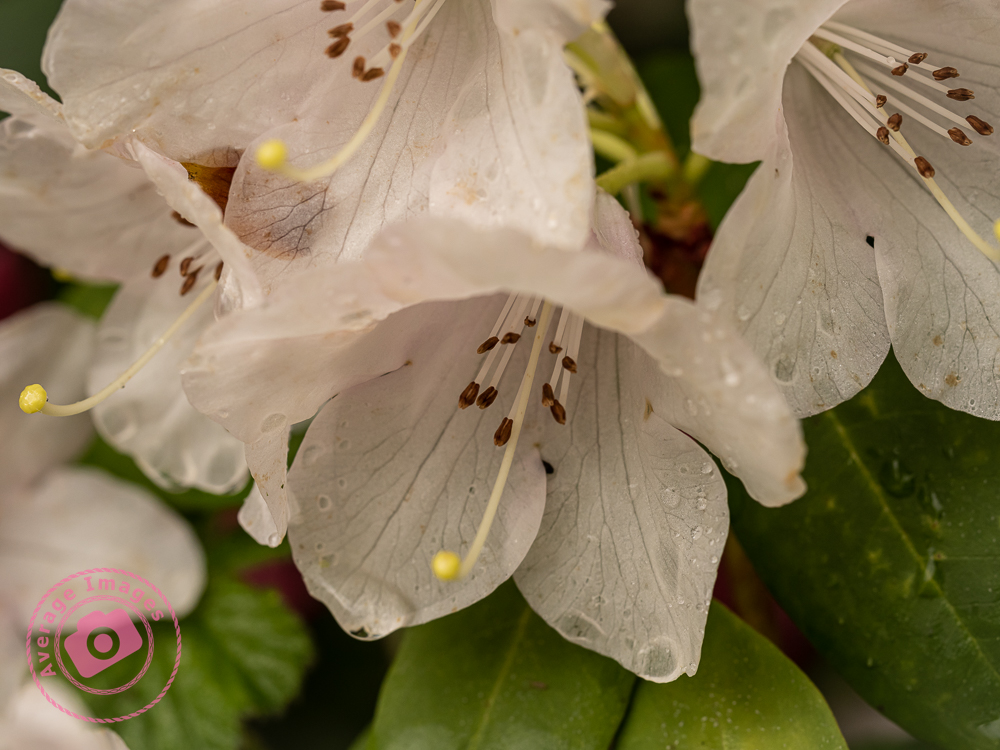
Rhododendron:
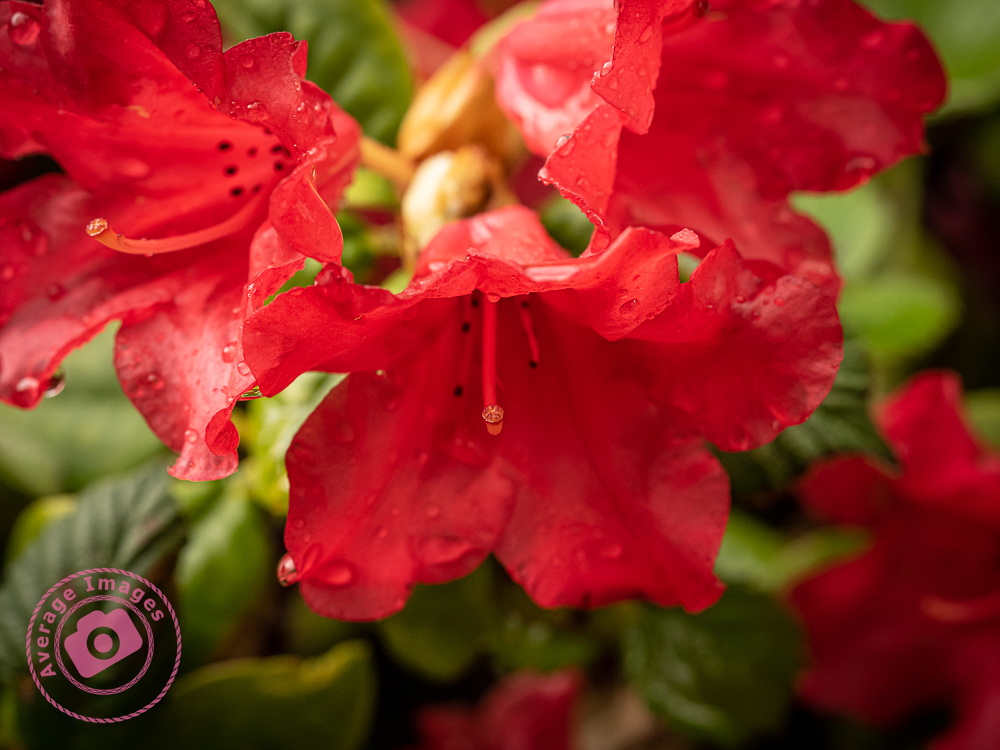

Are these photographs of Azaleas or Rhododendrons? I’ll let you decide.
We had several vases full of tulips courtesy of Asda home delivery, who supplied them as an Easter gift. I don’t think we were supposed to have quite so many, but the delivery driver seemed keen to give them to us – maybe because I always help him with the grocery baskets every week.
It seemed an opportune time to take some indoor flora photographs of them and try out a blue/grey ‘abstraction’ pop-up background that I purchased in December but never got around to using. Rather than transport the vases to my studio, I decided to use light from the window with the ungainly background perched behind.

Except it never happened! This was largely due to my current sloth-like approach to photography. By the time I had actually summoned enough enthusiasm to go and get the aforementioned background, the tulips had gone well past their best (and, in fact, ended up in the bin the following day). This is something I call “Photography Lethargy”.
Apparently, this feeling is not unique, and I recently concurred with a similar view on a blog post by Lea and Lens entitled “I have literally no desire to pick up a camera”. Here the author describes her lack of inspiration to pick up her cameras and ponders whether it is due to time constraints or the lack of involvement in any photographic ‘community’.
Personally, I think that I have got ‘image overload’ by seeing too many photographs. Everyone has a mobile phone with a camera, and they are not afraid to use it. The problem is that some of them are very good! This makes me wonder what the point of getting my camera out is. Am I just going to create a ‘cheap copy’ of someone else’s excellent work?
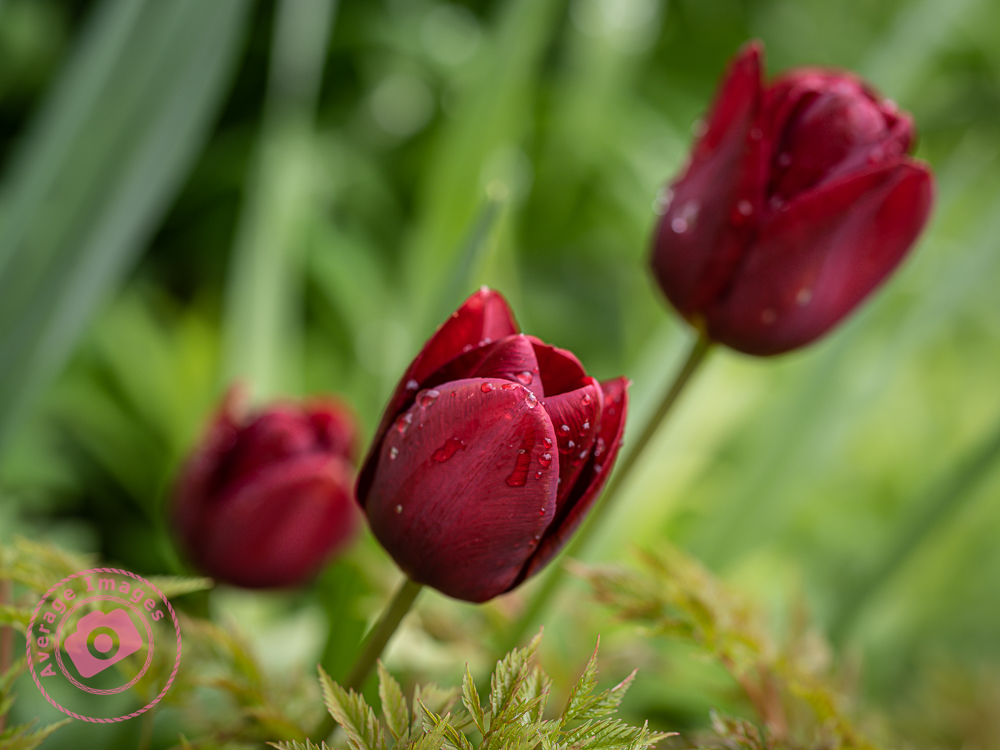
Anyway, whilst I continue to mull over this conundrum, here are some pictures of tulips – but in the garden rather than in a vase – which is obviously the preferred option.
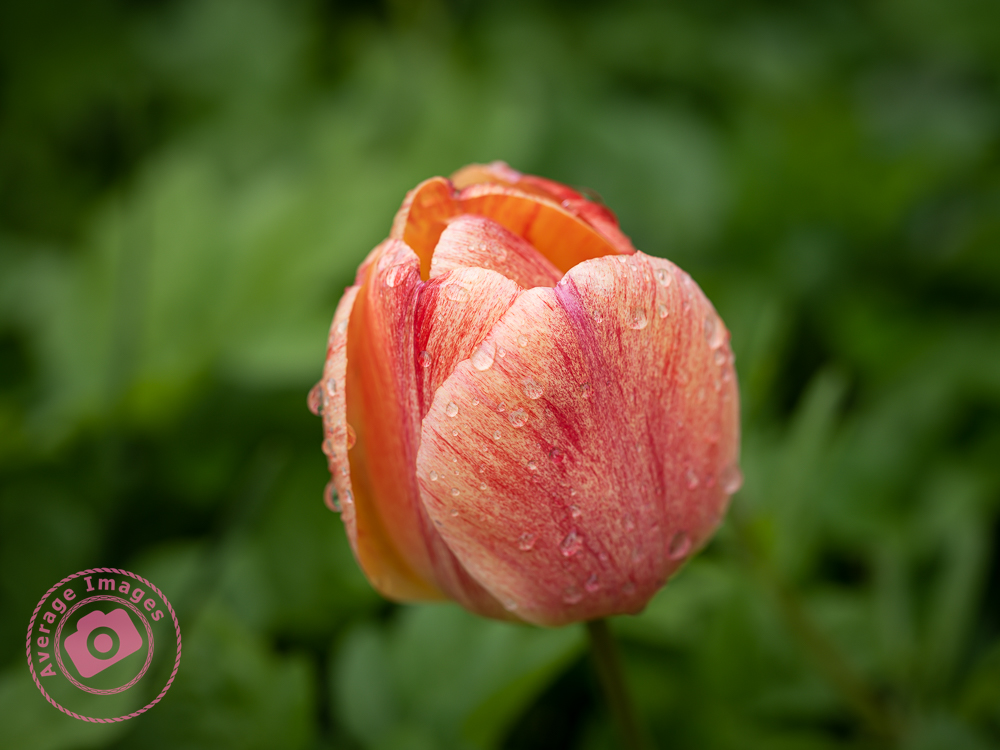
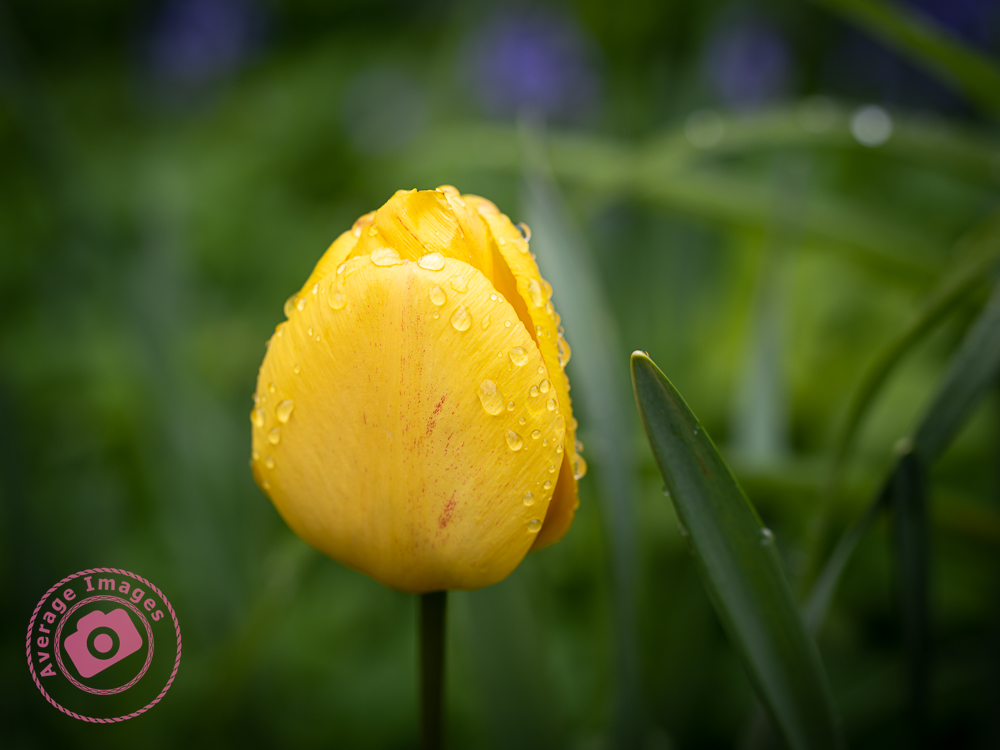
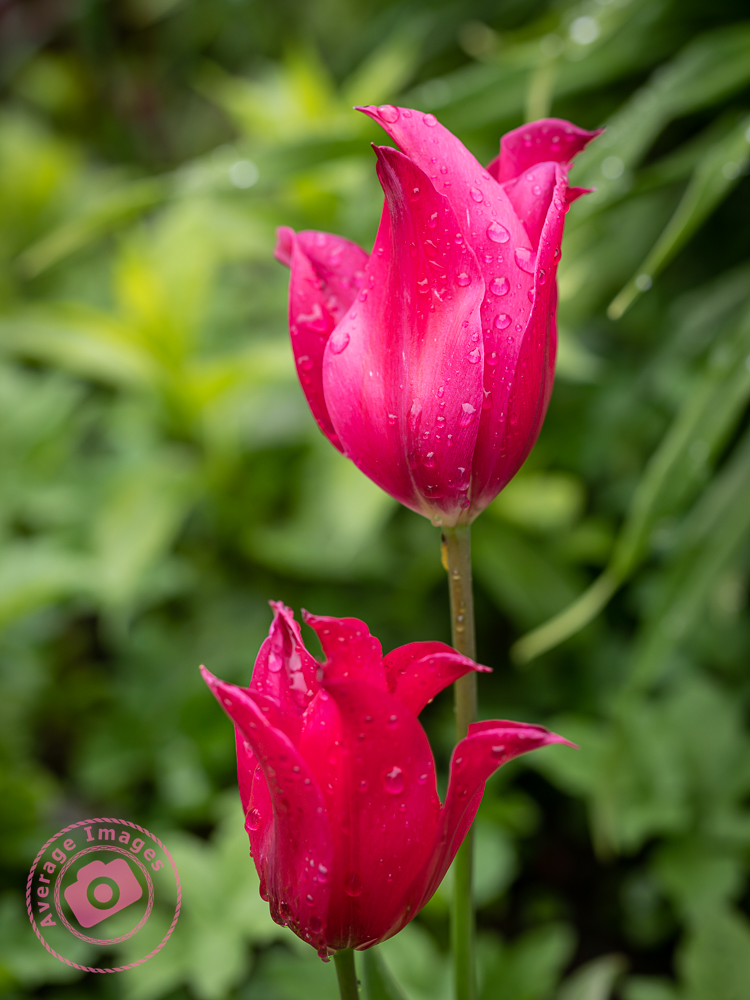
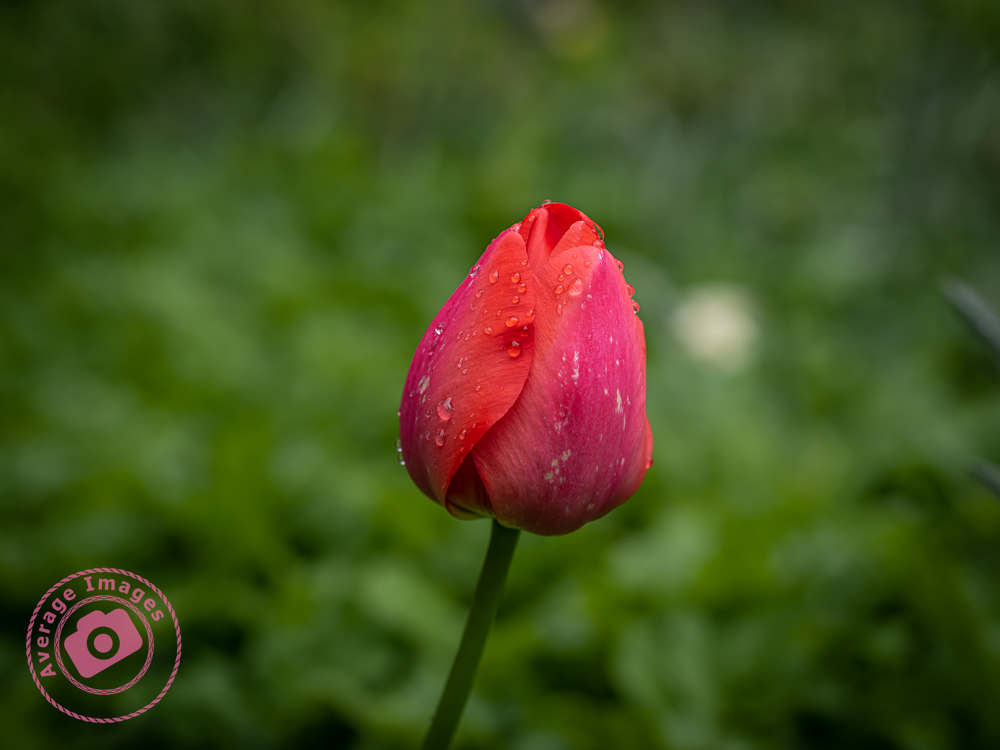
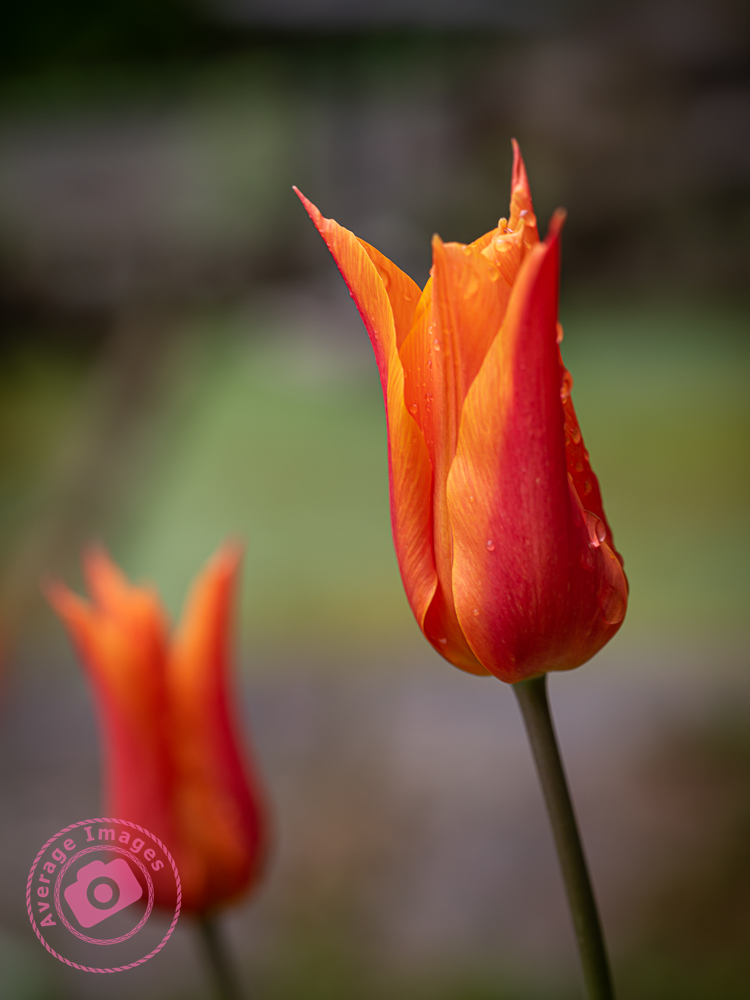
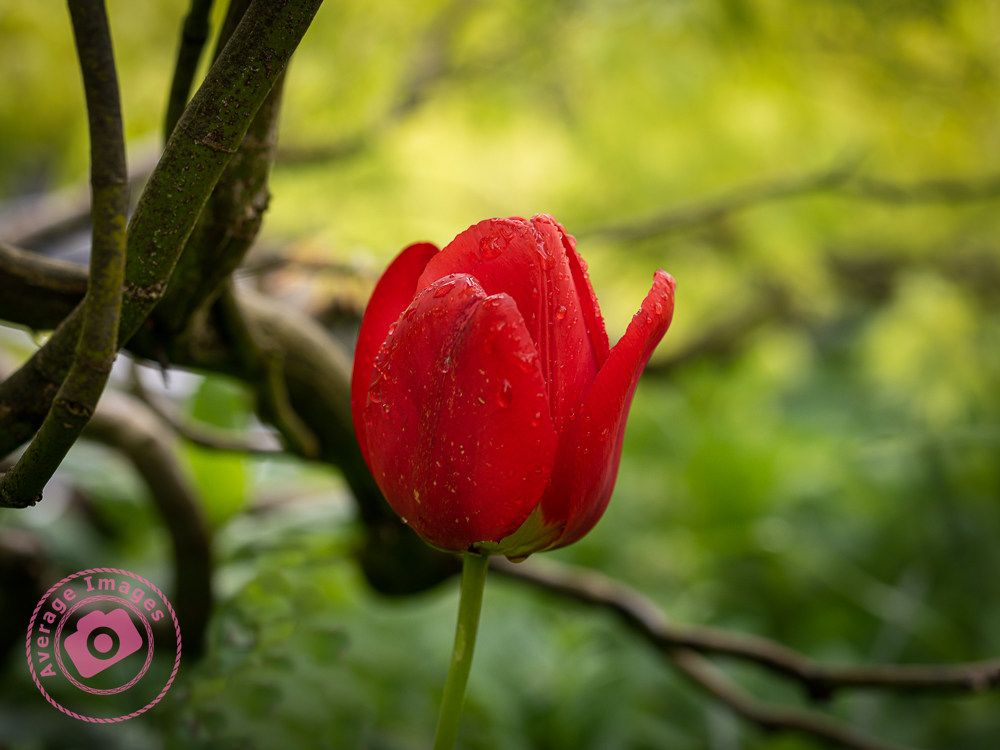
Fun fact: The song ‘tiptoe through the tulips’ was written in 1929 but it wasn’t until 1968 that Tiny Tim made it a novelty hit.
Here are a few more garden photographs taken over the Easter weekend. These were all taken with an 80-160mm lens plus a 2x teleconvertor in order to separate the subject from the background. The trade-off is that the images are rather noisy when magnified.
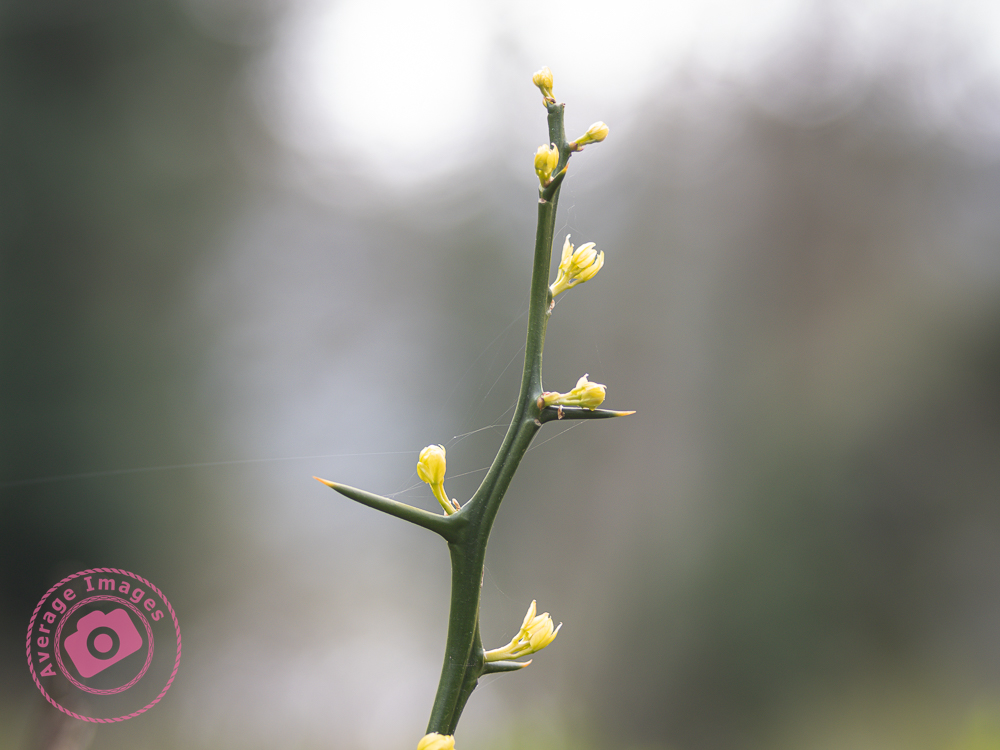
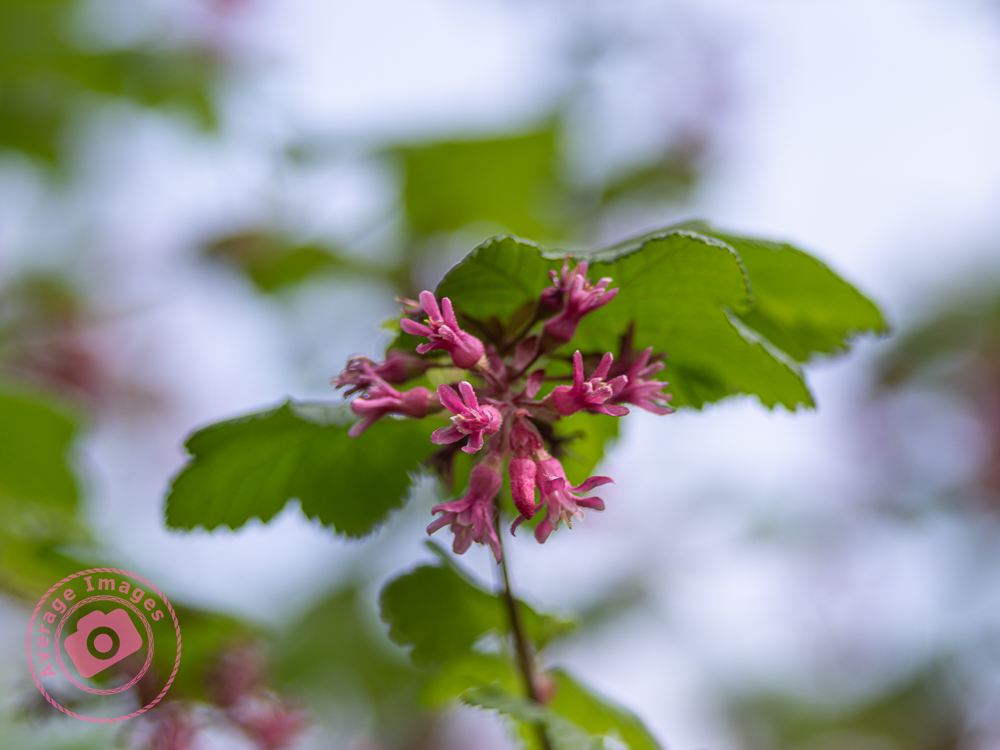
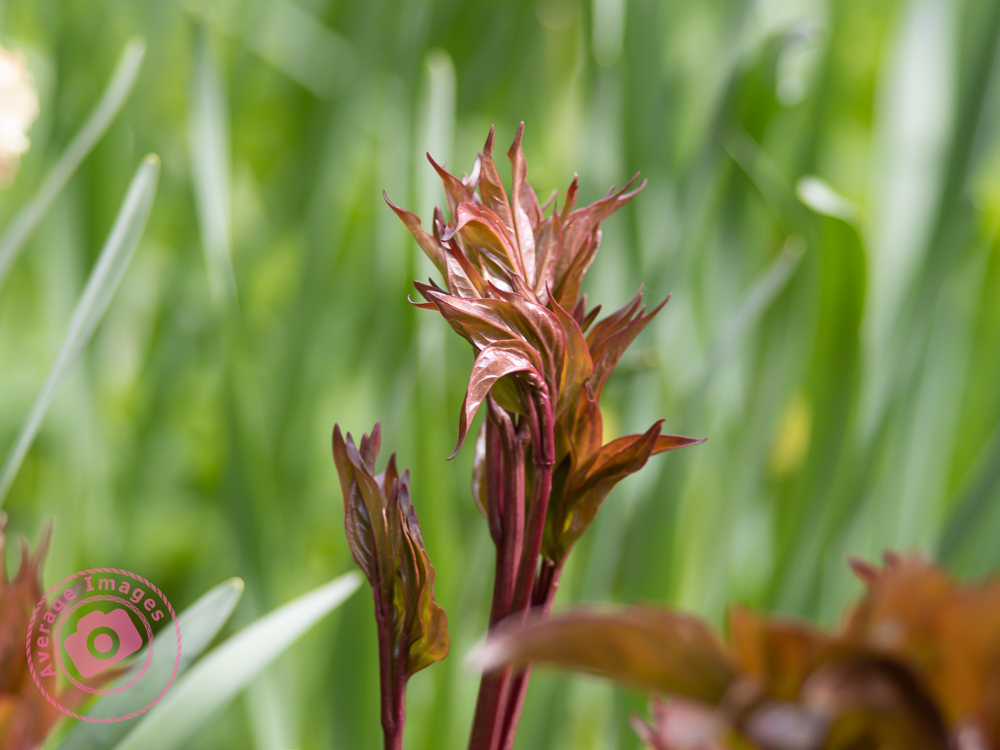
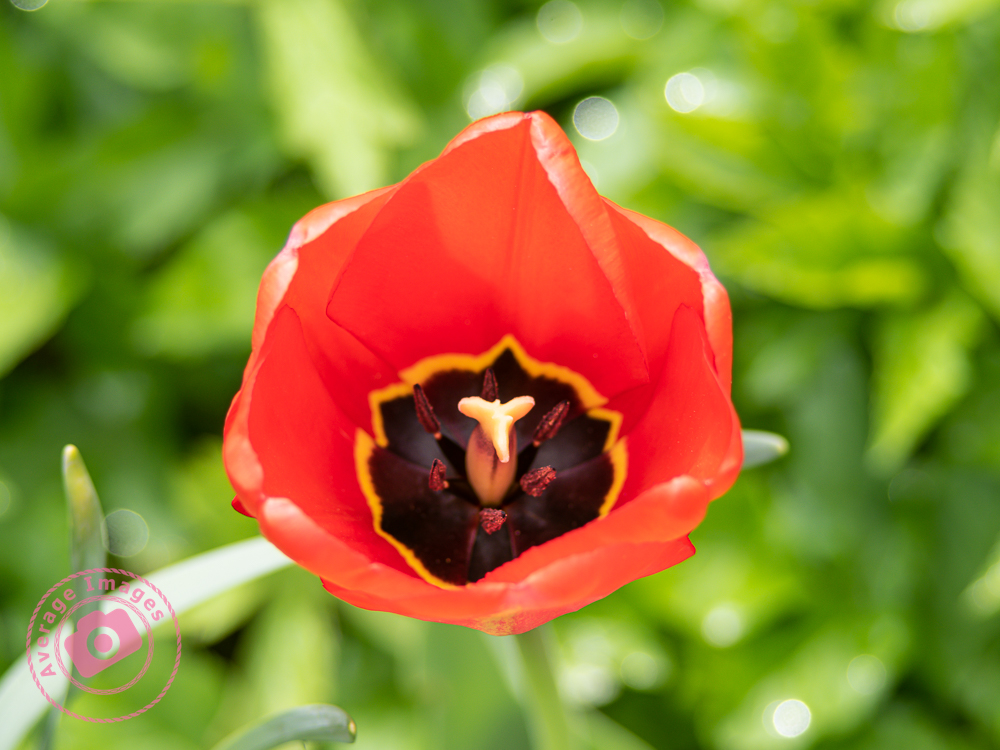
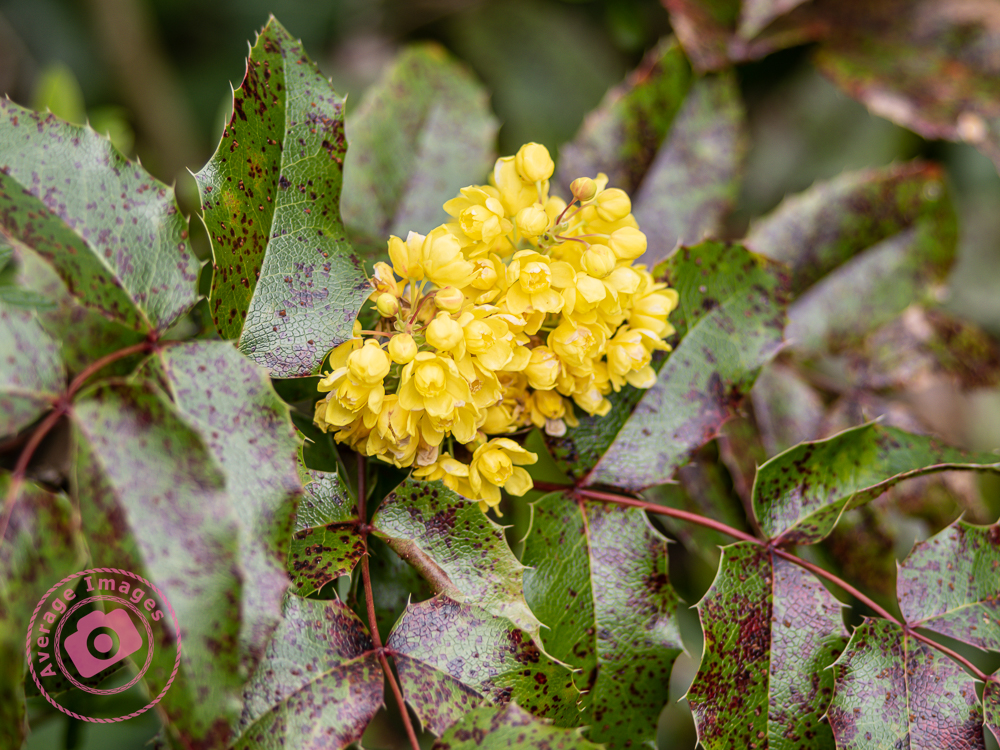
As Bank Holidays go, this Easter hasn’t been too bad and the sun has at least shown its face, pleasing the Spring flowers as they bloom in the garden. Here are a few shots showing a variety of colours:
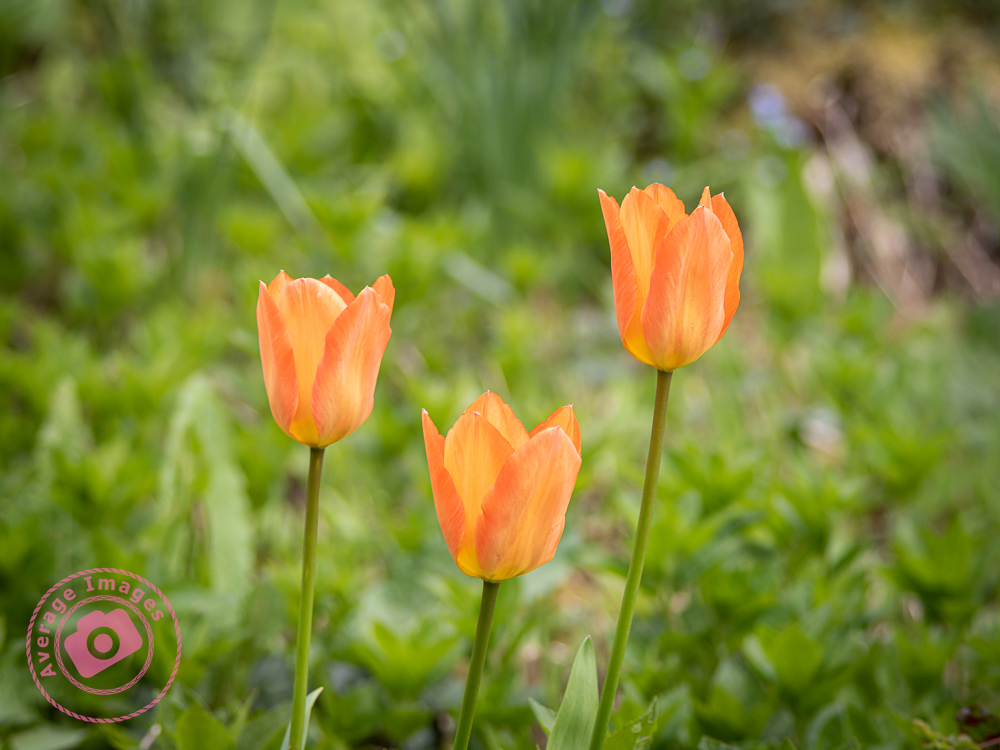
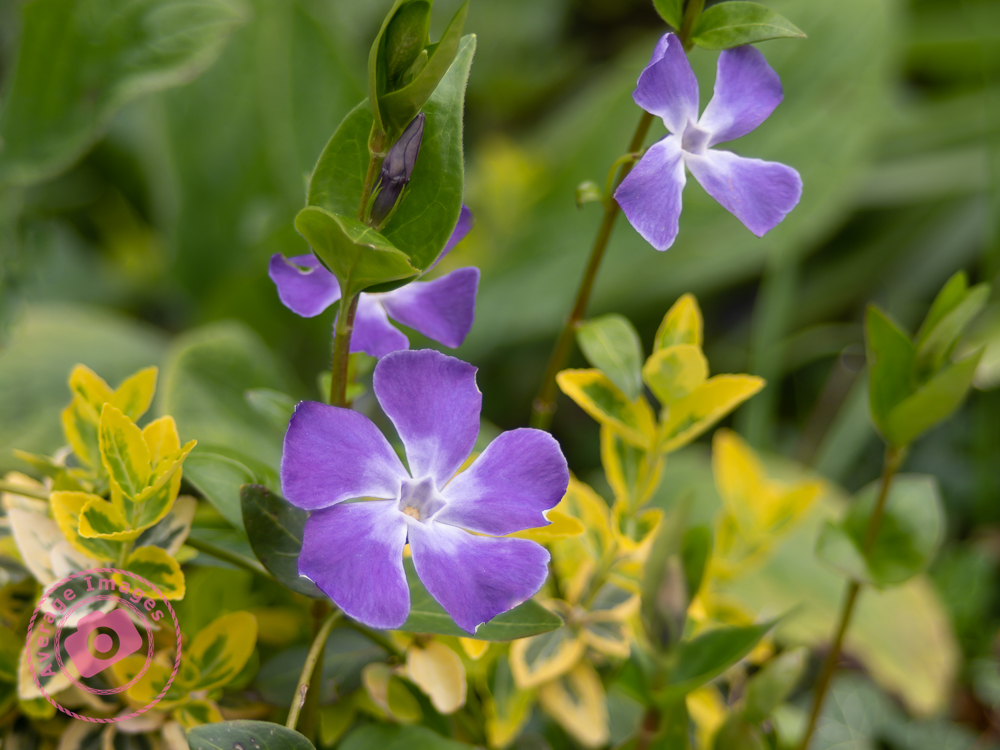
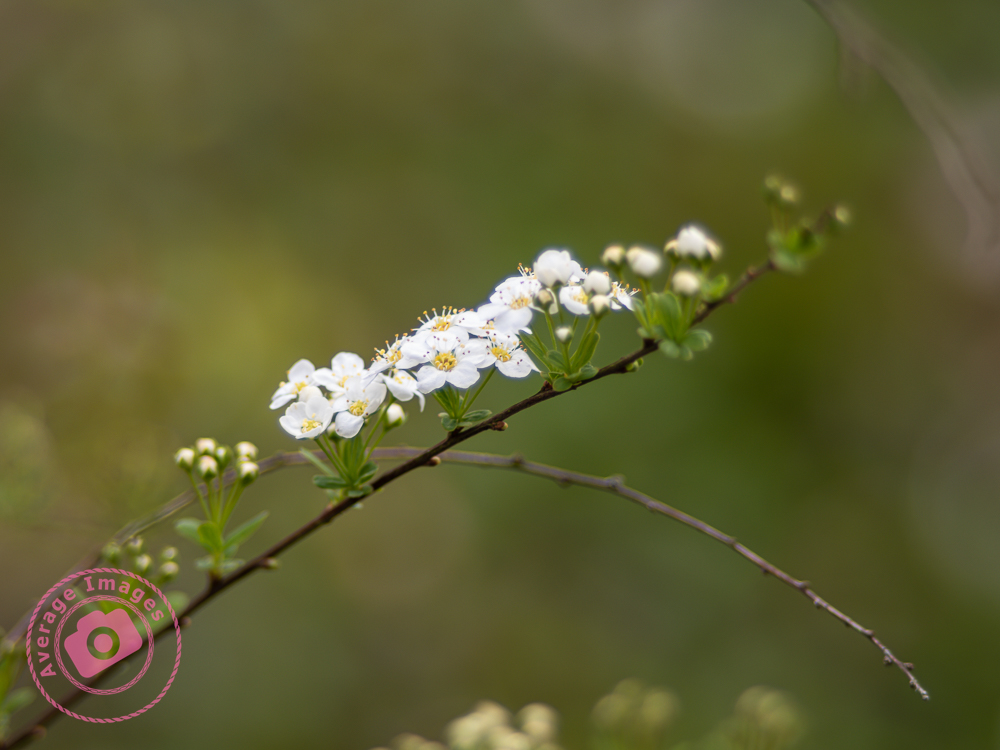
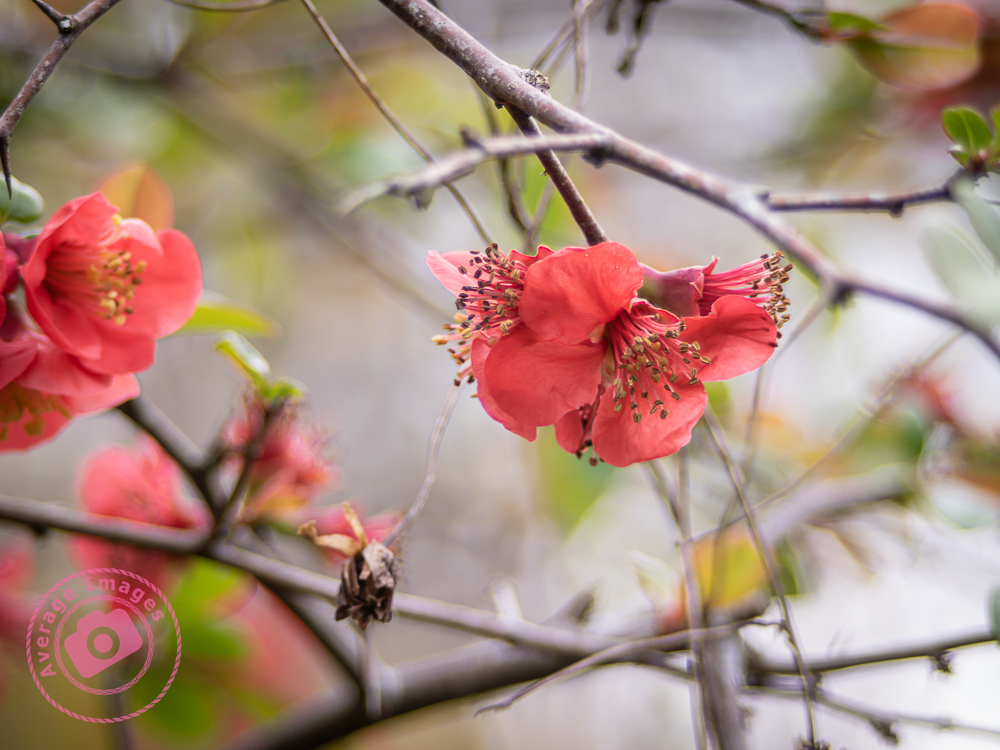
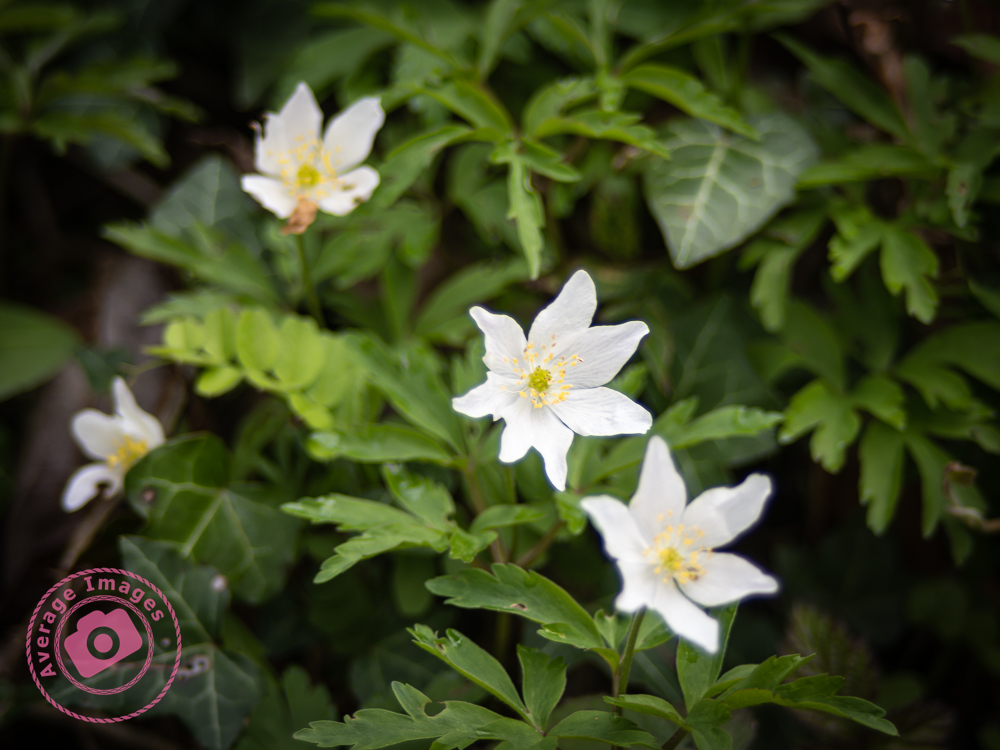
Although there are many here in the UK complaining about the wet weather I, for one, am happy that we aren’t experiencing the usual frosts at the end of March that usually kill off the blooms of our magnolia trees. For once they are showing a magnificent display day-after-day and it is therefore only fitting that I tried to capture their glory before their fragile petals naturally fall off and make our driveway like a skating rink, as they do every year.
Fun fact: The film ‘Steel Magnolias’ was so-called to capture the complex mix of steeliness and fragility exhibited by the women portrayed.
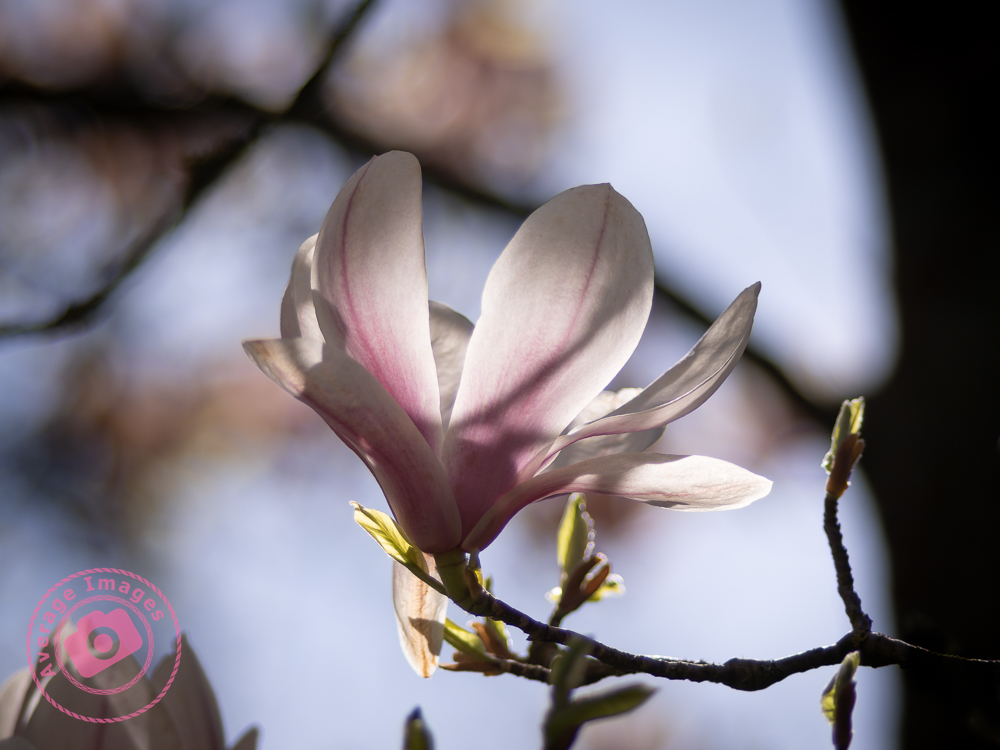


Footnote: Only a few days after I wrote this post a northerly wind appeared and two days of light frost caught the top of the larger tree.
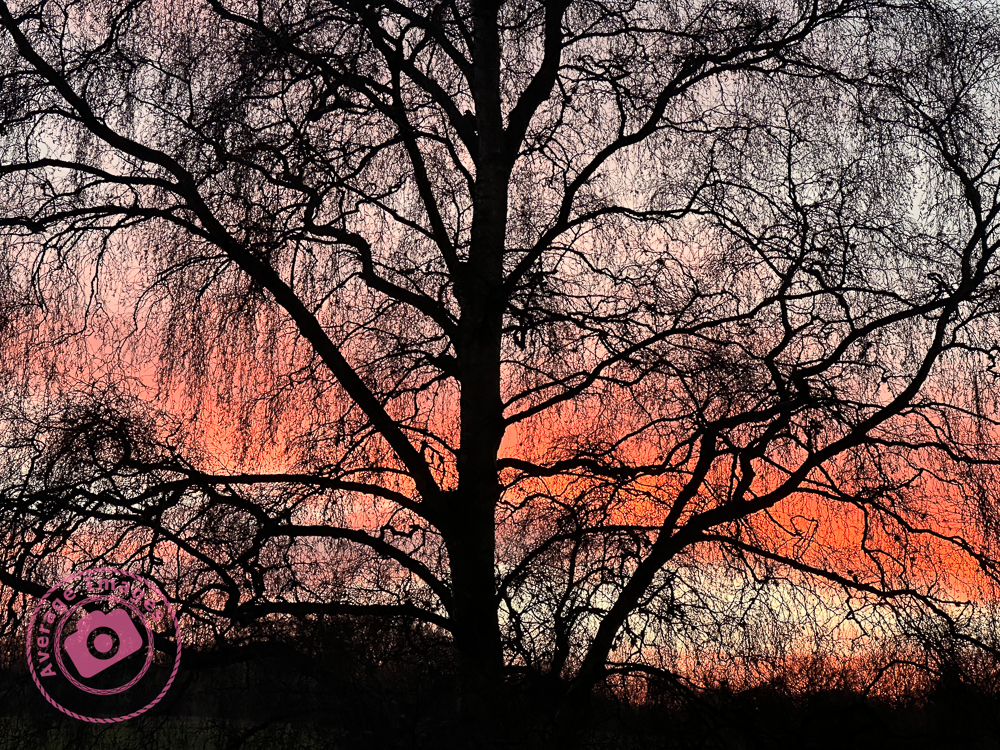
As the barometer headed for the top of the scale in early February, the rising air pressure led to a stunning red sunset and I managed to grab this shot with my iPhone through the branches of our silver birch tree. There’s a photography ‘rule’ that says that you should never allow the frame to be cut in half, but I think that it works well here and so prefer the adage that “rules are made to be broken”.
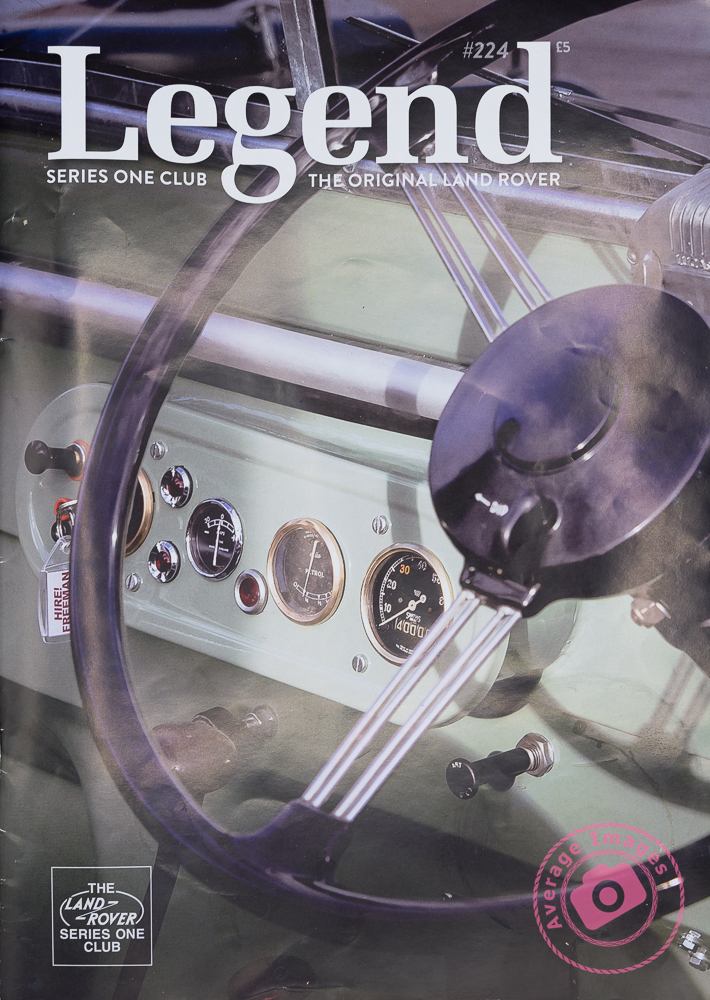
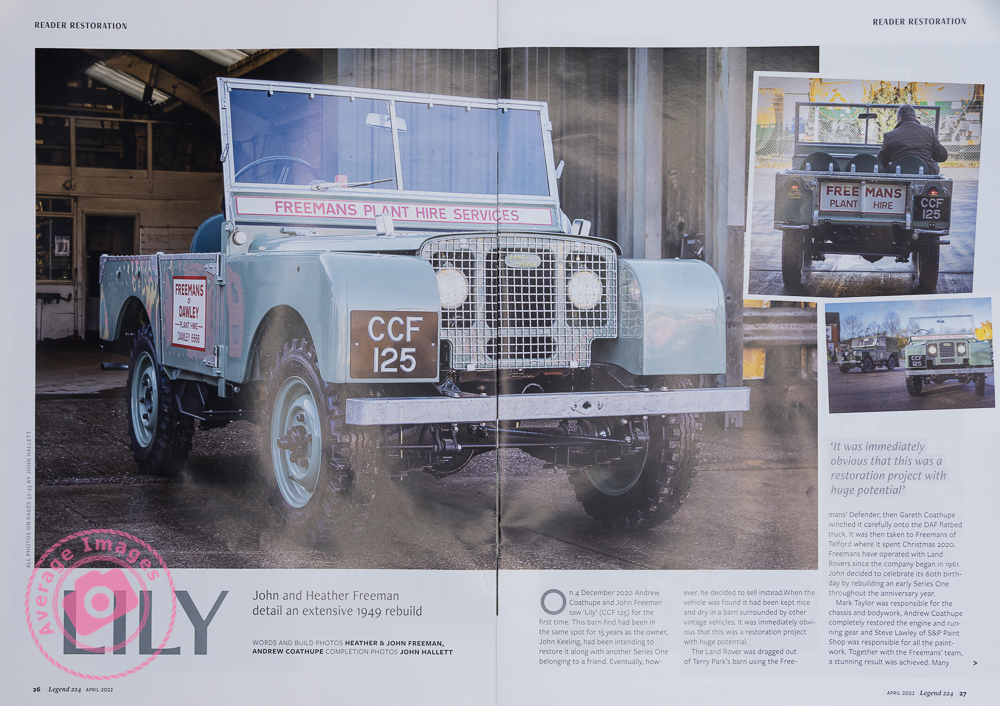
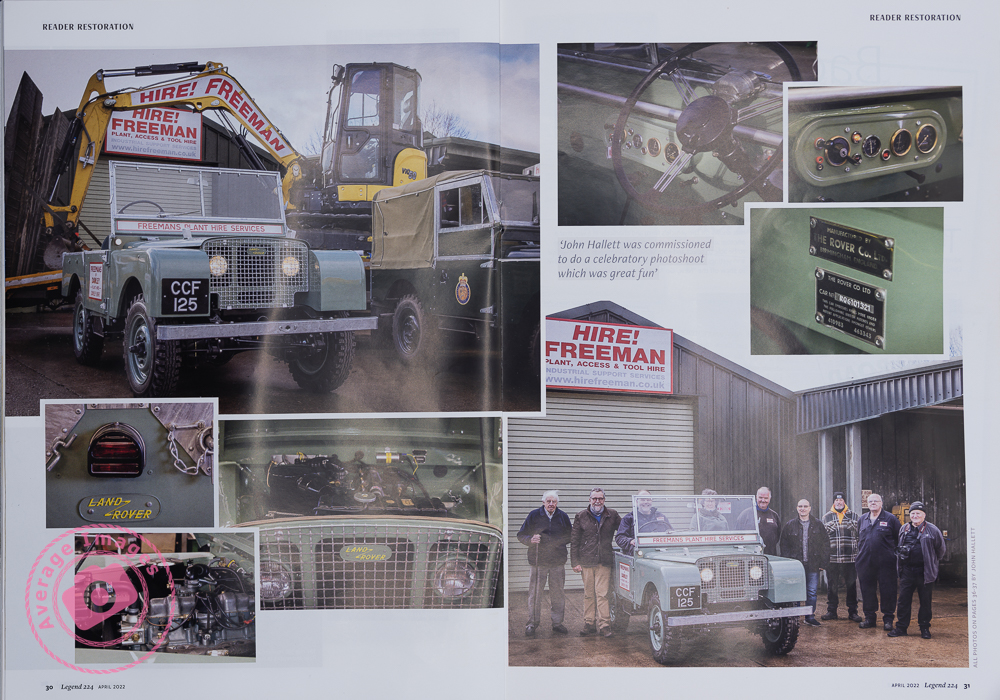
Some time ago, I was contacted by John, the owner of Freemans Plant Hire, to carry out a photoshoot to commemorate the company’s 60th birthday. I met, with the Freemans team, at their site one Saturday morning with a series one Landrover called Lily, which the team had painstakingly renovated as part of the celebrations. Over a few hours I took photographs of the vehicle detailing and various group shots. The images were used in a magazine dedicated to the series one Landrover called ‘Legend’ and I was pleased to see that they had used 11 shots including a centre spread and the all-important cover shot.
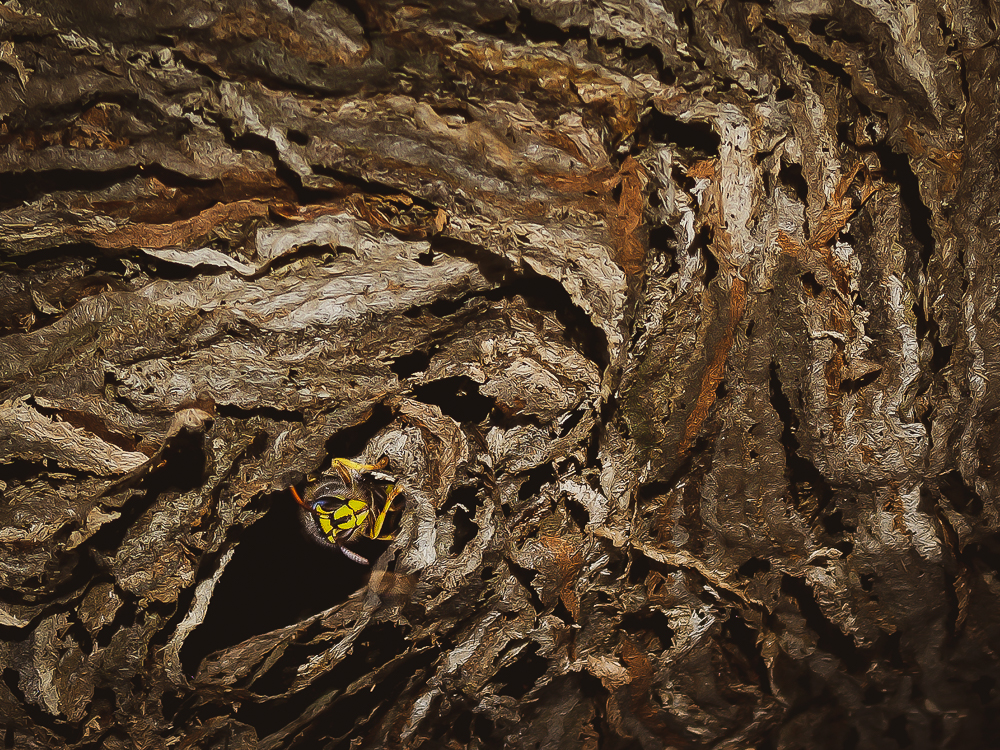
The title of this blog post is a quote from William Shakespeare’s “The Taming of the Shrew” and is a fairly weak introduction to this photograph of a wasps nest and the story behind it.

It all started when I went into one of the garden sheds and noticed a wasps nest in the roof space. It was now December and the wasps would have abandoned it long ago but I still tapped it a few times with a stick just to make sure that there were no stragglers left behind (placing myself conveniently by the door just in case). It’s not often you can get so close to a fully-formed nest and so it seemed like a good photographic opportunity; trouble was it was in the rafters about 15 feet from the ground, there is little lighting in the shed, and in that position it would be little more than a record shot. I therefore decided to move it.
I put up some ladders and gently scraped the nest off the wooden rafters with a paint scraper so that it dropped gently into a cardboard box that I was holding. Although the nest is quite robust it is not at all hard and the closest analogy I can think of is that of a partially-deflated football. It is entirely constructed of a paper-like substance that the wasps create from wood and saliva, which I can imagine makes it quite warm inside.
So, with the nest safely ‘in the box’ it was time for me to develop a concept for the shot. A wasps nest generally brings a feeling of fear and trepidation, and instinctively you don’t want to touch it in case it awakens the stinging army within. So my concept was to build on this in terms of ‘an accident waiting to happen’ with a hand dangerously close to touching the nest. And why would a hand be there? Well maybe to operate a fuse box, often located in a roof void and rarely accessed.
Some photographers like to sketch a layout of a shot beforehand to pre-plan the composition and lighting; which is OK if you happen to be good at sketching. I’m not, and so I just created a mental picture in my head – whilst also contemplating the practicalities of the how to set the shot up. However, I now have a multitude of concepts for future still-life shoots in my head, the details of which are bound to get forgotten, and so I am toying with the idea of using my iPad and iPen to make some digital sketches on Microsoft OneNote (an app I mentioned in my blog post Note To Oneself back in April) to act as an ideas board. I will report back on how this works out.
To create the scene I hung the nest up near to the fuse box in the studio using a metal hook and clamp and lit it using a single strobe with a snoot and honeycomb diffuser (which seems to be my modifier of choice just at present, following the chiaroscuro theme). I wanted a high-contrast shot with dark, well-defined shadows – typical of the type of sharp lighting in a loft space from a torch. The only thing missing was a ‘hand’ and so the camera was positioned on a tripod with a remote shutter release so that I could extend my hand into the shot and fire the shutter at the same time.
With the shot taken it was time for some post-processing to further define the shadows and, with a bit of Photoshop editing, I added the image of a wasp head exiting from the bottom of the nest.
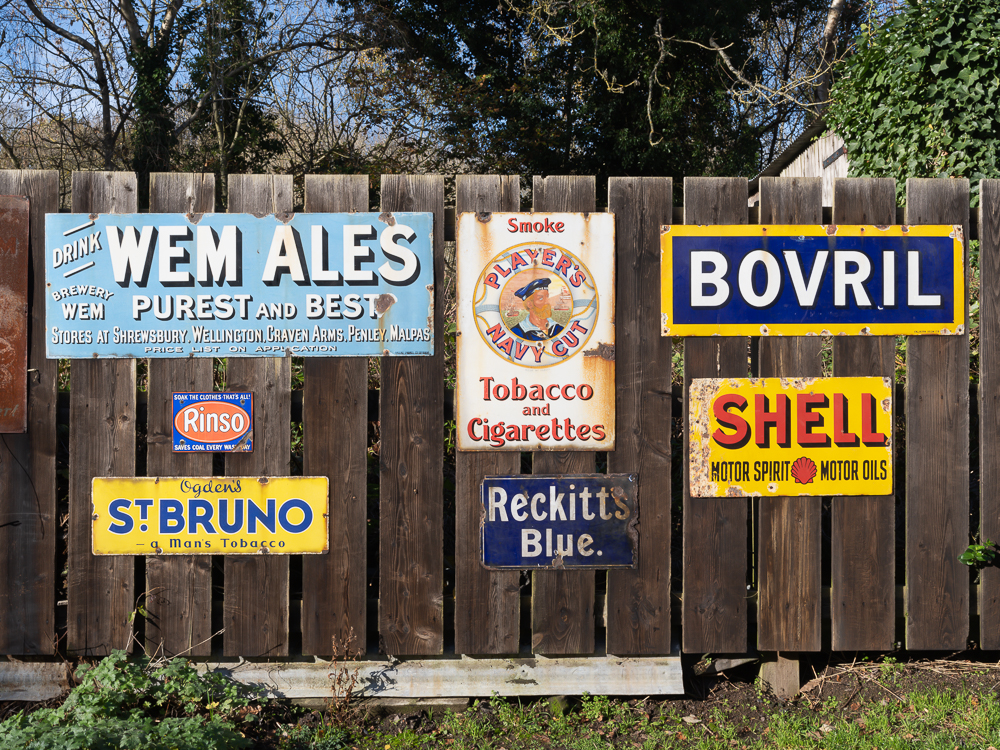
During my visit to a nearby Victorian Town museum I took these shots of a selection of old enamel advertising signs which were commonly used up until the 1950’s due to their vibrant colours and durability. But how many of these names are still in existence?
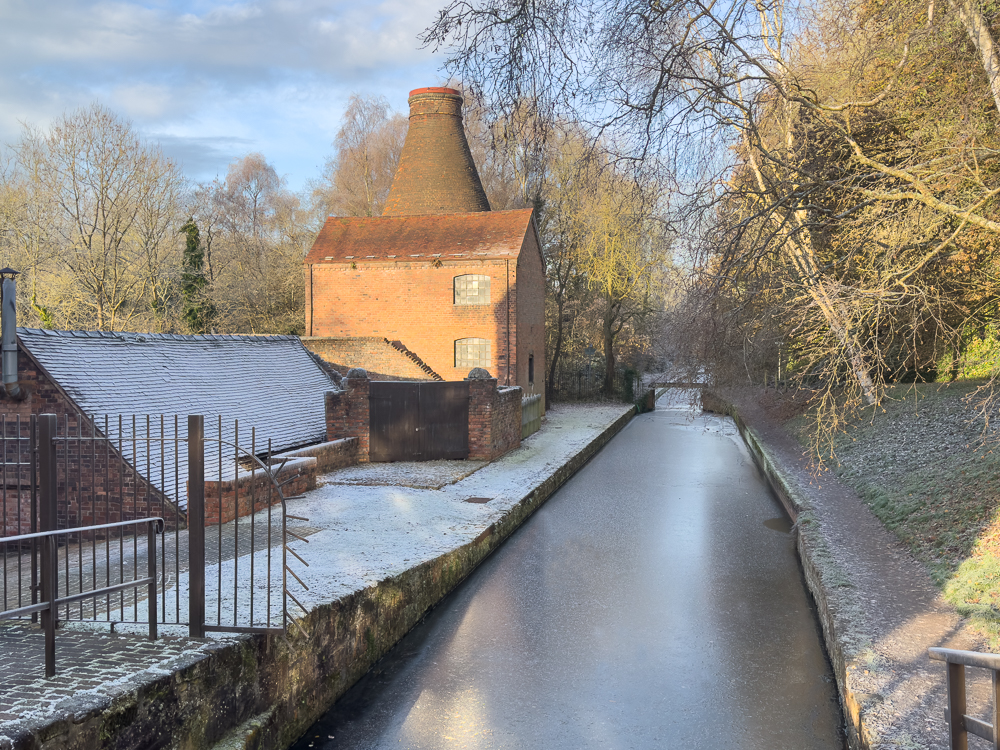
The Shropshire Canal at Coalport was created in 1793 to allow tub boats of coal from the Shropshire coalfields to be transferred onto river boats (called ‘sprys’) in order that it could be sailed down to Bristol and then on to the worldwide market. Workers were needed to operate this riverside trans-shipment port and so dwellings were built to house them – and thus the village of Coalport (coal-port) was created.
At about the same time, entrepreneur John Rose founded a china works immediately adjacent to the canal utilising the transportation link for both raw materials and finished goods. The village is now synonymous with Coalport China although it was the coal that paved the way to its creation.
 Ironbridge Images