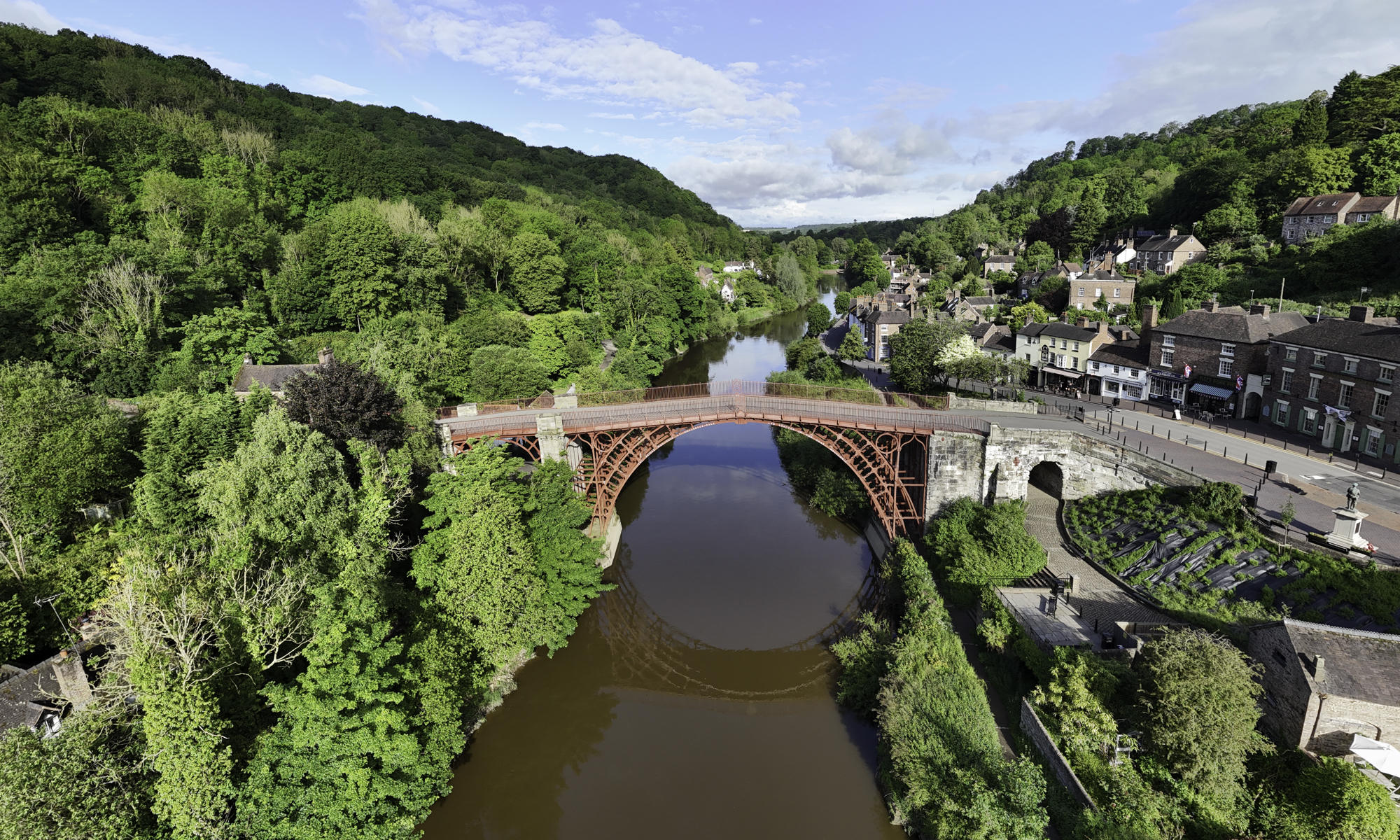
I’ve been immersed in photography for many years, exploring a variety of genres along the way. From capturing diverse landscapes to delving into the intricacies of still-life scenes, my lens has always been drawn to subjects with historical significance. It was inevitable that my work would feature the area where I grew up: the Ironbridge Gorge, which supplies almost limitless subjects on which to focus.
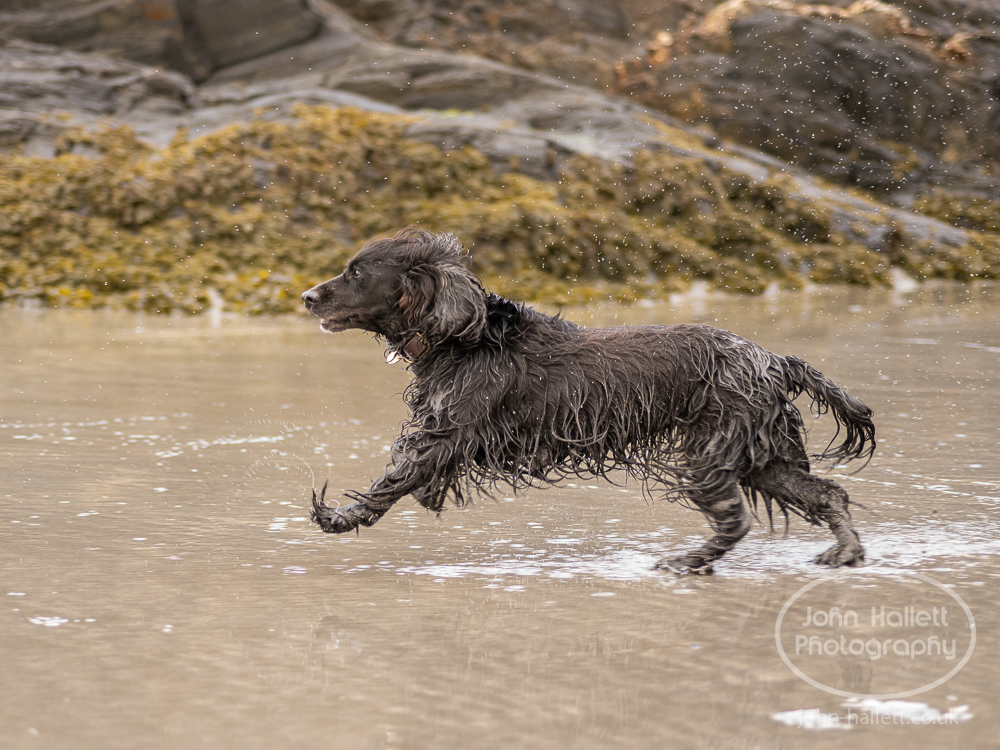
Pembrokeshire in South-West Wales is one of our favourite places, but with Covid restrictions limiting travel over the past two years it’s been too long since we’ve paid it a visit. But recently we managed to put that right and even though it was a fleeting visit due to other commitments we did manage to spend a few hours on Newport Beach (not far from Fishguard) with the dogs.
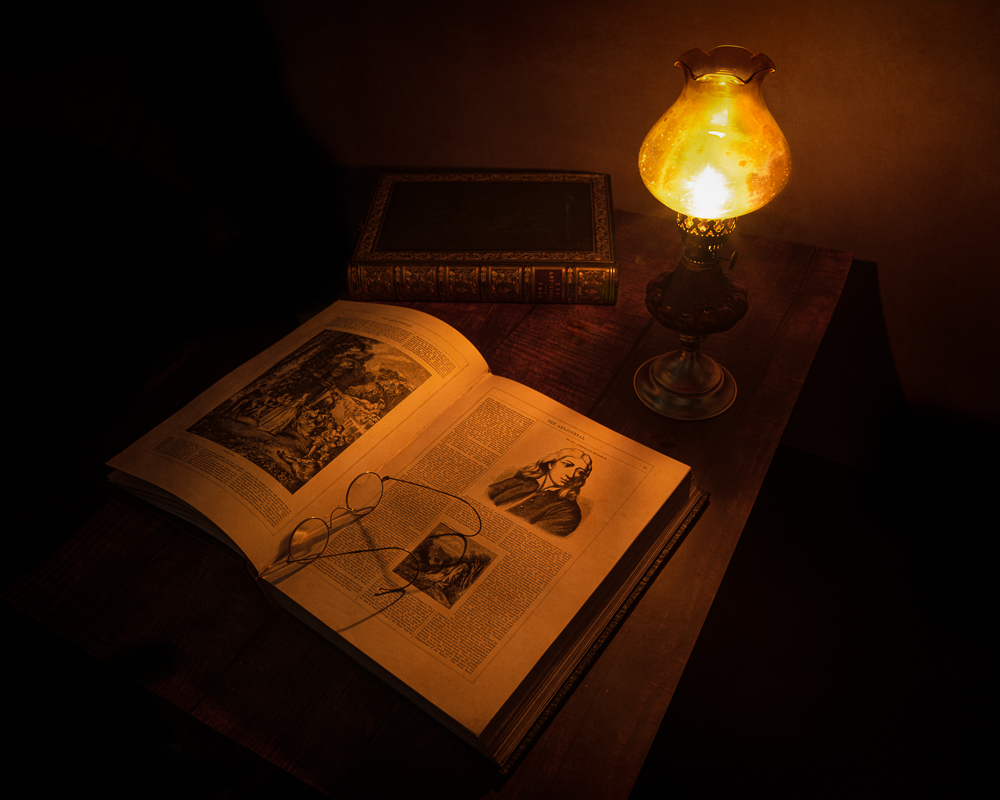
This is the story behind a studio shot of an old 1851 Art Journal compendium.
The Art Journal
I have a small set of these compendiums from the years 1849-1862 that I purchased from my late Grandmothers estate and some time ago I took a photograph of one on a farmhouse table lit by an oil lamp. Unfortunately, the original RAW file of this shot was lost during ‘the catastrophic HDD failure of 2019‘ and the only copy I have left is a fairly small & low-resolution JPEG image from a previous version of my website.
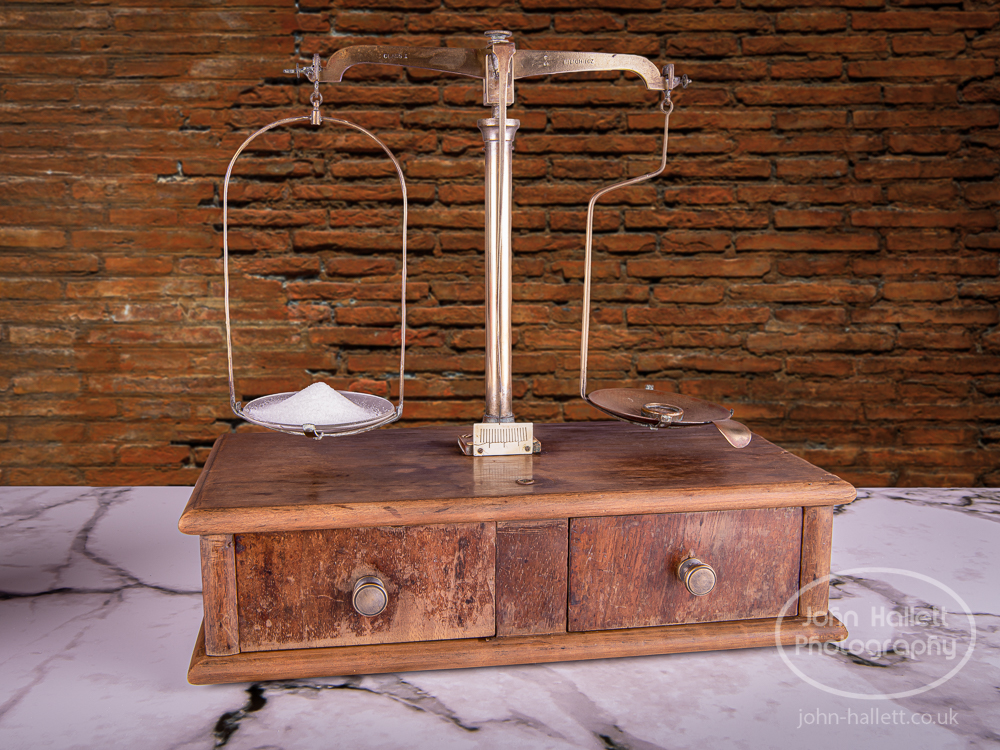
Here is a second shot of the pharmacy balance from a slightly different perspective. This is also a composite shot but in this case I didn’t have a background shot with a matching perspective and so I chose to use a textured ‘brick wall’ background instead.
Here is another composite which combines a studio shot with a shot taken out-and-about. I am getting quite ‘hooked’ on doing these composites because with each one I am learning a little bit more about:
Planning the concept of the composite beforehand
Taking the studio shot in a way that will make the selection easier to cut out in post-processing.
Finding a background that complements the studio shot in respect to lighting & perspective.
Making the selection of the studio shot in post-processing such that it isn’t obviously cut-out when I remove the original background.
Adding a new background and blending it in.
Quite what the commercial rewards are for this type of shot remains to be seen but at least I’m enjoying the ride.
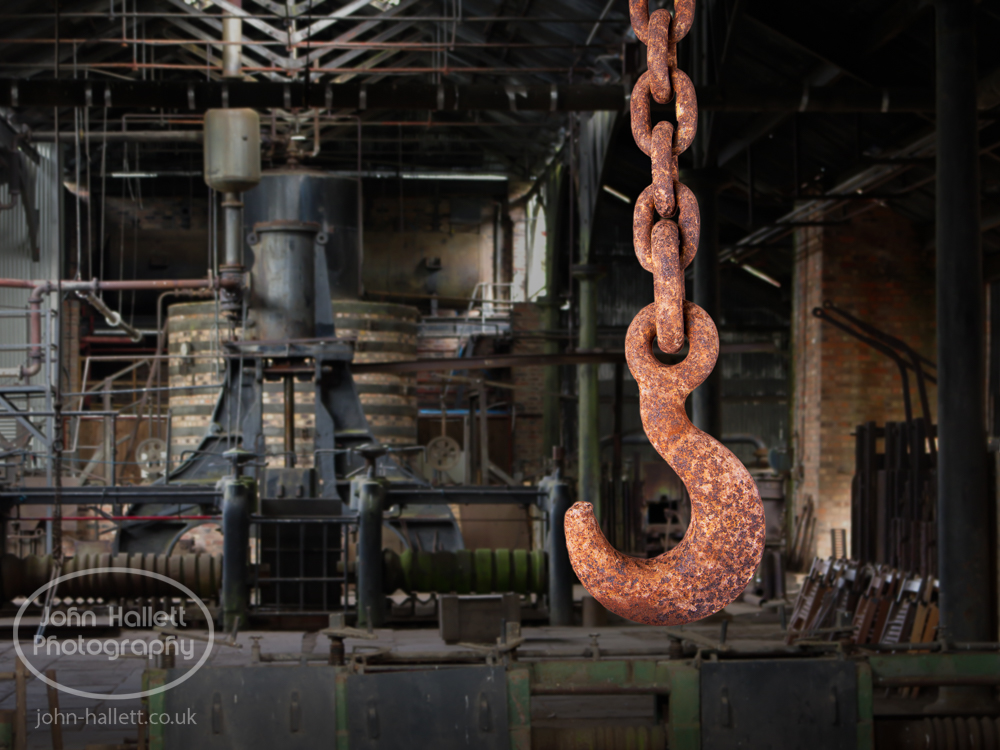
“Hooked”
The hook & chain has been hanging in one of our sheds for many years and probably came from an old industrial tramway that ran behind our property between a small clay mine and the nearby Blists Hill brickworks. It looks as if it may have been used to connect the narrow-gauge goods wagons to each other which I’m assuming were horse-drawn. The site of the Blists Hill brickworks is now a Victorian Town museum which, coincidentally, was where I took the background shot during my ‘Day at the museum‘.
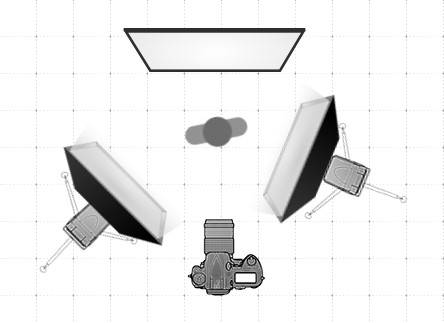
I hung the hook & chain to an overhead wire in front of my 18% neutral-grey collapsible background. It was an easy shot to take lit either side by two strobes each fitted with 28″ x 20″ softbox. The selection was made in post-processing and an image of a re-creation of a Victorian iron foundry was processed as the background.
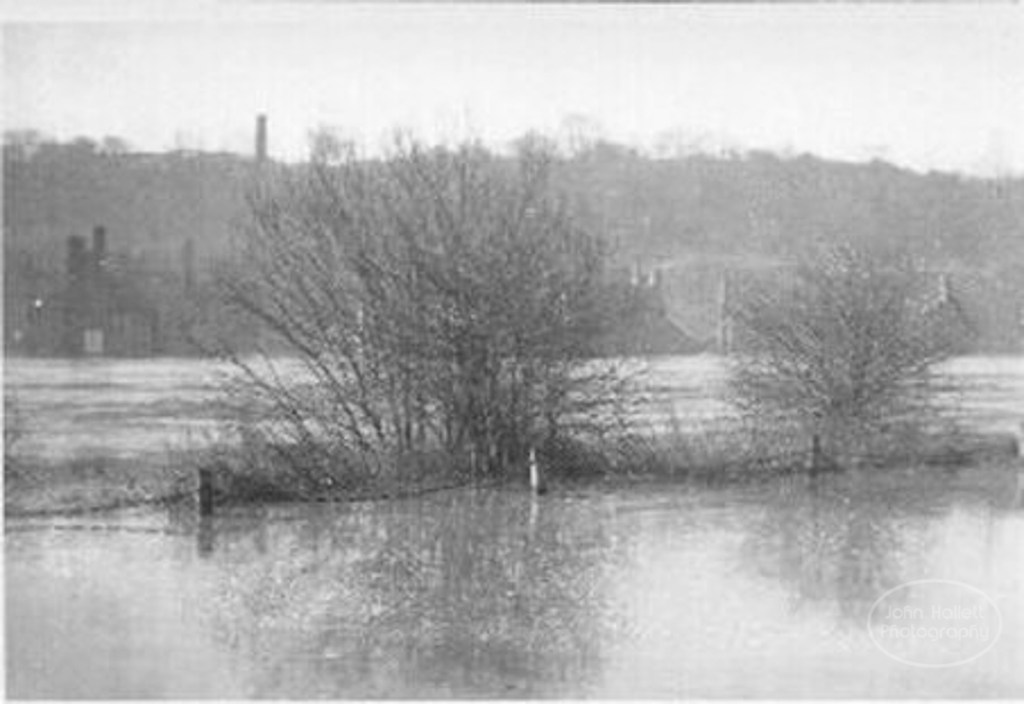
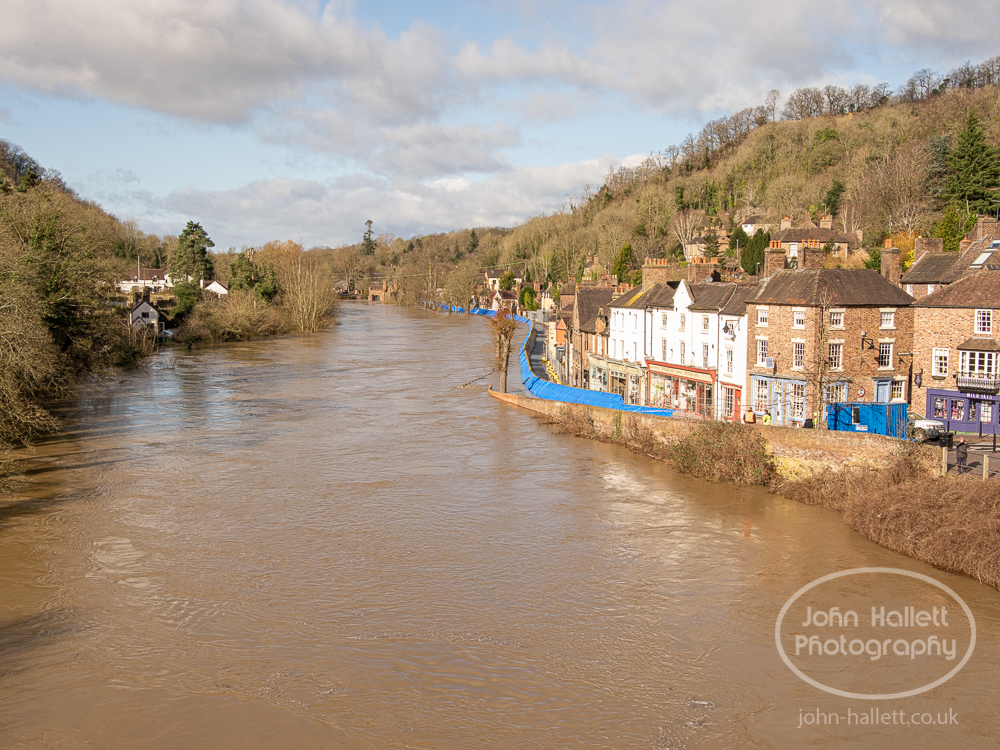
Living next to the River Severn in the Ironbridge Gorge, Shropshire, I am more than used to the annual floods when it bursts its banks causing misery for those living within the flood plain. However for many, many years the fact that it could rise so high as to cover the road in front of our house was only an anecdote supplemented with a small, grainy, black and white photograph taken by my Grandmother in 1947.
1947 floods at The Lloyds in the Ironbridge Gorge. The chain fence is at the side of the pavement of the road.
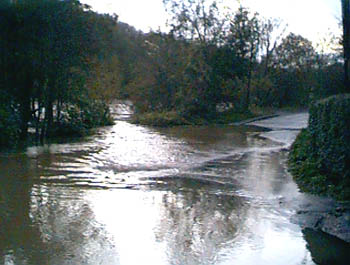
It wasn’t until the year 2000 when I actually saw it for myself and remember gingerly driving my car through the deepening water to try and get it back onto our drive after finishing work.
Year 2000 floods taken with a very early digital camera.
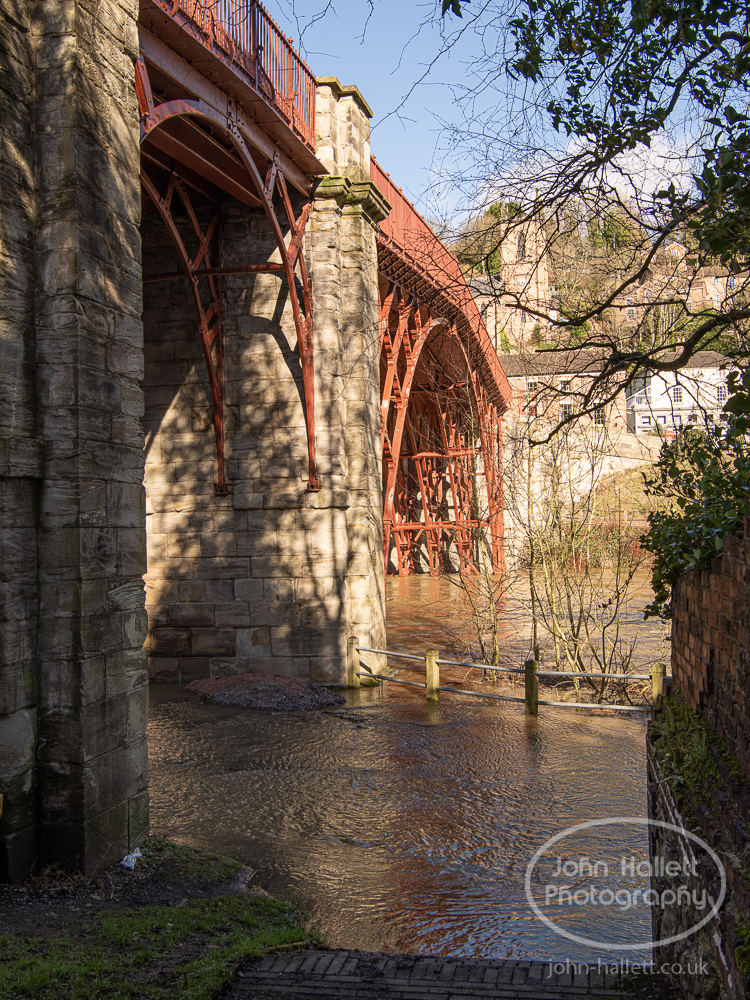
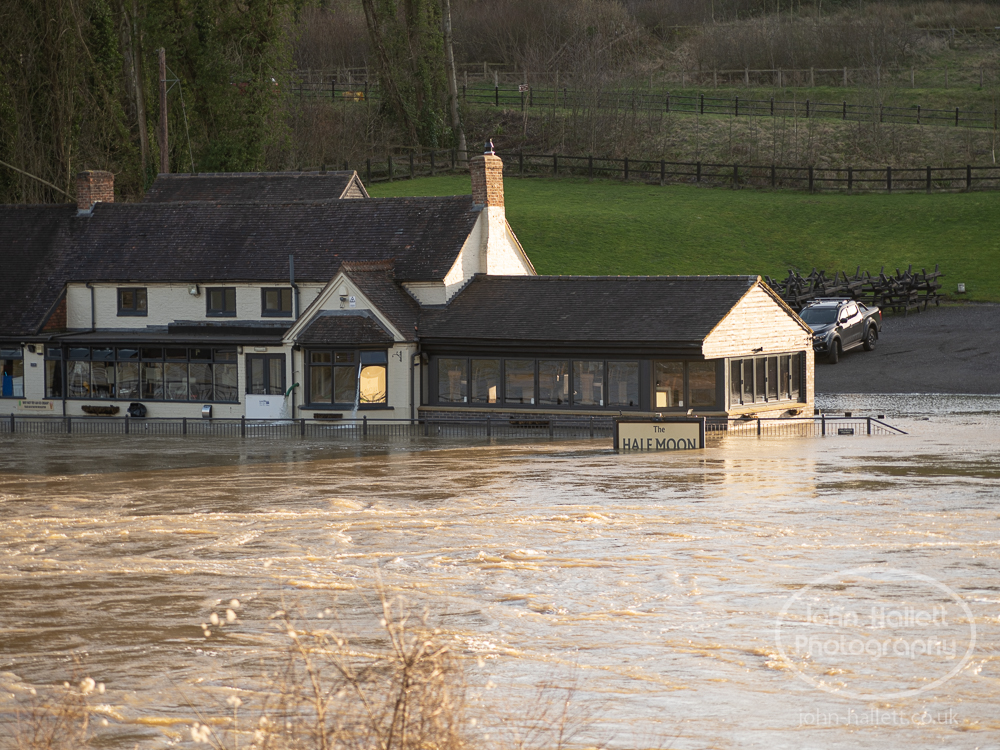
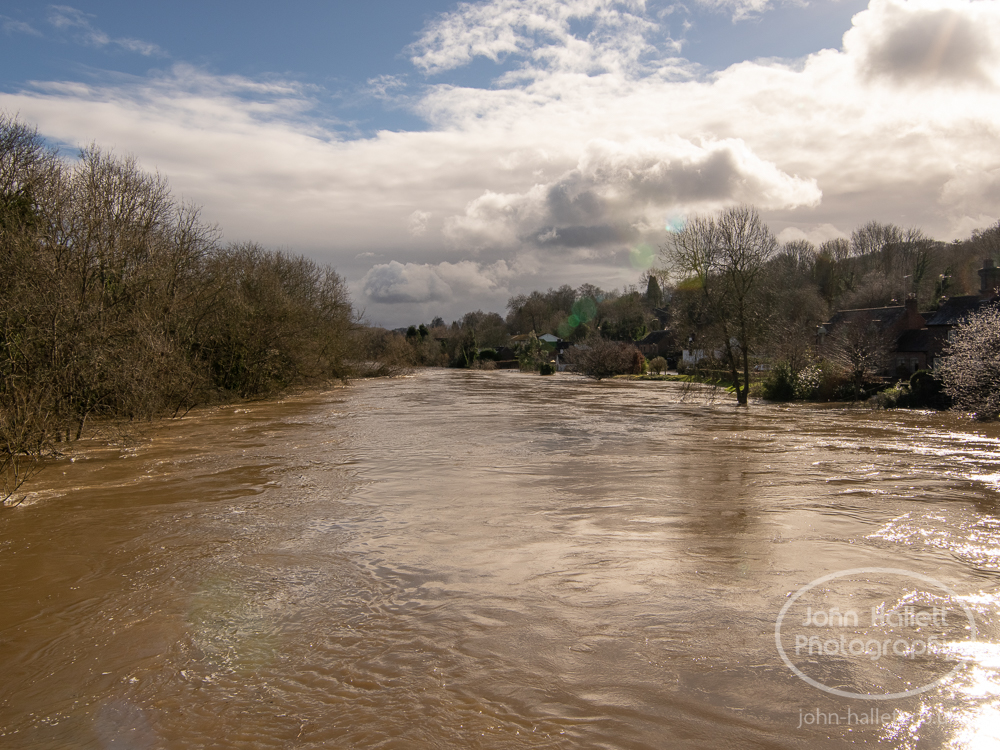
But then it happened again in 2020, again in 2021 and now again in 2022. The indications are that these ‘super floods’ are occurring more often. Global warming? Building on flood plains? Natural weather cycles? Who knows – and I suspect it will take a few more years to be truly certain whether this is the new ‘norm’.
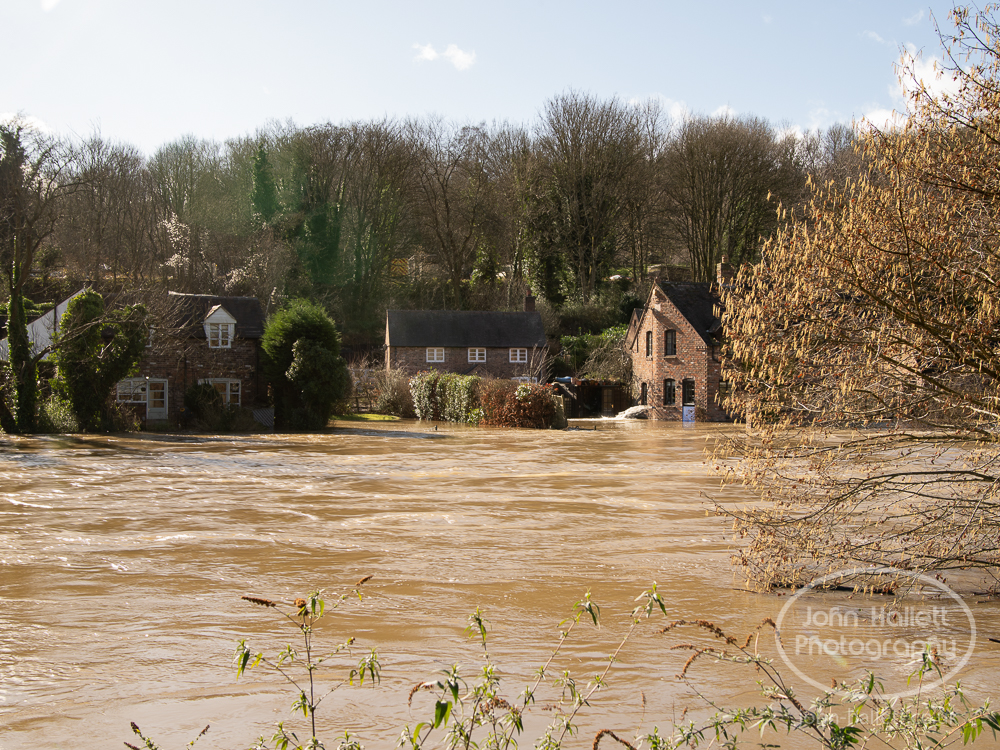
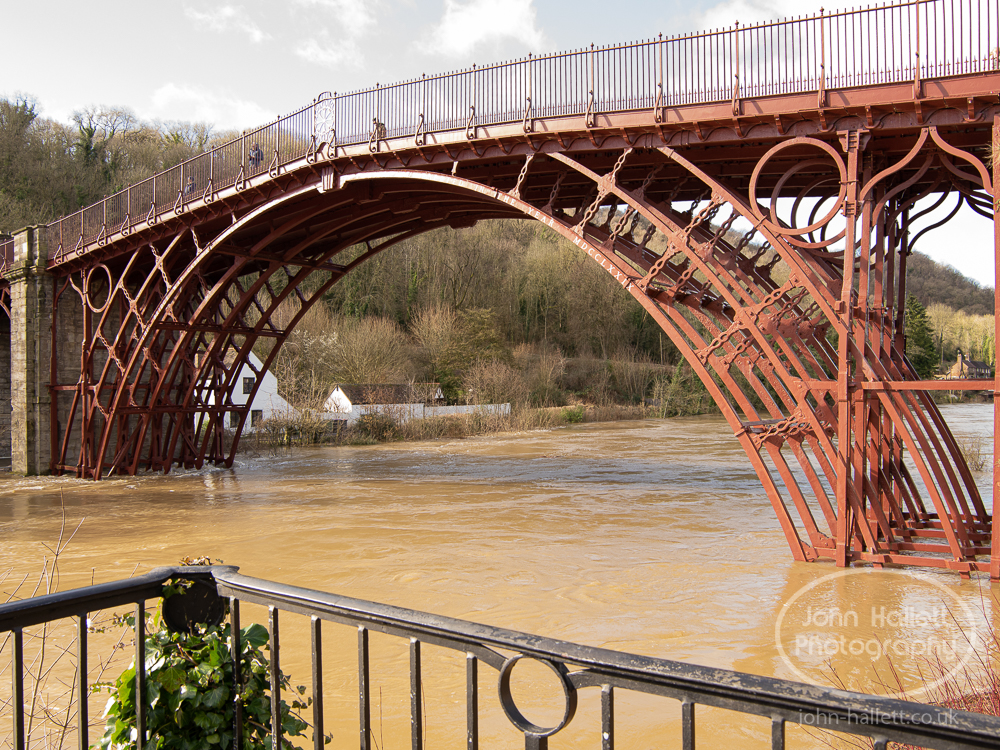
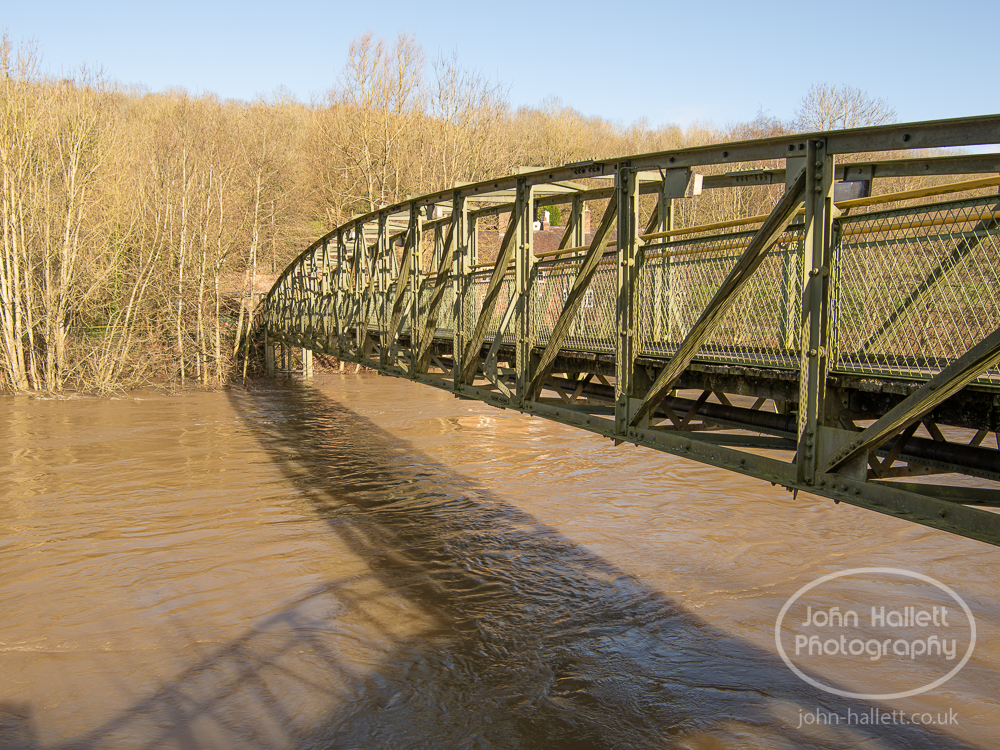
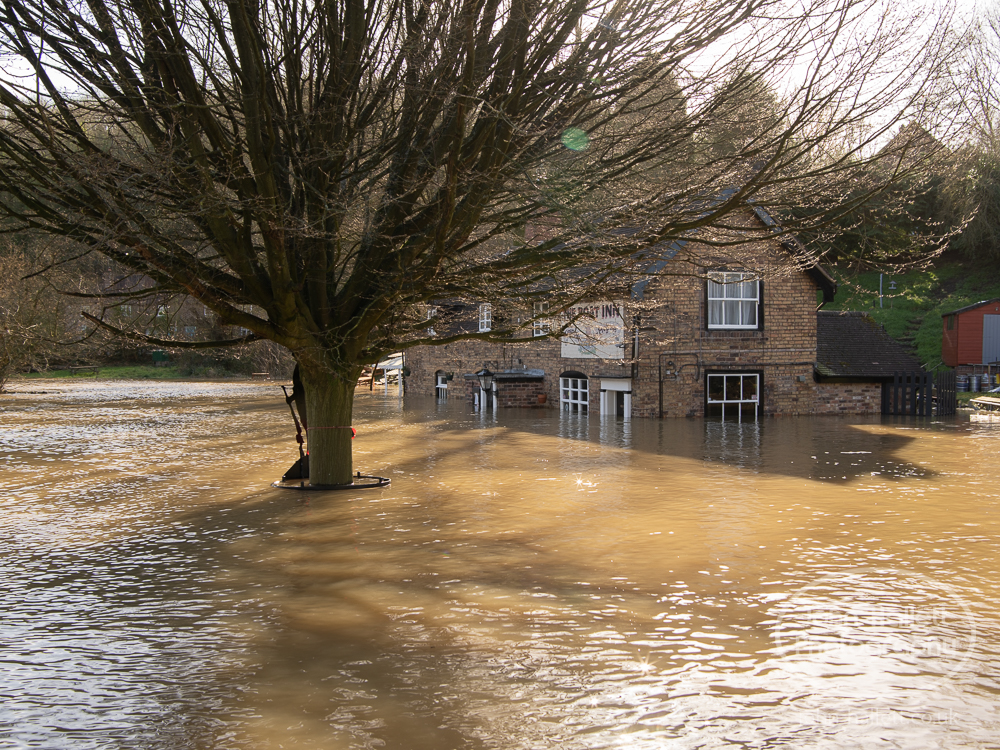
Anyway, here are a few photographs from the February 2022 ‘super flood’ in the Ironbridge Gorge. The first outdoor shots with my medium format camera.
The pharmacy balance had been originally rescued when clearing out my grandparents house. My grandfather had been a pharmacist back in the days when they used to mix the medicines themselves in a back room of a chemist shop and so a balance was a necessity. In fact clearly so important to him that he had kept them until the end of his life.
They had clearly seen better days. I am sure that they had been looked after meticulously during their working life but not so well during storage and so the brasswork was dirty and the wood veneer peeling. If there hadn’t been a sentimental value attached to them I’m sure they would have just ended up in a bin.
I had a plan to take a photograph of them that was hatched back in the middle of 2021 and so I stripped them apart completely and started what could be loosely called a restoration. With the wood polished as best as possible and the brasswork cleaned they looked acceptable and so the photograph was ready to stage.
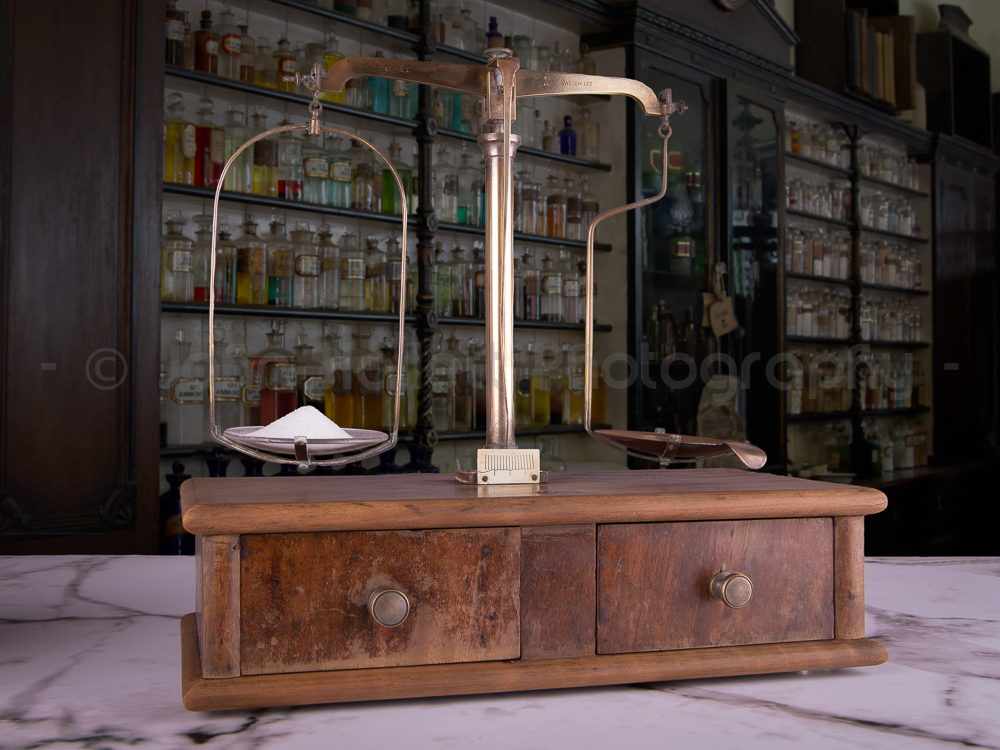
The plan involved creating a composite photograph with the balance in one shot and a pharmacy background in another. The background shot has already been taken during my day at the museum photoshoot some months previously and so the first part of the staging was to erect a mid-grey (18%) collapsible background behind my shooting table which would make the selection of the subject easier in Photoshop later. Then I chose a marble-effect covering for the table and placed the balance on top (I guessed that a Victorian pharmacy probably had marble worktops). I also had some of the original brass weights and so I placed one of them on the ‘weight’ side of the balance and poured sugar onto the ‘sample’ side to get them to ‘balance’.
It was at this point that I realised how accurate these old balances are. It seemed that it only took a few grains of sugar for it to go from ‘too little’ to ‘too much’ and it took about 10 attempts to get the correct quantity – with an emptying and cleaning of the glass dish each time (trying to remove sugar already in the dish with a spoon left an unsightly divot in the otherwise smooth heap).
Once the balance was set-up and balanced I just had to decide on the camera height for the shot and then rotate the balance to the optimum viewing angle. With the camera tethered to a laptop the first trial shots could be taken and the power of the studio strobes adjusted to achieve an acceptable exposure. To prevent unsightly dark shadows I lit both sides with softbox diffusers.
Once the shots were taken (with a few taken at a different camera height as well) it was time to import them into Lightroom and Photoshop to create the composite. But that’s a story for another day. Here is the finished shot:
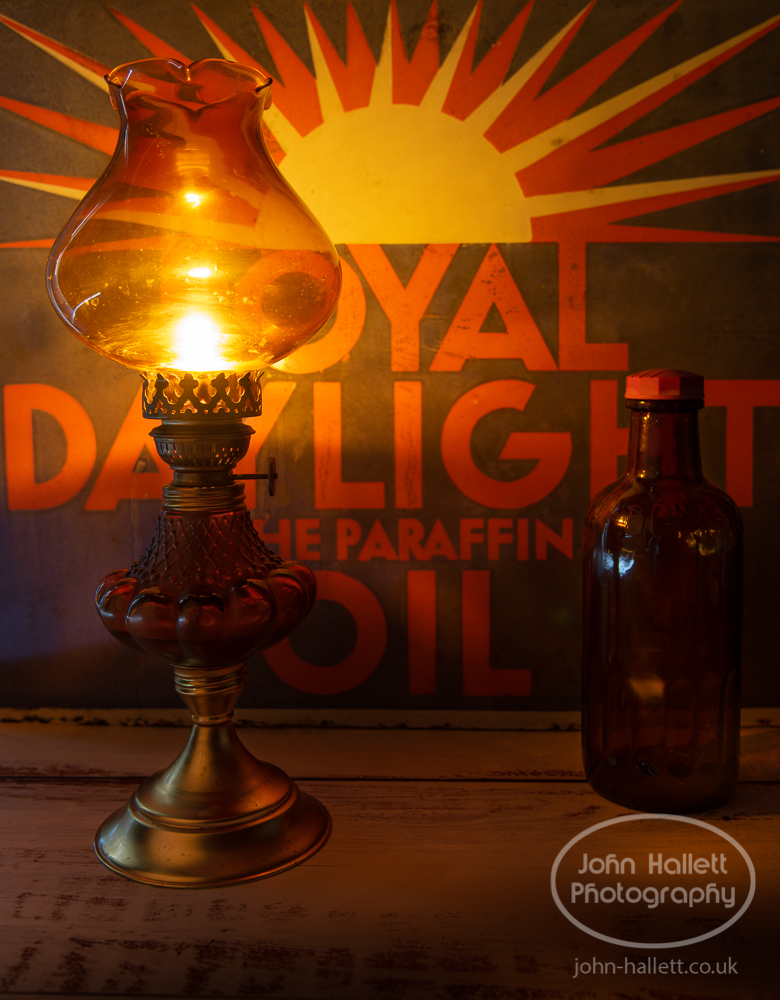
When I was clearing out my late father’s old art studio (that eventually became my photographic studio) a piece of sheet metal used to block up a hole in the door was made redundant when I carried out a more permanent fix. I kept it because I was aware that it was an old enamel advertising sign for paraffin, and I hate to throw such things away. A few weeks ago, with the constant media attention to rising fuel costs, I thought that it may become a topical photograph in its own right. But then I started to formulate a plan to photograph it with a paraffin lamp which I had already put to one side as a potential still-life prop.
So, after clamping the sign in an upright position, I placed the lamp in front but slightly to the left to allow the word ‘paraffin’ to show. The problem was that this made the image a little one-sided and so I placed a brown-glass bottle to the right to balance things out. I managed to get the wick of the lamp damp with the remnants of fuel that fortunately remained in the lamp and, after trimming the wick so that it was even, I lit it and adjusted the wick’s height to get a small, but constant, flame.
Using any type of artificial light would have destroyed the effect of the flame and so I took a series of test shots at different shutter speeds to find one that gave the desired result and concluded that 15 seconds was the optimum.
There was little post-processing apart from removing some of the more obvious rust spots on the sign, a bit of dodging of the shadows on the lamp and bottle and a slight graduated darkening of the foreground.
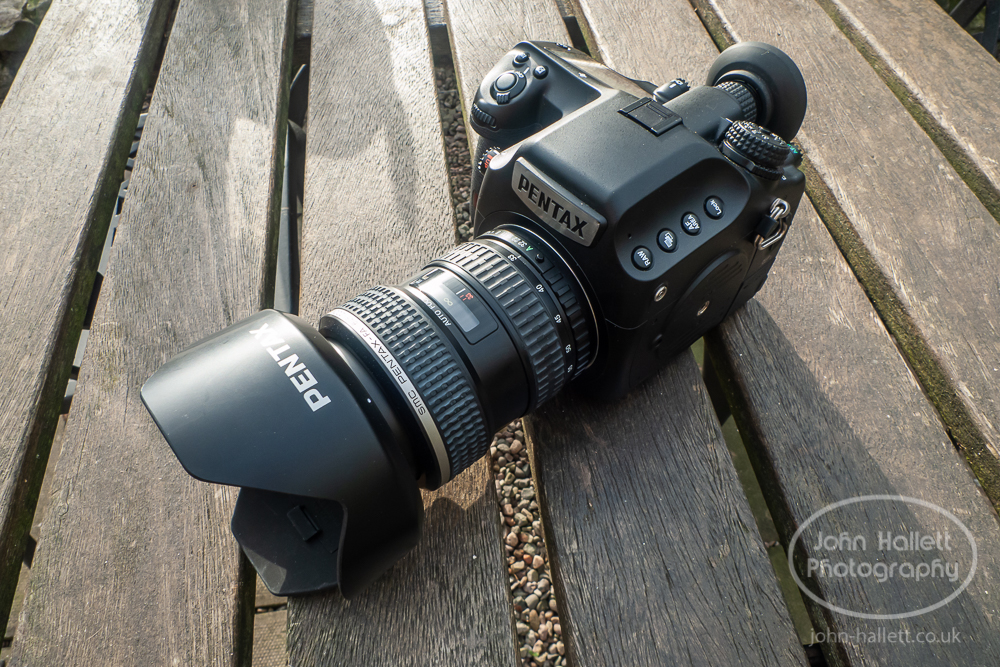
For some time now, I’ve been pondering whether or not to upgrade my studio camera (a 35mm equivalent DSLR). And now I’ve done it – and purchased a medium format body & lens.
Medium format cameras have long been used by professional photographers mainly for landscape and studio work, and the perceived benefits have been the subject of great debate on internet forums – even more so with the advent of mirrorless cameras. The main selling point of medium format is the size of the photosites on the (larger) sensor that captures those all-important megapixels. The bigger the photosites, the more light (or data) the sensor collects.
Some say that medium format has a ‘look’ that makes it distinctive and refers to aesthetic qualities such as depth-of-field, sharpness and colour – but this is all subjective and is difficult to prove given the inherent variations in comparative camera systems.
This is all something that I’ll be investigating over the coming months. I have used 35mm cameras (film followed by digital) ever since I became seriously interested in photography in my teens. Medium format was just a dream because of the relative expense of the systems. Now it’s time to fulfil that dream, and I’ll report back with my thoughts.
First shot out of the camera 1/320s, f/4.5, ISO2500
I’ve added a few more composite photographs to the collection – all with the ‘old tool’ theme which I’m finding quite interesting. The practice using Photoshop in conjunction with Lightroom is certainly paying off and it is getting easier to add the backgrounds without it looking too obvious. Here are the latest couple:
I have decided to try and create some composite images. These are going to be based on some studio shots of various objects (old tools, for example) with a background added in Photoshop. I have been studying how to do this successfully and here is my first attempt. Much more work to be done but it’s a start that I’m quite pleased with.
Every once-in-a-while the nearby attraction “Blists Hill Victorian Town” opens its doors for free for local residents to visit and see what it offers. I last went a number of years ago and it was only relatively recently I recounted to a colleague that these ‘open days’ used to occur. It was coincidental therefore that last Monday I became aware that it was happening again and so on Saturday I made the one mile trip to the venue for a photographic morning.
The main reason for my visit was to take some background and texture shots to use in my forthcoming still-life project. Images of some of the attractions such as shops and toolrooms to act as a backdrop and textures such as timber cladding, brickwork and iron plates. It was good to go with a purpose but with the added benefit of taking some atmospheric Autumnal shots should they manifest themselves. I was aware that all of the entrance allowance had been taken up and so it was likely to be crowded; I therefore made sure I was early (doors opened at 10am) and that I was travelling relatively light so that I could squeeze into tight spaces when required.
All-in-all a great morning out. I was there for over 3 hours and managed to take a good quantity of images that I can use. Here is one of my favourites:
It was a rare Bank Holiday in that both Mrs H and myself were at home and so we decided to make to most of it and take the dogs for a change of scenery. We went on a dog-friendly walk close to Dudmaston Hall, just outside Bridgnorth, Shropshire, where there was a small (free) car park and the start of the walk was just over the road. It led around a large field down to a couple of ponds in the woods, around which was a well-kept pathway. The dogs certainly loved it (particularly the two who went swimming!) and it was pretty quiet so we will visit again when we get chance.
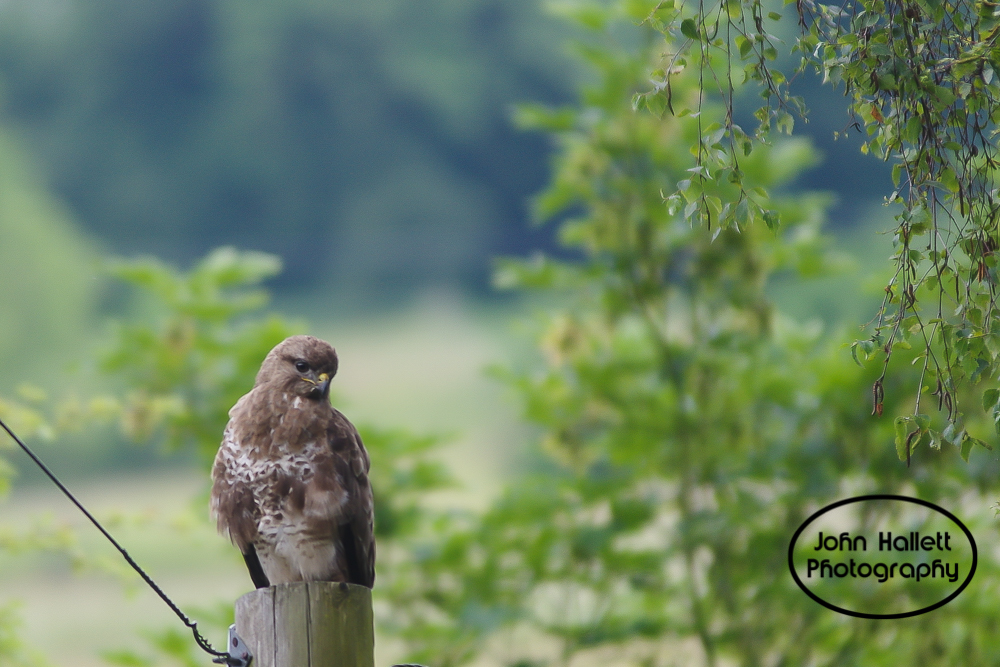
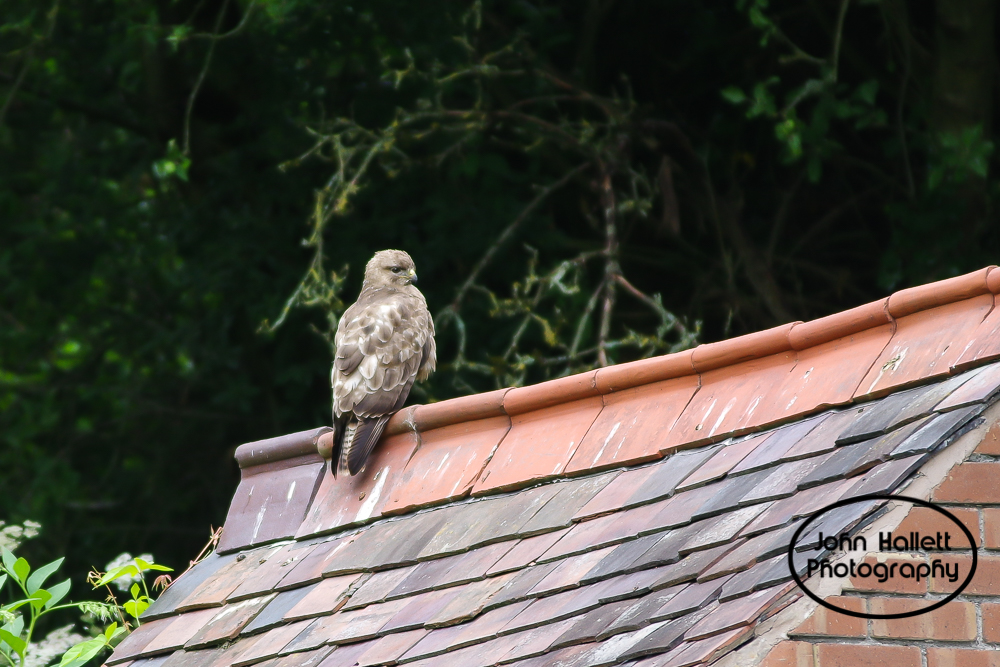
Seems that we have a new inhabitant in the garden. I first saw it on the roof of one of my sheds this morning – and then later on a telegraph pole in front of the garden. A buzzard ??
Last Friday saw myself & Mrs H take a trip out! Yes we finally decided it was appropriate to visit the Welsh capital, Cardiff. It was nothing to do with photography and everything to do with a particular jewellers shop that Mrs H wanted to go to but it was our first visit and so we made a day of it – particularly since it was a 5-hour round trip.
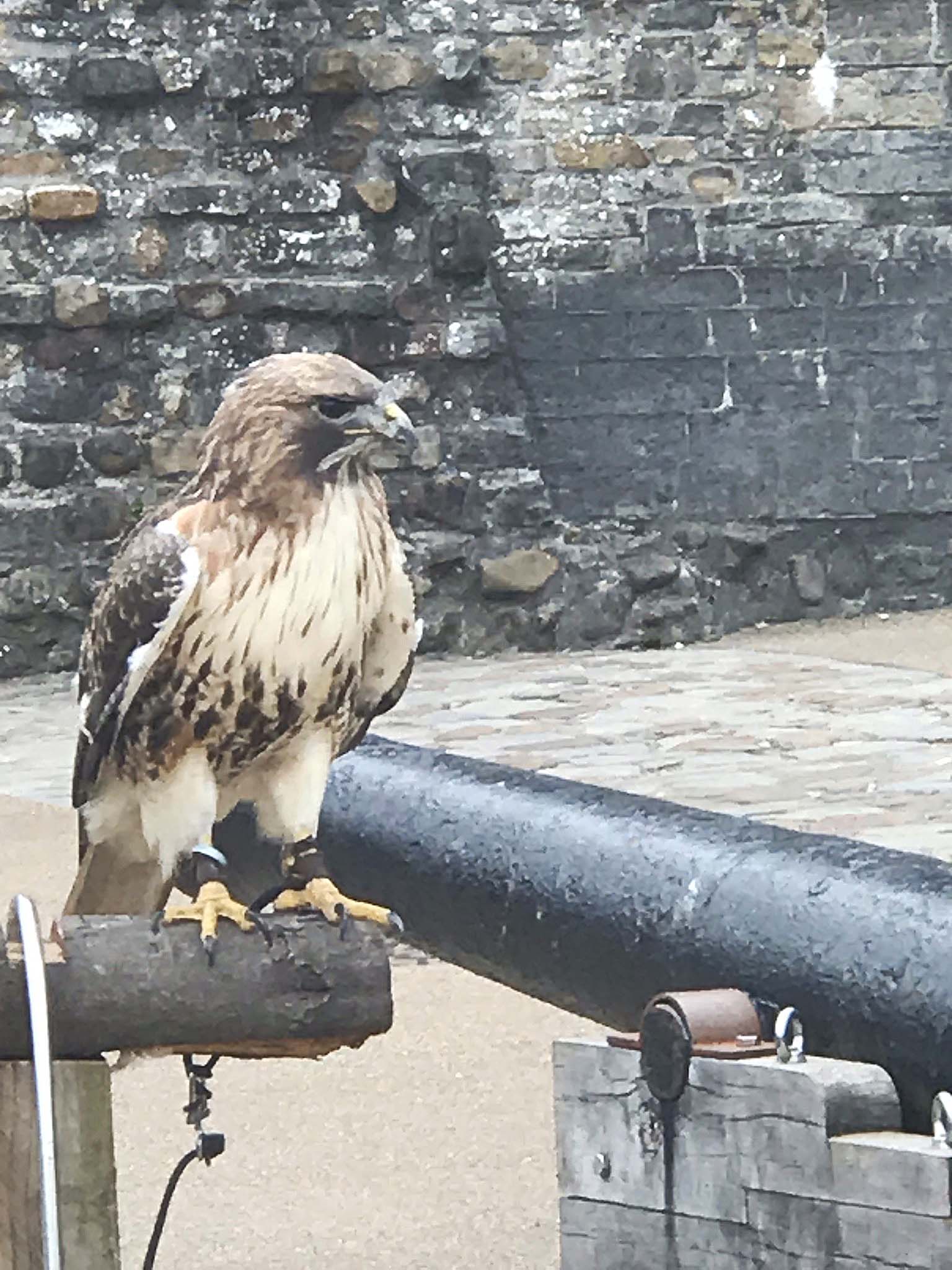
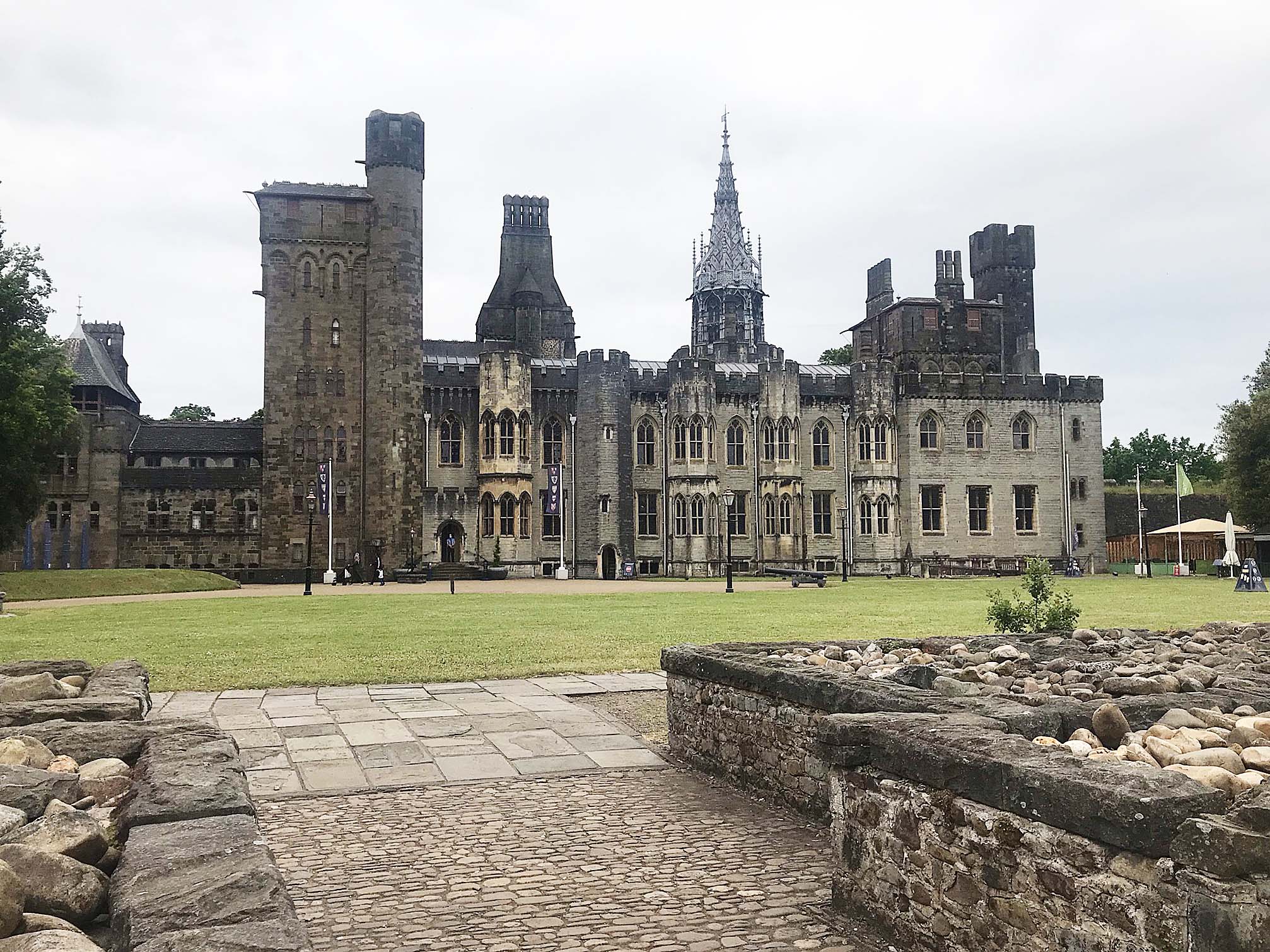
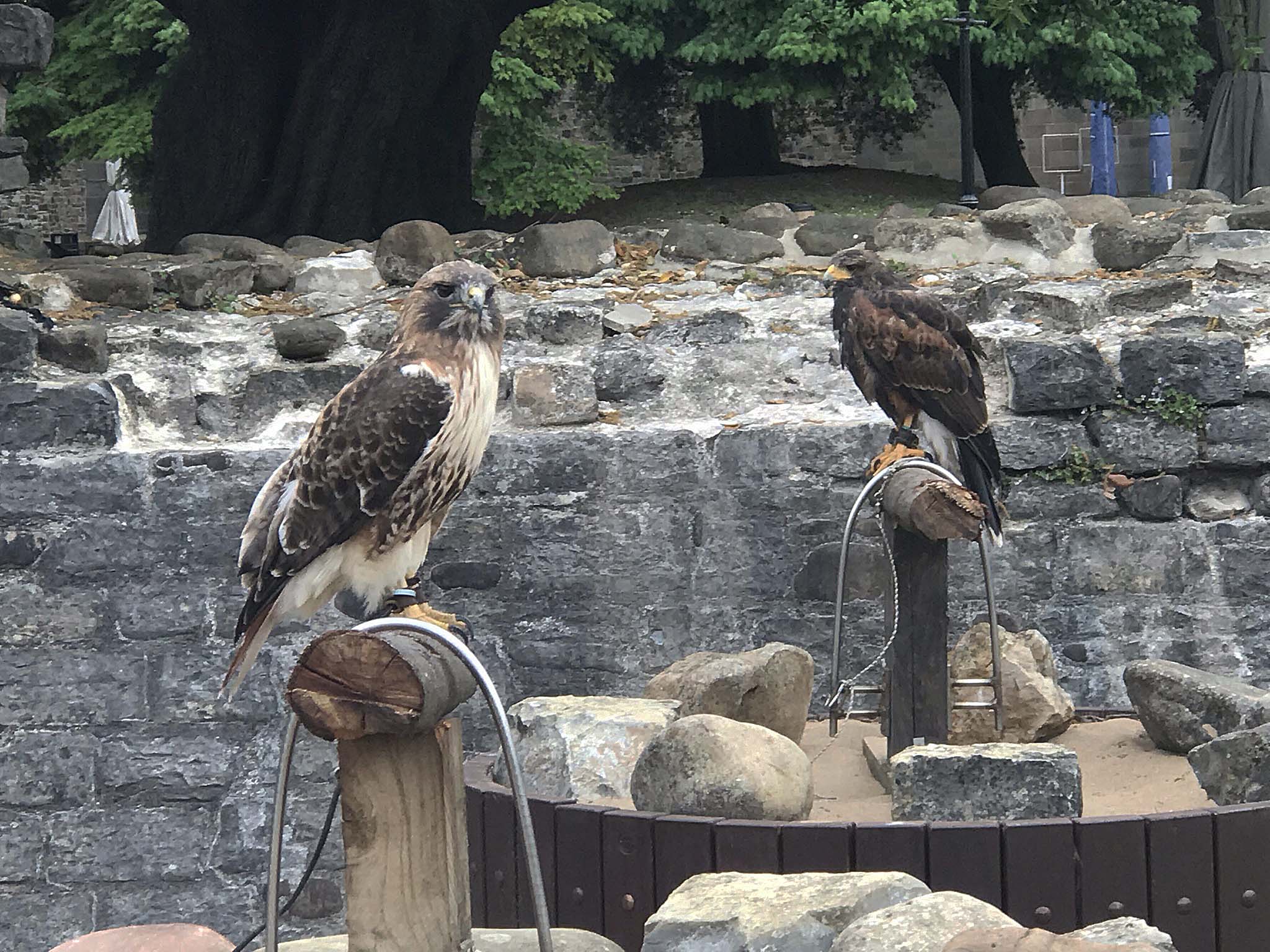
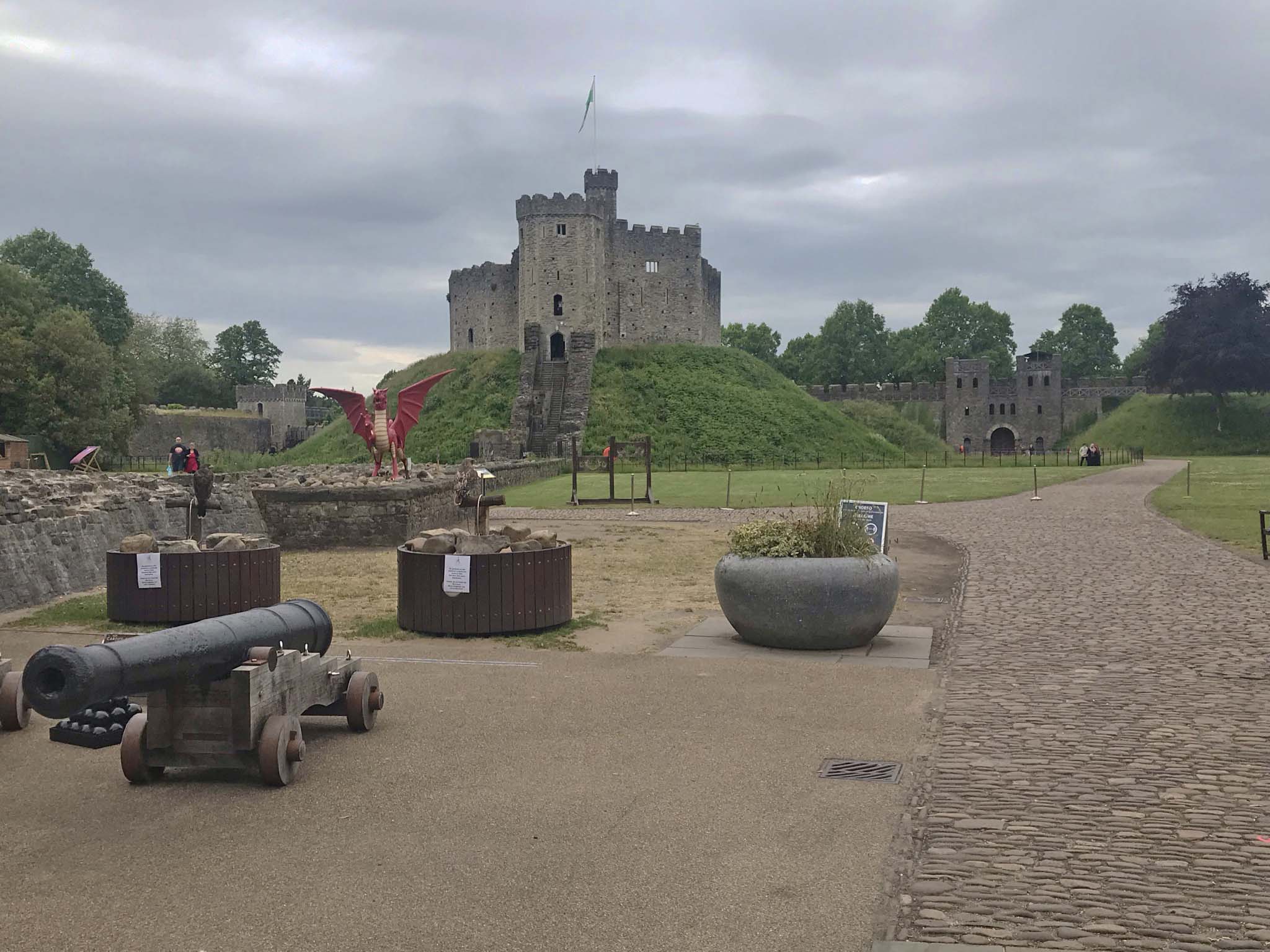
Before we went I used Google Maps to locate a few possible open-air car parks (I do dislike the multi-storey variety) assuming that we would end up parking well away from the city centre. However on arrival at Sophia Gardens car park I was surprised to find it virtually empty and it was only a brief walk to the city centre. The other benefit was that it was right next to Cardiff Castle and so on the way back to the car (after numerous hours looking at shops) we diverted into the castle gardens and I managed to take a few shots with my iPhone.






 Ironbridge Images