
As stated in my last Painting with light blog post, there usually needs to be a hero to act as the heart, or focal point, of an image, whether it be a painting or a photograph.


In this shot ‘Climbing the academic ladder‘ the hero is clearly the mannequin, and so it was important to make sure that is was sharply in focus and lit well, to bring out the detail. This is a fairly simple shot; others may have far more content competing for attention, and so it is important to recognise what is the focal point of the shot, and make sure that it draws the eye, which may be achieved with quite subtle use of lighting, leading lines and other compositional techniques.
Here, the mannequin is aligned with a ‘third’ line and the main body is on the intersection of the vertical and horizontal ‘thirds’. Also, the mannequin is looking ‘in’ to the shot, rather than out of it. These are all long-standing compositional rules used by classic Greek architects, up to the present day.
When taking still life shots you really need to have an idea or a concept of what you want to achieve before you start. If you just walk into an empty studio with no preconceived thoughts of what you are going to photograph you are likely to leave with nothing.
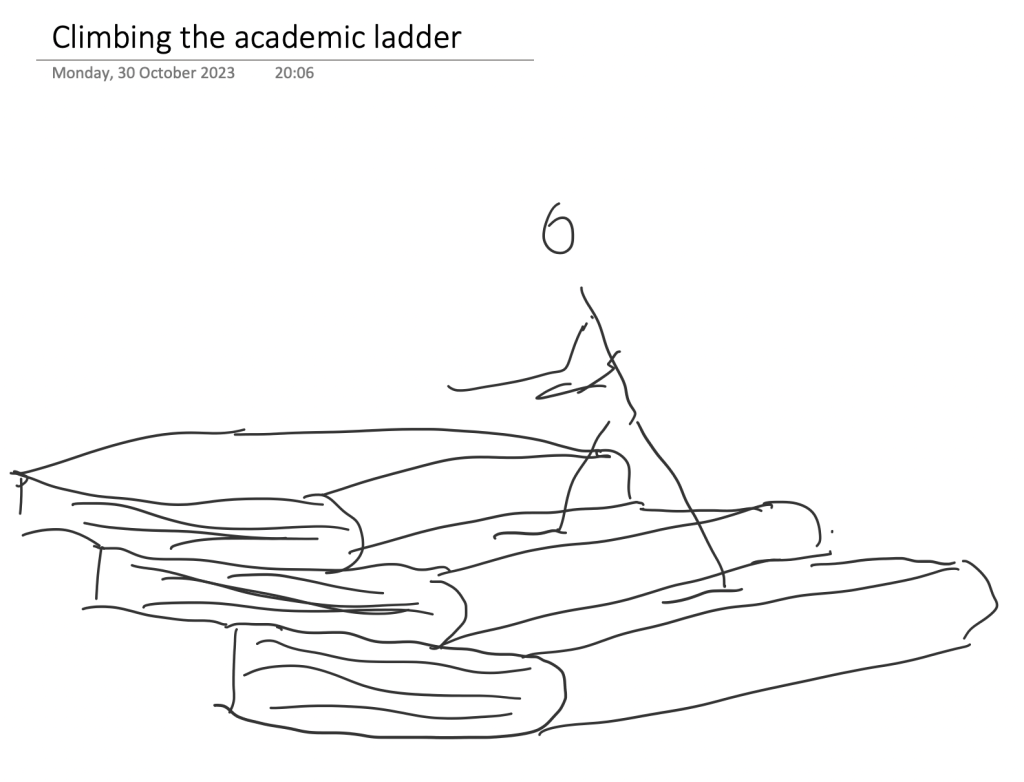
This was another shot where I had sketched the idea first before I even set foot in the studio. It doesn’t matter if you deviate away from the original plan; it is just there as a foundation for the concept to be built upon. I use OneNote on my iPad for my conceptual sketches but you could just as easily use a good ‘old-fashioned’ paper notebook instead.
Discover more from Ironbridge Images
Subscribe to get the latest posts sent to your email.

 Ironbridge Images