
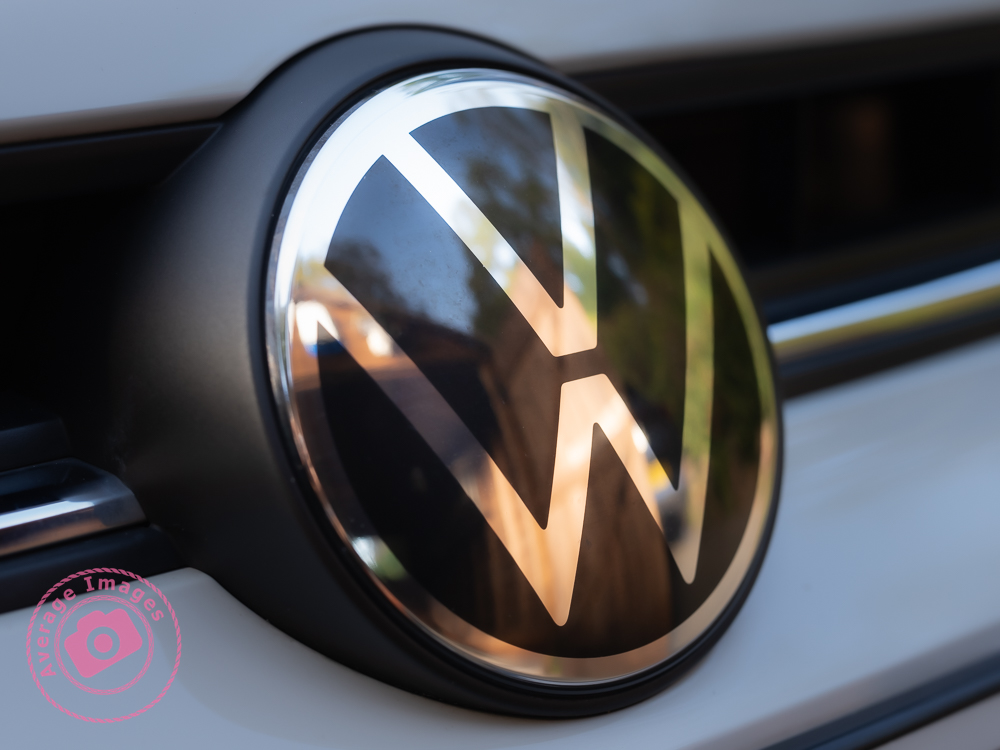
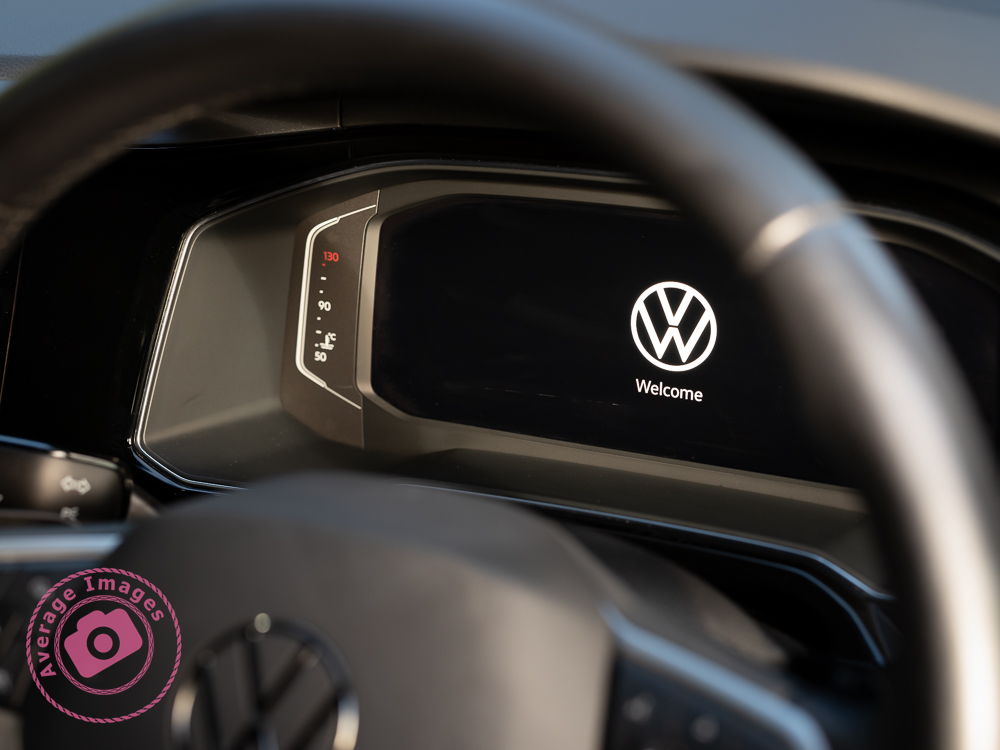
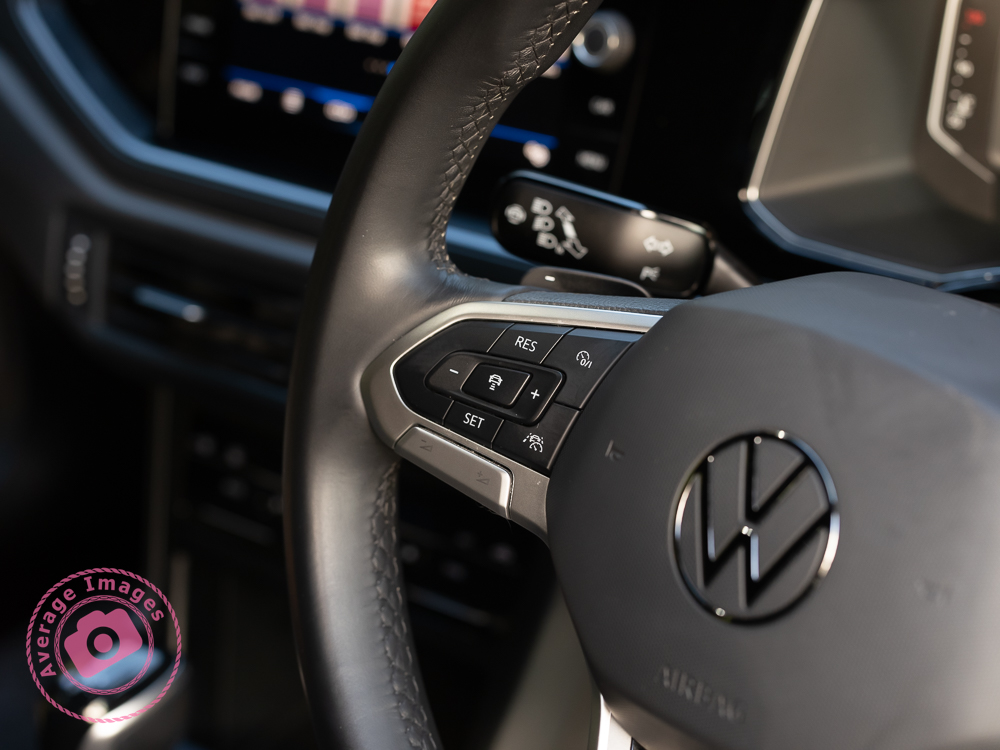
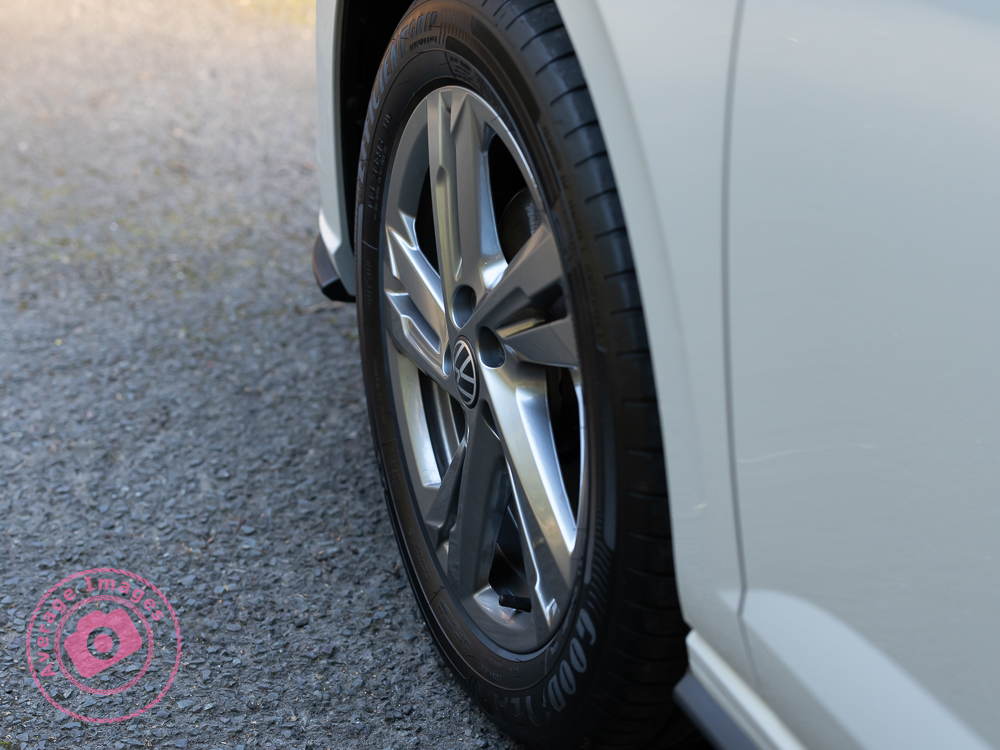
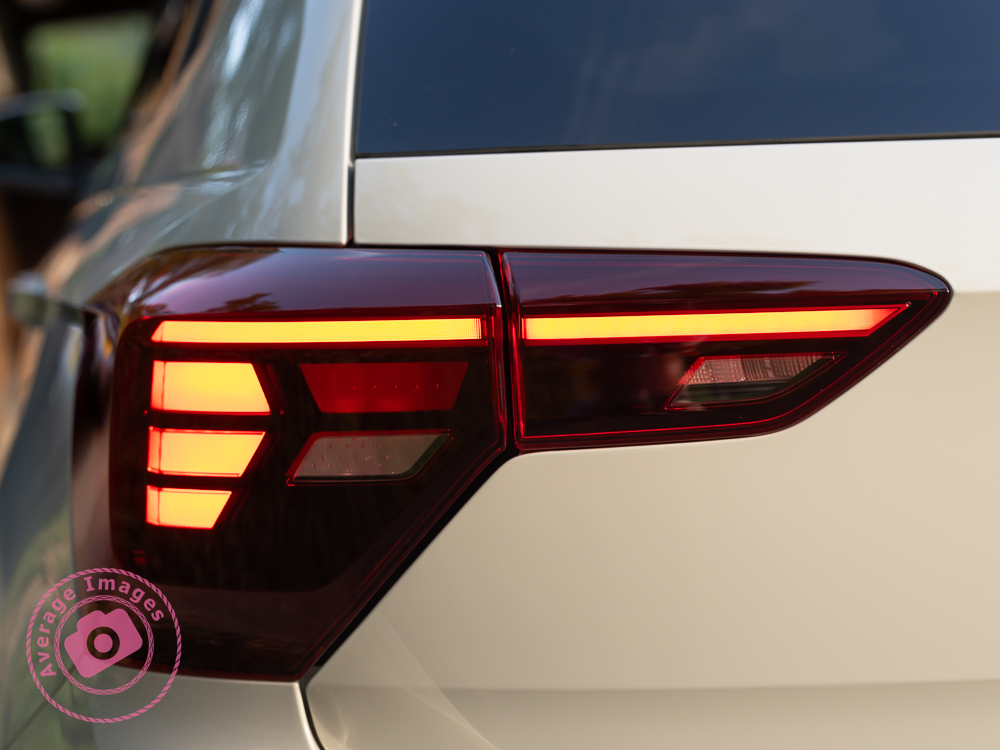
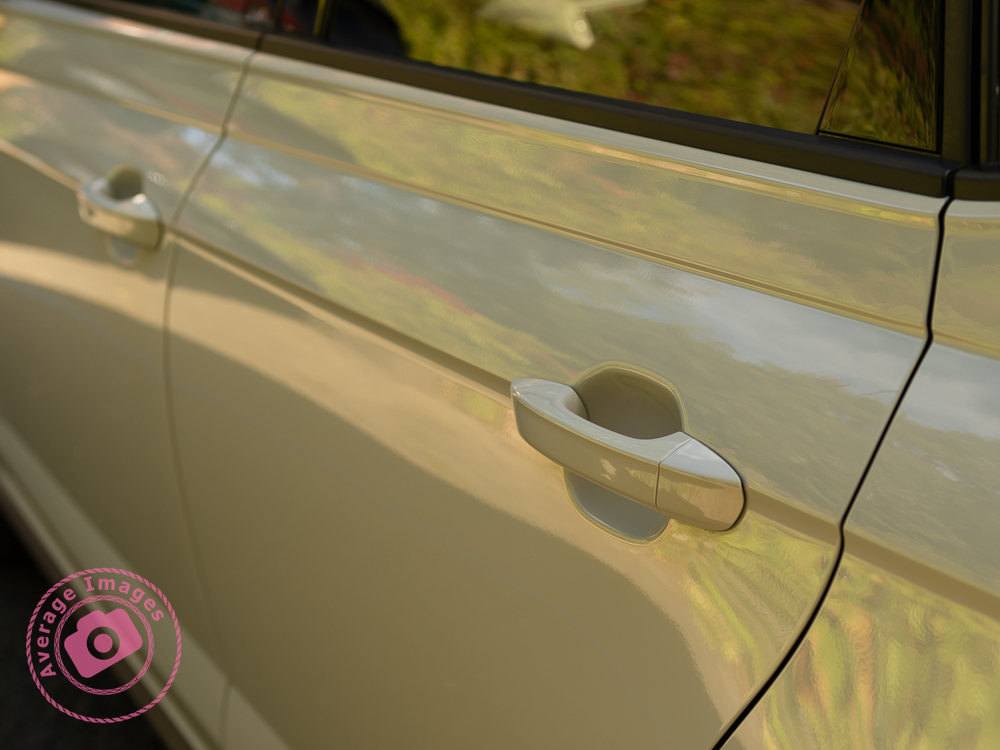
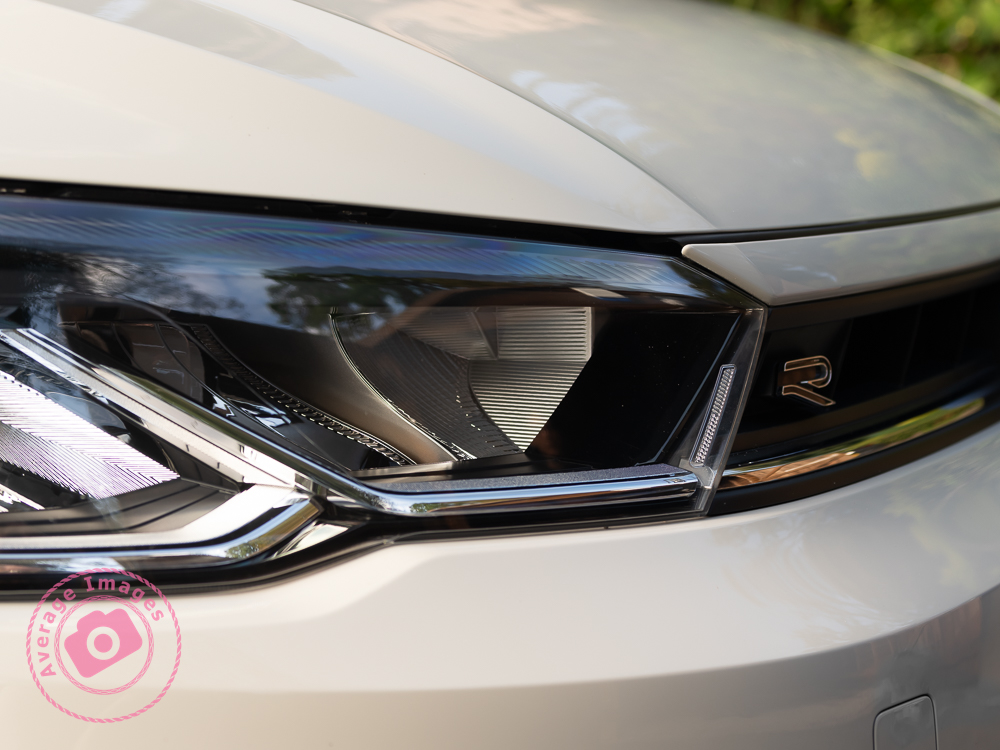
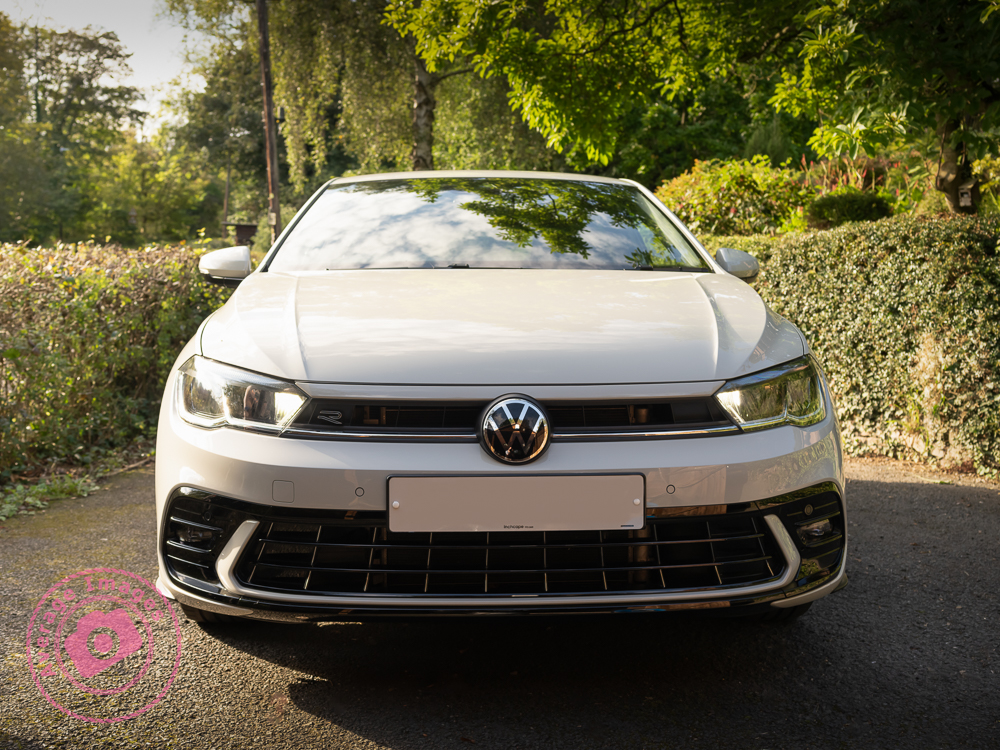
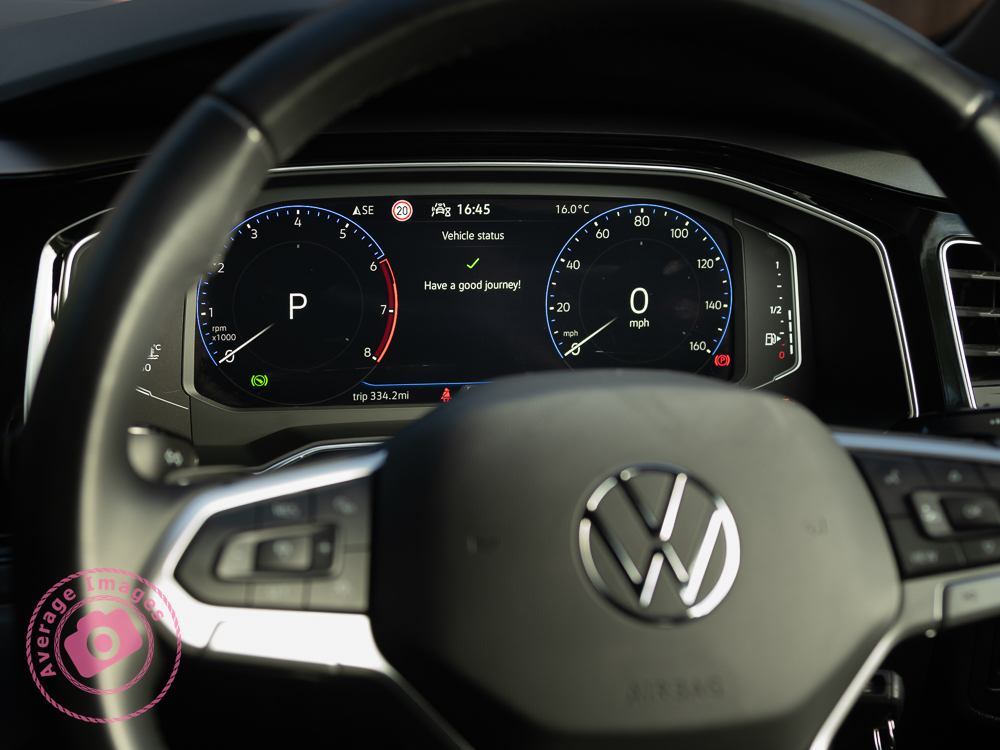
Another set of automotive detail shots.
Since my similar post Shooting Cars a few weeks ago, news has broken here in the UK, that the proposed ban on the sale of petrol and diesel-engined cars, which was due to come into force in 2030, has been put back by 5 years. The Prime Minister stated this was because of the significant hurdles in choosing one, notably the high costs and lack of a nationwide charging infrastructure. However, he also noted that the ban would now include all hybrid and plug-in hybrid cars, meaning that only fully electric cars and vans can be purchased after 2035 if this deadline doesn’t shift again.
If you were to believe the media here in the UK, you might be forgiven for thinking that this ban is a worldwide policy, but it isn’t. It is actually quite challenging to find a summary of different countries’ positions regarding electric vehicles. In fact, I couldn’t find anything that encompassed all of the world’s countries; there only seems to be information about those that have an EV policy, and there is little information about those that do not (and there is plenty of them, it seems). Proponents are happy to quote that, in 2022, sales of electric cars increased by 55%. It’s a great soundbite, but the reality is that only 14% of global car sales were electric, which means 86% of cars sold worldwide were not!

Of course, this may all change if the major car manufacturers continue with their own voluntary pledges to stop producing cars with internal combustion engines. However, this is a risky strategy for any business – you need to make products that people want to buy, not those that you want to sell – no matter how environmentally friendly they appear. The human race has always been transient in nature; perhaps it’s because we always feel that “the grass is greener on the other side of the fence”, and to try and curtail this is doomed to failure.
The ‘elephant in the room’ is that batteries just aren’t technologically advanced enough to provide sufficient power to make the journeys that we now expect to make, in the comfort that we expect to make them in. The primary purpose of a car is to get us from A to B without stopping; with B being as far away from A as possible. If you are serious about using an electric vehicle to do so, then you need to remove everything that saps power from that important goal – so no air conditioning, satellite navigation, electric windows, radios, daytime running lights, etc. Also, you need to get rid of those big fat tyres and replace them with low rolling-resistance skinny ones – and whilst you are at it, remove of all that heavy, metal bodywork as well.
Ideally you would end up with a very small, fibreglass-bodied, three-wheeled vehicle with the largest battery you can fit into it. Those of a certain age may now have a mental image of something called the Sinclair C5. This was produced some 38 years ago as a commercially-viable electric car for the mass-market. It failed!
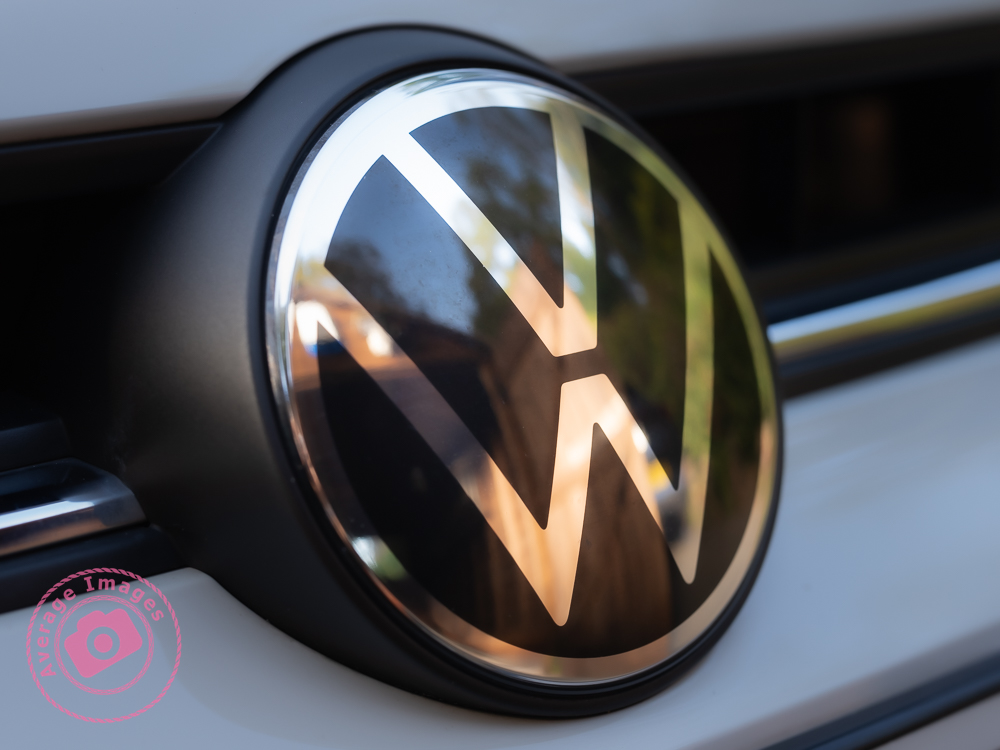
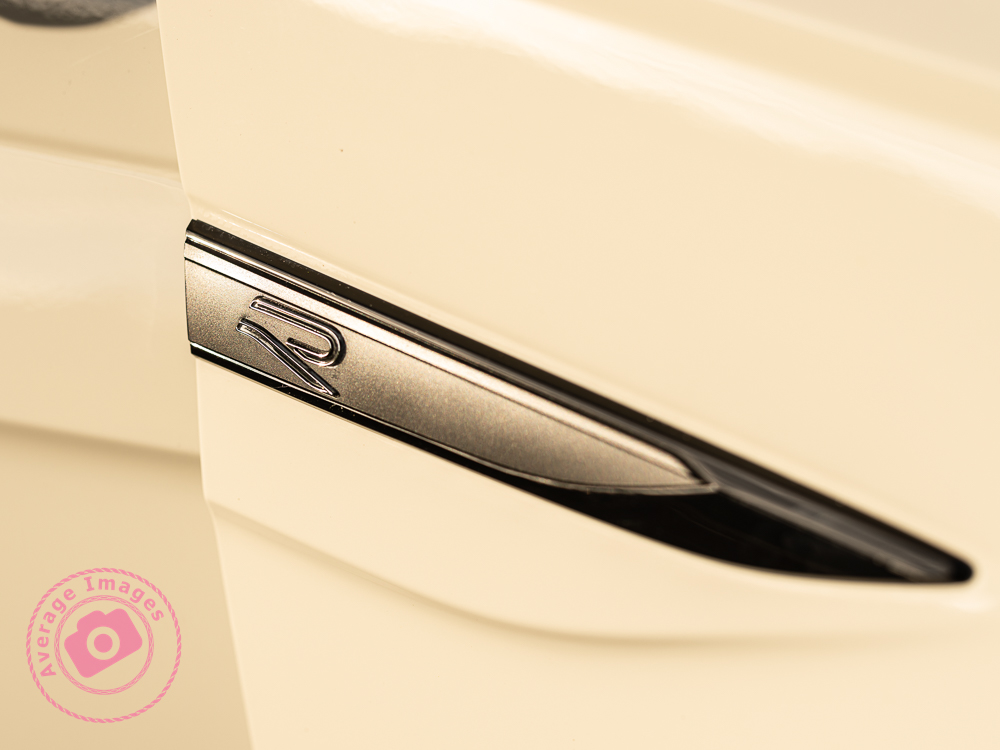
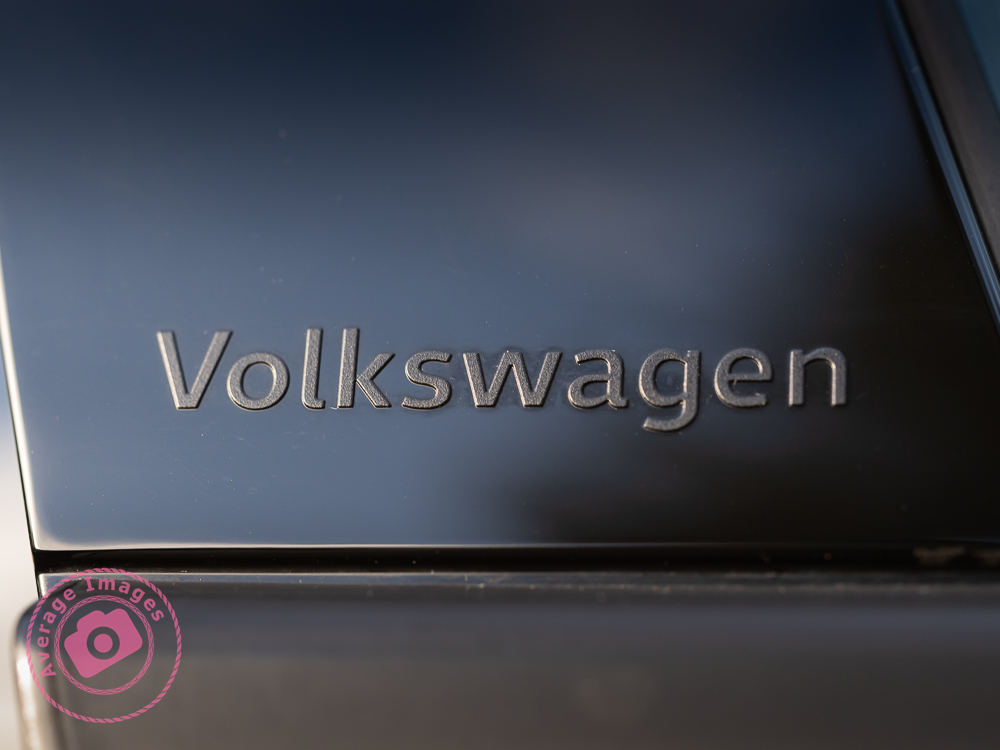
Anyway, enough of that – and here are some detail photographs of a car with a petrol engine.
Discover more from Ironbridge Images
Subscribe to get the latest posts sent to your email.

 Ironbridge Images