Even at my age, I am always surprised when the Summer Solstice (the longest day) arrives at the end of June; Summer seems to have hardly started, and yet the mornings are going to get darker and the evenings shorter. For some time, I have thought about utilising the dark mornings and evenings in my photography, and now is the time to do so, and I’ve decided to do a bit of Painting with light.
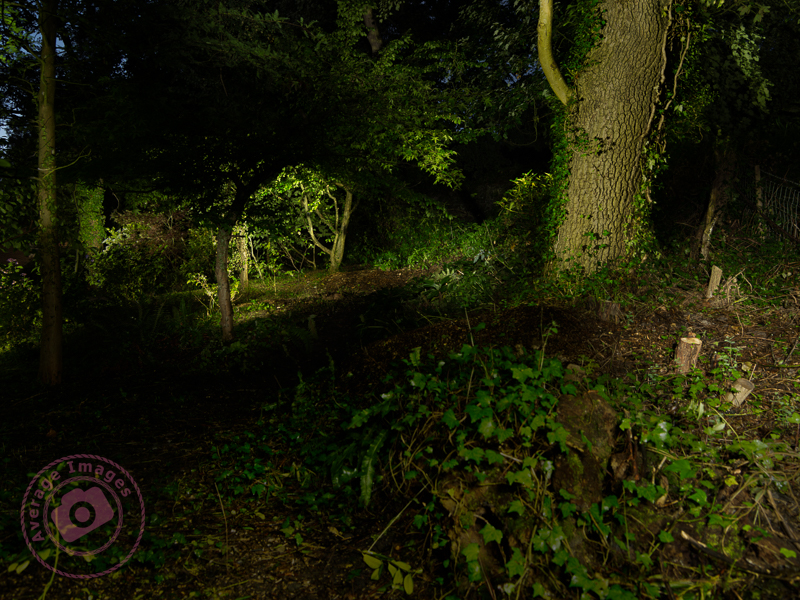
So, what is “Painting with light?” I hear you ask. It is simply taking a photograph in the dark and then lighting select parts of the scene with portable lighting during a long exposure, in an attempt to create an ethereal view.
“Is Painting with light the same as Light painting?”. The boundaries are a bit blurred, but light painting generally refers to the act of recording the shapes or patterns of moving lights during a long exposure, with the light source itself becoming the focus of the image, whereas in painting with light the objective is never to see the light source, only its effect. In reality, both terms seem to be interchangeable
“OK, so why Painting with light?“. Although it looks relatively easy, there can be more to it than meets the eye. I haven’t done a lot of low-light photography, so it means I will learn something along the way. And not only is there the physical part of taking the images in the first instance, but there is also the post-processing of those images to create one finished landscape. It makes it a bit more interesting to see where I can take it.
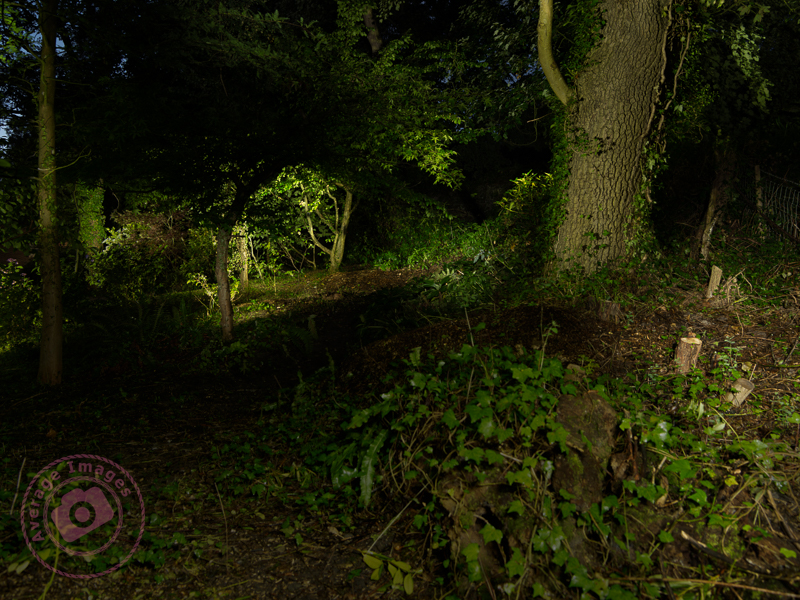
So above is my first attempt – and what have I learnt?
- The image hasn’t really got a focal point, which means you are searching for something to concentrate on. I need to work on my physical composition.
- The lighting was done quite quickly and from the same height. This makes the image a bit ‘flat’. I need to light from different heights and take my time.
- I should have lit further back into the shot to create more depth.
- I need to use a smaller aperture. This was shot at f/8.0 but the foreground is noticeably out-of-focus.
Overall, though, I’m quite pleased with how it has come out and it was fun to do. And isn’t that the point?
In later blog posts, I’ll discuss the gear required for painting with light, the camera settings I use, and my post-processing workflow.
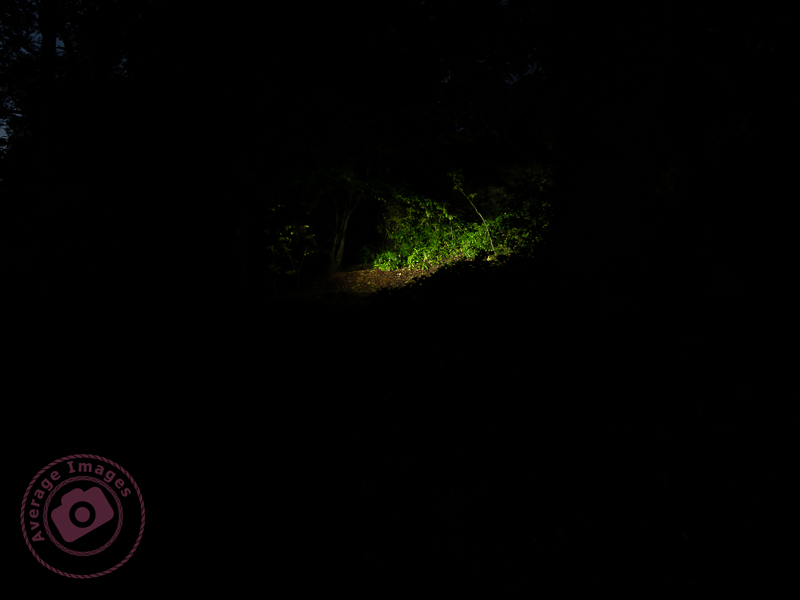
And finally, just to give you an idea about how dark it really was, here’s just one of the 17 images that make up the final shot:
Discover more from Ironbridge Images
Subscribe to get the latest posts sent to your email.

 Ironbridge Images